Car AC Stops Working After 10 Minutes: Decoding Common Issues
It can be frustrating when your Car AC Stops Working After 10 Minutes: Why? This is a common problem, especially for people new to car maintenance. Don’t worry, though; it doesn’t mean something major is wrong. Many times, the fix is pretty straightforward. We’ll explore the main causes of this issue, breaking things down step by step. We’ll examine different potential problems, from simple fixes to more complex situations. Ready to learn what might be causing your car’s AC problems and how to get it working again? Let’s begin!
Possible Reasons Your Car AC Fails After Short Use
The fact that your car’s air conditioning system quits after about ten minutes is often a sign of a specific problem. It suggests the system works well when it’s initially switched on, but then something changes. This time frame points towards issues that build up over time or are triggered by the AC’s operation. Some common culprits include the compressor, refrigerant, and electrical components. We’ll examine each of these areas to determine what might be happening with your car’s air conditioning system and why it fails after a short period.
Compressor Malfunctions
The AC compressor is the heart of the system, circulating refrigerant to cool your car. If the compressor isn’t working correctly, your AC won’t blow cold air. A compressor can experience various issues that could cause it to function for a short time before failing. These problems can be related to internal wear, overheating, or electrical problems. Knowing the signs of a faulty compressor is key to diagnosing the issue and getting your AC back up and running.
-
- Compressor Clutch Problems: The clutch engages and disengages the compressor. If the clutch wears out or has a bad connection, it might work initially but then fail when it gets hot or stressed.
The compressor clutch is an essential element, linking the compressor to the engine’s drive belt. When the AC is turned on, the clutch engages, enabling the compressor to begin circulating refrigerant. If the clutch is worn or damaged, it can slip, preventing the compressor from operating correctly. This can lead to your AC only working for a short time because as the clutch heats up from use, it loses its ability to grip, causing it to fail.
-
- Internal Compressor Damage: Over time, the internal components of the compressor, like the pistons and valves, can wear down. This wear can result in reduced efficiency and eventually, complete failure.
Inside the AC compressor are many parts working together. Pistons compress refrigerant, while valves regulate the flow. If these parts wear, the compressor might begin working less efficiently. This wear often worsens as the compressor heats up, potentially leading to a breakdown after short use. This wear can include anything from the piston rings to the bearings or seals.
-
- Overheating: The compressor can overheat if it’s working too hard, if there’s a blockage in the system, or if it isn’t getting enough lubrication. Overheating can lead to internal damage.
The AC compressor can overheat for various reasons, including excessive work or system issues. A blocked refrigerant line, for instance, forces the compressor to work harder, leading to higher temperatures. Additionally, the compressor relies on refrigerant and oil for lubrication and cooling. If the refrigerant level is too low, the compressor may overheat. These high temperatures can trigger the AC to shut down after a short period.
Refrigerant Issues
The refrigerant is the cooling agent in your car’s AC. Issues with the refrigerant levels or condition are a frequent cause of AC problems. These problems often manifest after a period of operation. Checking and addressing refrigerant problems is a common part of AC maintenance. Problems like leaks or incorrect refrigerant types can lead to the AC failing after running for a few minutes.
-
- Low Refrigerant: The most frequent issue is low refrigerant, often because of a leak. If the refrigerant level drops below a certain point, the system might shut off.
Low refrigerant levels are a common reason for AC failure. When the refrigerant level drops, the system cannot function effectively. A leak in the system can cause the loss of refrigerant over time, leading to lower cooling performance. As a result, the AC may begin working, but its cooling ability degrades quickly, ultimately leading to failure, particularly after a short operational time.
-
- Refrigerant Leaks: Leaks can happen at various points in the AC system, such as hoses, seals, or the compressor itself. These leaks let the refrigerant escape.
Refrigerant leaks are another widespread problem that can affect AC performance. Hoses, seals, and the compressor are common leak points. When refrigerant leaks, the system loses its cooling capacity. These leaks can be tricky to find because the refrigerant is a gas and can leak slowly. Often, the AC works at first, but with the refrigerant leaking, the cooling effect decreases and fails after some time.
-
- Contaminated Refrigerant: If the refrigerant gets mixed with air, moisture, or other substances, it can impact the system’s ability to cool.
Refrigerant contamination can arise in numerous ways, impacting the AC system’s performance. Air and moisture in the system can prevent proper cooling. Over time, impurities can form. These contaminants can cause your AC system to fail. Because contaminants can damage the system, it is vital to replace refrigerant as directed by your car’s manual.
Electrical System Problems
Your car’s electrical system is vital for your AC. Problems in the electrical system, from blown fuses to bad wiring, can interrupt the AC. These failures often cause intermittent or complete AC failure. Because electrical problems can be subtle, locating the source of the problem may require diagnostic work. Electrical problems that are affected by heat or the AC’s operation can cause the system to stop working after a few minutes.
-
- Faulty Wiring or Connections: Loose or corroded wires can cause electrical shorts or open circuits. These issues can disrupt the power supply to the AC.
Wiring problems in a car’s AC system can lead to intermittent failures. Wires, over time, can corrode or develop loose connections. These issues can disrupt the flow of electricity needed to run the AC compressor, clutch, and other components. An issue can cause the AC to operate for a brief period before cutting off, particularly when the system heats up.
-
- Blown Fuses or Relays: Fuses protect the electrical components of your AC. If a fuse blows, the AC system might not function.
Fuses and relays are essential for AC functionality. Fuses safeguard the electrical circuit from overloading, while relays control the power supply to the compressor. A bad relay or a blown fuse can stop the AC. This problem is common because it can be easily fixed and diagnosed.
-
- Overheating Switches: Some cars have pressure or temperature switches that protect the AC system. If these switches sense too much pressure or too high a temperature, they can shut the system off.
Safety switches are in place to prevent damage. Pressure switches monitor the refrigerant pressure, while thermal switches watch the temperature of the components. These switches can shut off the AC compressor if conditions go beyond safe limits. For example, if the pressure in the system gets too high, the pressure switch can turn off the compressor. This action can cause the AC to stop working after a short time.
Step-by-Step Diagnostics for a Car AC That Stops Working
Diagnosing why your car’s AC stops working after ten minutes involves a systematic process. This approach helps pinpoint the problem and makes the repair process easier. This procedure includes basic checks and, possibly, more detailed testing. Start by examining common issues such as the refrigerant levels or electrical components. You might also want to look at the compressor, hoses, and other elements.
Preliminary Inspections
Before you start any complex diagnostics, several initial inspections can provide insights. These checks include visual inspections and easy tests you can do to see if you can quickly spot the problem. Preliminary inspections save time and can help you identify simple problems that are causing the AC to fail after a short time. These simple checks can provide critical information before a deeper investigation.
-
- Check the Fuses and Relays: Start by examining the fuse box for any blown fuses. Then, check the AC system’s relay, often in the same box.
Inspect the fuse box, which is usually found under the hood or inside the car. Locate the fuses connected to the AC system and remove them to see if they’re damaged. Also, identify and check the AC relay. A simple visual inspection can often show a blown fuse. If a fuse is blown,
-
- Visual Inspection of the Components: Look for any obvious signs of damage, like leaks from the compressor or damaged wires. Check the AC lines for any breaks, kinks, or other issues.
Visual inspection allows you to find obvious issues without using tools. Check the AC compressor for oil leaks or other damage. Look at the hoses and lines for cuts or signs of wear. Check electrical connections for corrosion or loose wires. You can spot the source of a leak or a broken wire with this step, providing quick insight into your AC failure.
-
- Check the AC Clutch Operation: When the AC is on, make sure the compressor clutch engages. This indicates the compressor is getting power.
The AC clutch’s engagement is a simple test. When the AC is on, the clutch should click and engage. If the clutch doesn’t engage, there could be an electrical problem, a faulty clutch, or low refrigerant. Listening for the click and seeing if the clutch spins can guide you towards the next step in the diagnosis.
Advanced Troubleshooting Steps
If the basic checks don’t find the issue, you may need to conduct more thorough troubleshooting. These steps might involve using special tools and knowing the system. Advanced troubleshooting can help reveal hidden issues that contribute to the AC’s limited operation time. Taking the extra steps can assist in finding complex failures.
-
- Check the Refrigerant Level: Use an AC gauge to measure the refrigerant pressure in the system. Low pressure often indicates a leak.
Using a gauge set is one of the most important advanced steps. Connect the gauge set to the AC system’s low and high-pressure service ports. Turn the AC on and observe the pressure readings on both sides. Low pressure indicates a lack of refrigerant. This test can confirm if a leak or other refrigerant problem is the cause of the AC’s issues.
-
- Inspect the Compressor: Check the compressor’s condition by testing for internal issues and listening to noises that indicate internal damage.
Test the compressor’s performance. Listen for unusual noises, such as grinding or knocking, which may indicate internal wear. Also, check the compressor’s clutch operation with the AC on. If the clutch cycles on and off, it may point toward low refrigerant or other issues. Inspecting the compressor in detail can help identify whether its internal components are the problem.
-
- Electrical System Testing: Use a multimeter to test for voltage at the compressor clutch and other electrical components. This test finds issues with wiring and relays.
Use a multimeter to measure voltage and continuity. Check the voltage at the compressor clutch to ensure it’s getting power. Test the wiring harness to ensure no breaks or shorts. Check the AC relay by confirming whether it is working and sending voltage to the compressor. Electrical system testing helps identify any issues within the system that might make the AC shut down prematurely.
Common Scenarios and Troubleshooting Examples
Understanding real-life examples of how AC problems manifest can help in troubleshooting. These scenarios give context to the diagnostic process, which helps in quickly identifying issues. By learning from these examples, you can become familiar with the diagnostic methods used to address common problems and solutions. These cases highlight how to approach different AC problems.
- Scenario 1: AC Stops After 10 Minutes on a Hot DayYour car’s AC works fine when you first start driving on a cooler morning. However, as the day heats up, after about ten minutes of use, the AC begins to blow warm air. After checking, you discover the AC compressor clutch stops engaging. You then check the refrigerant level and notice it’s slightly low, leading to the system shutting down.
-
Troubleshooting Steps:
- Check the AC fuses and relay.
- Use an AC gauge to check refrigerant levels.
- If low, find any leaks by visually inspecting the system.
- Recharge the system with the correct refrigerant and test again.
- Outcome:The issue was resolved by refilling the refrigerant and repairing the leak in the AC line. The AC now works properly, even in hot weather.
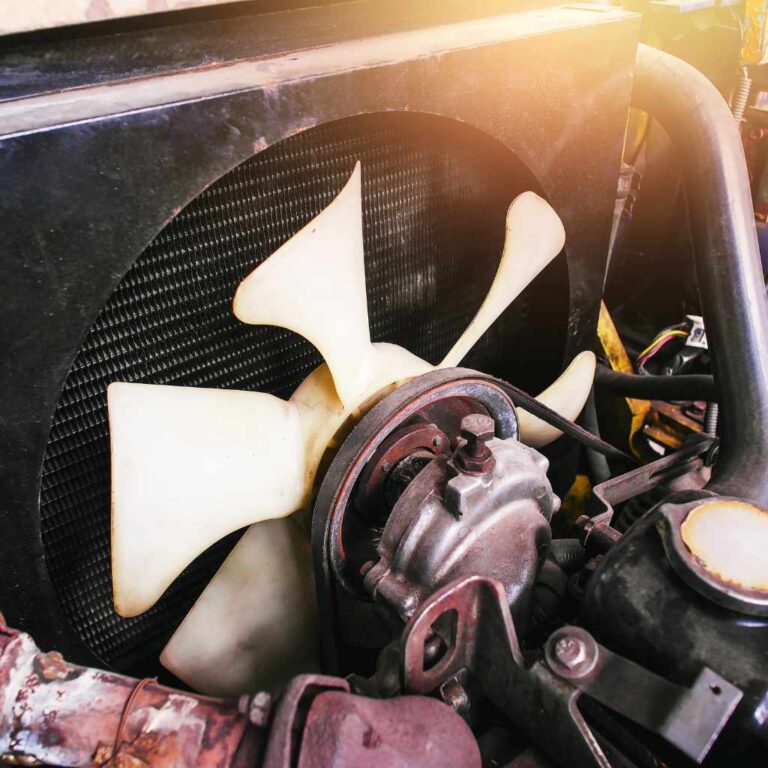
- Scenario 2: AC Works Intermittently and Then FailsYour car’s AC sometimes works, and sometimes it doesn’t. You notice it can work for about ten minutes before failing. When you check the system, the compressor clutch seems to cycle on and off. You also notice the cooling fan isn’t always running when the AC is on.
-
Troubleshooting Steps:
- Check the AC relay and the cooling fan relay for any problems.
- Test the AC compressor clutch using a multimeter.
- Check the AC pressure switch.
- Check for loose wiring and electrical connections.
- Outcome:The AC’s intermittent issues were fixed by replacing a faulty relay. The compressor was getting intermittent power, causing it to cycle on and off. The cooling fan’s operation also improved, and the AC began to cool your vehicle consistently.
Preventive Measures for the Air Conditioning System
Preventive measures can help extend the life of your car’s AC. Regular maintenance can avoid major repairs and improve the AC’s efficiency. These actions help ensure your AC will work when you need it. Taking care of your AC is a smart way to enjoy a comfortable drive.
-
- Regular AC System Maintenance: Performing routine maintenance helps prevent significant problems. This care involves regular inspections and necessary system servicing.
Regular AC system maintenance can extend the unit’s life and ensure it operates well. Plan on a professional inspection once a year. This check includes a refrigerant level check, leak inspection, and compressor performance evaluation. It may also include changing the cabin air filter. Following a maintenance schedule can identify and address problems before they become major issues.
-
- Check Refrigerant Levels: Periodically check the refrigerant levels in the AC system. Low refrigerant is a frequent issue, so keep a watch on it.
Checking refrigerant levels is critical to the AC’s health. Low refrigerant levels can decrease AC performance and cause compressor failure. Have an AC technician check the refrigerant levels during your vehicle’s regular service. Also, ask the technician to check for leaks. If refrigerant levels decline, it is a sign that there is a leak in the system.
-
- Run the AC Regularly: Operating the AC for a few minutes each month, even during colder months, is beneficial. This keeps the internal components lubricated and in good condition.
Running the AC regularly, even during the winter, can prevent certain problems. The AC system has seals and moving parts. Running the AC circulates refrigerant and oil. This helps keep these components lubricated, avoiding leaks and wear. This action helps maintain the overall health and functionality of the system.
| Component | Recommended Maintenance | Benefits |
|---|---|---|
| Refrigerant | Check levels yearly | Prevents poor cooling and compressor damage. |
| Compressor | Inspect for leaks; ensure proper lubrication | Prevents compressor failure and ensures system efficiency. |
| Condenser & Evaporator | Clean as needed | Improves cooling efficiency. |
Frequently Asked Questions
Question: Why does my car AC stop working after ten minutes, but works initially?
Answer: The most common reasons include low refrigerant levels, a failing compressor clutch, or electrical problems that develop as the system heats up. These issues may start after about ten minutes.
Question: What’s the cost to fix an AC that quits after a few minutes?
Answer: The repair cost varies depending on the issue. A simple recharge might cost $100-$200, but a compressor replacement can run $500-$1000 or more.
Question: Can I fix the AC problem myself?
Answer: Some simple fixes, like replacing a fuse, are possible. But refrigerant handling and compressor repairs often require professional help.
Question: What are the signs of a failing compressor?
Answer: Signs include a lack of cold air, unusual noises from the compressor, and the AC cycling on and off.
Question: How often should I recharge my car’s AC system?
Answer: You shouldn’t need to recharge your AC frequently. If the refrigerant is low, it means there’s a leak in the system, which should be fixed.
Final Thoughts
The issue of your Car AC Stops Working After 10 Minutes: Why? is often caused by several identifiable problems. These problems include refrigerant leaks, compressor failures, and electrical faults. By following a systematic approach to diagnostics, you can often identify the cause of the problem and explore the necessary repairs. The goal is always to restore comfort and efficiency to your car’s climate control system.
If you’re facing AC troubles, start by checking the simple things like fuses and refrigerant levels. Remember, regular maintenance is key to keeping your AC system in great shape. Don’t hesitate to seek professional help if the problem seems complex or if you’re not comfortable with the repair. With some persistence, you’ll be able to enjoy a comfortable ride, even on the hottest days.