How Often to Change Air Filter on Car: What OEM Manuals Say
The manuals reviewed for this guide put the engine air filter at about 30,000 miles, not the 12,000 to 15,000 miles many sites repeat. Toyota (2025), Subaru (2024) and the Nissan Versa (2021) all list 30,000 miles, while the 2024 Chevrolet Silverado 1500 uses a dashboard monitor instead of a fixed number. Cabin air filters run on a separate and shorter clock, from 12 months on a 2024 Subaru to 24 months on the Silverado. Below you get a maker-by-maker table, the dusty-road exceptions, and how to check each filter.
Engine Air Filter vs Cabin Air Filter: Which One Are You Changing?
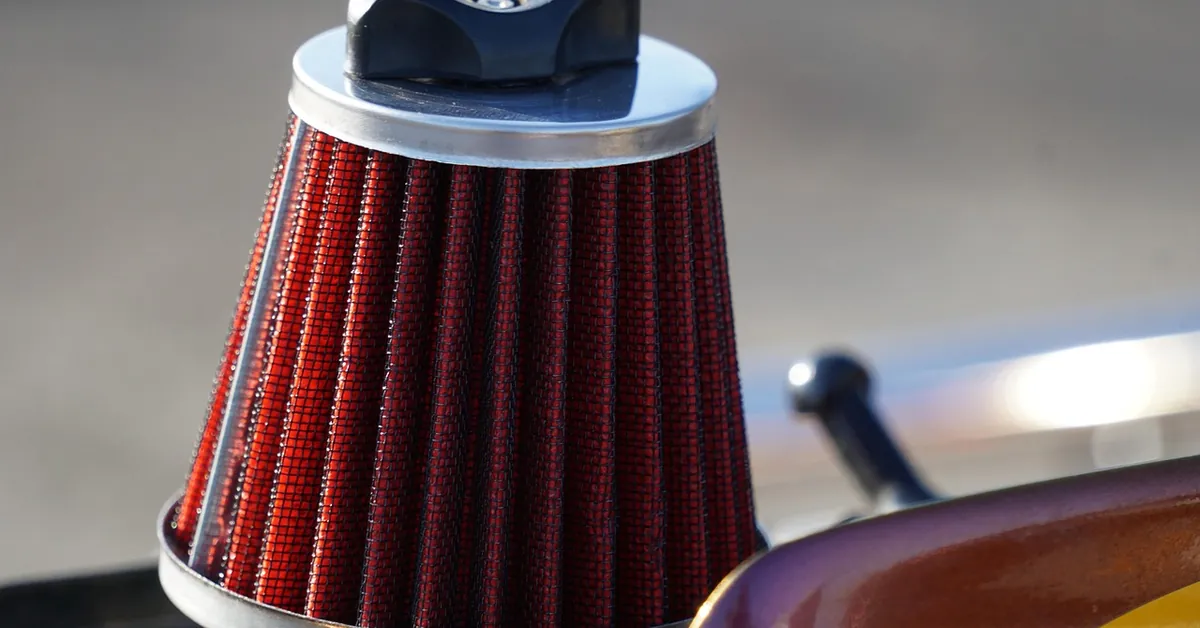
A car has two air filters that people mix up. The engine air filter cleans the air that goes into the engine, and it sits in a housing in the engine compartment. The cabin air filter cleans the air that comes out of your vents, and in the Nissan Versa manual it is called the in-cabin microfilter and sits behind the glove box. They have different jobs, different locations and different replacement schedules, so a number for one is wrong for the other.
Best Filter Inspection Light Pick | |
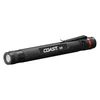 |
Coast G20 Inspection Beam LED Penlight at $13.99 This is not a replacement filter, so it fits any car. A small light just makes it easier to see damage or oil on the filter element when you pull it out in a dim garage.
|
As an Amazon Associate we earn from qualifying purchases. Spec-based pick from the listing, not a hands-on test. | |
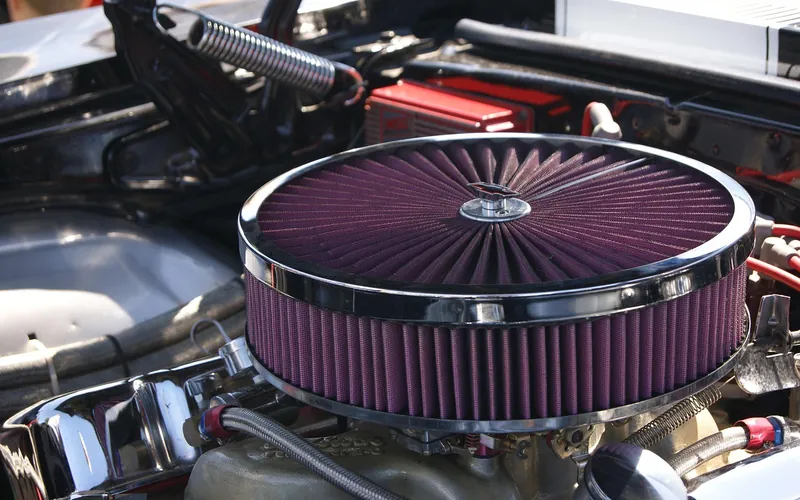
Most searches for how often to change the air filter on a car mean the engine filter, so that comes first. The cabin filter has its own section further down, because the manuals set its interval separately and the reasons to change it are about what you breathe, not about engine protection.
How Often to Change an Engine Air Filter: What the Manuals Say
Instead of averaging advice from other websites, this table reads the maintenance schedules and owner’s manuals directly. Each row names the maker, the model year of the document and the exact wording or chart entry. Intervals are for normal driving, and the last column covers what each maker says about dust.
| Maker, model and document | Engine air filter | Cabin air filter | Dust and severe-use wording |
|---|---|---|---|
| Toyota, 2025 Warranty and Maintenance Guide | Replace at 30,000 miles, then every 30,000 miles (chart shows R at 30,000, 60,000 and 90,000) | Replace on the same schedule: 30,000, 60,000, 90,000 miles | Special operating conditions chart: if you drive primarily on dirt or dusty roads, inspect the engine air filter every 5,000 miles. Cabin filter may need replacing earlier in dusty, desert, urban or heavy traffic areas. |
| Subaru, 2024 MY All Vehicles, Federal/California specification maintenance schedule | Air cleaner element: replace every 30 months or 30,000 miles, whichever comes first | HVAC A/C filter: replace every 12 months or 12,000 miles | Note 8: in extremely dusty conditions the air cleaner element should be inspected more often. Dusty driving is listed as an example of severe driving for the air cleaner element. |
| Nissan Versa, 2021 Owner’s Manual and Maintenance Information | Replace at 30,000 miles or 24 months, then every 30,000 miles or 24 months | In-cabin microfilter: replace every 15,000 miles or 12 months | If operating mainly in dusty conditions, more frequent maintenance may be required. Check or replace the engine filter more frequently when driving for prolonged periods in dust. |
| Chevrolet Silverado 1500, 2024 Owner’s Manual | No fixed mileage in the manual: the Engine Air Filter Life System shows a message when to replace it | Passenger compartment air filter: replace every 22,500 miles or 24 months, whichever comes first | Cabin filter may need replacing sooner in heavy traffic, poor air quality, high dust levels or with environmental allergens. The manual says the engine filter timing depends on driving and environmental conditions. |
The pattern is clear even though the makers differ. Three of the four documents give 30,000 miles for the engine air filter, and the fourth ties it to a monitor, with timing that depends on driving and environmental conditions. The cabin filter, in contrast, ranges from 12,000 miles on the Subaru to 30,000 on the Toyota. These are single models and single years: another trim, engine or model year from the same maker can have a different schedule, so your own owner’s manual always wins over this table.
Where the 12,000 to 15,000 Mile Rule Comes From
A widely repeated rule says to change the engine air filter every 12,000 to 15,000 miles or once a year. That range is not stated in any of the four documents above. It may suit some vehicles or some severe conditions, but it is a generic rule of thumb and not a manufacturer figure. Replacing every 12,000 miles is earlier than the three fixed schedules above ask for. If you drive on dirt roads, the manuals point the other way and say to inspect more often.
One more detail matters on the Silverado and similar vehicles with a filter life monitor. The manual says to reset the system after the engine air filter is replaced. If you swap the filter and skip the reset, the dashboard keeps counting from the old filter. Check your own manual for a similar reset step.
How to Check an Engine Air Filter Yourself
Checking is a few minutes of work, and the Silverado manual describes it in detail. The steps below follow that manual and the Nissan Versa manual. Housings differ between vehicles, so use your own manual’s diagram and fasteners. A small light helps you see damage on the element.
- Turn the engine off: the Silverado manual says not to start or run the engine with the air cleaner housing open.
- Find the housing: on the Silverado it is on the driver side of the engine compartment, and your manual’s engine compartment overview shows yours.
- Clean around it first: clear dirt and debris away from the housing and nearby parts so nothing falls into the intake.
- Open the housing: the Silverado uses an air duct clamp and three cover screws, and the Versa uses retaining clips.
- Lift out the element and tap it lightly: do this away from the vehicle to release loose dust.
- Inspect it: look for damage, and replace the element if it is damaged. Toyota also lists excessive wear and oiliness as reasons to replace.
- Do not wash it or blow it out: the Silverado manual says not to clean the element or components with water or compressed air, and the Versa manual says its viscous paper filter should not be cleaned and reused.
- Reinstall in reverse order: the Versa manual says to wipe the inside of the housing and cover with a damp cloth, then make sure the cover is seated and the clips are latched.
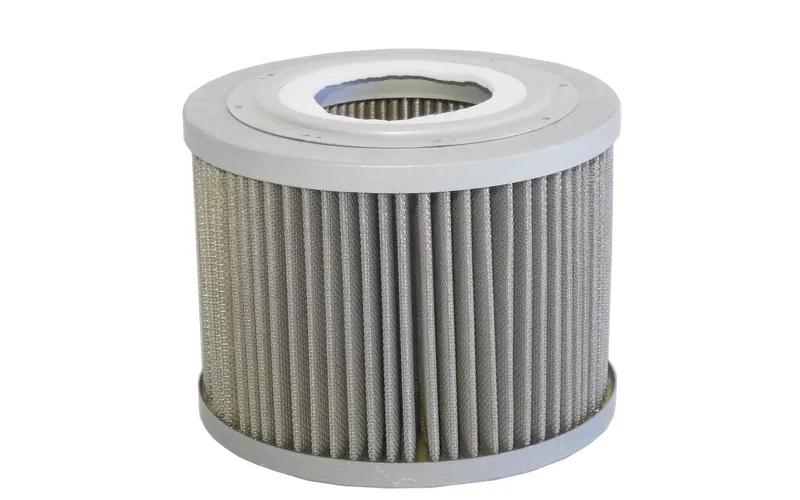
Stop and see a professional if the housing or intake duct is cracked, if a clip or screw will not seat, or if a warning light comes on after you reinstall the filter. The Silverado manual warns that dirt can easily get into the engine if the air cleaner is off, and the Versa manual warns of burns if the engine backfires with the air cleaner removed. Never drive with the filter or housing off.
Dusty Roads, Dirt Roads and Severe Conditions
Every manual here names dust as a reason to give the air filter more attention. The wording is different in each, so here is what each one says.
- Toyota (2025): a separate special operating conditions chart applies if you drive primarily on dirt or dusty roads, and it adds an engine air filter inspection every 5,000 miles.
- Subaru (2024): the air cleaner element should be inspected more often in extremely dusty conditions, and driving in dusty conditions is one of its listed severe driving examples for that item.
- Nissan Versa (2021): if you operate mainly in dusty conditions, more frequent maintenance may be required.
- Chevrolet Silverado 1500 (2024): the engine filter monitor accounts for driving and environmental conditions, and a consistently high sand or dust environment appears on the manual’s list of severe conditions.

The makers do not give a replacement mileage for dusty use, apart from Toyota’s 5,000-mile inspection. So the practical answer is to inspect, not to guess a new number. If you also do your own oil changes, the two checks fit together, and our guide on when to change oil on a new car covers how makers define severe service for oil. GM links the two directly: its monitor can tell you to replace the engine air filter at the next oil change.
How Often to Change a Cabin Air Filter
The cabin air filter is the one you breathe through. Its schedule is shorter than the engine filter in three of the four documents: 12 months or 12,000 miles on the 2024 Subaru, 12 months or 15,000 miles on the 2021 Nissan Versa, and 24 months or 22,500 miles on the 2024 Silverado. Toyota’s 2025 guide puts it at 30,000 miles, the same as the engine filter. In the Subaru, Nissan and GM documents, time counts as well as miles, whichever comes first.
Makers say to replace it sooner in some situations. Toyota lists heavy traffic, urban, dusty and desert areas and dirt roads, and GM lists heavy traffic, poor air quality, high dust levels and environmental allergens. GM also says replacement may be needed if there is reduced airflow, window fogging or odors. The Nissan manual says the in-cabin microfilter restricts airborne dust and pollen particles and reduces some objectionable outside odors, and that it recommends a Nissan dealer for replacement.
There is also an air quality angle. EPA says that in vehicles with properly functioning cabin air filters, the recirculation setting reduces outdoor particulate matter concentrations, although this may not help where people are smoking tobacco (EPA-420-F-14-044, August 2014). For when recirculation makes sense, see when to circulate air in your car, and for cabin-only schedules by brand, see our dedicated cabin air filter interval guide.
Signs an Air Filter Needs Attention, According to the Makers
Online lists of symptoms are long. The manuals are shorter, and it is useful to separate what a maker actually says from folk advice.
- Dashboard message (GM, engine filter): REPLACE AT NEXT OIL CHANGE means replace the engine air filter at the next oil change, and REPLACE ENGINE AIR FILTER SOON means replace it at the earliest convenience.
- Visible condition (Toyota, engine filter): inspect for damage, excessive wear and oiliness, and replace if necessary.
- Reduced airflow, window fogging or odors (GM, cabin filter): these can mean the cabin filter needs replacing.
- Calendar or mileage reached: in every manual above, the schedule itself is the main trigger.
Some websites also list sluggish acceleration, black exhaust smoke or a check engine light as clogged filter symptoms. None of the four manuals reviewed lists those as air filter symptoms. They can have many other causes, so treat them as a reason to get the car diagnosed, not as proof the filter is the problem. If you need a replacement element, our roundup of car air filter replacements compares options, and you should match the part number to your own vehicle.
Frequently Asked Questions About Car Air Filter Intervals
How often should I change the cabin air filter?
It depends on the maker. The manuals reviewed say 12 months or 12,000 miles (2024 Subaru), 12 months or 15,000 miles (2021 Nissan Versa), 24 months or 22,500 miles (2024 Silverado 1500) and 30,000 miles (Toyota 2025). Replace it sooner in heavy traffic, dusty areas or if airflow drops, and check your own manual.
How often should you change your engine air filter?
For normal driving, the Toyota (2025), Subaru (2024) and Nissan Versa (2021) documents each list 30,000 miles, with Subaru and Nissan adding 30 and 24 months. The 2024 Silverado 1500 uses a filter life monitor instead. Your own vehicle’s manual sets the right figure.
Can I just clean my air filter instead of replacing it?
Not on the filters covered here. The Silverado manual says not to clean the engine air filter with water or compressed air, and the Nissan Versa manual says its viscous paper filter should not be cleaned and reused. You can lightly tap the Silverado element to shake out loose dust during an inspection.
Can a dirty air filter damage my engine?
The manuals reviewed do not quantify damage from a dirty filter. They do warn about the opposite problem: the Silverado manual says dirt can easily get into the engine and could damage it if the air cleaner is off. A damaged or missing filter is a bigger concern than a dusty one.
Does the engine air filter monitor replace the mileage rule?
On vehicles that have one, yes. The Silverado manual says the timing depends on driving and environmental conditions, and it asks you to reset the system after replacing the filter. If your vehicle has no such system, follow the maintenance schedule in your manual.
The Bottom Line on Changing Your Air Filter
Read your own manual first, because the four documents here show that the range is wide. Plan on roughly 30,000 miles for the engine filter in normal driving if your maker matches Toyota, Subaru or Nissan, inspect it more often on dusty roads, and treat the cabin filter as a separate, shorter job. This article is for general information only and is not a substitute for your owner’s manual or a qualified technician.
Products related to this article
Sponsored / affiliate links. As an Amazon Associate I earn from qualifying purchases. I may earn additional commission from eligible campaigns.