Do Cars Need Antifreeze in Winter? My Cold-Weather Lesson
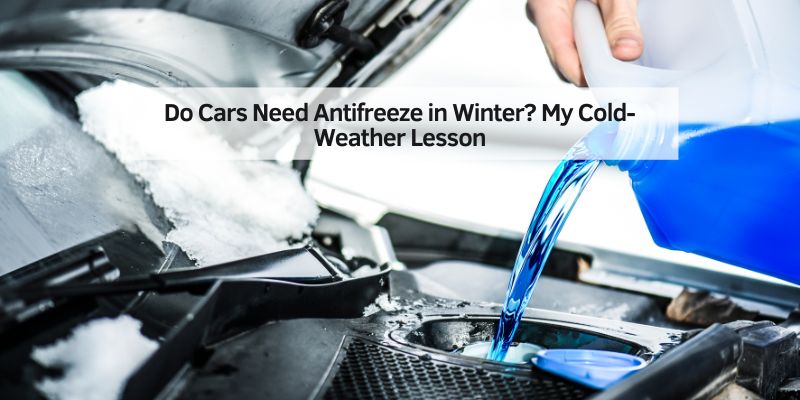
I’ll never forget my first winter in Minnesota. My old sedan groaned like a grumpy bear when I tried starting it on a frosty morning. A quick check revealed my antifreeze was low—yikes! That’s when I learned why antifreeze is a winter must-have. In this article, I’ll explain do cars need antifreeze in winter, share easy steps to check it, and give tips to keep your car happy in the cold. Whether you’re a newbie or a car buff, you’ll find simple tricks to avoid my rookie mistake. Let’s dive in!
What Is Antifreeze and Why Does It Matter?
Antifreeze, or coolant, is a liquid that keeps your car’s engine from freezing or overheating. It’s like a cozy blanket for your engine!
Why Antifreeze Saves Your Engine in Winter
Water freezes at 32°F, but antifreeze lowers that point to around -34°F in a 50/50 mix with water. Without it, frozen water can crack your engine block—ouch! Antifreeze also prevents rust and helps your engine run smoothly. In winter, it’s a lifesaver for keeping your car ready to roll.
How Antifreeze Works
Antifreeze is usually ethylene glycol mixed with water. It flows through your engine and radiator, soaking up heat and stopping ice from forming. Think of it as your car’s hot chocolate on a snowy day!
Do Cars Need Antifreeze in Winter?
Yes, cars need antifreeze in winter to prevent freezing and engine damage. Even in milder climates, it protects against unexpected cold snaps and corrosion.
When Is Antifreeze Most Important?
If you live where temps drop below 32°F, antifreeze is a must. Even in places like Florida, where winters are mild, it prevents rust and overheating. I learned this the hard way when my car overheated in a chilly Atlanta spring!
Signs Your Car Needs Antifreeze
Watch for these clues:
- Temperature gauge spikes: Your engine’s too hot.
- Coolant warning light: Check that reservoir!
- Puddles under your car: Leaks mean trouble.
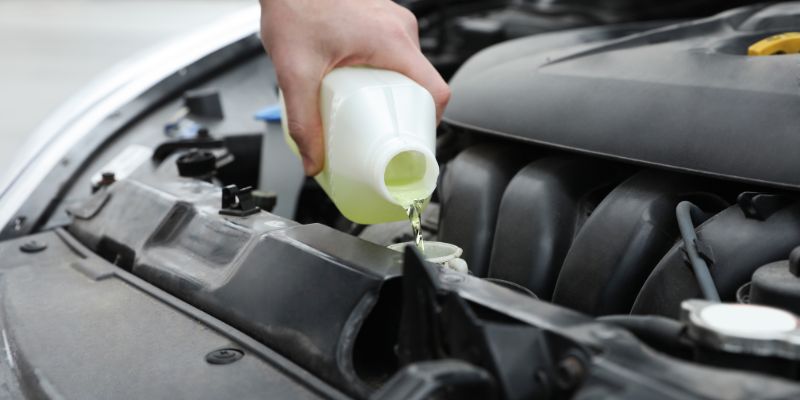
How to Check and Add Antifreeze: A Simple Guide
Checking antifreeze is no big deal. Here’s how I do it, step by step.
Tools You’ll Need
You don’t need fancy gear. Grab these:
- Antifreeze tester (hydrometer): Costs about $7 at AutoZone.
- Gloves and rags: Antifreeze is toxic, so stay safe.
- Antifreeze (if needed): Check your owner’s manual for the right type.
Visual Idea: A labeled diagram of a car’s coolant reservoir and radiator would make this crystal clear for beginners.
Step-by-Step: Checking Your Antifreeze
- Park on a flat surface: Make sure the engine is cold.
- Find the coolant reservoir: It’s a plastic tank near the radiator, often with a colorful cap.
- Check the level: Look for “low” and “full” marks. Top up if it’s below “low.”
- Test the antifreeze: Use a hydrometer to check the freeze point (aim for -34°F or lower).
- Add antifreeze if needed: Pour a 50/50 mix slowly into the reservoir.
Safety Tip: Never open the radiator cap when the engine’s hot—it’s like a steam geyser!
Common Mistakes to Avoid
- Using water alone: It freezes and rusts your engine.
- Mixing antifreeze types: Stick to what your manual recommends.
- Ignoring leaks: Puddles under your car? Get it checked fast.
Types of Antifreeze: Which One’s Best?
Not all antifreeze is the same. Here’s a quick breakdown to keep it simple.
Antifreeze Types Compared
This table sums up the main types:
| Type | Color | Best For | Lifespan |
|---|---|---|---|
| IAT (Inorganic Acid Technology) | Green | Older cars (pre-1998) | 2–3 years |
| OAT (Organic Acid Technology) | Orange/Pink | Modern cars | Up to 5 years |
| HOAT (Hybrid OAT) | Yellow/Red | Many imports | 5 years |
Caption: Compare antifreeze types to pick the right one for your car. Check your owner’s manual!
Visual Idea: A color-coded chart showing antifreeze colors and their uses would help beginners choose wisely.
Premixed vs. Concentrated Antifreeze
- Premixed: Ready to pour, no mixing needed. Great for beginners.
- Concentrated: Mix with water (50/50). Saves money but needs care.
I stick with premixed for my Honda—it’s a piece of cake and less mess!
Benefits and Drawbacks of Antifreeze
Antifreeze isn’t perfect, but it’s a game-changer. Let’s weigh the pros and cons.
Why Antifreeze Rocks
- Prevents freezing: Keeps your engine safe in subzero temps.
- Stops rust: Protects your radiator and engine parts.
- Boosts performance: Helps your engine run smoothly.
The Downsides
- Toxic stuff: Keep it away from pets and kids.
- Needs replacing: Every 2–5 years, depending on type.
- Can leak: Check for puddles regularly.
Cost-Saving Tips for Antifreeze
Winter car prep doesn’t have to break the bank. Here’s how I save:
- Buy in bulk: A gallon of premixed antifreeze costs $10–$20 at NAPA.
- Check it yourself: Skip the shop and use a $7 hydrometer.
- Fix small leaks early: A $50 hose repair beats a $1,000 engine fix.
This table shows cost comparisons:
| Item | DIY Cost | Shop Cost |
|---|---|---|
| Antifreeze (1 gallon) | $10–$20 | $20–$40 |
| Hydrometer | $7 | $20 (test fee) |
| Coolant Flush | $50 (kit) | $100–$150 |
Caption: Save money by checking antifreeze yourself instead of paying a shop.
My Personal Antifreeze Tips
After years of tinkering with cars, here’s what I’ve learned:
- Check twice a year: Before winter and summer, peek at your coolant.
- Keep a jug handy: I store extra antifreeze in my trunk for emergencies.
- Watch for sludge: Cloudy coolant means it’s time for a flush.
One time, I ignored a small leak, and my engine overheated on a road trip. Don’t be me—check your antifreeze regularly!
Visual Idea: A simple infographic showing a car’s cooling system (engine, radiator, reservoir) would make this super easy to understand.
Alternatives to Antifreeze
Can you skip antifreeze? Nope, but here are options:
- Water (not recommended): Freezes at 32°F and causes rust.
- Propylene glycol antifreeze: Less toxic, good for pet owners.
- Electric car coolants: Some EVs use special fluids—check your manual.
Stick with antifreeze for most cars. It’s the safest bet.
Frequently Asked Questions
Do All Cars Need Antifreeze in Winter?
Yes, all cars need antifreeze in winter to prevent freezing and corrosion. Even in mild climates, it protects your engine from rust and overheating. Check your owner’s manual for the right type.
How Often Should I Check Antifreeze?
Check antifreeze twice a year—before winter and summer. Top it up if it’s low, and test the freeze point with a hydrometer for peace of mind.
Can I Use Water Instead of Antifreeze?
Never use just water! It freezes at 32°F, causing engine damage, and promotes rust. Always use a 50/50 antifreeze-water mix for best protection.
What Happens If I Don’t Use Antifreeze in Winter?
Without antifreeze, water in your engine can freeze, crack the block, or damage the radiator. Repairs can cost thousands, so don’t skip it!
How Do I Know If My Antifreeze Is Bad?
Cloudy or sludgy coolant means it’s time for a flush. Use a hydrometer to test the freeze point—aim for -34°F or lower.
Can I Mix Different Antifreeze Types?
Don’t mix antifreeze types—it can cause clogs or corrosion. Stick to the type recommended in your owner’s manual for safety.
How Much Antifreeze Does My Car Need?
Most cars need 5–12 liters, depending on the model. Check your owner’s manual for the exact amount and always use a 50/50 mix.
Conclusion
Antifreeze is your car’s best friend in winter, keeping it safe from freezing and rust. With a $7 tester and a quick check, you can avoid big repair bills. Try checking your antifreeze this weekend—it’s easier than you think! Share your winter car prep tips in the comments or ask me for more advice. Stay warm and drive safe!
For more car care tips, check out AAA’s maintenance guide, NAPA’s antifreeze guide, and Car and Driver’s winter prep tips.