Do You Need to Charge a New Car Battery: Essential Guide
Ever wondered if you need to charge a new car battery? You’re not alone.
Many car owners face this dilemma when they drive off with a shiny new battery under the hood. The idea of charging a new battery might seem odd at first, but it could be the secret to extending its life and enhancing your car’s performance.
Imagine never having to worry about your car not starting on a chilly morning or during an unexpected errand. By understanding whether your new car battery needs charging, you can ensure your vehicle is always ready to go, offering you peace of mind and freedom. Dive into the rest of this article to discover whether charging that new battery is a necessity or just an old myth. Your car’s future might just depend on it!
Importance Of Charging A New Car Battery
New car batteries often come pre-charged. But charging them can be crucial. It ensures the battery is at full capacity. This helps the car start smoothly. Sometimes batteries lose charge during transport. Always check the battery charge before use. It helps avoid unexpected problems later. A fully charged battery lasts longer. It also improves the car’s performance. Charging a new battery is a simple process. A basic charger can do the job.
Follow the instructions on the charger carefully. Safety is important. Make sure connections are secure. Never touch the battery terminals with bare hands. Charging a battery boosts its lifespan. It is a good habit to keep. It saves time and money in the long run. Batteries are key to a car’s health.

Credit: www.interstatebatteries.com
Types Of Car Batteries
Lead-acid batteries are the most common type. They are affordable and reliable. Used in cars for over 100 years, they store energy well. These batteries need regular maintenance. Check water levels often to ensure they work properly. They can last 3 to 5 years with care. Many cars still use lead-acid batteries today.
Lithium-ion batteries are newer than lead-acid ones. They are lightweight and have a long lifespan. Often found in electric cars, they charge quickly. These batteries are more expensive. They are becoming popular due to their efficiency. Lithium-ion technology offers better energy storage. The future might see more cars using them.
Nickel-based batteries are less common for cars. They have been used in older electric vehicles. These batteries are known for their durability. Nickel-based types can handle many charge cycles. They are heavier than lithium-ion ones. Some hybrid cars use nickel-metal hydride batteries. They are good for long-distance travel.
Signs A New Battery Needs Charging
A new car battery might need charging if it shows low voltage. Cars should have a certain voltage to work well. If the battery voltage is below 12 volts, it might need a charge. Low voltage can affect how the car starts.
Delayed engine start is another sign. If the car takes longer to start, the battery might be low. A healthy battery starts the engine quickly. If it struggles, charging the battery might help. Quick starts are important for car health.

Credit: www.jdpower.com
Methods To Charge A New Car Battery
Battery chargers are easy to use. Connect the charger to the battery. Follow the instructions on the charger. Safety is important. Wear gloves and goggles. Check the settings on the charger. Ensure it matches the battery type. Turn on the charger. The battery will charge in a few hours.
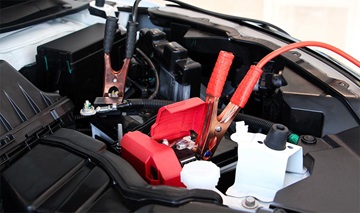
Jump-starting is quick. Find another car with a charged battery. Use jumper cables to connect both batteries. Ensure correct polarity. Positive to positive, negative to negative. Start the engine of the working car. Let it run for a few minutes. Start the engine of your car. The battery should charge.
Trickle charging is slow but safe. Use a trickle charger. It adds power slowly. Connect the charger to the battery. Leave it overnight or longer. This keeps the battery healthy. Check regularly. Make sure it doesn’t overcharge.
Precautions When Charging A Battery
Overcharging a battery can cause damage. Battery life reduces if overcharged. Use a charger with an automatic shut-off feature. This helps stop charging when the battery is full.
Check the battery’s voltage regularly. Keep an eye on the charging time. Most batteries need a few hours to charge. Read the instructions from the manufacturer. Follow them carefully.
Safety is very important when charging. Always charge in a well-ventilated area. This helps avoid gas build-up. Keep away from flames and sparks. Batteries can release gases that catch fire.
Wear gloves and eye protection. Batteries can leak acid. If acid touches skin, wash it off quickly. Keep the charging area clean and dry. Avoid placing metal objects near the battery.
Maintaining Battery Health
Car batteries need regular check-ups. Look for corrosion and leakage. These can harm the battery. Clean the terminals often. Use a brush for cleaning. Check the battery voltage. It must be within normal range. Low voltage means the battery might be weak.
Store the battery in a cool place. Avoid direct sunlight. Heat can damage the battery. Keep it dry. Moisture can cause rust. Disconnect the battery if not used. This saves its charge. Charge it every few weeks to keep it healthy.
Benefits Of Proper Battery Charging
Charging your car battery correctly gives it a longer life. Proper charging avoids damage to the battery. Overcharging or undercharging can harm the battery cells. This harm can reduce battery life. A well-maintained battery saves money. You won’t need to buy a new battery soon.
Batteries that are charged well work better. Good charging keeps the battery strong. A strong battery helps the car start quickly. It also helps the car’s lights and radio work fine. Proper charging makes the car run smoothly. Enjoy better trips with a charged battery.
Credit: www.interstatebatteries.com
Frequently Asked Questions
Will A New Car Battery Work Straight Away?
Yes, a new car battery works immediately after installation. Ensure it’s properly connected for optimal performance.
Does A Brand New Car Battery Come Charged?
Yes, a brand new car battery typically comes fully charged. It’s ready for installation and use immediately. Always check the charge level before installation for optimal performance.
Do I Need To Do Anything After Installing A New Battery?
Check battery connections and ensure they’re tight. Reset clock, radio presets, and electronic settings. Test battery performance.
What Happens When You Don’t Charge A New Battery?
A new battery, left uncharged, loses capacity over time due to chemical degradation. This reduces its lifespan significantly. It’s essential to charge new batteries to maintain optimal performance and longevity. Regular charging prevents deep discharge, which can permanently damage the battery cells.
Always follow manufacturer guidelines for best results.
Conclusion
Charging a new car battery can be beneficial. It’s not always necessary, though. Check the battery’s charge level first. New batteries often come pre-charged. Consult your car manual for guidance. This ensures your battery lasts longer. Remember, a properly charged battery boosts performance.
Avoiding unnecessary charges saves money too. If unsure, ask a professional for advice. They provide reliable insights. Always prioritize your car’s health. Proper maintenance avoids future issues. Keep your battery ready for any journey. A little care goes a long way.
Stay informed and drive safely.