Ford Window Sticker by VIN: How to Pull the Original Monroney Label
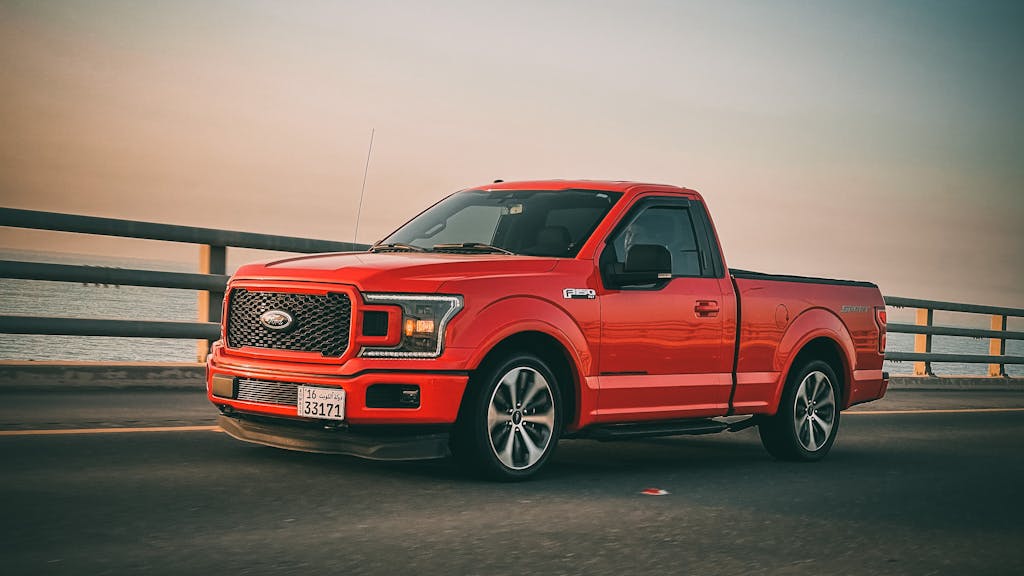
You found a used F-150 online. The price looks right, the photos look clean, but the seller’s description just says “loaded.” Loaded with what? You don’t know the original MSRP, you can’t tell if the tow package is real or an add-on, and the fuel economy rating on the listing seems optimistic. You need the original window sticker, but that piece of paper went in the trash years ago.
Good news: you can almost always pull it back up. Ford keeps records for most vehicles built after 1981, and the 17-character VIN is the key to unlocking that data. This guide walks you through the three ways to get your Ford window sticker by VIN, how to read the fine print like a dealership appraiser, and what to do when the sticker simply doesn’t exist anymore.

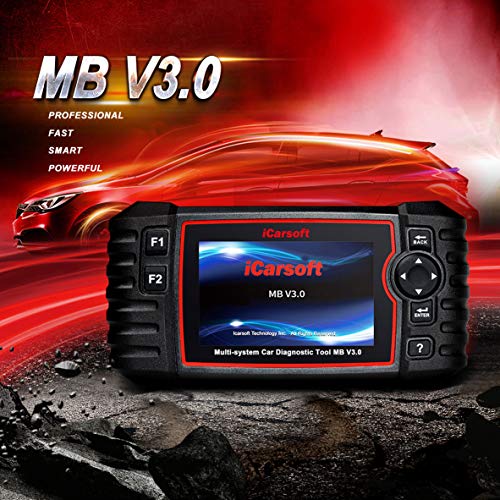
Diesel Laptops
Diesel Laptops Heavy Duty Truck Scanner with…
- Powerful and Cost-Effective - An essential heavy duty truck scanner designed for heavy duty truck owner-operators and small commer…
- Swift and Adaptable - This heavy duty truck scanner recognizes both diagnostic trouble codes (DTCs) and brand-specific error codes…
- Instant Repair Help - The diesel scan tool seamlessly connects to the Diesel Laptops comprehensive Diesel Repair Platform library…
You’ll also learn why the window sticker matters for more than just nostalgia, and how to spot a mismatch between the sticker and the actual truck in front of you.
If you’re buying a used heavy-duty truck for work, you might also want a diagnostic tool that reads more than just the check-engine light. The Diesel Laptops heavy duty truck scanner plugs into the diagnostic port and pairs with a smartphone app to pull trouble codes, run DPF regens on select models, and link to a repair database. It’s a separate investment, but it tells you what the window sticker can’t: the current health of the truck.
Why You Need Your Ford Window Sticker (Beyond Just MSRP)
The Monroney label — named after the senator who pushed for mandatory pricing disclosure — is more than a price tag. It’s the definitive record of how that vehicle left the factory. It lists the exact trim level, every factory option, the base MSRP, the destination charge, and the EPA fuel economy estimates.
Here’s why that matters when you’re shopping used:
- Fraud detection. A seller might claim a truck has the FX4 package. The window sticker proves it or calls the bluff.
- Value verification. Two identical-looking F-150s can differ by thousands in resale value based on a single option code.
- Insurance and registration. Some states use the original MSRP to calculate registration fees.
- Part compatibility. Knowing the exact factory options helps you order the right replacement parts.
A VIN decoder tells you the basics — engine, transmission, model year. The window sticker tells you everything else, including the color-matched bumpers and the $395 spray-in bedliner. They serve different purposes, and you’ll want both.
How to Get Your Ford Window Sticker by VIN – 3 Proven Methods
Not all methods work for every vehicle. Ford’s official tools cover most cars and trucks from the 1980s onward, but there are exceptions. Start with the free options, then escalate.
Method 1: Ford’s Official Owner Portal (Free)
This is the cleanest route. Ford maintains a digital archive of window stickers for vehicles built after 1981.
- Go to Ford’s owner website (owner.ford.com) and navigate to the “Vehicle” or “VIN Lookup” section.
- Enter the full 17-character VIN. You’ll find it on the driver’s side dashboard near the windshield, on the driver’s door jamb sticker, or on your registration documents.
- If the VIN is recognized, you’ll see a link to view or download the original window sticker as a PDF.
You don’t need to own the vehicle or have an account. Ford doesn’t restrict this to the original buyer. I’ve pulled stickers for a 1998 Ranger and a 2026 Mustang without logging in.
One caveat: the tool occasionally fails for fleet vehicles and early-80s models. If you get an error, move to the next method.
Method 2: Third-Party VIN Lookup Tools (Free)
Several independent sites pull the same Ford data and present it in a cleaner interface. Sites like thedailyautomotive.com and others offer a ford window sticker lookup that mirrors Ford’s own database.
These tools work well for quick checks, especially on a phone. The trade-off is that they sometimes show outdated or incomplete data for very new vehicles. Always cross-reference the results with Ford’s official portal when possible.
Some third-party sites charge for a “premium” report that includes vehicle history. Skip that. The window sticker itself is free; you don’t need to pay for it.
Method 3: Contacting Your Local Ford Dealership
When the online tools fail, the dealership’s parts department can help. They have access to the same OEM database, plus a few internal systems that the public portal doesn’t expose.
Call the parts or service desk, give them the VIN, and ask for a copy of the original window sticker. Most dealers will email you a PDF at no charge. A few might ask you to come in, but that’s rare.
Dealerships are busier than you’d think, so allow a day or two for a response. This method is also your best bet for Canadian-market Fords or export models that don’t show up in the US system.
How to Read Your Ford Window Sticker Like a Pro
Once you have the PDF, don’t just glance at the MSRP. The sticker is packed with details that most people skip.
Decoding the MSRP, Options, and Delivery Charges
The top section lists the vehicle’s base price — that’s the MSRP before any options. Below that, every factory-installed option appears with its individual price. These are grouped by category: mechanical, safety, convenience, and appearance.
Pay attention to the delivery charge. That’s the destination fee Ford charged to ship the vehicle from the assembly plant to the dealer. It’s not negotiable and it’s part of the total MSRP. On a 2026 F-150, that fee runs around $1,795. On a small car like a Maverick, it’s closer to $1,500.
The bottom of the sticker shows the total MSRP. That’s the number you want for value comparisons, not the base price.
Understanding the “Selling Dealer” and “Special Order” Fields
Most people miss these two lines. The “Selling Dealer” section lists the dealership that originally ordered the vehicle. If you see a dealer in a different state than where the car was sold, that’s a clue the vehicle was a dealer trade or a special order.
The “Special Order” field appears when a customer ordered the vehicle directly from the factory with specific options. This is common with trucks like the Bronco or Mustang. A special-order vehicle often has a unique combination of options you won’t find on dealer lot stock.
Here’s a practical tip: if you’re buying a used special-order truck, the original buyer likely waited months for it. That means they probably kept it longer and took better care of it. Not a guarantee, but a useful signal.
Ford VIN Decoder vs. Window Sticker – What’s the Difference?
A VIN decoder reads the 17-character vehicle identification number and returns basic specs: model year, assembly plant, engine type, transmission, and trim level. It’s fast and it’s free, but it’s shallow.
The window sticker goes deeper. It shows the exact factory options, the original paint color, the interior trim code, and the EPA fuel economy ratings. It also includes the vehicle’s order code and the build date, which a basic VIN decoder won’t give you.
Think of it this way: the VIN decoder tells you the truck has a 5.0L V8. The window sticker tells you it has the 36-gallon fuel tank, the tow package, and the 3.73 locking rear axle. If you’re trying to verify a seller’s claims, you need the sticker.
You can use both together. Run the VIN decoder first to confirm the basics, then pull the window sticker to verify the details. If they disagree — say, the decoder says the truck is a 4×2 but the sticker lists 4×4 — something is wrong. Walk away from that deal.
What to Do If Your Ford Window Sticker Is Unavailable
Sometimes the sticker just isn’t there. Ford’s database doesn’t cover every vehicle, and some older models fell through the cracks.
If the VIN is 17 characters but the sticker is missing, try these steps:
- Check the build sheet. A build sheet (also called a line-setting ticket) is the factory document that lists every part and option installed during assembly. It’s more detailed than the window sticker but harder to find. Some owners keep it in the glovebox or under the rear seat. You can also request a copy from Ford’s archives for a fee.
- Look for fleet vehicles. If the truck was originally sold to a commercial fleet, Ford may not have generated a standard window sticker. Fleet orders often have a simplified invoice instead. Your dealership can usually pull that.
- Check export models. Vehicles built for export to Canada or Mexico sometimes have different labeling requirements. The VIN will decode, but the window sticker might not be in Ford’s US system. Contact Ford of Canada or a Canadian dealer in that case.
- Use the door jamb label. Every Ford has a secondary label on the driver’s door jamb. It lists the GVWR, tire pressures, and paint codes. It won’t give you the MSRP, but it confirms the vehicle’s build specifications.
A build sheet and a window sticker aren’t the same thing. The window sticker is the consumer-facing price label. The build sheet is the factory’s internal parts list. For a serious restoration project or a rare model, you’ll want both.
Check for Open Recalls While You’re at It
Since you already have the VIN in front of you, spend two extra minutes checking for open recalls. Ford’s recall lookup tool on the same owner portal will show any outstanding safety campaigns for that specific vehicle.
This matters more than most buyers realize. A used truck with an open recall can be dangerous, and the dealer isn’t required to fix it before selling it in most states. You can bring the VIN to any Ford dealer and have the recall work done free, but you should know about it before you hand over money.
Use the same VIN you used for the window sticker. The recall check is free and takes less time than reading this article.
Frequently Asked Questions About Ford Window Stickers
Is the Ford window sticker lookup really free?
Yes. Ford’s official owner portal and most third-party lookup tools are completely free. The dealership might charge a small fee for a printed copy, but even that is usually waived. If a website asks for credit card information to show you a window sticker, close the tab.
Can I get a window sticker for a Ford older than 1981?
Probably not. Ford’s digital archive starts around 1981, and the physical stickers from earlier years rarely survived. For classic Fords, your best bet is the build sheet or the dealership’s historical records. Some enthusiast forums have scanned copies of original stickers from the 1960s and 1970s, but that’s hit-or-miss.
What if the VIN on the sticker doesn’t match the VIN on the dashboard?
Stop. Do not buy that vehicle. A mismatch means either the sticker is from a different car or the VIN plate has been tampered with. Both are serious red flags that could indicate theft or fraud. Run a vehicle history report and have a mechanic inspect the car before you go any further.
Does the window sticker show the original sale price or the dealer’s markup?
The window sticker shows the manufacturer’s suggested retail price — the MSRP. It does not show any dealer markup, like the infamous “market adjustment” fees that appeared during the pandemic. Those are added by the dealer and printed on a separate addendum sticker. If you see a dealer charging $10,000 over MSRP, that’s not on the Monroney label.
Can I get a window sticker for a Ford that was never sold in the US?
Export models are tricky. If the vehicle was built for Canada, Mexico, or another market, the US owner portal might not recognize it. Try the Canadian owner portal or contact a dealer in the country where the vehicle was originally sold. The VIN structure is the same, but the sticker format may differ.
Get Your Ford Window Sticker Now
You have the VIN, and you know the methods. Here’s what to do in the next ten minutes:
- Open Ford’s owner portal and enter your VIN. Download the PDF if it’s available.
- If that fails, run a VIN sticker lookup on a third-party tool to cross-check the data.
- Compare the sticker’s options and MSRP against the actual vehicle in front of you. Look for missing badges, swapped wheels, or mismatched interior trim.
- Run a recall check with the same VIN. Fix any open recalls at a dealer before you drive the car regularly.
- If the sticker is missing entirely, request the build sheet from Ford’s archives or a dealership parts department.
- Keep the PDF copy on your phone and in your email. You’ll need it for insurance disputes, resale value, or just to settle a bar argument about whether your truck really has the max tow package.
The window sticker is a small piece of paper, but it carries a lot of weight. A few minutes of digging can save you from overpaying for a truck that isn’t what the seller claims. That’s worth the effort.
Products related to this article
Sponsored / affiliate links. As an Amazon Associate I earn from qualifying purchases. I may earn additional commission from eligible campaigns.