How Automobiles Influence Modern Lifestyle Explained
Figuring out How Automobiles Influence Modern Lifestyle Explained can seem a bit tricky at first. Many people wonder about all the ways cars change how we live every single day. It can feel like a big topic to grasp.
But don’t worry! We’re going to break it down very simply, step by step. We’ll look at the everyday effects cars have on us, making it easy to see the big picture.
Get ready to learn how cars have reshaped our world in surprising ways.
The Ubiquitous Automobile A Foundation Of Modern Life
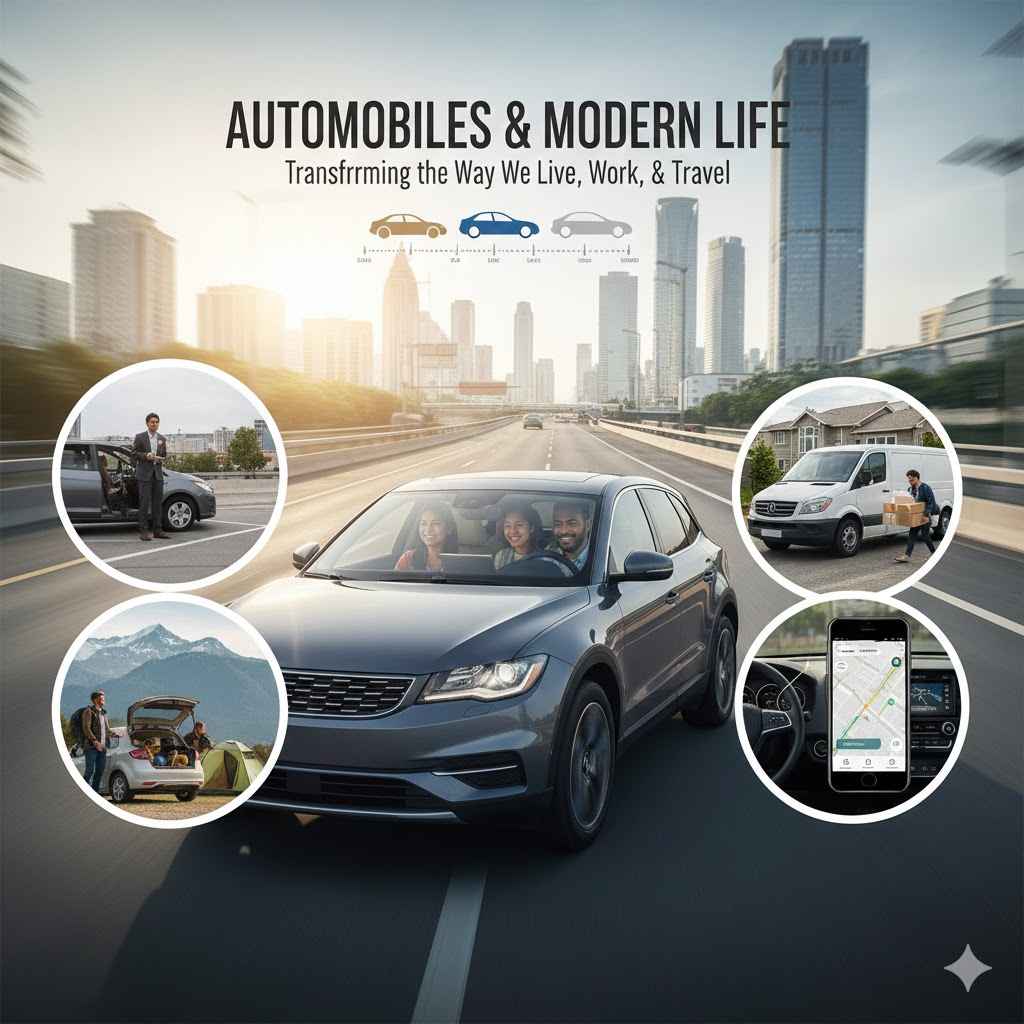
Automobiles are more than just machines that get us from one place to another. They are a fundamental part of how our modern world functions. From the jobs we do to the places we live and the way we spend our free time, cars have played a massive role in shaping our lifestyles.
This section explores the foundational influence of automobiles, looking at how their existence has made certain ways of living not just possible, but common.
The invention and widespread adoption of the automobile marked a revolution in personal mobility. Before cars, people were largely tied to where they could walk, ride a horse, or take public transport like trains or ships. This limited where they could live, work, and socialize.
Cars offered unprecedented freedom.
This freedom led to significant shifts. People could live further from their workplaces, leading to the growth of suburbs. This also changed how cities were planned and developed, with more space dedicated to roads and parking.
The ability to travel easily also fostered tourism and recreation.
The economic impact is also huge. The automotive industry itself is a major employer, and it supports many other industries, from oil and gas to manufacturing and repair services. The convenience of personal transport has influenced consumer habits and expectations.
Consider how weekend trips were not as common before cars. Families could now easily visit distant relatives or explore national parks for a day or two. This shift in leisure activities is a direct result of automotive influence.
Freedom And Flexibility Of Travel
The most apparent way cars influence our lives is by giving us unmatched freedom and flexibility. We can decide when and where we want to go, without relying on set schedules for public transport. This independence allows for spontaneous trips and makes everyday errands much simpler.
This flexibility is key to modern work-life balance. People can commute to jobs that might be many miles away. They can also pick up children from school or attend appointments without major planning hurdles.
The sense of personal control over one’s travel is a major benefit. It allows for a lifestyle that is less dictated by external constraints and more aligned with individual needs and desires. This freedom is something many people simply take for granted today.
Suburbanization And Urban Sprawl
The rise of the automobile is closely linked to the growth of suburbs and what is often called urban sprawl. Before cars, most people lived and worked in the same area or within easy walking distance. Cars allowed people to move to areas further away from city centers.
This led to the development of residential neighborhoods that were not located near jobs or city amenities. It created a pattern of development where homes are spread out over large areas. This pattern requires people to drive for almost all their daily activities.
The visual landscape of many towns and cities changed dramatically. Shopping malls, large parking lots, and wide roads became common features. This spread-out development has implications for land use, transportation efficiency, and community design.
For instance, a common scenario is someone living in a suburban home, driving their car to a grocery store in a strip mall, and then driving to a park. This entire day of activity is structured around car travel, showcasing how suburban living depends on automobiles.
Impact On The Economy And Jobs
The automotive sector is a massive global industry. It directly employs millions of people in manufacturing, design, sales, and mechanics. Indirectly, it supports countless other jobs in related fields like fuel production, road construction, and insurance.
The economy benefits from the sale of vehicles and the ongoing expenses associated with car ownership. This includes fuel, maintenance, repairs, and taxes. These expenditures circulate money throughout the economy.
A key statistic highlights this impact: The automotive industry and its related sectors contribute trillions of dollars to the global GDP annually. This shows how central cars are to our economic well-being.
How Automobiles Influence Modern Lifestyle Explained Personal Freedom And Social Life
The influence of automobiles extends deeply into our personal lives and how we interact with each other. Cars have redefined social opportunities, allowing for greater connection and participation in a wider range of activities. This section will explore these effects, showing how personal freedom gained through driving impacts our relationships and social fabric.
We will look at how car ownership itself affects our daily routines and social interactions.
The ability to travel easily has made it simpler to maintain relationships with friends and family who live far away. It allows for more frequent visits and participation in social events. This ease of connection helps strengthen social bonds.
Furthermore, cars facilitate participation in a variety of social activities. People can easily attend concerts, sporting events, or visit new restaurants in different parts of a city or region. This broadens social horizons and offers more opportunities for enjoyment and connection.
The car itself can also become a social space. Road trips, for example, often involve spending significant time with passengers, fostering bonding and shared experiences.
Expanded Social Circles And Relationships
Cars provide the means to overcome geographical barriers that once limited social interactions. This has allowed people to form friendships and romantic relationships with individuals outside their immediate neighborhood. It also makes it easier to stay in touch with people who move away.
The ease of travel means that social gatherings are less constrained by location. People are more likely to attend events if they know they can easily drive there and back. This boosts social participation.
The ability to meet new people also contributes to personal growth and a broader understanding of the world. These connections enrich individual lives and create a more dynamic social environment.
Think about how dating apps have become popular. While not directly car-related, the ease of meeting someone you met online, often across town or even in a neighboring city, is heavily reliant on personal transportation. This expands potential partner pools significantly.
Leisure Activities And Recreation
Our leisure time is heavily shaped by the automobile. Cars enable us to pursue a wide array of recreational activities that would otherwise be inaccessible. This includes visiting parks, beaches, hiking trails, or attending events in distant locations.
The concept of a “weekend getaway” is largely dependent on cars. Families and individuals can easily plan short trips to explore new places or revisit favorite spots. This promotes relaxation and provides opportunities for new experiences.
The freedom to spontaneously decide to go somewhere is a big part of this. A sunny day might prompt a drive to the coast, or a desire for nature might lead to a visit to a national park. These spontaneous adventures are hallmarks of car-dependent lifestyles.
For example, many people in suburban areas drive to a local park for sports like soccer or baseball. Without cars, organizing these community sports leagues would be much harder for families who live farther away from the fields.
Impact On Family Life And Daily Routines
Family life is significantly altered by automobile use. Parents often spend considerable time driving children to school, sports practices, and extracurricular activities. This creates a constant rhythm of transit in many households.
This car dependency can impact how families structure their days. It influences meal times, homework schedules, and even how much downtime children have. The car becomes an extension of the family’s routine.
The car also serves as a mobile space for family interactions. Conversations happen during commutes, and family outings are often centered around the vehicle. This integration of cars into family life is profound.
A typical family might spend an average of 1.5 hours per day in their car for commuting, school runs, and errands. This statistic underlines the significant time investment cars demand from family life.
How Automobiles Influence Modern Lifestyle Explained Infrastructure And Urban Planning
The way our cities and towns are built is a direct reflection of the automobile’s influence. Infrastructure development has been profoundly shaped by the need to accommodate cars. This section explores the visible impact of cars on our built environment, focusing on roads, parking, and the design of public spaces.
We will see how urban planning has been molded by automotive needs.
The most obvious impact is the vast network of roads, highways, and bridges. These structures are essential for enabling widespread car travel. Their construction has reshaped landscapes and dictated how communities are connected.
Parking is another critical element. Cities and commercial areas dedicate significant space to parking lots and garages. This land use is a direct consequence of requiring vehicles to be stored when not in use.
The design of public spaces has also adapted. Sidewalks may be narrower in car-centric areas, and pedestrian zones might be less common or less accessible.
Consider the extensive highway systems that connect cities. These were built to allow for faster travel between metropolitan areas, enabling people to live in one city and work in another.
Road Networks And Transportation Systems
The development of extensive road networks, from local streets to major highways, is a cornerstone of the automobile’s influence. These systems are designed to facilitate the efficient movement of vehicles. They are crucial for commerce, commuting, and personal travel.
The design of these roads considers factors like traffic flow, speed limits, and safety. This has led to wide, paved surfaces, traffic signals, and overpasses. The scale of these networks is a testament to how central cars are to our transportation.
The efficiency of these systems is vital for the economy. Businesses rely on trucks and delivery vans to move goods. Commuters rely on roads to get to work.
A breakdown in this network can have significant economic consequences.
A prime example is the construction of the Interstate Highway System in the United States, initiated in the 1950s. This massive project connected the entire country with high-speed roads, revolutionizing travel and commerce.
Parking And Land Use
The need for parking is a major driver of land use patterns, especially in urban and suburban areas. Buildings often include integrated parking facilities, and large portions of commercial districts are dedicated to parking lots. This demand for parking influences urban design.
This allocation of space for parking has significant implications. It can reduce the amount of land available for housing, green spaces, or businesses. It also contributes to the spread-out, less walkable nature of many car-dependent communities.
The visual impact of vast parking lots can also affect the aesthetic appeal of a place. They can create disconnected areas and reduce the sense of community or pedestrian activity.
In many cities, zoning laws mandate a certain number of parking spaces per building. This ensures that drivers have places to park but can also lead to an oversupply of parking and inefficient land use.
Urban Design And Public Spaces
Automobiles have reshaped how cities are designed and how public spaces are utilized. The emphasis on car movement has often led to urban layouts that prioritize vehicles over pedestrians. This can affect walkability and the livability of urban environments.
Public spaces, like parks and town squares, are often designed with car access and parking in mind. This can lead to them being less inviting or accessible to people on foot. The presence of busy roads can also create barriers within communities.
Efforts to create more pedestrian-friendly cities often involve redesigning streets, creating car-free zones, or improving public transit. These initiatives aim to reclaim public space for people rather than just cars.
Consider how some historic city centers have implemented policies to restrict car traffic. This allows for more pleasant walking experiences and encourages local businesses by increasing foot traffic.
Impact On The Environment And Health
The widespread use of automobiles has significant environmental and health consequences. The burning of fossil fuels for transportation is a major source of air pollution and greenhouse gas emissions. This section explores these negative effects and looks at potential solutions.
We will see how cars impact the planet and our well-being.
Air pollution from vehicle exhaust contributes to respiratory problems and other health issues. It also plays a role in climate change, with long-term global consequences.
Beyond direct emissions, car manufacturing processes also consume resources and generate waste. The disposal of old vehicles also presents an environmental challenge.
However, advancements in technology and policy changes are aiming to mitigate these impacts. The rise of electric vehicles and stricter emission standards are steps towards a more sustainable future.
Air Pollution And Climate Change
Vehicle emissions are a significant contributor to air pollution in urban areas. Pollutants like nitrogen oxides and particulate matter can cause respiratory illnesses, heart disease, and other health problems. Cars also release carbon dioxide, a major greenhouse gas that drives climate change.
The concentration of vehicles on roads leads to a direct and substantial impact on air quality. This is especially true in densely populated areas where traffic congestion is high. The effects are felt locally and globally.
The long-term consequences of climate change, such as rising sea levels and extreme weather events, are partly fueled by transportation emissions. This makes reducing reliance on fossil fuel-powered cars a global priority.
Statistics show that the transportation sector is one of the largest sources of greenhouse gas emissions in many countries, often accounting for over 25% of total emissions. This highlights the scale of the problem.
Noise Pollution And Quality Of Life
The constant presence of automobiles generates significant noise pollution. The sound of engines, horns, and tire friction can be disruptive and negatively affect the quality of life for people living or working in busy areas.
Prolonged exposure to high levels of noise can lead to stress, sleep disturbances, and other health issues. It can also diminish the enjoyment of outdoor spaces and reduce the overall peace and quiet of a community.
Urban planning that attempts to mitigate noise pollution often involves creating buffer zones, using sound-absorbing materials, or designing quieter road surfaces.
Consider how living near a major highway can significantly reduce the peacefulness of a home. The continuous hum of traffic can intrude on daily life, impacting relaxation and concentration.
Health Risks Associated With Driving
While cars offer convenience, they also pose health risks. Besides pollution exposure, sedentary lifestyles encouraged by driving can lead to obesity, cardiovascular problems, and other chronic diseases. Accidents are also a major cause of injury and death worldwide.
The lack of physical activity during commutes and daily errands contributes to a decline in overall public health. When most travel is done by car, opportunities for exercise are reduced.
Road safety is another critical health concern. While vehicles have become safer, the sheer volume of cars on the road means that accidents remain a significant cause of mortality and morbidity.
A stark reality is that road traffic injuries are a leading cause of death for young people globally. This underscores the life-or-death importance of road safety measures and responsible driving.
The Future Of Automobiles And Modern Lifestyles
The world of automobiles is constantly changing, and these shifts will continue to influence how we live. From new technologies to evolving attitudes about car ownership, the future promises further evolution. This section looks ahead, considering how future developments might reshape our lifestyles.
We will explore emerging trends and their potential impact on our daily lives.
Electric vehicles (EVs) are already becoming more common, promising cleaner air and reduced reliance on fossil fuels. Autonomous driving technology could also fundamentally change the experience of being in a car.
Furthermore, the idea of shared mobility services, like ride-sharing and car-sharing, is gaining traction. This could reduce the need for individual car ownership for many people.
These changes suggest a future where automobiles are smarter, cleaner, and more integrated into a broader transportation ecosystem. The way we interact with vehicles and how they fit into our lives will likely transform.
Electric Vehicles And Sustainability
Electric vehicles represent a significant shift towards sustainability in transportation. EVs produce zero tailpipe emissions, which directly improves air quality in cities and reduces the carbon footprint of personal travel.
As battery technology improves and charging infrastructure expands, EVs are becoming a more practical and affordable option for consumers. This transition is crucial for meeting climate goals and creating healthier living environments.
The shift to EVs also impacts the energy sector, requiring more electricity and necessitating investments in renewable energy sources to ensure a truly green transportation system.
A hopeful statistic is that the global market share for electric vehicles has been growing steadily, with projections indicating they will form a substantial portion of new car sales in the coming decade.
Autonomous Driving And Its Implications
Autonomous driving technology, also known as self-driving cars, has the potential to revolutionize transportation. These vehicles can operate without human intervention, which could lead to increased safety by reducing human error.
The implications for daily life are vast. Commutes could become more productive or relaxing, as passengers could work, read, or sleep. For the elderly or disabled, autonomous vehicles could offer unprecedented independence.
However, challenges remain, including developing reliable technology, establishing clear regulations, and addressing ethical considerations. The widespread adoption of self-driving cars will likely be a gradual process.
The Rise Of Shared Mobility
Shared mobility services, such as ride-sharing platforms and car-sharing programs, are changing the paradigm of personal transportation. These services allow people to access vehicles when they need them, rather than owning one outright.
This trend can lead to fewer cars on the road, reduced traffic congestion, and a more efficient use of resources. It offers a flexible and often more cost-effective alternative to traditional car ownership, particularly in urban areas.
Shared mobility also encourages a more integrated approach to transportation, often working alongside public transit to provide seamless door-to-door solutions.
Consider how a city that promotes bike-sharing, ride-sharing, and efficient public transport might see a significant decrease in private car ownership among its residents. This reflects a shift towards mobility as a service.
Frequently Asked Questions
Question: How do cars affect the environment?
Answer: Cars significantly impact the environment by releasing air pollutants and greenhouse gases that contribute to climate change and smog. They also require resources for manufacturing and contribute to noise pollution.
Question: What is urban sprawl?
Answer: Urban sprawl is the outward expansion of cities into surrounding rural areas, often characterized by low-density development that relies heavily on car transportation.
Question: Are electric cars better for the environment?
Answer: Electric cars produce zero tailpipe emissions, which improves local air quality. Their overall environmental benefit depends on how the electricity used to charge them is generated.
Question: How has the car changed social life?
Answer: Cars have expanded social circles by making it easier to visit friends and family who live far away and enabling participation in a wider range of social events and activities.
Question: What is autonomous driving?
Answer: Autonomous driving refers to vehicles that can operate and navigate without human input, using sensors and artificial intelligence to drive themselves.
Wrap Up
Automobiles have fundamentally reshaped modern life, offering unparalleled freedom and convenience. From enabling suburban living and boosting economies to influencing social interactions and the design of our cities, their impact is vast. While environmental challenges exist, emerging technologies like electric and autonomous vehicles promise to redefine our relationship with cars for a more sustainable and connected future.