Auto Sound Technology: What Has Changed in OEM Audio
Modern auto sound now depends on software, DSP tuning, microphone-based noise control, and smartphone integration as much as speakers and amplifiers. Check the head unit, amplifier, and speaker layout together before you buy. Skip that step, and an upgrade can sound worse than the factory system. This guide explains what changed in OEM audio, which changes are real improvements, and what to verify before you buy or retrofit.
What changed in auto sound, really?


Auto sound moved from a simple radio to a software-managed cabin system. Hardware still matters, but the head unit now coordinates phones, microphones, vehicle speed data, noise control, and sound tuning. Drivers notice fewer cables, more app control, and more variation from one trim level to the next.
How the head unit changed from radio to control center
Vehicle audio began with a simple AM radio until the 1950s, then FM radio was added in 1952. Later systems added 8-track, cassette, CD, DVD, and Blu-ray players, but the modern car audio head unit is closer to a media hub than a tuner.
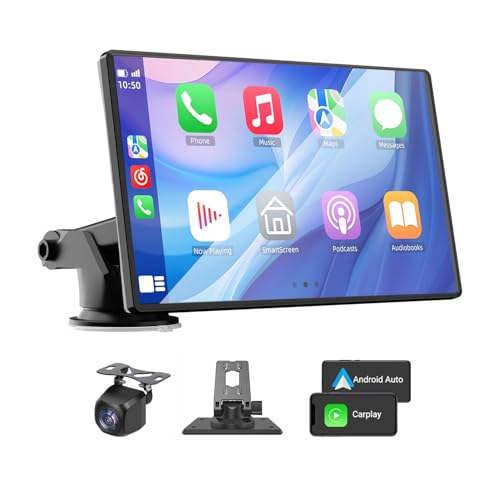
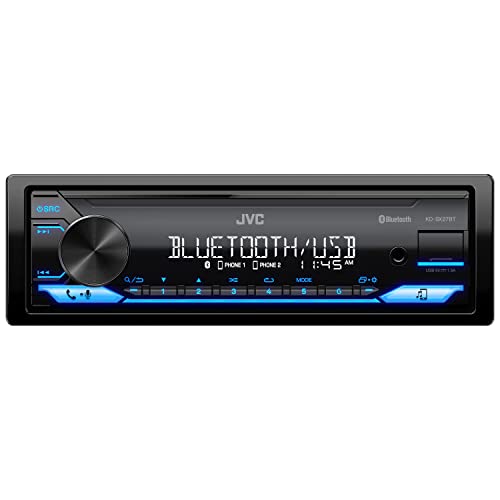
Today’s units commonly support Bluetooth and USB, and many also support phone integration features such as Apple CarPlay or Android Auto; some systems are controlled by steering wheel controls and voice commands. That shift matters because the head unit now decides not only what you hear, but also how audio gets into the car in the first place.
Why software now matters as much as hardware
Modern vehicle audio systems may use digital signal processing, active noise control, and digital bus networks. Some systems also use optical cables. That means tuning is no longer limited to speaker size or amplifier wattage; software can change equalization, time alignment, channel balance, and how the system reacts to cabin conditions.
A factory system may sound different after a software update, a profile change, or a phone handoff. The speaker itself did not change, but the signal path did.
What drivers notice first in daily use
Most drivers notice convenience before sound quality. Phones connect faster, calls route through the car, navigation voice prompts can interrupt music cleanly, and wheel buttons reduce menu diving. Then the next thing they notice is that two cars with similar speaker counts can sound very different because their cabins and tuning are different.
Suppose a compact SUV has six speakers but a carefully tuned DSP curve, while a larger sedan has eight speakers and poor front-stage placement. The smaller SUV may sound clearer from the driver’s seat.
Why your sound changes by itself
Sound often changes by itself because the system is switching sources, profiles, or processing modes behind the scenes. Bluetooth handoff, app behavior, Dolby-style or surround presets, vehicle drive modes, active noise control, and phone settings can all alter volume, balance, or tone without a visible hardware fault.
Source switching, app behavior, and phone handoff
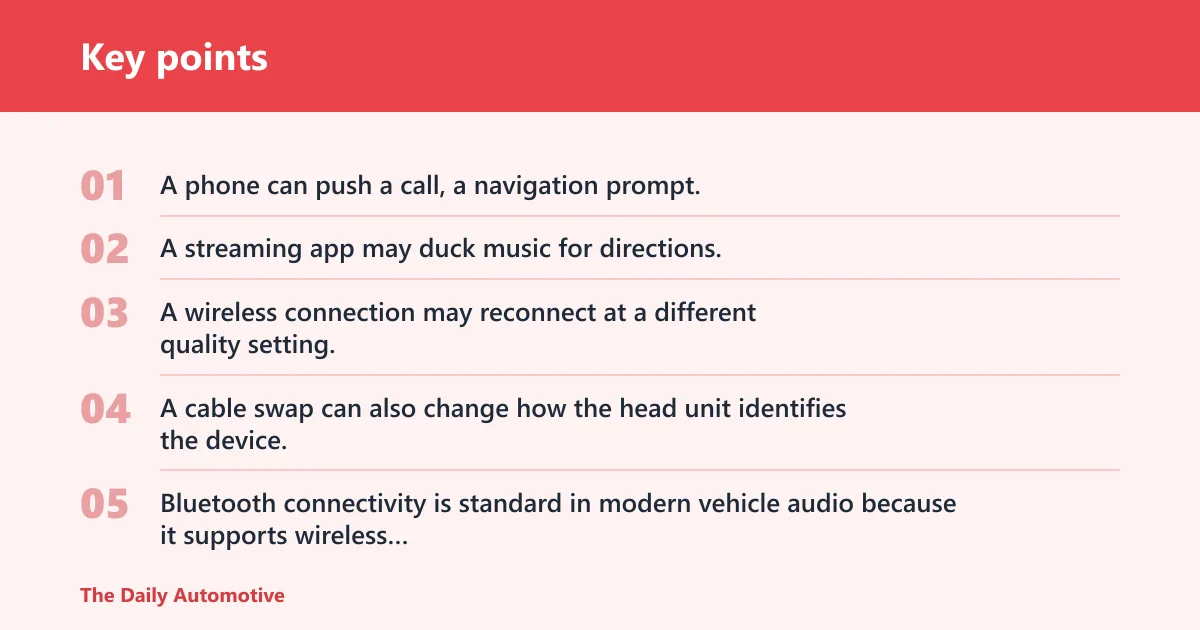
A phone can push a call, a navigation prompt, or an audio stream through different paths in the same drive. A streaming app may duck music for directions. A wireless connection may reconnect at a different quality setting. A cable swap can also change how the head unit identifies the device.
Bluetooth connectivity is standard in modern vehicle audio because it supports wireless streaming and hands-free calling instead of older auxiliary setups. That convenience also creates more points where the system can renegotiate audio settings.
DSP presets and vehicle profiles
Digital signal processing is used for sound tuning in modern systems, and it is software-adjustable rather than hardware-only. Some vehicles store separate settings for driver-focused listening, rear-seat balance, phone calls, or parking-camera audio priority. A profile change can make music seem brighter, thinner, or quieter.
Active noise control and cabin-mode changes
Vehicle audio now includes active noise control to reduce road and engine noise. It often works with cabin insulation. If the car changes drive mode, speed, tire noise, or HVAC load, the control system may alter its output, and that can make the music seem to shift even though the playlist stayed the same.
What DSP and cabin acoustics changed
DSP and cabin acoustics changed how sound is shaped before it reaches your ears. Modern systems can correct some frequency response problems, but they cannot fully overcome poor speaker placement, heavy road noise, or a cabin full of reflective hard surfaces. The car itself is part of the audio chain now.
Frequency response correction in modern systems
DSP can reduce harshness, tame boomy bass, and improve left-right balance. It can also time-align speakers so sound arrives more evenly at the driver’s seat. Pioneer’s high-resolution audio claims and similar premium-system messaging usually point to this kind of tuning, not magic hardware.
Speaker placement and cabin reflections
Speaker location matters more than brochure language suggests. A tweeter aimed at the windshield, a midrange buried low in the door, or a rear speaker that fires into cargo space will all affect staging. Modern systems may use more channels, but placement still shapes clarity.
Road noise, insulation, and perceived clarity
Cabin insulation changes what you hear by changing what gets masked. If road noise drops, mids and vocals seem cleaner at the same volume. If tire roar rises on coarse pavement, owners may blame the speakers when the real issue is the cabin environment.
A common first-timer mistake is replacing speakers before fixing a door panel rattle, missing foam seal, or weak factory tweeter placement. The upgrade then seems disappointing because the noise floor never improved.
Are CarPlay and Android Auto the real upgrade?
CarPlay and Android Auto are often the most useful upgrades because they change the software layer drivers touch every day. They bring navigation, calls, messages, and audio apps into the dashboard, but they do not automatically improve speaker quality. Their value depends on compatibility, connection type, and the rest of the audio chain.
What each platform does for navigation, calls, and audio apps
Apple CarPlay and Android Auto are smartphone integration platforms. Both can support navigation, calls, and audio apps, and both are available in wired and wireless versions in many setups. They can reduce distraction because the car presents phone functions through a familiar interface rather than a separate handset screen.
Wireless and wired tradeoffs
Wired versions are usually more consistent and can charge the phone at the same time. Wireless versions remove the cable, but they can add pairing delays, dropouts, or battery drain. If a vehicle or phone has marginal wireless stability, wired use is often the cleaner choice.
Compatibility checks before you upgrade
Before buying a head unit or retrofit module, check phone model support, factory amplifier compatibility, steering-wheel control retention, backup camera support, and whether the car needs a data interface. A unit that loses vehicle settings, warning chimes, or climate-screen functions can be a downgrade in practice.
- Confirm whether the car uses a factory amplifier or an amplified premium package.
- Verify wired and wireless CarPlay or Android Auto support for your phone.
- Check whether steering-wheel controls need an adapter.
- Confirm backup camera and parking-sensor integration.
- Ask how the system handles factory chimes, alerts, and active noise control.
Old system vs modern system vs owner impact
The practical difference between old and modern vehicle audio is not just louder speakers or more apps. The biggest change is where the logic lives: hardware dominated earlier systems, while modern systems split the work between hardware, software, and regulation. Use the table below to separate true gains from marketing.
| System era | Source of change | What drivers actually notice | Owner impact | What to inspect before upgrading |
|---|---|---|---|---|
| AM/FM radio with simple speakers | Hardware | Basic station listening, limited tone control | Simple, durable, little integration | Speaker condition, antenna, dash fit |
| CD, cassette, and auxiliary era | Hardware | Cleaner playback, physical media swaps, wired phone adapters | More source options, still cable-heavy | Disc mechanism, aux jack noise, adapter quality |
| Bluetooth and smartphone era | Software + hardware | Hands-free calling, streaming, fewer cables | Convenience rises, compatibility matters more | Bluetooth version support, codec stability, mic placement |
| CarPlay / Android Auto systems | Software + hardware | Maps, calls, media apps, voice control | Phone becomes part of the car interface | Wired vs wireless support, USB quality, phone OS updates |
| DSP, active noise control, premium tuning | Software + hardware | Cleaner vocals, reduced road noise, more stable imaging | Sound changes with profiles and vehicle conditions | Factory amp behavior, cabin trim, software settings |
| EV acoustic and warning systems | Regulation + software | Artificial engine note or pedestrian warning sound | Safety compliance, brand character, possible preference conflict | Legal requirements, disable options, volume behavior |
What is changing in premium systems and EVs?
Premium systems and EVs are pushing auto sound beyond playback. Spatial and 3D audio aim for a wider sound stage and better separation, while EV sound design adds synthetic engine sound or pedestrian warning sounds because there is no traditional engine note to rely on. Regulation now shapes both safety and the listening experience.
Spatial and 3D audio
Spatial or 3D audio can create a wider sound stage and more instrument separation, and it is often found in higher-end systems. Alpine’s 3D sound, for example, is described as creating an immersive listening experience in 2025 materials. The driver may hear better depth, but the effect depends on seat position and source mastering.
Do not assume every passenger will hear the same result. These systems are tuned for a specific cabin and seating layout, so the driver seat may benefit more than the rear row.
Synthetic engine sound and pedestrian warning sounds
Synthetic engine sound is used in EVs and some sporty vehicles to augment or replace natural engine noise. It can respond to regulations, brand identity, or driver preference. Some 2025 system descriptions also point to next-generation noise cancellation that monitors and counteracts external noise, which shows how much vehicle audio now overlaps with safety and comfort engineering.
Pedestrian warning sounds are a separate safety issue. EVs are quiet at low speed, so sound generators help alert people outside the car. That is regulation-driven audio, not entertainment audio. (en.wikipedia.org)
Noise limits, AM radio, and what changes next
Noise limits and cabin quieting pressure engineers to tune systems more carefully. In 2023, Ford announced plans to discontinue AM radio in new vehicles starting with 2024 model year, which brought attention to reception, emergency information, and the role of legacy broadcast radio. Some 2026 systems also claim Bluetooth 6.0 connectivity, cabin-acoustics analysis, and vehicle-speed awareness, but those are feature claims that still need careful verification at the trim level. (en.wikipedia.org)
How has music technology changed over time
Music technology changed from physical playback toward streamed, app-based, and voice-controlled listening. In cars, that meant a move from station tuning and discs to synced phones, playlists, podcasts, and cloud libraries. The vehicle stopped being a passive receiver and became one endpoint in a larger media system.
What changed the most for drivers
The biggest shift is access. A driver can move from FM to streaming in seconds, resume a podcast mid-episode, or switch navigation and music without touching the phone. That convenience is real, but it depends on software health, mobile data, and phone compatibility.
What can change the speed of sound
In a car cabin, the speed of sound itself changes only with the medium and temperature, not with EQ or speaker brand. What most drivers call a change in sound speed is usually a change in timing, echo, masking, or processing delay. DSP and cabin geometry alter perception far more than the physics of air in the cabin.
How to judge OEM audio vs aftermarket upgrades
Start by deciding whether you want a source upgrade, a tuning upgrade, or a speaker-and-amp upgrade. OEM systems often win on integration, while aftermarket systems can win on component quality and tuning control. The wrong mix can break factory functions, create distortion, or make wireless features flaky.
Common failure cases to watch for
Distorted sound often comes from clipping, weak amplifier headroom, or a mismatched impedance load. Incompatible phones can break wireless CarPlay or Android Auto. Poor tuning can make bass bloated or vocals harsh. Some upgrades also disable warning chimes, active noise control, or steering-wheel controls if the interface is chosen badly.
Picture a driver replacing a factory head unit in a late-model sedan, then finding the reverse camera still works but the parking chime is faint and Bluetooth drops every few minutes. That is not a speaker problem. It is an integration problem.
- Identify the factory system type: base, amplified, premium, or EV-specific.
- List every feature you want to keep: camera, chimes, wheel buttons, ANC, phone projection.
- Check whether the upgrade affects the factory amp or signal processing.
- Match the head unit, DSP, and speakers to the cabin, not the brochure.
- Plan for software updates, phone changes, and future cable standards.
Frequently asked questions
what causes sound to change
Sound changes when the source, processing, or cabin conditions change. In cars, that can mean Bluetooth handoff, a different app, a DSP preset, active noise control, or a new volume curve tied to speed or drive mode. Speaker placement and road noise also shape what the listener perceives.
why does my audio change by itself
Audio can seem to change by itself because the car or phone is switching modes in the background. Common causes include a call interrupting music, a wireless reconnect, a navigation prompt, a profile change, or active noise control adjusting output as speed or cabin noise changes.
why does my sound keep changing
Sound keeps changing when the system keeps re-evaluating the input path or tuning profile. That can happen with wireless Android Auto or CarPlay, multiple audio apps, low-quality USB cables, or factory systems that use speed-based equalization and cabin-noise compensation.
why does my audio keep changing
Audio keeps changing for the same reason sound does: the system is dynamic now. Modern vehicle audio can blend navigation, calls, streaming, and vehicle alerts, and each source can use different processing. If the change is sudden, check phone settings, vehicle profiles, and amp or head-unit firmware.
what is the best automotive sound deadening
The best automotive sound deadening is the treatment that targets the actual noise path in your car. Door skins, floor panels, wheel wells, and trunk lids need different materials and approaches. The right choice depends on whether the main problem is road roar, panel resonance, or airborne noise.
Products related to this article
Sponsored / affiliate links. As an Amazon Associate I earn from qualifying purchases. I may earn additional commission from eligible campaigns.