How Long Can a Car Run Without Transmission Fluid: Critical Limits Revealed
Have you ever wondered what happens if your car runs without transmission fluid? You might think it’s no big deal, but the truth is, your transmission needs this fluid to work smoothly.
Without it, your car could face serious damage fast. If you want to protect your vehicle and avoid costly repairs, understanding how long your car can run without transmission fluid is crucial. Keep reading to discover the signs to watch for and what you should do if you find yourself in this situation.
Your car’s health depends on it.
Role Of Transmission Fluid
Transmission fluid plays a vital role in keeping a car’s transmission system working smoothly. This fluid helps the transmission parts move without friction and prevents overheating. It also supports the hydraulic system that controls gear shifts. Without enough transmission fluid, the car can face serious problems fast.
Lubrication And Cooling
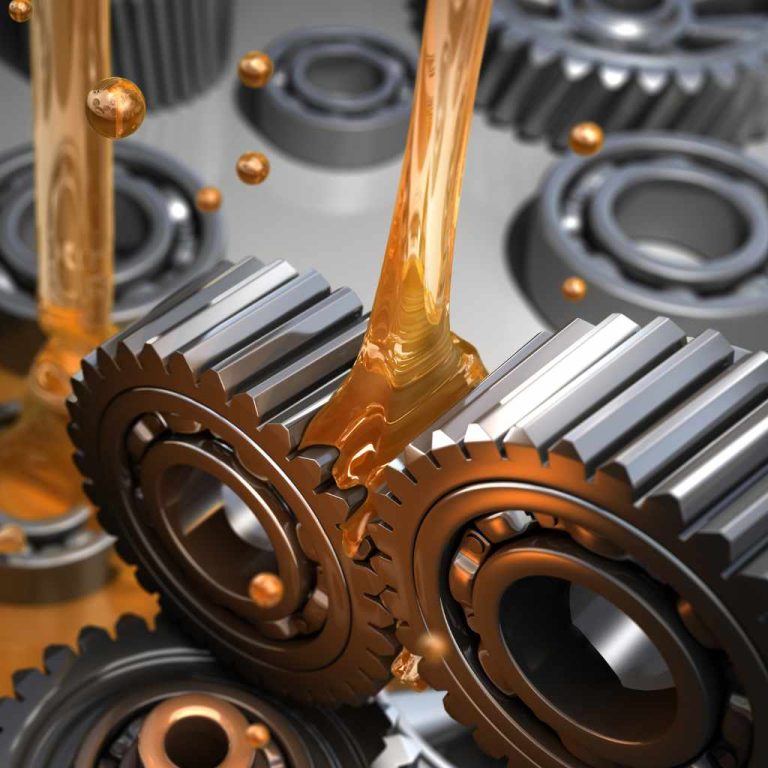
Transmission fluid acts like oil for the transmission parts. It lubricates gears and other moving components. This lubrication reduces friction and stops parts from wearing out quickly. The fluid also carries heat away from the transmission. This cooling effect prevents the system from overheating and breaking down.
Hydraulic Functions
The transmission uses fluid to create hydraulic pressure. This pressure controls gear changes smoothly and precisely. Without enough fluid, the transmission cannot shift gears properly. Poor shifting can lead to slipping or jerking, causing unsafe driving conditions.
Preventing Wear And Tear
Transmission fluid forms a protective layer on metal parts. This layer stops metal surfaces from grinding against each other. It reduces damage and extends the life of the transmission. Clean and sufficient fluid helps avoid costly repairs and keeps the car running longer.
Signs Of Low Or No Transmission Fluid
Transmission fluid is vital for your car’s smooth operation. Without enough fluid, the transmission struggles to work properly. This can cause serious damage to your vehicle. Knowing the signs of low or no transmission fluid helps you act quickly. Catching these signs early can save costly repairs and keep your car running longer.
Unusual Noises
Low transmission fluid often causes strange sounds. You may hear whining, buzzing, or clunking noises. These sounds come from metal parts rubbing without enough lubrication. Ignoring these noises can lead to severe damage.
Gear Slipping
When transmission fluid is low, gears may slip unexpectedly. Your car might change gears without warning or lose power. Slipping gears make driving unsafe and can damage the transmission further.
Delayed Engagement
Delayed engagement means the car takes time to move after shifting into gear. This delay happens when fluid levels are too low to operate the transmission properly. It can cause jerky starts and a rough driving experience.
How Long A Car Can Run Without Fluid
Knowing how long a car can run without transmission fluid helps avoid costly repairs. Transmission fluid keeps the transmission parts cool and lubricated. Without it, the transmission can overheat and fail quickly. The time a car can run without this fluid varies. It depends on driving conditions and the type of transmission. Some cars might stop within minutes. Others may last a bit longer but still risk serious damage.
Immediate Effects
Without transmission fluid, shifting gears becomes rough and noisy. The transmission may slip or hesitate to engage. Heat builds up fast, causing metal parts to grind. Warning lights on the dashboard might turn on. The car may lose power or stall suddenly. These signs mean the fluid level is critically low or empty.
Short-term Operation Limits
A car can run for a few minutes without transmission fluid. Driving even short distances causes wear and tear. The transmission parts rub against each other without lubrication. Heat increases, leading to metal damage. Continuing to drive risks complete transmission failure. It is best to stop the car as soon as possible.
Long-term Damage Risks
Running a car without transmission fluid causes severe damage. The transmission can overheat and seize up. Gears and bearings wear out fast without protection. Repair costs rise and may lead to total replacement. The car’s performance drops, and fuel efficiency lowers. Avoid driving without fluid to prevent expensive repairs.
Consequences Of Running Without Fluid
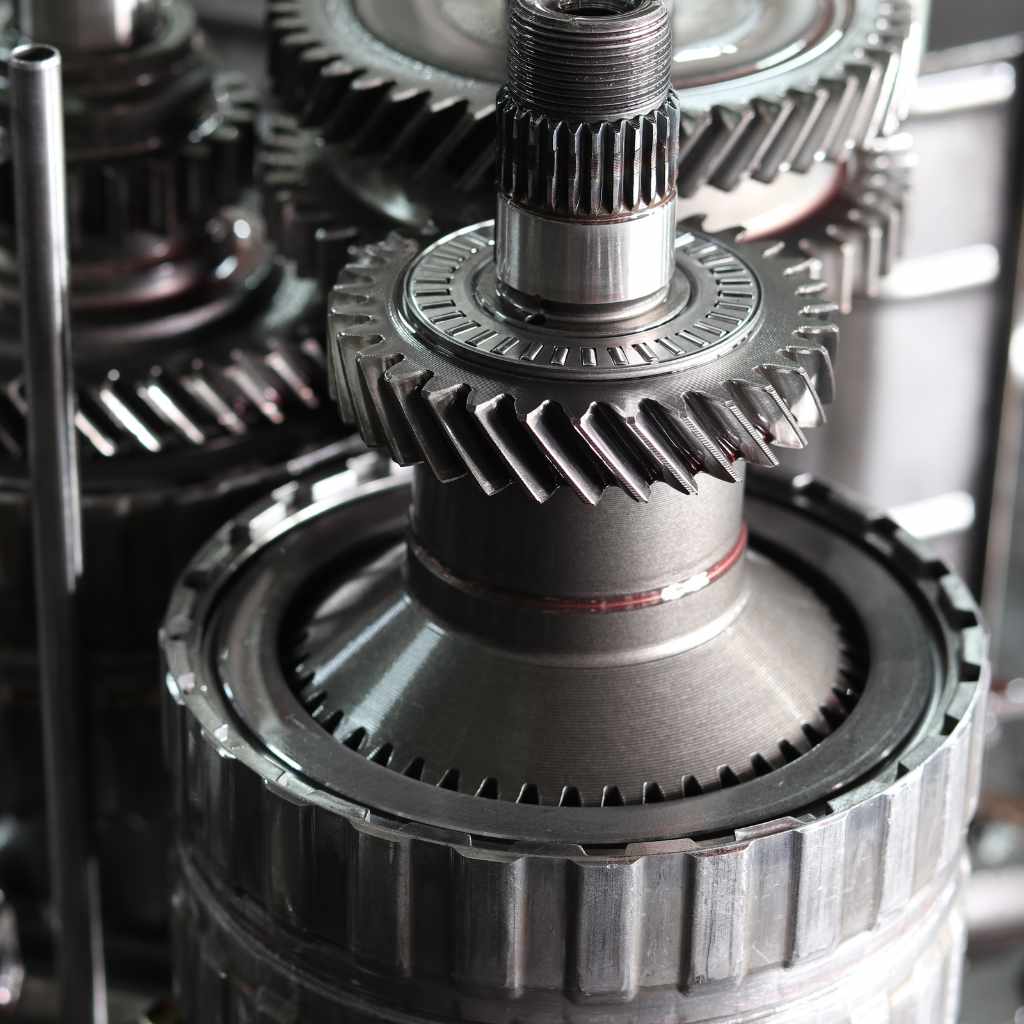
Running a car without transmission fluid causes serious damage quickly. The fluid keeps the transmission parts cool and lubricated. Without it, parts rub together and heat up fast. This leads to major problems that affect the whole vehicle.
Overheating Issues
Transmission fluid cools the transmission system. Without it, friction causes heat to build up. Overheating damages seals and metal parts. This can cause the transmission to stop working properly. Overheating also increases wear on the transmission components.
Transmission Failure
Without fluid, the transmission cannot shift gears smoothly. The metal parts grind and wear out fast. This leads to complete transmission failure. Once the transmission fails, the car will not move. Repair or replacement becomes necessary.
Costly Repairs
Fixing a transmission after running without fluid costs a lot. Rebuilding or replacing the transmission is expensive. Also, damage to other parts may occur. Regular fluid checks prevent these high repair costs. Saving fluid means saving money on repairs.
Preventive Measures
Preventive measures keep your car’s transmission healthy and working well. Regular care stops problems before they start. It saves you from costly repairs and extends your car’s life.
Regular Fluid Checks
Check transmission fluid often. Look for low levels or dirty fluid. Clean fluid is usually red or pink. Dark or burnt fluid means trouble. Checking fluid helps spot leaks early. Use the dipstick to check the level and color.
Timely Fluid Replacement
Change transmission fluid at the right time. Old fluid loses its power to protect parts. Follow your car maker’s schedule for fluid changes. Fresh fluid helps smooth shifting and cools the system. Delayed changes cause wear and damage.
Using The Right Fluid Type
Use the fluid type your car needs. Different cars require different fluids. Using the wrong fluid can harm the transmission. Check the owner’s manual for the correct type. Buy fluids from trusted brands for quality.
What To Do If Fluid Is Low Or Gone
Transmission fluid is vital for your car’s smooth operation. Low or missing fluid can cause serious damage fast. Acting quickly can save your transmission and your wallet. Knowing the right steps helps you avoid costly repairs.
Immediate Steps
Stop driving the car immediately. Continuing to drive can cause severe damage. Check the transmission fluid level using the dipstick. Look for fluid color and smell. Clear red fluid is good; dark or burnt smell means trouble. Add the correct type of transmission fluid if low. Use a funnel to avoid spills. Avoid overfilling the system.
When To Seek Professional Help
Call a mechanic if fluid is gone or very low. Strange noises or slipping gears need urgent attention. Transmission leaks require expert repair. A professional can find hidden problems. Avoid guessing about the fluid type or amount. Let experts inspect and fix your transmission.
Temporary Fixes And Precautions
Use a transmission fluid stop leak product only as a short fix. These products can help slow leaks but don’t fix damage. Drive slowly and avoid heavy traffic until repaired. Watch for warning lights or strange behavior. Keep fluid levels checked regularly after a leak. Do not ignore symptoms or delays in repair.
Frequently Asked Questions
How Long Can A Car Run Without Transmission Fluid?
A car can run only a few minutes without transmission fluid. Lack of fluid causes overheating and severe damage. Driving longer risks transmission failure and costly repairs. Immediate fluid replacement is crucial to avoid permanent damage.
What Happens If Transmission Fluid Runs Out?
Without transmission fluid, gears can’t lubricate or shift smoothly. The transmission overheats, causing metal parts to grind and wear. This leads to slipping gears, poor performance, and eventual transmission failure. Replenishing fluid quickly can prevent expensive damage.
Can Low Transmission Fluid Damage My Car?
Yes, low transmission fluid can cause serious damage. It reduces lubrication, causing overheating and increased friction. This leads to gear slipping, delayed shifting, and transmission wear. Regular fluid checks help maintain transmission health and avoid costly repairs.
How To Check Transmission Fluid Level Correctly?
To check transmission fluid, park on level ground and warm the engine. Pull out the transmission dipstick, wipe it clean, reinsert, and remove again. Check the fluid level against the marked indicators. Fluid should be pink and clear, not dark or burnt.
Conclusion
Running a car without transmission fluid can cause serious damage fast. Most cars cannot run more than a few miles safely without it. Transmission fluid keeps parts moving smoothly and cool. Without it, the transmission overheats and parts wear out quickly.
Always check and maintain fluid levels to avoid costly repairs. Small leaks or low fluid can lead to big problems. Take care of your transmission to keep your car running longer. Simple steps protect your vehicle and save money in the long run.