Does BMW Recommend Transmission Fluid Change? ZF Says Yes
BMW officially markets many of its automatic transmissions, including the ZF 8-speed, as “lifetime fill” with no factory service interval. However, ZF itself — the company that actually builds the transmission — recommends a fluid change every 50,000 to 75,000 miles, and this “lifetime fluid” marketing claim is widely criticized by independent transmission specialists.
Transmission fluid does become dirty and contaminated over time regardless of what “lifetime fill” marketing implies, and this contamination is a real contributor to premature transmission wear. Most independent BMW specialists recommend following ZF’s 50,000-75,000 mile guidance rather than BMW’s no-service-interval claim, especially if the car sees frequent stop-and-go driving, towing, or spirited driving.
Regular fluid changes can help maintain optimal performance and extend the lifespan of the transmission. It is always best to consult the owner’s manual or a qualified mechanic for specific recommendations for your BMW vehicle to ensure proper maintenance and care.
— see our related guide, Can You Use Peak Coolant in a BMW? Only This Formula Works.
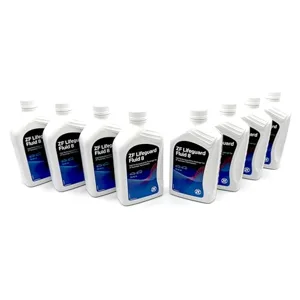
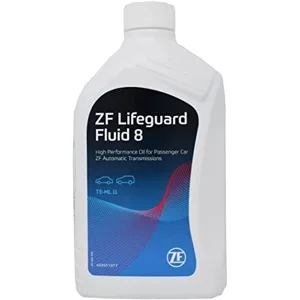
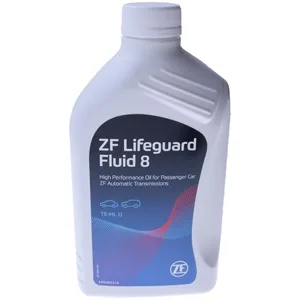
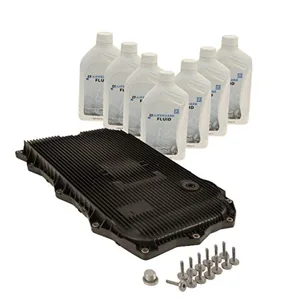
ZF LifeguardFluid 8 ATF Automatic Transmission Fluid – $159.92
The Importance Of Transmission Fluid Change
Regular maintenance is crucial for the longevity and optimal performance of any vehicle, and a BMW is no exception. One often overlooked aspect of maintenance is the regular change of transmission fluid. In this blog post, we will discuss the importance of transmission fluid change in a BMW and the consequences that can arise from neglecting this essential task.

What Is Transmission Fluid And Its Role In A BMW
Transmission fluid is a lubricant that serves as the lifeblood of the transmission system in your BMW. It acts as a coolant, reducing friction and heat generated by the moving parts inside the transmission. Additionally, it helps to provide hydraulic pressure, ensuring smooth gear shifts and efficient power transfer throughout the transmission system.
As a vital component in the transmission system, the transmission fluid also helps to protect the various components from wear and tear caused by friction and contamination. It contains additives that prevent rust formation, reduce foam formation, and provide additional protection against corrosion for the internal components of the transmission.
The Consequences Of Not Changing Transmission Fluid Regularly
Failure to change the transmission fluid regularly can have serious consequences for your BMW. Over time, the fluid breaks down and loses its ability to lubricate and cool the transmission system effectively. This can lead to increased friction, heat buildup, and accelerated wear and tear on the transmission components.
Without regular fluid changes, the transmission may start to shift gears harshly, experience slippage or delays in shifting, and even develop rough vibrations. Furthermore, neglected transmission fluid can accumulate dirt, debris, and metal particles, which can clog the transmission filter and lead to a host of problems, including decreased performance, reduced fuel efficiency, and ultimately, transmission failure.
Regularly changing the transmission fluid in your BMW ensures that it maintains optimal performance, longevity, and reliability. It helps to prevent costly repairs and replacements down the road, providing you with peace of mind and a smoother driving experience. By adhering to the manufacturer’s recommended service intervals for transmission fluid change, you are taking proactive steps to protect your investment and enjoy the full potential of your BMW.
Expert Opinions On Bmw Transmission Fluid Change
When it comes to the maintenance of your BMW’s transmission, one crucial aspect to consider is the regular change of transmission fluid. This ensures optimal performance, prolongs the lifespan of your transmission, and prevents costly repairs in the long run. To understand the recommended transmission fluid change intervals for BMW vehicles, it’s essential to take into account BMW’s recommendations as well as the opinions of independent mechanics and experts.
Bwm’s Recommendations On Transmission Fluid Change
BMW, like many other manufacturers, provides guidelines for the maintenance of its vehicles. Specifically, BMW recommends that transmission fluid should be changed every 100,000 miles for most of its models. However, it’s important to note that this recommendation may vary depending on the specific model and year of production. Some newer BMW models may have a longer recommended interval, up to 150,000 miles, before a transmission fluid change is necessary.
Table: Recommended Transmission Fluid Change Intervals for BMW Models
| BMW Model | Recommended Transmission Fluid Change Interval |
|---|---|
| BMW 3 Series | 100,000 miles |
| BMW 5 Series | 100,000 miles |
| BMW X5 | 100,000 miles |
| BMW X3 | 150,000 miles |
It’s essential to adhere to these intervals to ensure the smooth operation of your BMW’s transmission.
Opinions Of Independent Mechanics And Experts
While BMW’s recommendations serve as a general guideline, opinions among independent mechanics and experts may vary. Some mechanics suggest a more frequent transmission fluid change, such as every 50,000 miles, to maintain optimal transmission health. They argue that frequent fluid changes help to remove contaminants and keep the transmission running smoothly, especially in high-performance models or under heavy driving conditions.
On the other hand, some experts believe that the manufacturer’s recommendations are sufficient and there is no need for more frequent changes. They argue that modern synthetic transmission fluids are designed to provide long-lasting performance, and changing the fluid too often may not provide any significant benefits.
Ultimately, the decision on the transmission fluid change interval should be based on a combination of manufacturer recommendations, independent mechanic advice, and your specific driving habits. Regular fluid inspections and occasional fluid analysis can also help determine if a fluid change is necessary before the recommended interval.
In conclusion, while BMW recommends transmission fluid change intervals at 100,000 miles for most models, there are varying opinions on this topic among independent mechanics and experts. It’s crucial to consider these perspectives and make an informed decision to ensure the longevity and optimal performance of your BMW’s transmission.
The Benefits And Process Of Transmission Fluid Change
In order to maintain the smooth and efficient performance of your BMW, it is important to regularly change the transmission fluid. Not only does this ensure the longevity of your vehicle, but it also helps to prevent costly repairs down the line. In this article, we will explore the benefits of regular transmission fluid change in a BMW and the steps involved in the process.
Advantages Of Regular Transmission Fluid Change In A Bmw
Regularly changing the transmission fluid in your BMW provides several key benefits:
- Improved Gear Shifting: Over time, transmission fluid can become contaminated with dirt, debris, and other impurities. This can lead to rough gear shifts and overall poor performance. By regularly changing the fluid, you can ensure smooth and seamless gear transitions, enhancing your driving experience.
- Enhanced Transmission Lifespan: Transmission fluid plays a crucial role in lubricating the various components of the transmission system. By keeping the fluid clean and fresh, you can minimize friction and wear on these parts, thereby extending the lifespan of your transmission.
- Optimized Fuel Efficiency: Dirty or degraded transmission fluid can cause increased drag on the components, resulting in decreased fuel efficiency. By regularly changing the fluid, you can help maintain optimal fuel economy, saving you money in the long run.
- Prevention of Costly Repairs: Neglecting to change the transmission fluid can lead to the accumulation of harmful deposits and increased friction within the transmission system. This can eventually cause severe damage and require expensive repairs. By adhering to a regular fluid change schedule, you can prevent these costly issues.
Steps Involved In Changing Transmission Fluid In A Bmw
The process of changing the transmission fluid in a BMW involves the following steps:
- Prepare the vehicle: Ensure that the BMW is parked on a level surface and the engine is turned off. Engage the parking brake for added safety.
- Locate the transmission fluid drain plug: Refer to the BMW owner’s manual or consult a professional to determine the exact location of the transmission fluid drain plug. The drain plug is typically located underneath the vehicle.
- Drain the old fluid: Using a suitable catch basin, carefully remove the transmission fluid drain plug and allow the old fluid to drain completely. Ensure that you dispose of the old fluid safely and responsibly.
- Replace the transmission fluid filter: Locate the transmission fluid filter housing, typically found near the transmission pan. Remove the old filter and replace it with a new, compatible one.
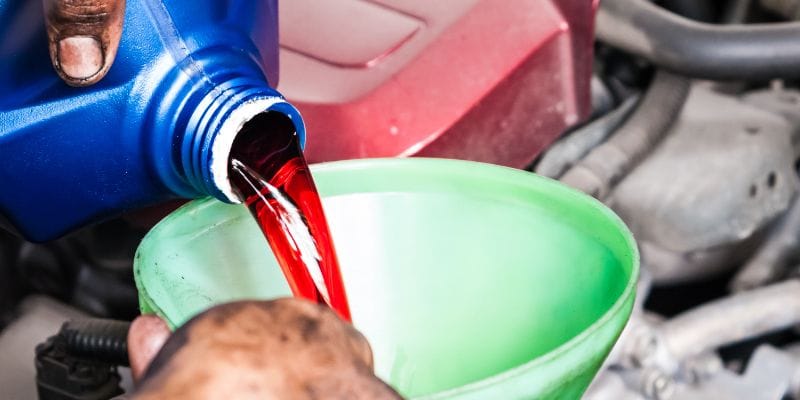
- Add new transmission fluid: Once the old fluid has been completely drained and the new filter is in place, use a funnel to add the appropriate amount and type of new transmission fluid recommended by BMW. Refer to the owner’s manual for specific details.
- Check the fluid level: Start the engine and allow it to idle for a few minutes. Then, refer to the dipstick (located near the transmission) to check the fluid level. Adjust if necessary, ensuring that the fluid level is within the specified range.
- Dispose of old fluid and clean up: Once you have completed the transmission fluid change, properly dispose of the old fluid. Clean up any spills or drips to maintain a clean working environment.
Performing a regular transmission fluid change in your BMW can greatly contribute to the overall health and performance of your vehicle. By following the necessary steps and adhering to the recommended maintenance schedule, you can enjoy a smooth and efficient driving experience for years to come.
Frequently Asked Questions Of Does Bmw Recommend Transmission Fluid Change
Can I Change My Bmw Transmission Fluid Myself?
Yes, you can change your BMW transmission fluid yourself. However, it is recommended to consult the vehicle manual or seek professional assistance to ensure the correct type and amount of fluid is used, as well as proper disposal of the old fluid.
How Often Should I Change My Bmw Transmission Fluid?
BMW recommends changing your transmission fluid every 60,000 to 100,000 miles, or every 4 to 6 years, depending on your driving conditions and model. Regular maintenance and fluid changes can help prolong the life of your transmission and prevent potential issues.
Why Is It Important To Change Bmw Transmission Fluid?
Changing BMW transmission fluid is important because it helps to maintain the optimal performance and reliability of your transmission. Over time, the fluid can become contaminated with debris, which can lead to increased friction and wear on transmission components. Regular fluid changes help to prevent costly repairs and extend the lifespan of your transmission.
Can I Use Any Transmission Fluid In My BMW?
No, it is important to use the correct type of transmission fluid recommended by BMW for your specific model. BMW vehicles require a specific type of transmission fluid that meets their performance and viscosity specifications. Using the wrong fluid can lead to transmission damage and void your warranty.
Why “Lifetime Fluid” Doesn’t Mean What It Sounds Like
“Lifetime fill” is a marketing term, not an engineering guarantee — it typically means “the expected lifetime of the transmission if driven under ideal conditions,” not “this fluid never needs to be changed.” Skipping fluid changes entirely on BMW’s “lifetime fill” transmissions is one of the more commonly cited causes of premature ZF 8-speed failure among independent BMW mechanics, which is why ZF’s own 50,000-75,000 mile recommendation is generally the safer standard to follow.
Conclusion
Changing the transmission fluid in your BMW is an important maintenance task that can help prolong the life of your vehicle. Regular fluid changes ensure smooth shifting and prevent potentially costly repairs down the line. While BMW may not explicitly recommend a specific interval for fluid changes, it is generally advised to follow the manufacturer’s guidelines or consult with a trusted mechanic to ensure optimal performance and longevity of your transmission.
Don’t neglect this crucial aspect of BMW maintenance and reap the benefits of a well-functioning transmission.
Products related to this article
Sponsored / affiliate links. As an Amazon Associate I earn from qualifying purchases. I may earn additional commission from eligible campaigns.