How Long Can You Leave a Car Idle: Essential Tips & Facts
You can leave a car idle for a few minutes without harm. But, long periods can cause issues.
Many drivers wonder about the impact of idling on their vehicles. Whether stuck in traffic or waiting in the car, it’s common to leave the engine running. But is it safe? Does it damage the car? This blog will explore how long you can leave a car idle.
We’ll look at potential risks and give you practical advice. Understanding this can help you take better care of your vehicle and save on fuel costs. Read on to learn more about the effects of idling and how to avoid common problems.
Impact Of Leaving A Car Idle
Leaving a car idle for long periods can harm the engine. It may cause battery drain and fuel system issues. Regularly starting and driving helps maintain the vehicle’s health.
Engine Health
The engine can suffer if a car is left idle too long. Oil may not circulate properly. This can cause parts to wear out faster. Rust might form on some engine parts. The engine might become harder to start. Fuel can also go bad and clog the system.
Battery Life
Leaving a car idle can drain the battery. A weak battery might not start the car. The alternator won’t charge the battery if the car is off. Over time, the battery could die completely. It’s important to run the car regularly.

Credit: www.youtube.com
Optimal Idle Duration
Leaving your car idle for a few minutes is usually okay. Engines are designed for this. Avoid idling for more than 10 minutes. It wastes fuel and pollutes the air. Short trips are better for your car.
Leaving your car idle for hours can harm the engine. Parts can wear out faster. Fuel can become contaminated. Always turn off the engine if you plan to stay in one place for long. Regular driving keeps your car in good shape.
Fuel Consumption
Leaving a gasoline car idle for long wastes fuel. Fuel burns even when the car is not moving. Idling for long can damage your engine. It can also cause more pollution. The longer the idle time, the more fuel you waste.
Diesel cars also waste fuel when idling. Diesel engines are a bit more efficient. But still, idling for long is not good. It can cause engine wear. Diesel engines can suffer from carbon build-up. Reducing idle time saves fuel and the engine.
Credit: www.endurancewarranty.com
Environmental Concerns
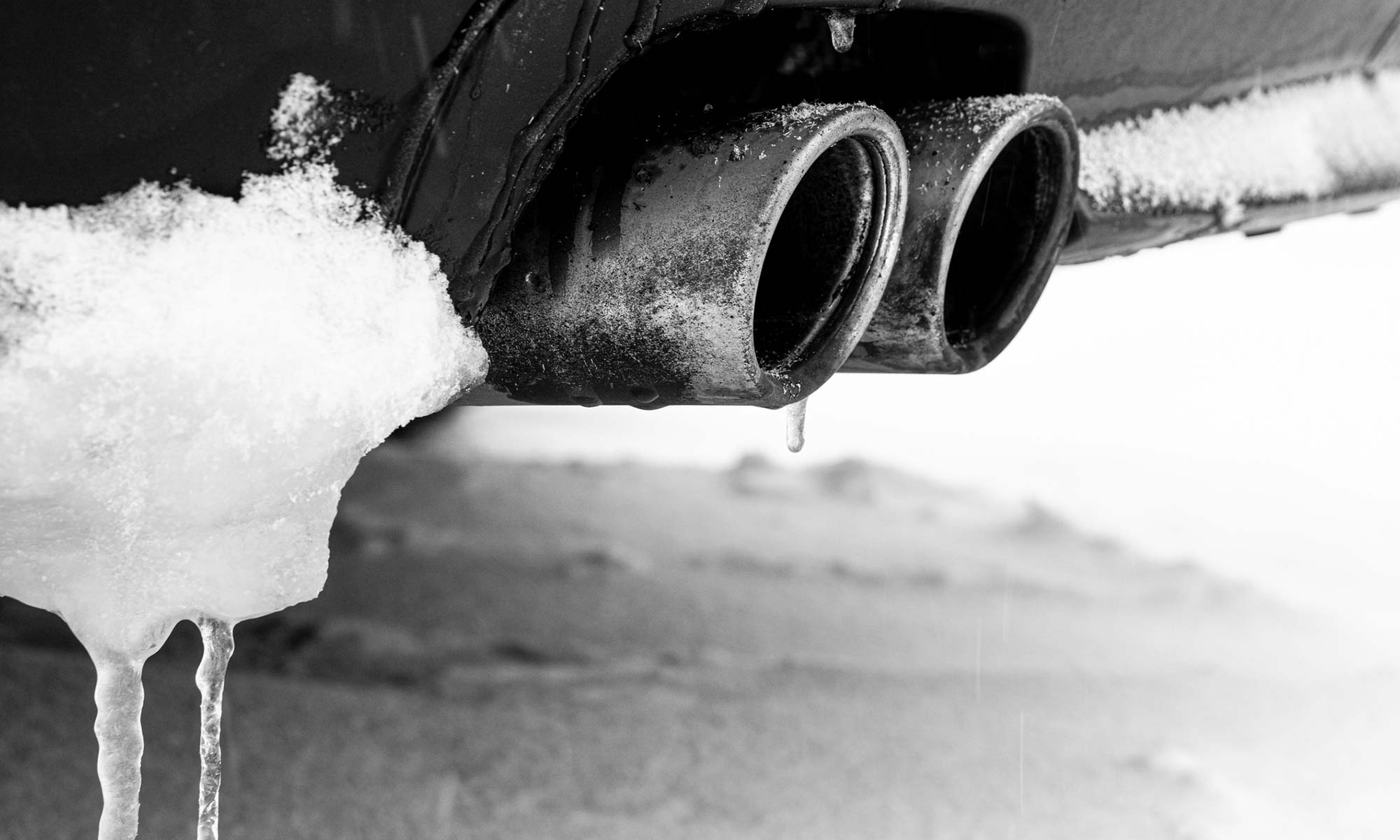
Idle cars emit harmful gases. These gases include carbon monoxide, nitrogen oxides, and hydrocarbons. These emissions pollute the air. They also contribute to global warming. Idling for long periods is bad for the planet. It wastes fuel and increases emissions.
Poor air quality affects our health. Breathing polluted air can cause asthma and allergies. It can also lead to heart and lung diseases. Children and the elderly are most at risk. Good air quality is important for everyone. So, avoid leaving your car idle for long.
Legal Regulations
Local laws vary on idling time. Some places allow only 5 minutes. Others may have stricter rules. Always check your area’s rules.
Breaking idling laws can lead to fines. The amount varies by location. Fines can start small and increase with repeated offenses. Avoid fines by following the rules.

Credit: www.drive.com.au
Best Practices For Idling
Idling your car for a few minutes helps the engine warm up. This is especially important on cold days. Warming up the engine ensures all parts are ready to run smoothly. But avoid idling for too long. It wastes fuel and can harm the engine. Two to three minutes is usually enough. Once the engine is warm, driving gently will help it reach optimal temperature.
Idling can help maintain the car battery. It charges the battery and keeps it in good shape. But short trips and long idling periods can drain the battery. Run the car for at least 15 minutes once a week. This keeps the battery charged and the engine healthy. Use a battery maintainer if you leave the car idle for a long time.
Myths About Car Idling
Many think that idling causes significant engine wear. But this is not always true. Modern engines can handle idle time well. Idling for short periods is safe. But long idling can cause some wear. Engines need to run at proper temperatures. Too much idling can lead to carbon buildup. This can affect engine parts.
Idling wastes fuel. It is a common myth that restarting a car uses more fuel. Idling for just a minute uses more fuel than restarting. Turning off your car saves fuel. It also reduces emissions. Less idling means better fuel efficiency. Save fuel and money by stopping idling.
Tips For Reducing Idle Time
Start-stop systems can help save fuel. They turn off the engine at stops. This reduces idle time. Many new cars have these systems. They work automatically. They are easy to use. Just step on the brake. The engine stops. Release the brake. The engine starts again. It’s that simple.
Plan your trips well. Combine errands into one trip. Avoid short trips. Short trips waste fuel. They cause more idle time. Use maps or GPS. Find the best route. Avoid traffic jams. Start early. Avoid rush hours. Make fewer stops. Save time and fuel.
Frequently Asked Questions
How Long Can A Car Idle Safely?
A car can idle safely for up to 30 minutes. However, it’s best to avoid long periods of idling.
Is Idling Bad For The Car Engine?
Yes, idling for long periods can damage your car engine. It may lead to poor fuel efficiency and carbon buildup.
Can Idling Drain A Car’s Battery?
Yes, idling can drain your car’s battery over time. This is especially true if you run accessories like lights or the radio.
Does Idling Waste Fuel?
Yes, idling wastes fuel unnecessarily. It’s more efficient to turn off your engine if you’re parked for a while.
Conclusion
Leaving a car idle for too long can harm the engine. Short idling periods are usually safe. Longer idling wastes fuel and may cause damage. Regular maintenance helps prevent issues from idling. Always monitor your car’s performance. Consider these tips to keep your car healthy.
Proper care ensures your vehicle runs smoothly.