What Is Automotive Servicing?
Automotive servicing is scheduled maintenance and inspection at set mileage or time intervals, used to catch wear before it turns into a breakdown; many cars need service at regular mileage or time intervals, depending on the maker’s guidance. Skip it, and repair bills usually rise, parts wear out sooner, and the odds of a roadside problem go up. This guide explains what a service includes, how intervals are set, and how to decide what needs attention now versus later.
Routine Maintenance Versus Unplanned Repairs


Automotive servicing is usually planned maintenance rather than an unplanned repair visit. It combines inspection, replacement, and fluid checks tied to time, mileage, or both, so worn parts are found before they fail and routine items are changed before they cause larger damage.
A working definition of servicing
At its core, servicing is a set of maintenance procedures carried out at fixed intervals or after a certain distance. That includes oil and filter changes, brake and tire checks, fluid top-ups and condition checks, and inspection of wear items such as belts, hoses, and filters. (en.wikipedia.org)
How servicing differs from repair
Servicing deals with expected wear. Repair deals with faults. A brake pad inspection belongs in service; a flashing warning lamp, a misfire, or a coolant leak needs diagnosis. The boundary matters because swapping parts without tracing the fault can waste money and leave the real problem in place.
Why schedules matter more than guesswork
A manufacturer schedule is built around the car’s fluids, filters, driveline, and duty cycle. Guessing by appearance alone misses problems that do not show outside the vehicle. Clean-looking oil can still be past due, and good tread depth does not rule out a damaged tire or low pressure.
What gets checked in a service?
A routine service usually covers the items most likely to wear, leak, or drift out of specification. A technician inspects engine oil, brakes, tires, fluids, filters, belts, hoses, the battery, and visible leaks, then notes anything that needs immediate repair or follow-up inspection.
Oil and filter
Oil condition and level are checked first because lubrication affects engine wear. The oil filter is commonly replaced at service intervals. The exact oil spec matters; using the wrong viscosity or approval can affect cold-start protection, wear control, and warranty compliance on some vehicles.
Brakes, tires, and steering wear
Brake pad thickness, rotor condition, tire pressure, tread depth, uneven wear, and steering or suspension play are part of a practical service. These are safety-related wear items. They do not all fail at once, but they often show early warning signs during inspection.
Fluids, filters, belts, hoses, and battery
Technicians typically check coolant, brake fluid, transmission fluid where applicable, washer fluid, and power-steering fluid on older vehicles. Cabin and engine air filters, drive belts, coolant hoses, and battery condition are also reviewed because small defects in these parts can create larger failures later.
How do service intervals work?
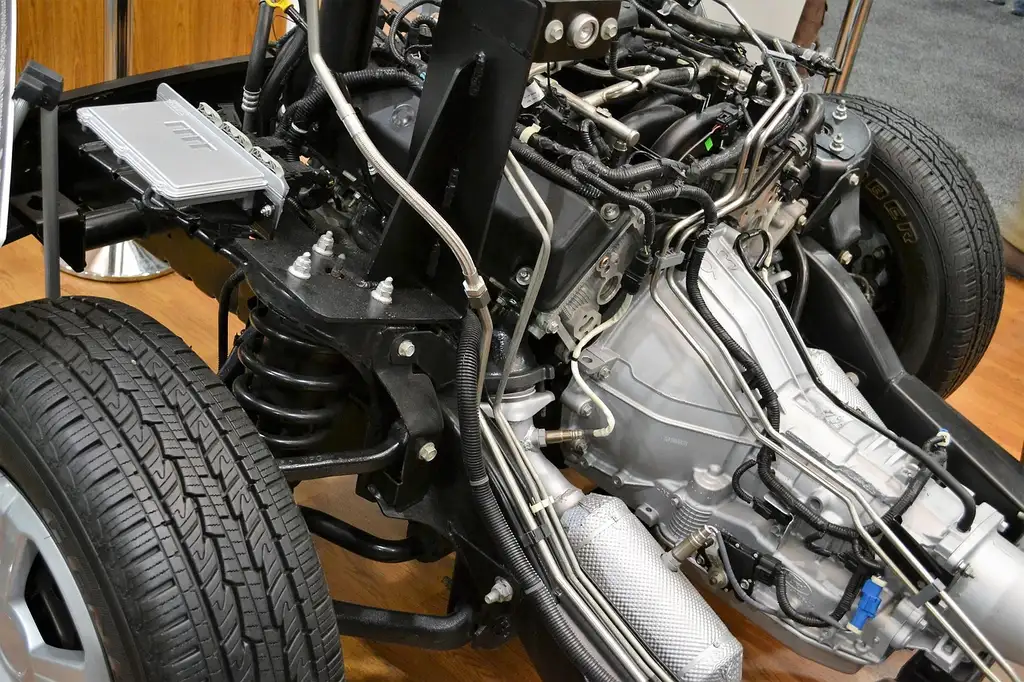
Service intervals are set by time, mileage, or both. The correct interval depends on the manufacturer’s schedule, the vehicle’s engine and driveline, and how it is used. Short trips, towing, stop-start traffic, dust, and extreme temperatures usually justify shorter intervals than gentle highway driving.
Months versus miles
Some tasks are time-based because fluids age even when mileage is low. Others are distance-based because wear depends on use. A car driven 4,000 miles a year may still need annual oil service, while a high-mileage commuter may need the same work sooner because the mileage limit arrives first.
Severe-duty service changes
Severe-duty use often means more frequent service. That can include taxi work, delivery routes, short-trip commuting, towing, dust, mountain driving, or repeated idling. In those conditions, oil, air filters, brake wear, and fluid degradation usually progress faster than the standard schedule assumes.
Why the manufacturer schedule wins
The owner’s manual and service book are not optional reading. They spell out the exact intervals, fluid specs, and replacement items for your vehicle, which matters because engines, transmissions, hybrid systems, and all-wheel-drive parts do not share the same maintenance needs. Following the maker’s schedule also gives you the cleanest warranty record.
| Service type | Typical scope | Common trigger | Best fit |
|---|---|---|---|
| Interim service | Oil, oil filter, fluid checks, key visual inspections | Higher mileage or mid-interval use | Drivers covering many miles or doing severe-duty driving |
| Full service | Interim items plus broader inspections, more filters, deeper checks | Longer interval on the service schedule | Annual or mileage-based major routine maintenance |
| Manufacturer-specific service | Schedule items required by the maker, including driveline fluids or plugs when due | Model-specific time or mileage threshold | Any car with warranty-sensitive maintenance needs |
Full service vs interim service: what is the difference?
An interim service is a shorter, more frequent maintenance visit. A full service is broader and usually covers more inspection points and replacement items. Both are routine servicing, but they are not interchangeable, and the right choice depends on mileage, age, and how hard the vehicle works.
What an interim service usually covers
Interim service commonly includes engine oil and filter, fluid level checks, tire pressure, tread inspection, brake checks, battery health, and a visual scan for leaks. It is meant to keep a high-use car on track between larger services, not to reset every maintenance item.
What a full service usually adds
A full service usually expands the inspection list and may add cabin and air filters, more detailed brake and suspension checks, belt and hose inspection, and attention to scheduled replacement items due at that interval. On some cars, the full service also includes drivetrain fluids or spark plugs if the mileage calls for them.
When each one makes sense
If the vehicle logs lots of miles, sees towing, or is used in harsh conditions, an interim service can be the practical middle point. If the car is at a major interval, has an uncertain history, or is being prepared for long-term ownership, a full service is the safer choice.
What happens if you service too late, too early, or with the wrong spec?
Late servicing raises wear risk, early servicing can waste money, and wrong-spec parts or fluids can create new problems. The mistake is not only timing. It is also using the wrong oil grade, incorrect filters, or fluids that do not match the vehicle’s requirements.
Late service and wear risk
Late oil changes can reduce lubrication margin. Delayed brake or tire checks can turn normal wear into a safety issue. Pushing fluid intervals too far can shorten component life or let contamination build up, especially in transmissions, cooling systems, and brake hydraulics.
Early service and wasted cost
Servicing far ahead of schedule usually is not harmful, but it can be wasteful if the oil, filters, or fluids still have life left. The bigger problem is false confidence: an early oil change does not replace the need for a due brake inspection, coolant service, or timing-related work later.
Wrong oil, wrong filter, wrong fluid
Using the wrong spec can create drivability or reliability problems even when the part “fits.” Some engines need a particular oil approval, many transmissions require a specific fluid, and modern cooling systems may be sensitive to the wrong coolant type. That can also complicate warranty claims if records do not match the schedule.
Say your 2018 compact sedan has a 15,000-mile service due, but the oil light is still off. A low-mileage oil warning is not the only trigger. If the car has done repeated short trips and the cabin filter is clogged, a scheduled service still makes sense because time and usage can age parts before the dash warns you.
What does a technician do during servicing?
An automotive service technician follows an inspection workflow, uses basic diagnostic tools, and separates normal maintenance from faults that need deeper diagnosis. The work starts with checks that can be measured or seen, then moves to testing if a symptom points to a specific system.
Inspection workflow
The usual sequence is simple: confirm the scheduled items, inspect wear parts, check fluid condition and levels, scan for visible damage or leaks, and note anything outside spec. That workflow matters because it catches both the obvious maintenance items and the hidden issues that turn into repairs.
Basic diagnostic tools
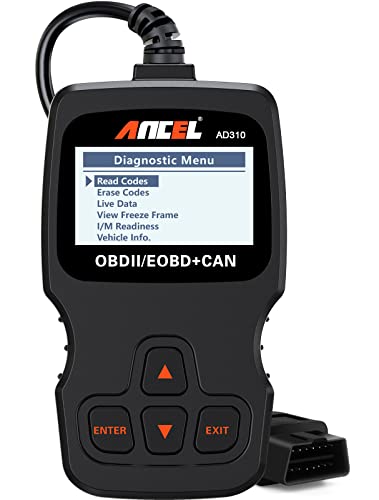
Service work often uses a scan tool, pressure gauges, tread-depth checks, brake thickness measurements, and visual inspection lights. These tools help verify whether a warning light is a routine maintenance reminder, a stored fault, or a symptom of a separate mechanical problem.
Where maintenance ends and diagnosis begins
Maintenance ends when the technician finds a symptom that does not match normal wear. A low brake pad reading is maintenance. A brake pedal that sinks is diagnosis. A service visit can uncover the fault, but the repair decision should follow the evidence, not the calendar alone.
Use this service timing checklist
Use this checklist to decide urgency. The goal is simple: separate service now, inspect soon, and monitor. If the car has warning signs, overdue mileage, or severe-duty use, move it up the list. If it is stable and within schedule, you can usually plan the visit instead of rushing it.
- Service now: warning light with a drivability change, low oil pressure warning, coolant temperature warning, brake grinding, visible fluid leak, shredded tire, or service overdue by time or mileage.
- Inspect soon: uneven tire wear, soft brakes without grinding, battery slow crank, overdue service history, minor seepage, rough idle, or a service due within the next 500 to 1,000 miles.
- Monitor: no symptoms, service still comfortably within the maker’s interval, tire wear even, fluids stable, and the next scheduled visit still months away.
| Symptom or condition | Mileage band | Urgency | Action |
|---|---|---|---|
| Oil warning, coolant warning, brake grinding | Any mileage | High | Service now |
| Service due within 500 to 1,000 miles | Near interval | Medium | Inspect soon |
| No symptoms, recent service, normal wear pattern | Well within interval | Low | Monitor |
| Unknown history after purchase | Any mileage | Medium to high | Inspect soon and document baseline service |
Suppose a 90,000-mile crossover starts showing uneven front tire wear and a battery that cranks slowly on cold mornings. That is not a “wait until next year” situation. The tires, alignment, charging system, and service history should be reviewed now because each clue points to a different risk.
Service history, warranty, and resale value
Service history is a record of upkeep and can help support warranty claims, resale discussions, and future diagnosis. It matters for warranty claims, resale value, and future diagnosis because timestamps, invoices, and service book entries show what was done, when it was done, and whether the car stayed on schedule.
What counts as proof of upkeep
Receipts, digital records, service book stamps, inspection sheets, and dated invoices all count. The useful part is not only that work happened, but that the record shows mileage, date, the items serviced, and the parts or fluids used.
Why timestamps and invoices matter
Maintenance done “sometime last year” is weaker proof than a dated invoice with mileage. Timestamps help establish that service happened inside the required interval, which can matter if a warranty issue arises or if a buyer wants evidence of regular care.
Dealer versus independent shop records
Dealer service and independent shop service are both valid when the work matches the schedule and the records are clear. Dealers may be better positioned for model-specific campaigns or software updates, while independent shops can be a good fit for routine work if they follow the correct specs and document everything.
What is automotive repair and maintenance?
Automotive repair and maintenance are related but separate jobs. Maintenance is planned work to prevent failure. Repair is corrective work after a fault appears. A healthy service strategy uses both, with maintenance to reduce risk, and repair to fix the problems that inspection uncovers.
The maintenance-to-repair boundary
If a component is worn to its service limit, replacement is maintenance. If a component fails unexpectedly or causes a fault code, that is repair territory. The distinction helps avoid overreaction, but it also prevents routine service from being used as a substitute for proper diagnosis.
What is car servicing
Car servicing is the scheduled upkeep of a vehicle based on time or mileage. It usually includes oil and filter changes, brake and tire checks, fluid inspections, and other wear-item reviews. The point is to catch problems early, preserve reliability, and keep records for future owners or warranty needs.
What is vehicle servicing
Vehicle servicing means the same basic process applied to a car, van, or other road vehicle. It is a planned maintenance routine built around the maker’s schedule, not a response to a breakdown. The exact items differ by vehicle type, engine, driveline, and use pattern.
What is automotive service technician
An automotive service technician is the person who performs and interprets the inspection work during servicing. That includes checking brakes, tires, fluids, batteries, belts, hoses, and leaks, then deciding whether a finding is routine maintenance or a fault that needs diagnosis and repair.
What is automotive service technology
Automotive service technology is the set of tools, methods, and systems used to inspect, maintain, and diagnose vehicles. It includes scan tools, service information, measurement equipment, and procedures for oil service, brake inspection, electrical checks, and fault tracing on modern vehicles.
What is automotive servicing nc ii
Automotive servicing NC II usually refers to a competency-based training and certification level used in some vocational systems. It generally covers practical service tasks, workshop safety, inspection basics, and routine maintenance skills. The exact scope depends on the training authority and local curriculum.
What is automotive servicing nc1
Automotive servicing NC1 usually points to an entry-level vocational credential or training unit in systems that use competency levels. It is typically more introductory than NC II and focuses on foundational maintenance tasks, safety habits, and basic service procedures rather than advanced diagnosis.
What is automotive servicing course
An automotive servicing course teaches the maintenance side of vehicle care, usually with some diagnostic basics. Topics often include service schedules, oil and filter changes, brakes, fluids, batteries, belts, hoses, and inspection methods. The best courses also explain when maintenance stops and repair begins.
What is automotive servicing
Automotive servicing is the planned maintenance of a vehicle at set mileage or time intervals. It is meant to find wear early, keep fluids and safety-related parts in range, and create a service record. It is not the same thing as a fault repair or an emergency breakdown visit.
Frequently asked questions
What do mechanics do in a full service
In a full service, mechanics usually inspect and often replace more items than in an interim service. That commonly includes oil and filter, brakes, tires, fluids, filters, belts, hoses, battery checks, and a broader visual inspection for leaks, wear, and other early problems.
What is car servicing cost
Car servicing cost varies by vehicle, location, interval, and whether the work is interim, full, or manufacturer-specific. Parts, oil spec, labor time, and extra items found during inspection all affect the bill. A newer or more complex vehicle often costs more to maintain correctly.
Products related to this article
Sponsored / affiliate links. As an Amazon Associate I earn from qualifying purchases. I may earn additional commission from eligible campaigns.