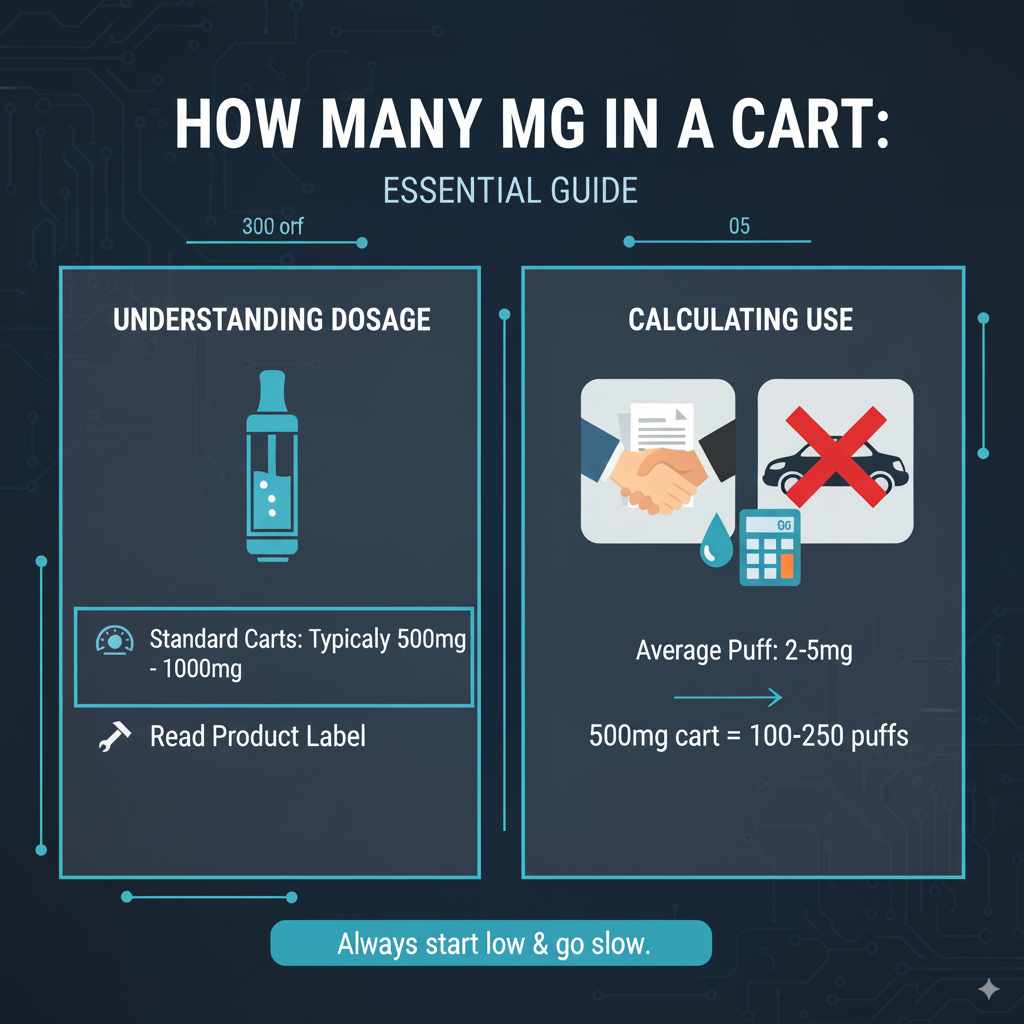
How Many Mg in a Cart: Essential Guide
The number of milligrams (mg) in a cart, often referring to vape cartridges, varies significantly based on the specific product, its intended use (like THC, CBD, or nicotine), and the manufacturer’s formulation. There isn’t a single answer; it’s crucial to check the product’s packaging or the manufacturer’s specifications for accurate dosing information.
Ever looked at a vape cart and wondered exactly what you’re getting? It’s a super common question, especially when you’re starting out. You see terms like “mg” and “cart,” and it can feel a bit confusing. Don’t worry, you’re not alone! Understanding how many milligrams (mg) are in your cart is key to knowing your dose and having a good experience. We’ll break it down simply so you can feel confident about what’s inside your cart. Let’s get this sorted out together!
Understanding Milligrams (mg) in Vape Carts: A Beginner’s Guide
Welcome to the world of understanding your vape carts! As new car owners or DIY enthusiasts, we’re often looking to grasp the basics of what makes our vehicles tick. This guide is a bit different, focusing on a different kind of “cart” – the kind you might encounter in the world of wellness and relaxation products. Think of it like understanding your car’s fuel efficiency; knowing the capacity and dosage of your cart helps you manage it effectively and safely. We’re going to demystify the “mg” in your cart, making it as straightforward as checking your tire pressure.
When we talk about “mg in a cart,” we’re usually referring to the concentration of an active ingredient. Most commonly, this is related to cannabinoids like THC (tetrahydrocannabinol) or CBD (cannabidiol) in products designed for these purposes. For clarity, we’ll primarily focus on these, as they represent the most frequent context for this question. However, the principles of understanding dosage apply broadly. So, grab a comfortable seat, and let’s dive into what those milligrams mean for you.
What Does “mg” Mean on a Vape Cart?
The abbreviation “mg” stands for milligrams. A milligram is a unit of mass, a tiny fraction of a gram. In the context of vape carts, milligrams tell you the amount of a specific active ingredient present in the entire cartridge. It’s like knowing how many liters of oil your car’s engine takes – it gives you a concrete measurement of what’s inside.
So, when you see a vape cart labeled, for example, “500mg THC,” it means that the entire cartridge contains 500 milligrams of THC. This is a crucial piece of information for understanding potency and dosage. The total volume of the cart (often measured in milliliters, or mL) is also important. A 1mL cart might contain 500mg of THC, while a 0.5mL cart might only contain 250mg of THC, even if both are labeled as “full spectrum” or have similar appearances.
How is “mg in a Cart” Typically Measured?
The measurement of milligrams in a vape cart is usually determined by the manufacturer during the product’s creation. This involves precisely measuring and mixing the active ingredients (like THC or CBD distillate) with any carrier oils (such as MCT oil, propylene glycol (PG), or vegetable glycerin (VG)) and terpenes. The final concentration is then calculated based on the total weight or volume of the active compounds added to the batch.
Here’s a simplified way to think about it:
- Distillate Concentration: Manufacturers start with a concentrated extract (distillate). This distillate already has a known percentage of the active compound (e.g., 80% THC distillate).
- Dilution: This concentrate is then blended with other ingredients, like carrier oils and flavorings, to achieve the desired consistency and final concentration for the cartridge.
- Total Milligrams: The total milligram count for the active ingredient in the entire cartridge is calculated based on the amount of this blended mixture. For example, if a 1-gram (1000mg) cartridge is filled with a distillate that is 70% THC, the cartridge will contain approximately 700mg of THC.
It’s important to note that these are usually target values. Minor variations can occur due to the manufacturing process, but reputable brands strive for accuracy and consistency. Many products will also list the CBD and minor cannabinoid content, which contributes to the overall cannabinoid profile but is distinct from the primary stated milligram amount (e.g., THC).
Common Cartridge Sizes and Their Milligram Content
Vape cartridges come in various sizes, and their milligram content will naturally differ. The most common sizes you’ll encounter are:
- 0.5mL (Half Gram): These are smaller cartridges, often containing between 250mg and 500mg of active ingredients.
- 1.0mL (Full Gram): These are larger and more common, typically holding between 500mg and 1000mg of active ingredients.
The actual milligram number within these sizes depends on the potency of the distillate used and how it’s formulated. For example, a 1.0mL cartridge formulated with a 70% THC distillate will contain approximately 700mg of THC. A 0.5mL cartridge with the same 70% THC distillate would contain around 350mg of THC.
Here’s a table illustrating typical ranges:
| Cartridge Size (Volume) | Typical Total Milligrams (mg) of Active Ingredient (e.g., THC or CBD) | Notes |
|---|---|---|
| 0.5mL (Half Gram) | 250mg – 500mg | Potency can vary widely. Check product details. |
| 1.0mL (Full Gram) | 500mg – 1000mg | Most common size. Potency depends on the distillate used. |
Always verify the specific milligram content stated on the product packaging. Some cartridges might be labeled with the total net weight of the product, and you’ll need to check the cannabinoid breakdown to find the specific mg of your desired compound.
Factors Affecting Milligram Content
Several factors determine how many milligrams of an active ingredient are in a vape cart:
- Cannabinoid Potency: The starting concentrate (distillate or isolate) is the primary factor. A higher potency distillate will result in more milligrams of the active compound in the final product.
- Carrier Oils and Diluents: Ingredients like MCT oil, PG, and VG are used to adjust the viscosity and make the product vapeable. More diluent means a lower concentration of the active ingredient per unit of volume.
- Desired Effect/Market Segment: Manufacturers may create products with varying strengths to appeal to different user needs – from beginners seeking lower doses to experienced users looking for higher concentrations.
- Legal Regulations: In some regions, there might be regulations limiting the maximum concentration of certain cannabinoids in a product.
For instance, a “high-potency” 1mL cart might aim for 900mg+ of THC, while a “light” or “beginner” 1mL cart might offer closer to 500-600mg of THC, often with a balanced ratio of other cannabinoids or a lower overall THC percentage in the oil itself.
How to Find the Exact Milligram Count
The most reliable way to know how many milligrams are in your cart is to check the product packaging and any accompanying lab reports.
- Product Label: Reputable brands will clearly state the total milligram quantity of the primary active ingredient (e.g., “500mg THC” or “1000mg CBD”) on the box or cartridge itself.
- Third-Party Lab Test Results (Certificates of Analysis – COA): Many manufacturers provide COAs, often accessible via a QR code on the packaging or through their website. These reports detail the exact cannabinoid profile, including the precise milligram amounts of THC, CBD, and other compounds. This is the gold standard for accuracy and transparency. You can learn more about the importance of lab testing from resources like the U.S. Food and Drug Administration (FDA).
- Manufacturer’s Website: Product pages on the brand’s official website usually provide detailed information about the cannabinoid content.
If the information isn’t readily available, it’s a good indicator to be cautious about the product’s quality and transparency.
Understanding Dosage: MG vs. Puffs
Knowing the total milligrams in a cart is one thing, but understanding how to dose effectively is another. Many beginners confuse the total mg content with the experience per puff. The milligrams per puff are much smaller and depend on several factors:
- Cartridge Size: A larger cartridge has more total mg.
- Total Oil Volume: The volume of oil in the cart.
- Your Puff Length: Longer puffs take in more oil.
- Battery Voltage/Settings: Higher settings vaporize oil faster.
- Efficiency of the Coil: How well the coil heats and vaporizes the oil.
While a 1mL cart might have 700mg of THC, a single puff doesn’t contain 700mg! It contains a fraction of that amount. Estimating milligrams per puff is difficult and varies greatly. It’s generally more reliable to dose by the number of puffs you take and observe your body’s reaction, especially when starting out.
For example, if you have a 1mL cart with 700mg of THC, and the cart contains roughly 100-150 small puffs (this is a wide estimate!), then each puff might contain anywhere from 4mg to 7mg of THC. This highlights why starting with one or two small puffs and waiting is the recommended approach.
Calculating Potential Dose Per Puff (Estimated)
While not an exact science, you can get a rough idea of the potential milligrams per puff. This is more for grasping scale than precise dosing:
Estimated Mg per Puff = (Total Mg of Active Ingredient) / (Estimated Number of Puffs in Cartridge)
Let’s use an example:
- A 1mL cart containing 700mg of THC.
- Estimated puffs for a 1mL cart: Roughly 100-150 puffs.
Using the lower end of puff estimate (100 puffs): 700mg / 100 puffs = 7mg of THC per puff.
Using the higher end of puff estimate (150 puffs): 700mg / 150 puffs = approximately 4.67mg of THC per puff.
This shows why the variability is significant. The best approach is always to start low and go slow, regardless of these calculations. For reference, a common starting dose for THC edibles or vapes is often considered to be around 5mg.
Recreational vs. Medical Carts: Dosage Considerations
The approach to dosage can differ between recreational and medical use:
- Recreational Use: Often driven by desired psychoactive effects. Users might experiment to find a level of “high” that is enjoyable. Dosage is more about personal preference and achieving a specific mood or experience.
- Medical Use: Typically focused on symptom relief (pain, anxiety, insomnia, etc.). Dosage is usually guided by a healthcare professional or a carefully tracked regimen to achieve therapeutic benefits without unwanted side effects. Medical users often need consistent and precise dosing.
For medical purposes, understanding the exact milligrams and having control over each dose is paramount. This is why lab-tested products with clear labeling are essential. If you are using carts for medical reasons, consult with a doctor or a knowledgeable cannabis specialist. Organizations like Americans for Safe Access provide resources on understanding cannabinoid therapies and navigating these topics: Americans for Safe Access.
Tips for Beginners: How to Use Carts Safely
Safety and responsible use are key, especially when you’re new to vaping carts. Remember the advice we give for checking your car’s fluids – be diligent and cautious!
- Start Low and Go Slow: This is the golden rule. Take one to two small puffs, wait 10-15 minutes, and see how you feel before considering another puff.
- Know Your Cart: Always check the label and COA for the exact milligram content of the active ingredient.
- Use a Reputable Battery: Ensure you have a quality battery that offers adjustable voltage if possible. Lower voltages (around 3.0-3.7V) are generally recommended, especially for beginners, as they produce less intense vapor and can help prevent the oil from burning.
- Don’t Chain Puff: Taking multiple puffs in quick succession can lead to overconsumption and an unpleasant experience.
- Stay Hydrated: Vaping can sometimes lead to dry mouth. Keep water handy.
- Be in a Safe Environment: Especially when you’re starting out, be in a comfortable, familiar place where you feel relaxed.
- Store Properly: Keep carts away from direct sunlight and extreme temperatures, which can degrade the cannabinoids and affect performance.
Troubleshooting Common Cartridge Issues
Sometimes, like with any mechanical device, carts can present issues. Here are a few common ones:
- Clogged Cart: This can happen if oil seeps into the mouthpiece or cools and solidifies. Gently try to warm the cart by holding it in your hand for a few minutes, then try gently priming the mouthpiece with a thin object (like a paperclip, carefully).
- Leaking Cart: Ensure the connection to your battery is secure and not overtightened. If it’s leaking from the base or seals, it might be a manufacturing defect.
- Weak Hits/No Vapor: Check if the battery is charged and properly attached. Ensure the cart isn’t empty. Sometimes, the intake holes on the cart can get clogged with wax residue; try a gentle clean with a cotton swab dipped in isopropyl alcohol around the threading.
- Burnt Taste: This usually means the coil is burned out or the temperature setting is too high. If it’s a consistent burnt taste, the cart may be finished or defective.
If you experience persistent issues, contact the manufacturer or the retailer where you purchased the product.
Frequently Asked Questions (FAQ)
Q1: Is there a standard amount of mg in a cart?
No, there isn’t a standard amount. Milligram (mg) content varies widely based on the cartridge size (0.5mL or 1.0mL), the potency of the active ingredient (like THC or CBD), and the manufacturer’s formulation. Always check the product label.
Q2: How do I tell if a cart is strong or weak?
The strength of a cart is primarily indicated by the total milligram (mg) count of the active ingredient. A cart with 800mg of THC is stronger than one with 400mg. The percentage of the active compound (e.g., 80% THC) in the oil also indicates strength.
Q3: Can I use any battery with any cart?
Generally, most 510-thread cartridges (the most common threading) will work with most 510-thread batteries. However, it’s advisable to use batteries with adjustable voltage. High voltages can burn the oil and damage the cart, leading to a harsh taste and reduced effectiveness.
Q4: What does “full spectrum” mean for mg in a cart?
“Full spectrum” means the cart contains a wide range of cannabinoids, terpenes, and other compounds naturally found in the cannabis plant, in addition to the primary active ingredient (like THC or CBD). While it might list a total mg for THC, the full spectrum blend can influence the overall effect. The specific mg count of THC or CBD will still be listed separately.
Q5: How long does a cart with a certain mg count usually last?
This depends heavily on your individual consumption habits (puff size, frequency) and the total mg in the cart. A 1mL cart with 700mg might last a moderate user several days or even weeks, while a heavy user might go through it faster. There’s no one-size-fits-all answer.