How Many Russian Aircraft Carriers: Essential Guide
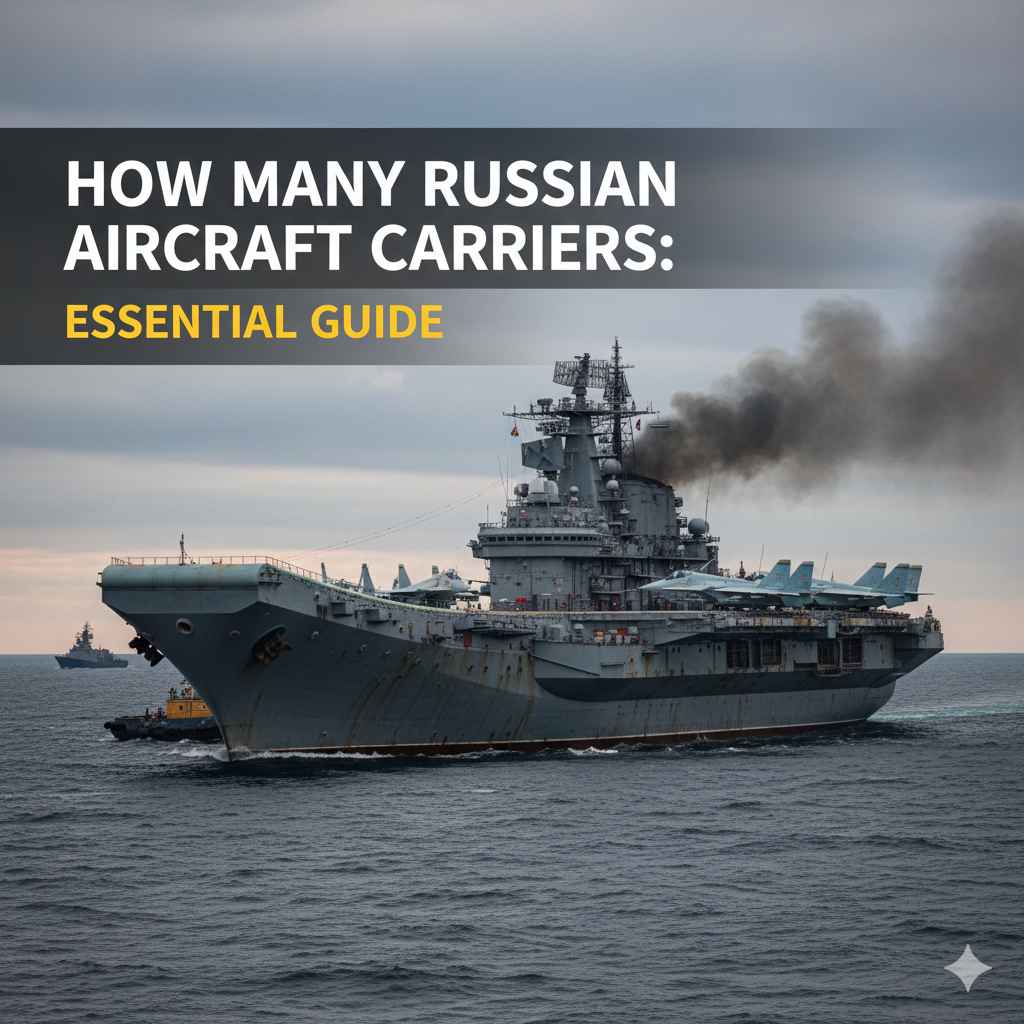
The short answer to “how many Russian aircraft carriers” is: currently, Russia operates one aircraft carrier, the Admiral Kuznetsov. This guide breaks down its status, history, and what the future might hold, making it easy for anyone to understand.
Ever wondered about the might of a nation’s navy, especially when it comes to those massive floating airbases? It’s a common question that pops up when you hear about global naval powers. Thinking about aircraft carriers can feel a bit overwhelming, like trying to understand a language you’ve never heard. But don’t worry! We’re going to break down exactly how many aircraft carriers Russia has in a super simple way. We’ll explore their main carrier, what makes it special, and touch on its history. By the end, you’ll feel much more confident understanding this piece of naval power. Let’s dive in and clear up this common question!
Understanding Aircraft Carriers: A Quick Primer
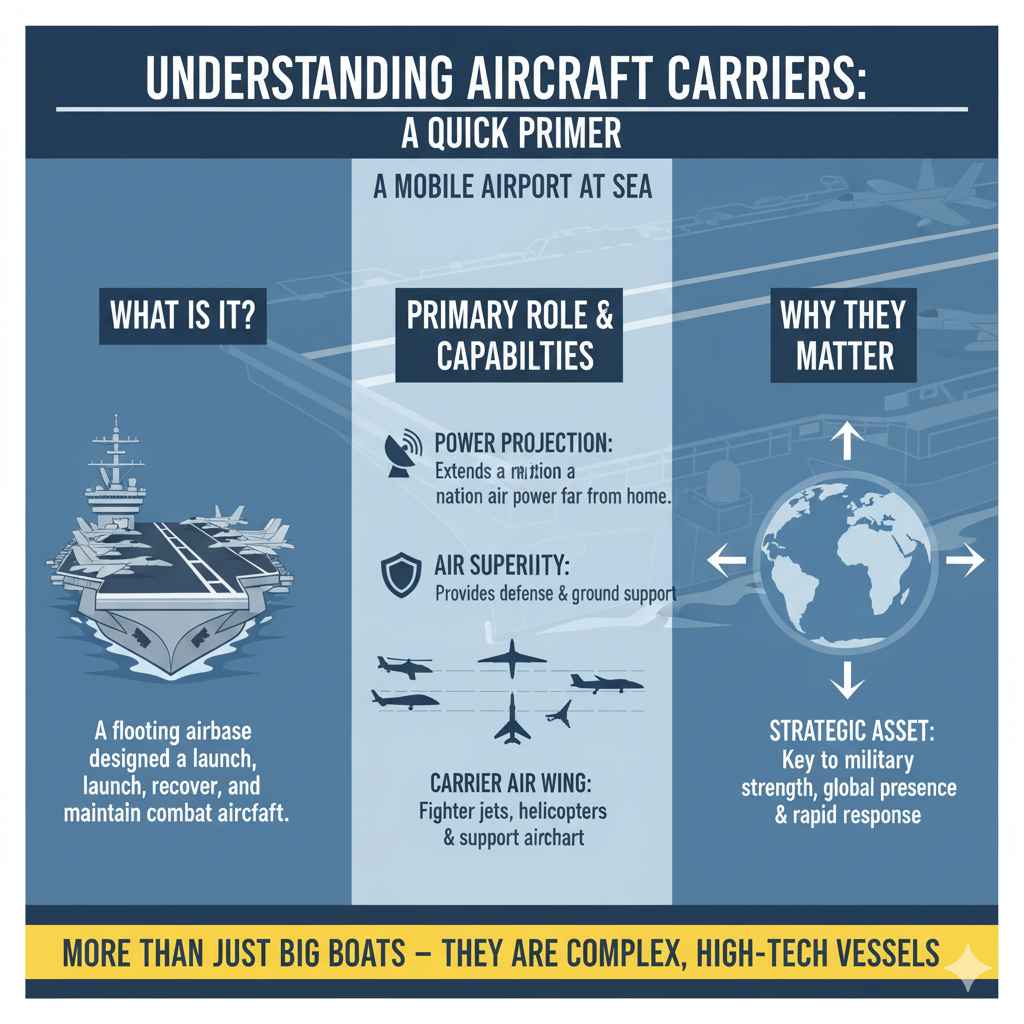
Before we jump into Russia’s specific situation, let’s quickly touch on what an aircraft carrier actually is. Think of it as a mobile airport that sails on the ocean. Its main job is to launch and recover aircraft, acting as a key part of a nation’s military strength. These aren’t just big boats; they are complex, high-tech vessels designed to project power and provide air support far from land. They carry a complement of fighter jets, helicopters, and other specialized aircraft, all managed by a large crew. Understanding their role helps us appreciate why knowing how many a country possesses is a significant point of interest.
How Many Russian Aircraft Carriers Today?
When you ask “how many Russian aircraft carriers,” the answer is straightforward but comes with important context.
Russia currently operates one aircraft carrier: The sole operational carrier in the Russian Navy is the RFS Admiral Kuznetsov.
This single vessel is the centerpiece of Russia’s carrier capabilities. It’s important to note that while it is the only one, its operational status and future have been subjects of much discussion and scrutiny over the years.
The RFS Admiral Kuznetsov: Russia’s Sole Carrier
The Admiral Kuznetsov is more than just a ship; it’s a symbol of Russia’s aspirations for blue-water naval power. Built in the Soviet era, it has a long and sometimes troubled history.
Key Features of the Admiral Kuznetsov
The Admiral Kuznetsov is a heavy aircraft-carrying missile cruiser, a designation that reflects its dual role. It can carry aircraft and also serves as a platform for launching anti-ship missiles.
Here’s a look at some of its characteristics:
Class: Admiral Kuznetsov class
Displacement: Approximately 58,000 to 60,000 tons fully loaded. This makes it one of the larger aircraft carriers in the world, though smaller than the U.S. Navy’s supercarriers.
Aircraft Capacity: Designed to carry around 26 fixed-wing aircraft and 24 helicopters. The types of aircraft typically include Sukhoi Su-33 fighters, Su-25UTG trainers, and various anti-submarine warfare (ASW) helicopters like the Ka-27.
Armament: Beyond its aircraft, it is armed with a formidable array of weapons, including anti-ship missiles (like the P-1000 Vulkan), surface-to-air missiles (SAMs), and close-in weapon systems (CIWS) for defense. This unique combination of carrier and missile cruiser capabilities is a hallmark of its design.
Propulsion: It uses a conventional steam turbine propulsion system. This means it requires significant amounts of fuel and is not as energy-efficient as the nuclear-powered carriers operated by some other navies.
A Glimpse into the Admiral Kuznetsov’s History
The Admiral Kuznetsov was laid down in 1982 as Riga, renamed Leonid Brezhnev, and finally commissioned as Tbilisi in 1991, before being renamed Admiral Kuznetsov shortly after. Its service life has been marked by periods of deployment but also by extended maintenance and refit periods.
Early Deployments: It saw deployments to the Mediterranean Sea and had engagements with naval forces from the United States and NATO.
Accidents and Incidents: The carrier has suffered several notable incidents, including fires and equipment malfunctions, which have impacted its operational readiness.
Modernization Efforts: Over the years, Russia has attempted various modernization programs for the Admiral Kuznetsov to improve its capabilities and extend its service life. These efforts have often been hampered by funding issues and technical challenges.
The Future of Russian Aircraft Carriers
The question of “how many Russian aircraft carriers” might soon involve discussions about future plans. Russia has, at various times, expressed ambitions to expand its carrier fleet.
Planned and Potential Replacements
While the Admiral Kuznetsov is currently the only carrier, there have been concepts and tentative plans for new carriers.
New Carrier Designs: Russian shipyards have presented conceptual designs for larger, more modern carriers, sometimes referred to as “Project 23000E” or “Shtorm” (Storm). These proposed designs envision carriers capable of operating next-generation aircraft and having enhanced capabilities.
Challenges to Development: Building a new, modern aircraft carrier is an enormously expensive and technically challenging undertaking. Russia has faced economic constraints and the complexities of developing new carrier aircraft and launch/recovery systems. Therefore, any new carrier program would likely be a long-term project with significant hurdles to overcome.
It’s important to treat these future plans as aspirations rather than immediate certainties. The financial and industrial capacity to construct and maintain a fleet of modern carriers is a major factor.
Why Only One Carrier? Understanding the Context
There are several reasons why Russia, despite its significant military power, operates only one aircraft carrier.
Cost: Aircraft carriers are incredibly expensive to build, maintain, and operate. This includes the cost of the ship itself, the aircraft, the specialized support infrastructure, and the large crew required to run everything.
Strategic Doctrine: Russian naval strategy has historically focused more on submarine warfare, anti-access/area denial (A2/AD) capabilities, and conventional surface fleets rather than large carrier strike groups, which are a cornerstone of U.S. naval power projection.
Industrial Capacity: The industrial base required to construct modern aircraft carriers is vast. Russia’s shipbuilding industry, while capable, has faced challenges in recent decades, and building multiple carriers would be a monumental task.
Operational Challenges: As mentioned, the Admiral Kuznetsov has faced significant operational challenges and downtime, highlighting the difficulties in keeping such complex vessels fully functional.
Understanding these factors helps explain why the number of aircraft carriers isn’t simply about ambition but also about practical considerations.
Aircraft Carriers Around the World (A Brief Comparison)
To put Russia’s situation into perspective, it’s helpful to see how other major naval powers compare. This will give you a better understanding of the global landscape of aircraft carriers.
| Country | Number of Aircraft Carriers | Key Carrier Types | Notes |
|---|---|---|---|
| United States | 11 | Supercarriers (Nimitz-class, Ford-class) | Largest carrier fleet, operates nuclear-powered carriers, global power projection capability. |
| China | 3 | Liaoning, Shandong, Fujian | Rapidly expanding its carrier fleet with modern designs. |
| United Kingdom | 2 | Queen Elizabeth-class (Queen Elizabeth, Prince of Wales) | Modern conventional carriers with advanced capabilities. |
| India | 2 | INS Vikramaditya, INS Vikrant | Operating indigenous and a refurbished carrier. |
| France | 1 | Charles de Gaulle | Nuclear-powered carrier, unique in Europe. |
| Russia | 1 | Admiral Kuznetsov (being modernized) | Currently the sole operational carrier, facing extensive repairs and upgrades. |
| Italy | 2 | Cavour, Giuseppe Garibaldi | Smaller conventional carriers with STOVL (Short Take-Off and Vertical Landing) capabilities. |
This table highlights that while Russia operates one carrier, many other significant naval powers have more, or are in the process of significantly expanding their fleets. The U.S. stands out with its large number of supercarriers, representing a vastly different scale of naval aviation power.
Maintaining a Carrier: It’s a Big Job!
Keeping an aircraft carrier operational is a continuous and demanding process. It requires specialized maintenance, skilled personnel, and significant resources.
For the Admiral Kuznetsov, this means:
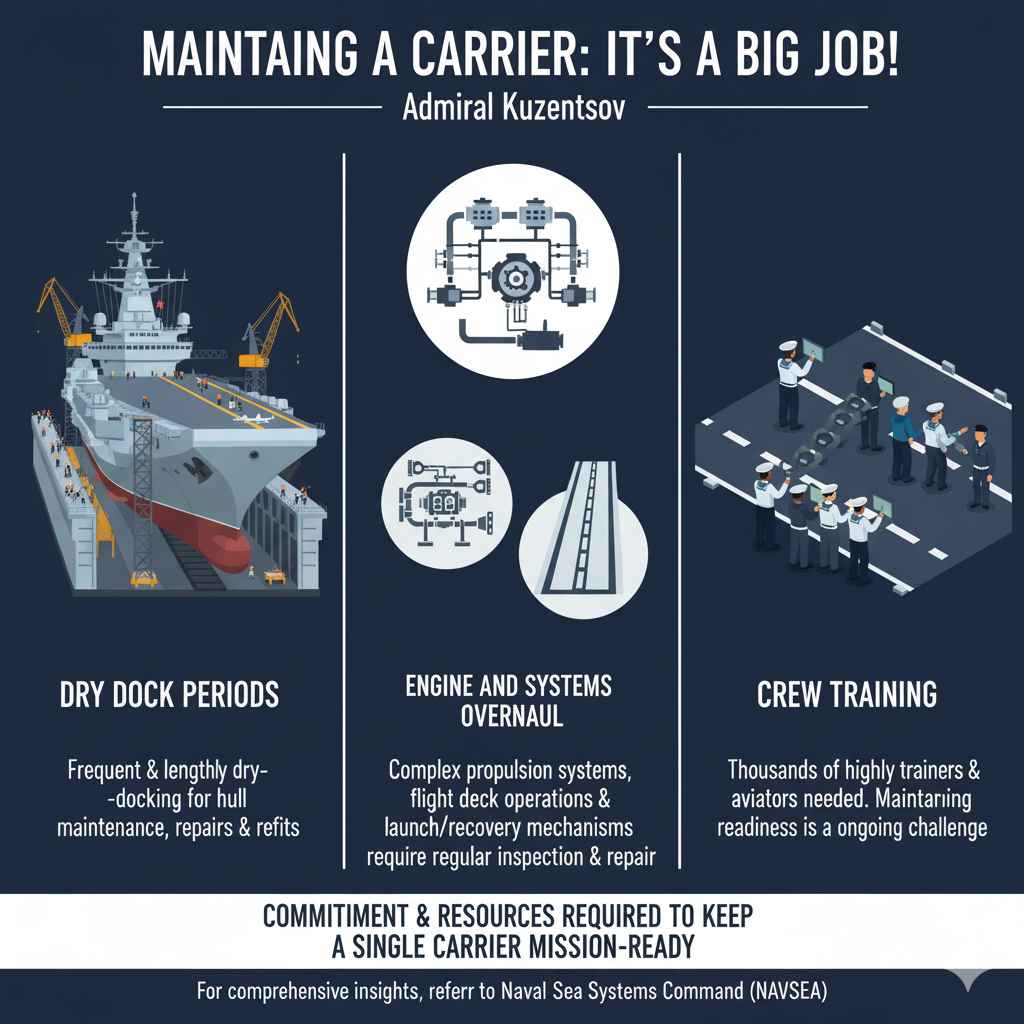
Dry Dock Periods: Carriers require frequent and lengthy periods in dry docks for hull maintenance, repairs, and refits. The Admiral Kuznetsov has spent considerable time undergoing such work.
Engine and Systems Overhaul: The complex propulsion systems, flight deck operations, and aircraft launch/recovery mechanisms all need regular inspection and repair.
Crew Training: Manning a carrier and its embarked air wing requires thousands of highly trained sailors and aviators. Maintaining readiness is an ongoing challenge.
These operational realities underscore the commitment needed to keep even a single carrier at sea and mission-ready. For comprehensive insights into naval vessel maintenance and standards, you can refer to resources from organizations like the Naval Sea Systems Command (NAVSEA), which oversees the development, procurement, and maintenance of naval ships and systems.
Frequently Asked Questions about Russian Aircraft Carriers
Here are some common questions beginners have about Russia’s aircraft carriers:
Q1: So, Russia really only has one active aircraft carrier?
Yes, that’s right. Russia currently has only one aircraft carrier in service, the RFS Admiral Kuznetsov. While it’s a significant vessel, it has faced considerable challenges with maintenance and operational availability.
Q2: What is the name of Russia’s aircraft carrier?
The name of Russia’s sole aircraft carrier is the RFS Admiral Kuznetsov.
Q3: Is the Admiral Kuznetsov a modern carrier?
The Admiral Kuznetsov was built during the Soviet era and entered service in 1991. While it has undergone refits and modernization efforts, it is not considered a “next-generation” carrier in the same vein as some newer vessels built by other countries in recent years. Its design reflects its Soviet-era origins.
Q4: What kind of planes does the Admiral Kuznetsov carry?
The Admiral Kuznetsov is designed to operate carrier-based fighter jets, primarily the Sukhoi Su-33, and also carries various types of helicopters, such as the Ka-27. It is equipped with a ski-jump for launching aircraft, rather than the catapults found on some other carriers.
Q5: Why doesn’t Russia have more aircraft carriers?
Operating aircraft carriers is extremely expensive and requires a massive industrial and technological base. Russia’s strategic focus has also historically differed, with a greater emphasis on submarines and land-based air power, compared to the carrier-centric naval strategy of countries like the United States.
Q6: Is Russia planning to build new aircraft carriers?
There have been conceptual designs and discussions about building new, larger aircraft carriers for Russia, sometimes referred to as the “Shtorm” project. However, these are very complex and costly projects, and there are significant economic and technical challenges to overcome before new carriers could be realized.
Q7: How does Russia’s carrier compare to the U.S. Navy carriers?
Russia’s Admiral Kuznetsov is considerably smaller and less capable than the U.S. Navy’s supercarriers. U.S. carriers are nuclear-powered, carry a larger air wing, and are designed for sustained global power projection. The Admiral Kuznetsov is conventionally powered and has faced more operational limitations.
When you’re trying to figure out “how many Russian aircraft carriers” there are, the answer is clear: one. The RFS Admiral Kuznetsov stands as Russia’s sole operational carrier. While it has a storied past and unique capabilities for its design class, it also faces ongoing challenges regarding maintenance and modernization. We’ve explored its features, its history, and the broader context of why one carrier, rather than a fleet, is the current reality for Russia. Understanding this helps us grasp a significant piece of modern naval strategy and capability. The world of aircraft carriers is complex, but by breaking it down, it becomes much more accessible. Keep these points in mind, and you’ll have a solid understanding of Russia’s carrier force for years to come.