When Was the First Car Made in the United States?
The first car made in the United States was completed in 1893. It was created by Charles and Frank Duryea, two brothers from Massachusetts.
This historic moment marked the beginning of the American automobile industry. The journey to that first car was filled with innovation and determination. Before the Duryea brothers, many inventors tried to build a working automobile, but none succeeded. The brothers’ success in 1893 came after years of trial and error.
Their car was a gas-powered, horseless carriage — a marvel at the time. This invention not only changed transportation but also impacted American society and the economy. Understanding the origins of the first American car offers a fascinating glimpse into the early days of automotive history. It shows how far technology has come and highlights the ingenuity of its creators.
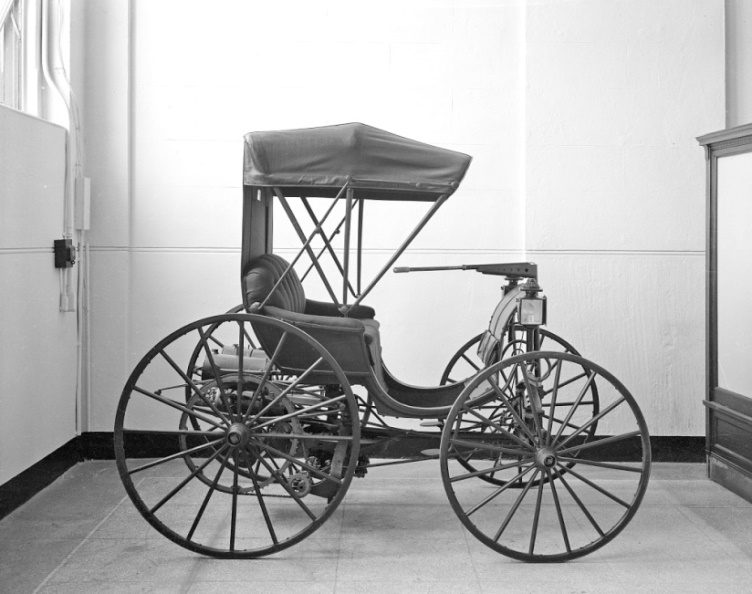
The first car made in the United States was the Duryea Motor Wagon, built by brothers Charles and Frank Duryea and first road-tested on September 21, 1893, in Springfield, Massachusetts. It ran on a 4-horsepower single-cylinder gasoline engine and could reach 7.5 mph. In 1895, a Duryea car won the first American automobile race. In 1896, the brothers founded the Duryea Motor Wagon Company — the first incorporated American automobile manufacturer.
Early Innovations
Before the Industrial Revolution, inventors worked on steam-powered vehicles. These vehicles were not like today’s cars — they were big and heavy, powered by steam engines rather than gasoline or diesel. Most looked like carriages with wheels and could move without horses, but they were slow and hard to control.
One famous example is the Cugnot Steam Trolley, built in 1770. It was a three-wheeled cart capable of carrying heavy loads, but not practical for daily use. Early steam cars laid the groundwork for future inventions and proved that self-propelled vehicles were possible.
Pioneers Of American Automotive
In the 19th century, many inventors raced to create the first American car. Charles and Frank Duryea are credited with building the first gasoline-powered car in the US in 1893. This car had a single cylinder and a four-horsepower engine.
Henry Ford later revolutionized car-making with the assembly line in 1913, making cars cheaper and faster to produce. The Model T became a cultural icon. Ransom Olds also made important contributions, creating the Oldsmobile brand in 1897 and making cars more affordable for ordinary Americans.
The Duryea Brothers
Charles and Frank Duryea made the first gas-powered car in the United States. Their car was built in 1893 and tested on the streets of Springfield, Massachusetts. It had a single-cylinder engine producing four horsepower and could reach up to 7.5 miles per hour. It looked like a horse carriage — but had no horse.
Charles was the designer who conceived the mechanical system; Frank was the more skilled machinist who built and refined the actual vehicle. This division of roles was key to their success. Frank was later credited with driving the car during its historic first public test on September 21, 1893.
The 1893 Duryea Motor Wagon
The 1893 Duryea Motor Wagon was a marvel for its time. It had a single-cylinder engine producing four horsepower and could reach speeds of up to 7.5 miles per hour. The car used a belt and chain drive system, had wooden wheels covered with iron bands, and was steered with a tiller — not a modern steering wheel. The body was made of wood and metal, making it quite sturdy for the era.
The brothers had purchased a used horse-drawn buggy for $70 and installed their engine in it. People were amazed by the Duryea Motor Wagon — many had never seen a car before. The car made a lot of noise and produced smoke from the engine, yet crowds gathered to watch it drive by. It became a popular attraction on Springfield’s streets.
First American Car: Key Dates and Milestones
From the first road test to the mass-produced Model T, American automotive history moved fast. Here’s the full timeline:
| Year | Event |
|---|---|
| 1893 | Duryea Motor Wagon first road-tested, September 21, Springfield, Massachusetts — first gasoline-powered car in the US |
| 1895 | Frank Duryea wins the first American automobile race in Chicago (November 28) at 7.3 mph average speed, earning a $2,000 prize |
| 1896 | Duryea Motor Wagon Company founded — first incorporated American automobile manufacturer; first 10 production cars sold to the public |
| 1896 | Henry Ford builds his first car, the Quadricycle, in Detroit |
| 1897 | Ransom Olds founds Olds Motor Vehicle Company (later Oldsmobile) |
| 1903 | Ford Motor Company incorporated |
| 1908 | Ford Model T launched — first car affordable for the average American family |
| 1913 | Ford introduces the moving assembly line, transforming mass production |
Impact On Transportation
The first car made in the United States was built by the Duryea brothers in 1893. This invention greatly impacted transportation, paving the way for modern vehicles and changing travel forever.
Transformation Of Mobility
The first car in the United States changed how people traveled. Before cars, people used horses or walked. Cars made travel faster and easier, helping people go farther and visit more places. Delivering goods became quicker. Cities grew as people could commute to work. Roads were built for cars. Gas stations opened. People needed car repair shops. The car became an essential part of life.
Economic Implications
The first car also transformed the economy. New jobs were created in factories, gas stations, and repair shops. The car industry grew rapidly, helping other businesses along with it. Roads and highways needed workers to build them. Business travel became easier. Goods could be moved faster. The car boosted the economy, helped the country grow, and became a symbol of progress.
The Rise Of The Automobile Industry
In the late 1800s, many companies began building cars. The Duryea Motor Wagon Company was the first, founded in 1896. Henry Ford also made his first car in 1896 — the Quadricycle. These early cars were very basic, with no roofs or windows.
By the early 1900s, the car industry grew fast. More people wanted cars. Ford Motor Company began using assembly lines in 1913, making cars faster and cheaper to produce. Other companies like General Motors and Chrysler also grew rapidly, producing many types of cars with more features and greater comfort. The first automobile ever built — Karl Benz’s 1885 Patent-Motorwagen in Germany — had inspired all of this American innovation.
Henry Ford’s Influence
The Model T was a massive success. It was affordable for many people and changed how Americans traveled. Many families bought the Model T — it was easy to drive and repair, and tough enough for rough roads. It became very famous and drove mass car ownership across the country.
Henry Ford’s assembly line changed manufacturing forever. Workers stayed in one place and performed the same task repeatedly. This saved time and effort, making car production faster and cheaper. The assembly line helped make cars accessible for everyone, not just the wealthy.
Legacy Of The First American Car
The first car in the United States was made in 1893. Charles and Frank Duryea built a horseless carriage with a single-cylinder engine, and people were amazed by this invention. It changed how they traveled. Before cars, people used horses. This car marked the start of a new era and paved the way for future innovations.
Today, cars are a part of daily life. The first car’s impact is still felt. Modern cars are much faster and safer — they have GPS, airbags, and electric engines. The journey from the first 7.5 mph Duryea Motor Wagon to today’s electric vehicles is remarkable. It shows human creativity and the power of persistent innovation.
Frequently Asked Questions
When was the first car made in the US?
The first car made in the United States was road-tested on September 21, 1893 in Springfield, Massachusetts. It was the Duryea Motor Wagon, built by Charles and Frank Duryea.
Who made the first car in America?
Charles and Frank Duryea made the first car in America. They built the Duryea Motor Wagon in 1893 in Springfield, Massachusetts. Charles designed it; Frank built and drove it.
What was the first American car?
The first American car was the Duryea Motor Wagon. It was built by Charles and Frank Duryea in 1893, ran on a 4-horsepower single-cylinder gasoline engine, and could reach 7.5 mph.
Where was the first American car built?
The first American car was built in Springfield, Massachusetts. Charles and Frank Duryea tested it on Taylor Street on September 21, 1893.
Did the Duryea brothers race their car?
Yes. On November 28, 1895, Frank Duryea drove a Duryea car to victory in the first American automobile race, held in Chicago. The car finished in just over 10 hours at an average speed of 7.3 mph, earning a $2,000 prize.
Was the Duryea car the first car ever made?
No. The Duryea Motor Wagon was the first gasoline-powered car built and tested in the United States, but Karl Benz’s Patent-Motorwagen (1885) in Germany is widely credited as the world’s first true automobile. The Duryea was built approximately 8 years later.
Conclusion
The first car made in the United States marked a historic moment — the Duryea Motor Wagon’s first drive on September 21, 1893 opened the doors to the modern transportation era. This invention changed how people travel, gave birth to the American auto industry, and eventually led to the mass-produced vehicles we rely on today. Understanding this history helps us appreciate how far technology has come since a 7.5 mph horseless carriage amazed the crowds of Springfield, Massachusetts.
Products related to this article
Sponsored / affiliate links. As an Amazon Associate I earn from qualifying purchases. I may earn additional commission from eligible campaigns.
 JMI BASIC Pre-Taped Masking Film for Car Painting – 94" x 65' Painters Plastic Sheeting with Automotive Tape and Drape, Paint Plastic Covering Cars, Appliance, Windows and Furniture Protection (1)
 Solar Powered Car Window Fan - Universal Solar Car Front/Rear Window Exhaust Fan Car Window Cooler Fan Air Ventilator Exhaust Radiator, Eliminate Smell (Black)