How Much Does Car Repair Cost? Quote Breakdown
Car repair costs usually range from about $100 for a simple battery swap to $2,000 or more for major engine, transmission, or brake work; a fair quote lists parts, labor, fees, and diagnosis. Miss that breakdown, and you can overpay, approve a bad fix, or pour money into a car that is not worth it. This guide shows how to read a quote, spot inflated charges, and decide when to repair, price-shop, or walk away.
What a repair quote includes

A useful quote should show the diagnosis, the labor time, the part choice, and every extra fee. If it only gives one lump sum, you cannot tell whether the shop is charging for testing, quoting a premium part, or padding the bill with supplies and shop fees.
Diagnosis and scan fees
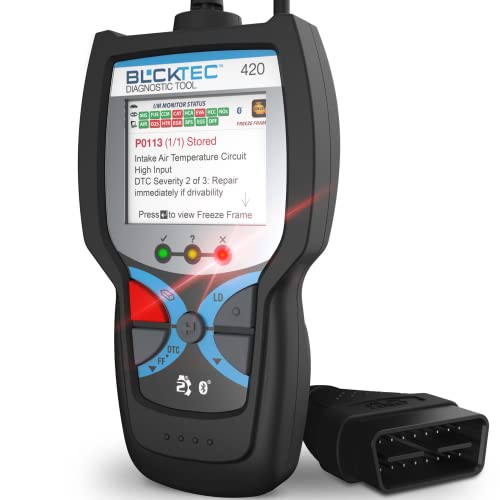
Many shops charge a diagnostic fee before any repair begins. That fee may cover scan-tool work, pressure tests, leak checks, electrical tracing, or a road test. Sometimes the fee is credited toward the repair if you approve the job, but not always, so ask before you authorize anything.
For modern cars, a warning light scan is only the first step. A code for an oxygen sensor, for example, may still require wiring checks, exhaust leak testing, or live-data review. If the shop has not explained what the diagnosis covers, the estimate is incomplete.
Labor, parts, fluids, taxes, and shop supplies
Labor usually makes up a large share of the bill. The quote should show the number of labor hours and the hourly rate. Parts should be listed by type, along with any fluids, seals, or shop-supply charges. Taxes and disposal fees may also apply, depending on location.
Warranty terms to check before you approve
Read the warranty line closely. A repair may carry 12 months or 12,000 miles, or a different term for parts versus labor. Ask whether the warranty is honored nationwide, whether towing is included, and whether a remanufactured or used part has a shorter coverage period than a new part.
Repair quote breakdown table
This table shows the line items that usually appear on a detailed quote and how to judge them.
| Quote line | Typical example | What to check |
|---|---|---|
| Diagnosis | $120 scan and test charge | Ask if it is credited toward repair and what tests are included. |
| Labor hours | 2.5 hours | Compare the time guide and whether extra access steps were added. |
| Labor rate | $140 per hour | Dealer rates often run higher than independent shop rates. |
| Part type | OEM alternator, aftermarket brake pads, reman starter, used mirror | Match the part type to warranty, downtime, and vehicle value. |
| Fluids / shop supplies | $18 coolant, $12 brake cleaner, $15 supplies | These should be specific, not a mystery fee with no label. |
| Taxes / fees | Sales tax, environmental fee, core charge | Core charges should be refundable when the old part is returned. |
| Warranty | 24 months / 24,000 miles | Check what coverage includes and whether labor is covered too. |
Why labor rates change

Labor rates vary by shop type, region, and repair complexity. Dealer service departments often charge more because they carry higher overhead and may use brand-specific tools and procedures. Independent shops are often cheaper, but not always; compare the rate, the labor time, and the warranty together.
Dealer vs independent shop pricing
Dealers usually charge more per hour than local independents, especially for newer vehicles that need manufacturer-specific software or programming. An independent shop may quote less on routine mechanical work, but a dealer may be the better fit for software updates, module programming, or brand warranty work.
Regional differences and diagnostic fee rules
Rates in high-cost cities are often higher than in smaller markets. Some shops also apply a separate diagnostic fee, while others fold diagnosis into labor if you approve the repair. Ask whether the fee is waived, credited, or billed regardless of the outcome.
How parts pricing shifts
Parts prices change based on whether the shop uses OEM, aftermarket, remanufactured, or used parts. Availability matters too. A backordered OEM module can delay the repair for days, while a used part may be cheaper but offer less warranty and more uncertainty.
OEM, aftermarket, remanufactured, and used parts
OEM parts usually cost the most and match the original design. Aftermarket parts can be cheaper, but quality varies by supplier. Remanufactured parts sit in the middle and are common for starters, alternators, and some compressors. Used parts are often the lowest-cost option for body pieces, mirrors, and trim, though warranty coverage is usually limited.
Availability delays and warranty trade-offs
If a car is stuck with a broken starter or alternator, a remanufactured part may be available today while an OEM part arrives later. That difference matters if you need the car back quickly. The cheaper part is not always the better deal if the warranty is short or the labor to replace it is high.
How much are common repairs?
Common repair prices depend on the failed part, access time, and part type. Brakes and batteries are usually on the lower end of the scale. Starters, alternators, suspension parts, air conditioning work, and transmissions can climb fast because labor and parts costs stack up.
Brakes and battery costs
Brake pad and rotor jobs often cost more than a battery replacement because they involve more labor and wear items. A battery swap can be simple if the battery is easy to reach, but some cars require registration or memory saver steps. Brake fluid service, seized hardware, and electronic parking brakes can raise the bill.
Starter, alternator, and suspension jobs
How much does replacing a car starter cost? Usually more than a battery, because the starter may sit under intake parts, exhaust pieces, or wiring harnesses. Alternators often cost a similar amount or more if belt drive components must come off first. Suspension repairs vary widely; a single control arm is one thing, while multiple worn joints and alignment work can turn a small repair into a large one.
Suppose a compact sedan needs a starter, and the quote shows 2.0 labor hours, a remanufactured starter, and a 12-month warranty. That is easier to judge than a vague total. If the same car also needs a battery and cable repair, the final bill can make more sense only if each line is separate.
AC and transmission repairs
AC repairs often range from a simple recharge or sensor issue to a compressor, condenser, or control-module job. Transmission work sits near the top of the cost scale because of labor time, fluid, and part expense. If a transmission quote is close to the car’s value, the repair-versus-replace decision matters more than the sticker price alone.
How much is too much for a car repair?
A repair is often too much when the total bill gets close to the car’s market value, or when several age-related repairs are already stacking up. A common rule of thumb is to question repairs that reach roughly 50% of vehicle value, then inspect the rest of the car before deciding.
Repair versus replace threshold
A common rule of thumb is: if repair cost ÷ vehicle value is above about 0.5, pause and compare options. For example, if the car is worth about $4,000 and the repair is about $2,600, that ratio is roughly 65%, which can be hard to justify unless the car is otherwise very reliable and recently maintained. If the bill is around 20% to 30% of value, repair may still be reasonable.
Vehicle value and high-mileage risk
Older cars and high-mileage cars are more likely to need another repair soon. That does not mean every older car should be scrapped. It means you should ask whether this quote fixes one isolated failure or only the next item in a long queue of worn parts.
A common first-timer mistake is approving a major repair on an older, high-mileage car without asking what is still original. If the timing system, cooling parts, or suspension are also near failure, a single fix may only buy a short reprieve.
How do I tell if a repair is worth it?
A repair is worth it when the quote is clear, the vehicle has enough remaining value and useful life, and the failure does not point to a chain of near-term costs. Safety, downtime, and warranty coverage should all count. Cheap is not enough if the car will still be unreliable.
- Compare the total quote to the car’s current value.
- Check whether the vehicle has other pending repairs.
- Separate safety-critical work from convenience work.
- Ask whether a less expensive part changes the warranty.
- Consider how long you plan to keep the car.
Can you cut the bill?
You can often lower the final bill by asking for a line-by-line quote, checking the diagnostic policy, and comparing part options before the work starts. Coverage from a factory warranty, extended warranty, service contract, or mechanical breakdown insurance can also reduce out-of-pocket cost.
Questions to ask before authorizing work
Ask what failed, what was tested, and whether any related parts should be replaced now to avoid paying labor twice. Ask for the part brand, the labor hours, and the warranty term. If the quote includes a charge that is not labeled, request a specific description before approval.
Coverage that can reduce your out-of-pocket cost
Factory warranties may cover defects, but they often exclude wear items like brake pads, tires, and wiper blades. Extended warranties and service contracts vary by contract terms, not by the sales pitch. Mechanical breakdown coverage can help with certain mechanical failures, but it may require preapproval and specific claim steps.
When the car should be towed instead of driven
Do not drive if the car has brake failure, severe overheating, a blown tire, a broken wheel stud, or a transmission that slips so badly it cannot maintain speed. Tow it if there is a fuel smell, smoke, grinding from a wheel, or a warning light tied to a safety system that changes how the car stops or steers. Downtime costs matter, but safety comes first.
Frequently asked questions
How much does car repair cost?
Car repair cost ranges widely, but a basic job may start near $100 and major work can exceed $2,000. The quote should separate diagnosis, labor, parts, taxes, and fees so you can judge whether the total is fair for the repair type and the car’s value.
How much does car service cost?
Service cost is usually lower than major repair cost because it covers maintenance rather than failure. Oil changes, filters, brake fluid, and inspections tend to be more predictable. Even so, added shop fees, premium fluids, or dealer labor rates can move the final total higher than expected.
How much does replacing a car starter cost?
Starter replacement often lands in the middle of the repair range because the part and labor both matter. The exact price depends on access, whether the car needs a remanufactured or OEM starter, and whether related wiring or battery issues are found during diagnosis.
How can I estimate repair cost before booking?
Start with the symptoms, get the likely parts identified, and ask for a written estimate that separates diagnosis from repair. Ask whether the shop offers OEM, aftermarket, remanufactured, or used parts. Then compare the quote to the vehicle’s value and likely near-term repairs.
Products related to this article
Sponsored / affiliate links. As an Amazon Associate I earn from qualifying purchases. I may earn additional commission from eligible campaigns.