What Is a Diagnostic Fee for Car Repair? Real Costs & Your Rights
A diagnostic fee is a fixed or hourly charge that covers a technician’s time and specialized equipment used to identify what’s wrong with your vehicle, before any repair work begins. Independent shops typically charge $40-$160 for this, while dealerships charge $100-$500 — and most shops credit the fee toward the repair if you go ahead with it.
Quick Answer: Expect $40-$160 at an independent shop and $100-$500 at a dealership for a diagnostic fee, depending on the vehicle and issue complexity. Most shops apply a “charge-and-credit” model — you pay the fee regardless, but it’s subtracted from your bill if you approve the repair there.
These charges compensate the shop for trained technicians, specialized diagnostic equipment, and the time it takes to accurately pinpoint a problem before any repair work starts.
Charging for Diagnostics: The Basics
Diagnostic fees are typically structured as either a flat rate or an hourly charge, and they cover the technician’s time and expertise in identifying the issue — plus any specialized equipment needed to pinpoint it. Some shops advertise “free” diagnostics, but that’s almost always contingent on you authorizing the repair work afterward. Dealerships in particular tend to require a fixed diagnostic fee before any repair conversation starts, since manufacturer-specific scan tools and training are involved.
What a Diagnostic Fee Actually Costs: Independent vs. Dealership
The single biggest factor in what you’ll pay is whether you go to an independent shop or a dealership — the gap between them is larger than most people expect.
| Shop Type | Basic Diagnostic | Complex/Electrical Issue |
|---|---|---|
| Independent shop | $40 – $120 | $100 – $160 |
| Dealership | $100 – $200 | $150 – $500+ |
The overall US average across all shop types lands around $100-$150, though prices can run as low as $75 or as high as $255 depending on your region and the vehicle — and that’s before any actual repair cost, which is a separate line item entirely. Dealerships and European-specialist shops charge more because they’ve invested in manufacturer-specific scan tools and factory-trained technicians — independent shops usually have lower overhead and more flexible pricing, but may need to send certain proprietary diagnostic codes to a dealer for a full readout on newer vehicles.
Is It Legal to Charge a Diagnostic Fee? Your State’s Rules
Yes, diagnostic fees are legal nationwide — but several states specifically regulate how and when a shop can charge you for one, and it’s worth knowing your state’s rule before you approve anything:
- Connecticut: A shop needs your written consent before charging $50 or more for an estimate or diagnosis.
- Washington: If you’re dealing with the shop face-to-face and the expected cost is over $100, you’re entitled to a written estimate before work begins — failing to provide one is treated as a legal violation in that state.
- California: The state’s Bureau of Automotive Repair governs estimate requirements, written authorization, and what happens if the final bill exceeds the original estimate.
There’s no single federal law requiring a written estimate for consumers everywhere, but the FTC Act prohibits unfair or deceptive trade practices, which gives you a backstop even in states without specific diagnostic-fee rules. When in doubt, ask for the fee amount and scope in writing before you say yes.
Free Diagnostics: Fact or Fiction?
“Free diagnostics” advertising can be misleading. In practice, most shops run what’s called a charge-and-credit model: the diagnostic fee appears on your estimate and is due regardless of what you decide, but it’s credited back against the total repair cost if you authorize the work at that shop. If you decline the repair or take your car elsewhere, you typically still owe the diagnostic fee — it was never actually “free,” the cost was just bundled into the repair price for customers who said yes.
Always ask upfront: is this fee waived only if I approve repairs here, or is it truly free either way? Get the answer in writing if the shop hesitates.
Insider Tips to Avoid Overpaying
- Ask for a written, itemized quote before any diagnostic work starts — what’s covered, and whether it’s credited toward repairs.
- Get a second opinion if a diagnostic result leads to an unusually large repair estimate — a second shop’s diagnostic fee is often cheaper than an unnecessary repair.
- Run your own basic scan first. Many auto parts stores (AutoZone, Advance Auto Parts, O’Reilly) will read your check-engine code for free — it won’t replace a full shop diagnosis, but it gives you a starting point to compare against what the shop tells you.
- Know your state’s rules on written estimates (see above) so you can push back if a shop skips that step.
Check It Yourself First
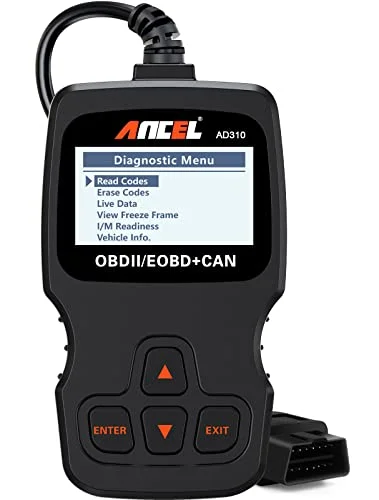
ANCEL AD310 OBD2 Scanner
Reads the same check-engine codes a shop’s basic scan pulls — a cheap way to walk in already knowing roughly what you’re dealing with.
View Our Pick on Amazon
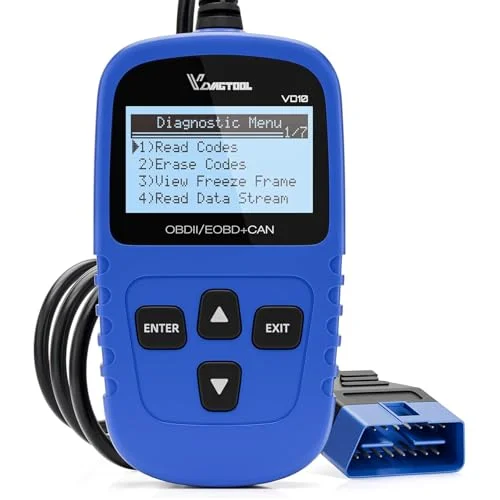 VDIAGTOOL VD10 Budget-friendly code reader for a quick pre-shop check Check on Amazon |
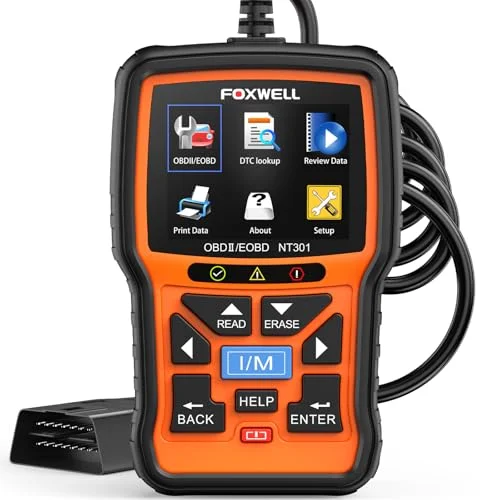 FOXWELL NT301 Live-data readout for comparing against the shop’s own findings Check on Amazon |
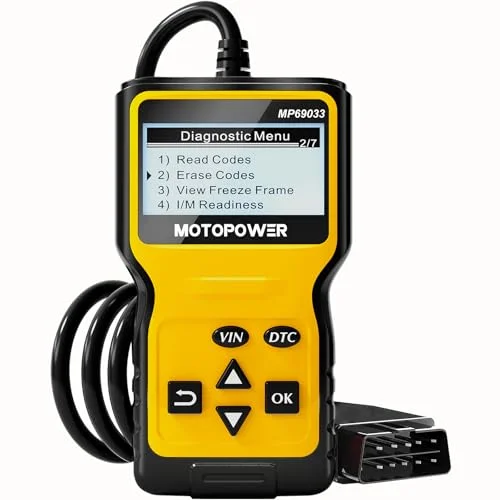 MOTOPOWER MP69033 Compact, simple pick for basic code-reading only Check on Amazon |
As an Amazon Associate, this site earns from qualifying purchases.
“Ask the shop two questions before you agree to anything: what does the diagnostic fee cover, and does it get credited if I approve the repair here? A shop that hesitates to answer either question in writing is a shop worth getting a second opinion from.” — a distillation of the charge-and-credit model most reputable shops already follow.
Frequently Asked Questions
Why do mechanics charge so much for diagnostics?
Mechanics charge for diagnostics because they use specialized equipment and years of trained experience to accurately identify the issue. The fee covers the technician’s time and expertise, and it ensures you get a correct diagnosis before paying for the wrong repair.
How much does a diagnostic check on a car cost?
Expect $40-$120 at an independent shop for a basic diagnostic, or $100-$200 at a dealership. Complex electrical issues can push independent-shop pricing to $100-$160 and dealership pricing to $150-$500 or more. The US average across all shop types is roughly $100-$150.
Do garages charge for diagnosis?
Yes, most garages charge for diagnosis. Some advertise it as “free,” but that’s usually only true if you agree to have the repair done at that same shop — otherwise the diagnostic fee still applies.
What is a diagnostic fee?
A diagnostic fee is a fixed or hourly price auto repair shops charge for the technician’s time, expertise, and equipment used to identify a vehicle problem, usually required before any repair work begins.
Is it legal for a shop to charge a diagnostic fee without telling me first?
It depends on your state. Connecticut requires your written consent for a diagnostic charge of $50 or more; Washington requires a written estimate for face-to-face repairs expected to cost over $100; California’s Bureau of Automotive Repair sets its own estimate and authorization rules. Even where no specific state law applies, the FTC Act prohibits unfair or deceptive charging practices.
Can I compare diagnostic prices between shops?
Yes. Call ahead and ask what the diagnostic fee covers and whether it’s credited toward repairs. Comparing 2-3 shops, especially an independent shop against a dealership, is one of the easiest ways to avoid overpaying — see our breakdown of whether you really have to go to the dealership for service for more on that trade-off.
Conclusion
Auto repair shops charge for diagnostics because accurately identifying a problem takes real time, training, and equipment — and it protects you from paying for the wrong repair. Expect $40-$160 at an independent shop or $100-$500 at a dealership, ask upfront whether the fee is credited toward repairs, and check your state’s written-estimate rules if a shop seems reluctant to put the charge in writing. Once you know the actual problem, see our guide on what car repairs typically cost to gauge whether the shop’s repair quote is reasonable.
Products related to this article
Sponsored / affiliate links. As an Amazon Associate I earn from qualifying purchases. I may earn additional commission from eligible campaigns.