How Much Does It Cost To Replace Car AC: Essential Guide
Quick Summary: Replacing your car’s AC system can cost anywhere from $500 to $3,500 or more, depending on the specific parts needed, labor rates in your area, and whether you use a dealership or an independent mechanic. Understanding the components and potential issues will help you get a fair quote.
Is your car’s air conditioning acting up, leaving you sweltering on a hot day? A malfunctioning AC system can turn even the shortest commute into an uncomfortable ordeal. Many car owners worry about the cost of AC repairs, especially when complex components are involved. But don’t sweat it! This guide is designed to demystify the process, break down the costs, and empower you with the knowledge to make informed decisions about your car’s AC system. We’ll cover everything from common AC problems to the pricing for different repair scenarios, ensuring you know exactly what to expect.
Understanding Your Car’s AC System & Common Issues
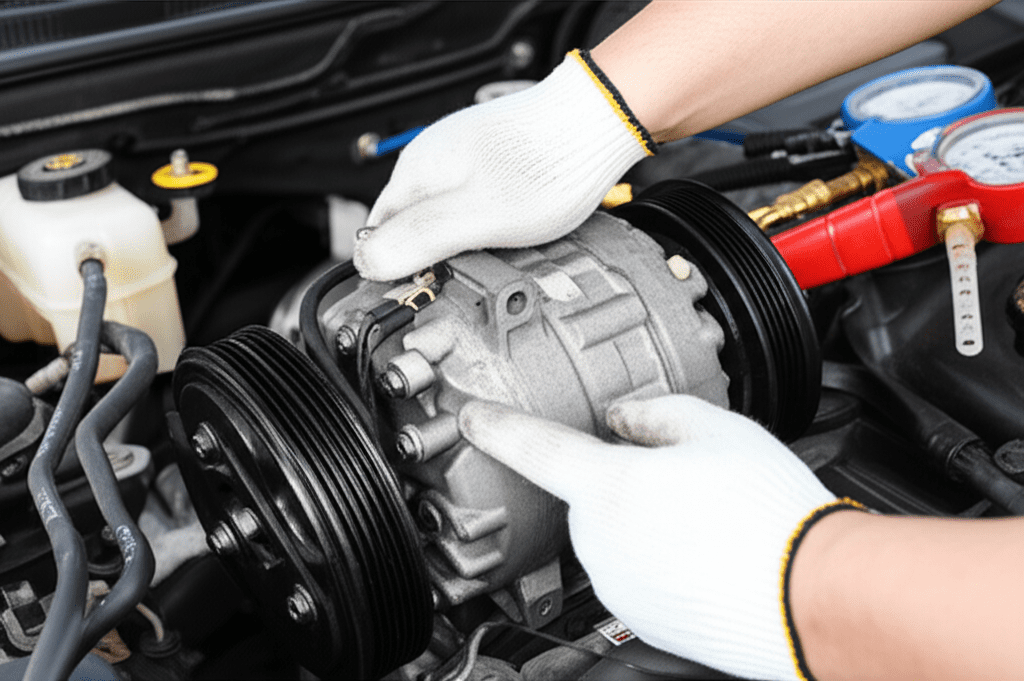
Your car’s air conditioning system is a marvel of engineering, working like a miniature refrigeration cycle to cool your cabin. It involves several key components, and when one of them fails, your cool comfort can disappear quickly. Knowing these parts and the common problems associated with them will help you understand why certain repairs are more expensive than others.
Key Components of a Car AC System
- Compressor: This is the heart of the AC system. It pumps refrigerant, compressing it and sending it through the system. It’s often the most expensive part to replace.
- Condenser: Located at the front of the car, usually in front of the radiator, it releases heat from the refrigerant, turning it into a liquid.
- Evaporator: Found inside the dashboard, it absorbs heat from the cabin air, making the air cold.
- Receiver-Drier/Accumulator: This component stores refrigerant and removes moisture from it.
- Expansion Valve/Orifice Tube: This controls the flow of refrigerant into the evaporator.
- Refrigerant: The “freon” or coolant that circulates through the system, absorbing and releasing heat.
- Blower Motor: This fan pushes the cooled air into the cabin.
Common Signs of AC Problems
Before you start budgeting for a replacement, it’s helpful to recognize the symptoms of a failing AC system:
- Weak or No Cold Air: The most obvious sign. Air might blow, but it’s warm or only slightly cooler than the outside air.
- Strange Noises: Grinding, squealing, or rattling sounds coming from the engine bay when the AC is on can indicate compressor issues.
- Musty or Moldy Smells: This usually points to mold or mildew buildup in the evaporator or cabin air filter.
- AC Compressor Not Engaging: You might hear a click when you turn the AC on, but the compressor clutch doesn’t engage, meaning no cooling occurs.
- Visible Leaks: Puddles of water under the car (this is usually condensate drainage, which is normal), but oily residue around AC components can indicate a refrigerant leak.
Factors Influencing Car AC Replacement Costs
The price tag for replacing your car’s AC system isn’t a one-size-fits-all number. Several factors play a significant role in determining the final cost. Understanding these elements will help you prepare and potentially find ways to manage expenses.
1. The Specific Component(s) Being Replaced
The most significant cost driver is which part of the AC system needs replacement. Some components are inherently more expensive and labor-intensive to swap out than others.
- Compressor Replacement: This is often the priciest job. Compressors are complex mechanical devices, and due to their location and complexity, labor costs are substantial.
- Condenser Replacement: Usually located at the front of the vehicle, condensers are susceptible to road debris. While less complex than compressors, they still involve significant labor.
- Evaporator Replacement: This is typically the most labor-intensive and expensive repair because the entire dashboard often needs to be removed to access it safely.
- Refrigerant Recharge (Top-Off): If the issue is simply low refrigerant due to a small leak, a recharge might be sufficient. This is the cheapest option but doesn’t fix the underlying leak.
- Leak Detection and Repair: If a leak is found, fixing the specific spot (e.g., a hose, seal, or fitting) and then recharging the system will be less expensive than replacing a major component.
2. Labor Costs
Mechanic labor rates vary widely based on:
- Geographic Location: Major metropolitan areas typically have higher labor rates than rural areas.
- Type of Repair Shop: Dealerships usually charge the highest labor rates, followed by national chains, and then independent mechanics.
- Mechanic’s Expertise: Some shops specialize in certain types of repairs, which might influence their pricing.
A typical mechanic’s labor rate can range from $75 to $150+ per hour. AC repairs can often take 3 to 7 hours or more, depending on the complexity.
3. Parts Quality and Type
- OEM (Original Equipment Manufacturer) Parts: These are parts made by or for your car’s manufacturer. They are generally the highest quality but also the most expensive.
- Aftermarket Parts: These parts are made by third-party companies. They can be significantly cheaper than OEM parts, and the quality can range from excellent to poor. It’s wise to research reputable aftermarket brands.
- Remanufactured/Rebuilt Parts: Compressors are sometimes available as remanufactured units. These are older parts that have been inspected, repaired, and restored to working condition. They offer a cost-saving alternative but may have a shorter lifespan than new parts.
4. Refrigerant Type and Amount
Older vehicles might use R-12 refrigerant, which is no longer manufactured and very expensive to obtain legally ($100+ per pound). Most modern cars use R-134a or the newer R-1234yf. R-1234yf is significantly more expensive than R-134a, both for the refrigerant itself and due to specialized equipment needed for handling it. The amount of refrigerant needed varies by vehicle, typically between 1.5 to 3 pounds.
For more information on refrigerant types and handling, the U.S. Environmental Protection Agency (EPA) provides valuable resources on Refrigerant Management.
Estimated Costs for Common AC Repairs and Replacements
Let’s break down the potential costs based on the specific parts that might need replacement. These figures are estimates and can vary widely. It’s always best to get a detailed quote from a trusted mechanic after they’ve diagnosed the issue.
| AC Component Replaced | Estimated Parts Cost | Estimated Labor Cost | Total Estimated Cost |
|---|---|---|---|
| Refrigerant Recharge (Top-Off) | $30 – $100 (for refrigerant) | $75 – $150 (diagnostics + labor) | $105 – $250 |
| AC Hose/Line Replacement | $50 – $250 | $150 – $400 | $200 – $650 |
| Receiver-Drier/Accumulator Replacement | $40 – $150 | $150 – $300 | $190 – $450 |
| Expansion Valve/Orifice Tube Replacement | $20 – $80 | $150 – $300 | $170 – $380 |
| Condenser Replacement | $150 – $500 | $200 – $500 | $350 – $1,000 |
| Evaporator Replacement | $200 – $600 | $500 – $1,500+ (due to dash removal) | $700 – $2,100+ |
| Compressor Replacement (with Clutch) | $300 – $1,000+ | $300 – $800+ | $600 – $1,800+ |
| Full System Replacement (e.g., Compressor, Dryer, Evaporator) | $600 – $1,700+ | $800 – $2,000+ | $1,400 – $3,700+ |
| Specialty Refrigerants (e.g., R-1234yf) | Additional $100 – $300+ (for refrigerant and handling) | May increase labor slightly | Adds to total estimate |
Note: These are broad estimates. Actual costs can vary significantly based on vehicle make/model, location, and mechanic choice. Always get a personalized quote.
The AC Replacement Process: What to Expect
When you bring your car in for AC service, the repair shop will typically follow a specific set of steps to diagnose and fix the problem. Understanding this process can help you feel more confident and prepared.
-
Diagnosis: The mechanic will start by performing a thorough diagnosis. This usually involves:
- Checking refrigerant levels and pressures.
- Visually inspecting components for leaks or damage.
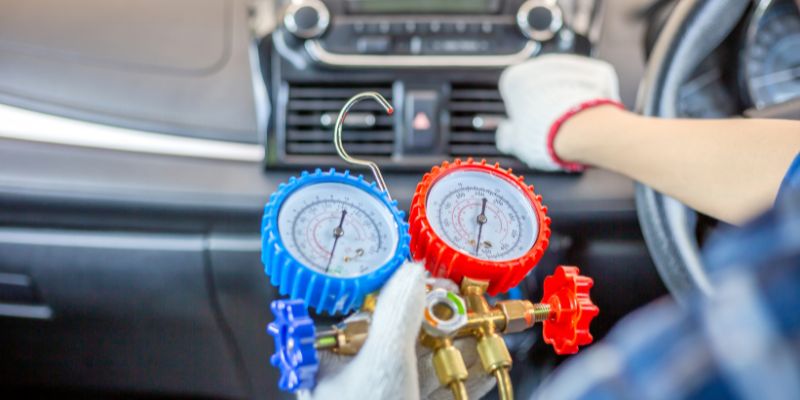
- Using specialized equipment like manifold gauges to read system pressures.
- Employing leak detection methods (UV dye, electronic sniffer, or nitrogen pressure test).
- Evacuation and Recovery: If a refrigerant leak is found or a component needs replacement, any remaining refrigerant must be safely recovered using a certified recovery machine, as mandated by the EPA. This process also evacuates the system of air and moisture.
- Component Replacement: The faulty part(s) will be replaced. In most AC repair jobs, it’s recommended to replace the receiver-drier (or accumulator) and the expansion valve (or orifice tube) along with the compressor or condenser, even if they don’t appear to be faulty. This is because these components can become contaminated with debris from a failing part (especially the compressor) and can lead to premature failure of the new parts.
- System Flushing (Optional but Recommended): If there’s been a catastrophic compressor failure, the system may need to be flushed to remove any debris. This adds to the cost but is crucial for longevity.
- Leak Testing: After installing new parts, the system is often pressurized with dry nitrogen and tested for leaks again to ensure everything is sealed properly before adding refrigerant.
- Refrigerant Recharge: The system is then refilled with the correct type and amount of refrigerant, typically using specialized AC service equipment that measures the charge precisely.
- Performance Test: Finally, the mechanic will run the AC and measure the vent temperatures and system pressures to ensure it’s operating correctly and efficiently.
A critical step often overlooked is ensuring the system is dry. Moisture is the enemy of AC systems. For advanced information on AC system diagnostics, consider resources from automotive training institutions like ASE (Automotive Service Excellence), though their public-facing information is often geared towards certified technicians.
DIY vs. Professional Repair: Which is Right for You?
When your car’s AC needs attention, you have two main paths: tackle it yourself or take it to a professional. Each has its own set of pros and cons.
DIY AC Repair
For those with a knack for mechanics and the right tools, some AC tasks might be feasible.
-
Pros:
- Significant cost savings on labor.
- Sense of accomplishment and learning.
- Can be done on your own schedule.
-
Cons:
- Requires specialized tools (manifold gauge set, vacuum pump, recovery machine, leak detector).
- Refrigerants are hazardous and regulated, requiring EPA certification in many areas to purchase and handle legally.
- High risk of error, potentially causing further damage or personal injury (e.g., frostbite from refrigerant, system over/undercharging).
- Many modern AC systems (especially those with R-1234yf) are complex and require specialized, expensive equipment.
- Warranty issues can arise if not done correctly or with proper parts.
Generally, anything beyond a simple refrigerant top-off (which itself carries risks) is best left to certified professionals due to safety, environmental regulations, and the need for specialized equipment. Attempting major component replacements without proper training and tools is highly discouraged.
Professional AC Repair
This is the recommended route for most car owners, especially for complex issues.
-
Pros:
- Expert diagnosis and repair by trained technicians.
- Access to specialized tools and equipment.
- Proper handling of hazardous refrigerants ensures environmental compliance.
- Often comes with a warranty on parts and labor, giving peace of mind.
- Saves you time and potential frustration.
-
Cons:
- Higher overall cost due to labor charges.
- Requires scheduling an appointment and being without your vehicle for a period.
Tips for Saving Money on AC Repairs
While AC repairs can be costly, there are smart strategies to manage the expense:
- Get Multiple Quotes: Don’t settle for the first quote you receive. Call around to a few different reputable repair shops in your area, including independent mechanics and specialized AC shops.
- Ask About Parts Options: Inquire if lower-cost, quality aftermarket parts or remanufactured compressors are available as alternatives to OEM parts.
- Preventative Maintenance: Regular checks of your AC system, such as ensuring it’s not running constantly at maximum on mild days and changing cabin air filters, can help prevent minor issues from becoming major ones.
- Address Leaks Promptly: If you suspect a leak, get it diagnosed and repaired as soon as possible. Small leaks can be fixed cheaper than dealing with eventual component failures due to low refrigerant.
- Timing Matters: Consider getting AC work done during the off-season (fall or winter) when shops might be less busy and could offer better pricing or discounts.
- Check for Recalls or Technical Service Bulletins (TSBs): Sometimes manufacturers issue recalls or TSBs for common AC problems. Your dealer might be aware of these, which could cover some repair costs.
Frequently Asked Questions (FAQs)
Q1: How long does a car AC system typically last?
A car AC system, with proper maintenance, can last for many years, often 10-15 years or longer. However, individual components like the compressor have a lifespan influenced by usage, climate, and maintenance. Sometimes, a single component fails, while other times, age and wear may lead to multiple issues or a full system overhaul.
Q2: Can I just recharge my AC if it’s not cold?
A refrigerant recharge can temporarily restore cooling if the system is low on refrigerant. However, if the refrigerant level is low, it means there’s a leak somewhere in the system. Simply recharging without finding and fixing the leak is a temporary fix, and the refrigerant will escape again. It’s often more cost-effective in the long run to repair the leak.
Q3: Is it safe to drive with a broken car AC?
Yes, it is generally safe to drive your car with a non-functioning AC system. The AC system is a comfort feature and not essential for the car’s basic operation. However, in very hot weather, it can make driving very uncomfortable and potentially distracting.
Q4: What is the most common reason a car AC stops working?
The most common reasons for a car AC to stop working are low refrigerant levels due to leaks (often from faulty seals, hoses, or failing components like compressors or condensers) or a malfunctioning compressor. Electrical issues, like a blown fuse or a faulty clutch on the compressor, are also frequent culprits.