How to Caramelize Brown Sugar: Easy Steps for Perfect Flavor
Have you ever wondered how to turn simple brown sugar into a rich, golden caramel that adds magic to your desserts? Caramelizing brown sugar is easier than you think, and once you master it, your cooking and baking will reach a whole new level.
Imagine drizzling warm, glossy caramel over your favorite treats or stirring it into sauces for that irresistible sweet depth. In this guide, you’ll discover step-by-step how to caramelize brown sugar perfectly every time. Ready to transform your kitchen creations? Let’s dive in and make caramel magic happen.
Basics Of Brown Sugar
Brown sugar is a sweetener used in many recipes. It adds moisture and a rich taste. Its flavor comes from molasses mixed into white sugar. Knowing the basics helps in caramelizing it perfectly.
Caramelizing brown sugar creates a deep, sweet flavor. This process is simple but needs attention to detail. Understanding the types and choosing the right one is key.
Types Of Brown Sugar
There are two main types: light brown and dark brown sugar. Light brown sugar has less molasses and a milder flavor. Dark brown sugar contains more molasses and tastes stronger. Both types work in caramelizing but give different results.
Choosing The Right Sugar
Pick the sugar based on your recipe’s taste needs. Light brown sugar suits desserts needing a gentle caramel flavor. Dark brown sugar fits recipes wanting a bold, rich taste. Freshness matters. Use sugar that is soft and moist for best caramelization.
Essential Tools
Caramelizing brown sugar is a simple process that needs the right tools. Using proper tools helps you get smooth, golden caramel every time. It also keeps the cooking safe and easy. Below are essential tools that make caramelizing brown sugar a breeze.
Cookware Selection
Choose a heavy-bottomed saucepan for even heat. Thin pans cause sugar to burn quickly. Copper or stainless steel pans work best. These materials spread heat gently and evenly. Avoid non-stick pans as they can discolor. A medium size pan allows better control and prevents overflow.
Utensils Needed
Use a heat-resistant silicone spatula to stir sugar. It won’t melt or scratch your pan. A wooden spoon works well too, but clean it carefully. Avoid metal spoons that can cause hot sugar to stick. A candy thermometer helps check the temperature accurately. This tool ensures perfect caramelization without burning.
Step-by-step Caramelizing
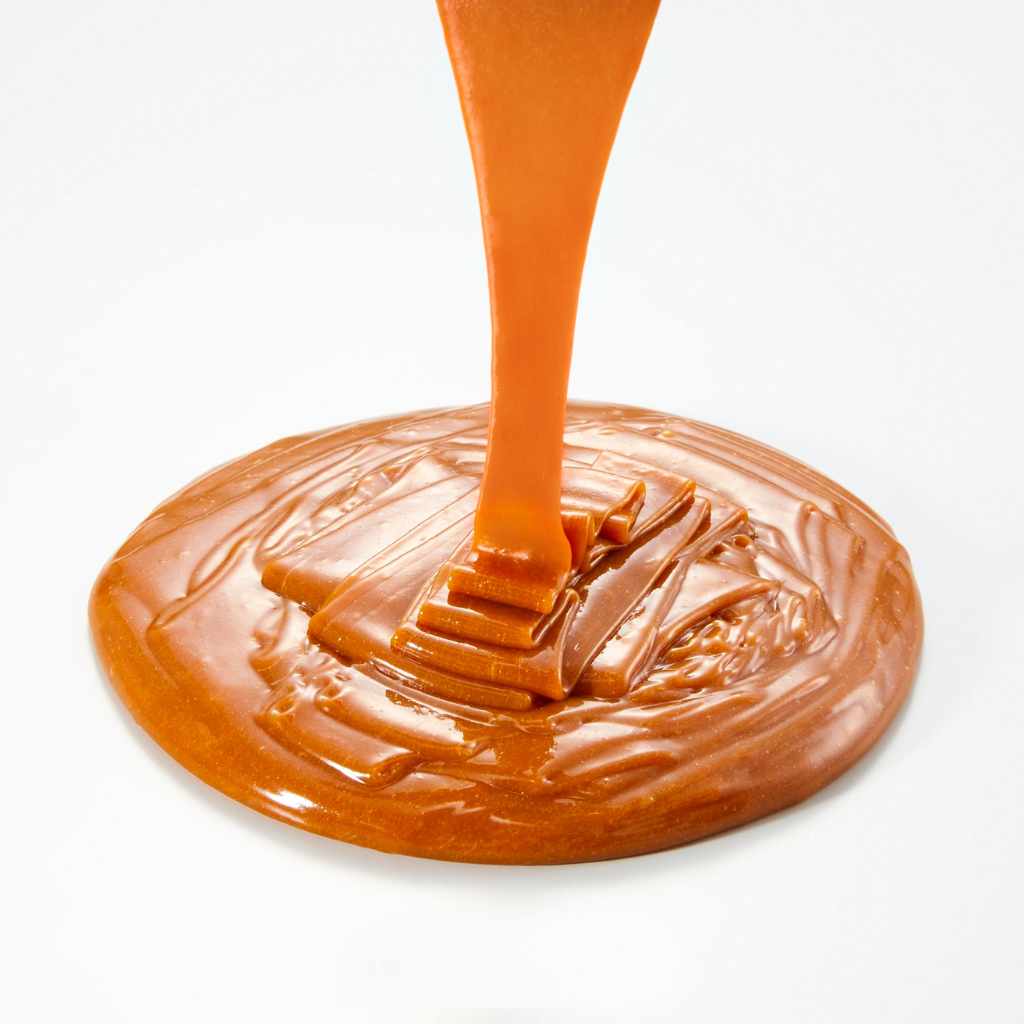
Caramelizing brown sugar adds a rich, sweet flavor to many dishes. The process involves melting sugar carefully until it turns into a smooth, golden syrup. Follow these steps to caramelize brown sugar perfectly every time.
Melting The Sugar
Start by placing brown sugar in a clean, dry pan. Use low to medium heat for best results. Stir the sugar slowly with a wooden spoon. Watch as the sugar grains begin to melt and clump together. Keep stirring to help the sugar melt evenly and avoid burning.
Controlling Heat
Heat control is key to good caramel. Too high heat causes burning. Too low heat slows melting. Adjust the burner to keep a steady, gentle heat. Stir often to distribute heat evenly. This prevents hot spots that can burn the sugar.
Achieving The Perfect Color
Caramel color changes from light amber to deep brown. Aim for a golden-brown hue for balanced flavor. Stop heating once the sugar reaches this color. Remove the pan from heat quickly. The sugar will keep cooking in the hot pan. Acting fast prevents overcooking and bitterness.
Common Challenges
Carmelizing brown sugar is a simple process but can come with some challenges. These challenges can affect the texture and taste of your caramel. Understanding these common problems helps you fix or avoid them. This ensures your caramel turns out smooth and delicious every time.
Preventing Crystallization
Crystallization happens when sugar forms hard crystals instead of melting smoothly. It makes your caramel grainy and rough. To prevent this, stir the sugar gently and avoid adding too much water. Use a clean pan and keep the heat low. Adding a little lemon juice or cream can stop crystals from forming.
Fixing Burnt Sugar
Burnt sugar tastes bitter and smells smoky. It can ruin your caramel. If your sugar burns, remove the pan from heat immediately. Try adding a small amount of water to cool it down. If the burnt smell is strong, it is best to start over. Use lower heat next time and watch the sugar closely.
Flavor Enhancements
Caramelizing brown sugar creates a rich, sweet base. Enhancing the flavor takes your caramel to the next level. Small additions bring warmth and complexity. These simple tricks make your caramel taste special and unique.
Adding Butter And Spices
Butter adds creaminess and richness to caramelized sugar. It smooths the texture and balances sweetness. A small amount changes the flavor and mouthfeel.
Spices bring warmth and depth. Cinnamon, nutmeg, or cloves work well. Add spices carefully to avoid overpowering the caramel. They create a cozy, inviting taste perfect for many dishes.
Using Extracts For Depth
Vanilla extract is a classic addition. It enhances sweetness and adds a gentle aroma. Use pure vanilla for the best flavor.
Other extracts like almond or rum add interesting notes. A few drops make caramel more complex. Extracts are easy to use and give a big flavor boost.
Creative Uses
Caramelized brown sugar adds a rich, deep flavor to many dishes. Its sweet, nutty taste enhances both sweet and savory recipes. Using it creatively can bring new life to everyday meals. Here are some tasty ideas for desserts and savory dishes.
Desserts And Toppings
Caramelized brown sugar works great in desserts. Sprinkle it over ice cream for a crunchy, sweet topping. Mix it into yogurt for a warm, caramel flavor. Use it to glaze fruits like apples or pears. It melts smoothly into cakes and cookies, adding a chewy texture. Drizzle caramelized sugar syrup on pancakes or waffles. Make caramel sauce by melting brown sugar with butter and cream. It brightens simple desserts with a rich caramel taste.
Savory Dishes
Caramelized brown sugar also enhances savory dishes. Use it to balance spicy sauces or marinades. Add it to barbecue sauce for a smoky, sweet flavor. Mix into roasted vegetables for a caramelized crust. Stir it into baked beans for extra sweetness. Brush it on grilled meats to create a sticky glaze. It pairs well with pork, chicken, and even fish. A little caramelized sugar can deepen the taste of many dishes.
Storage Tips
Caramelized brown sugar is a sweet treat that adds rich flavor to many dishes. Storing it properly keeps its taste and texture fresh. Follow simple steps to enjoy caramel sugar longer.
Keeping Caramel Fresh
Store caramel in an airtight container. Use glass or plastic containers with tight lids. Avoid metal containers that may react with sugar. Keep the container in a cool, dry place. Room temperature works well unless your kitchen is very warm. If you want to store it longer, refrigerate the caramel. Before sealing, let the caramel cool completely. This stops moisture from forming inside the container. Moisture can make the caramel sticky or grainy.
Reheating Techniques
Reheat caramel gently to restore its soft texture. Use a microwave on low power for short bursts. Stir between heating to avoid burning. You can also warm caramel in a double boiler. Place the container over simmering water. Stir until smooth and soft again. Avoid overheating; caramel burns easily. Warmed caramel spreads and pours more easily on desserts.
Frequently Asked Questions
What Is The Best Way To Caramelize Brown Sugar?
The best way is to melt brown sugar over low heat. Stir constantly to avoid burning. Use a heavy pan for even heat distribution.
Can I Caramelize Brown Sugar Without Butter?
Yes, you can caramelize brown sugar without butter. Just heat the sugar gently and stir. Butter adds richness but isn’t necessary for caramelization.
How Long Does It Take To Caramelize Brown Sugar?
Caramelizing brown sugar typically takes 5 to 7 minutes. Heat the sugar slowly and stir continuously until it melts and darkens.
What Dishes Use Caramelized Brown Sugar?
Caramelized brown sugar is great in sauces, desserts, and glazes. It adds a rich, sweet flavor to cakes, ice cream, and roasted vegetables.
Conclusion
Caramelizing brown sugar adds a sweet, rich flavor to many dishes. It takes just a few simple steps and a little patience. Stir carefully and watch the sugar melt and darken. Use it to enhance desserts, drinks, or savory recipes.
Practice helps you get the perfect caramel every time. Enjoy the warm, tasty results and share your creations with friends. Cooking becomes more fun with this easy skill. Try it today and taste the difference yourself.