How to Heat Up a Car Engine: Quick & Safe Tips
Ever wonder why your car engine takes so long to heat up, especially on those chilly mornings? It can be frustrating when you’re in a rush, and your car just isn’t cooperating.
But here’s the good news: you can take control and speed up the process. By understanding a few simple tricks, you can warm up your car engine faster, saving you time and keeping you comfortable. Imagine getting into your car, feeling the warmth almost instantly, and knowing you’re not wasting fuel.
Ready to discover how to make this a reality? Keep reading, because what you learn today might just transform your daily drive.

Credit: www.reddit.com
Reasons For Heating Up A Car Engine
Heating a car engine helps it run smoothly. Cold engines use more fuel. They can also wear out faster. Warm engines work better. They start quicker and perform well. This means less stress on the engine parts. Fuel efficiency improves as well. Less fuel means saving money. Warm engines also reduce harmful emissions. This keeps the air cleaner.
Cold weather makes engines cold. Warm them up before driving. It keeps the engine healthy. A warm engine also helps the heater work faster. This keeps you warm inside the car. Nobody likes a cold drive.
Preparing Your Vehicle
Always check your car’s engine oil level before starting. Open the hood and find the oil dipstick. Pull it out and wipe it clean. Put it back in and pull it out again. Look at the oil level on the stick. It should be between the low and high marks. If it’s low, add more oil. Use the right type for your car.
Make sure the coolant is full. This keeps the engine from overheating. Find the coolant tank under the hood. Look at the level through the side of the tank. It should be between the min and max lines. If it’s low, pour more coolant in. Use the right kind for your car. Coolant is very important.
Starting The Engine
Turn the key in the ignition gently. Listen for the engine’s sound. Avoid holding the key too long. This can damage the starter. Allow the engine to idle for a few minutes. This helps the oil flow smoothly. Cold starts are hard for engines. Give it time to warm up. The engine parts will move better. This is kinder to your car.
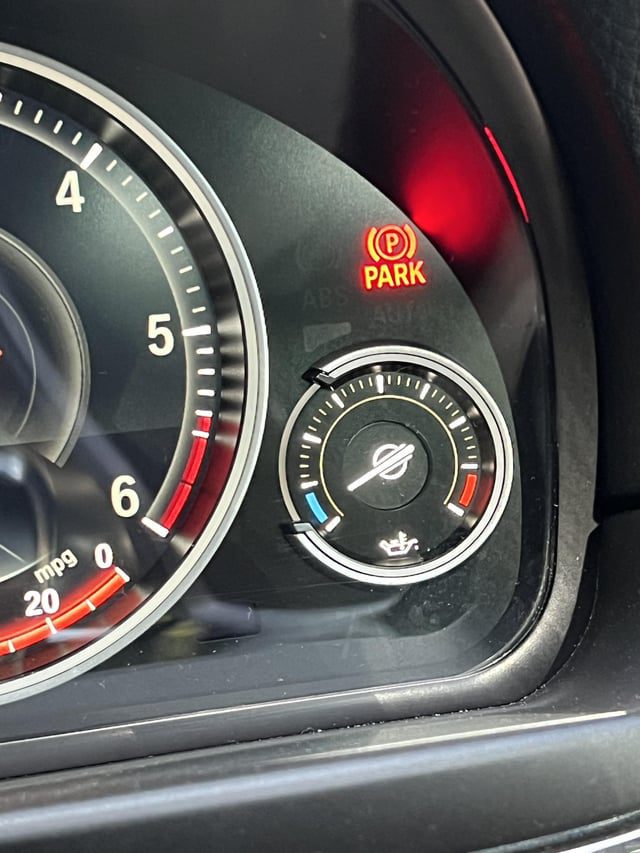
Watch the dashboard lights closely. They tell you important things. Look for warning symbols. These could mean trouble. The temperature gauge shows engine heat. It should not be too high. If it rises quickly, stop the car. Check for leaks or smoke. Keep an eye on the oil light too. This ensures the engine runs well.
Efficient Warm-up Techniques
Warming up a car engine is important. Idling wastes fuel and time. It can cause more wear on the engine. Driving slowly is better. It warms up the engine faster. Gradual acceleration helps save fuel. It also protects the engine. Never rev the engine when cold. That harms it. Use gentle pressure on the pedal. The engine warms evenly. This is good for its health. Cold starts are hard on engines. Driving gently helps parts move. It lubricates them well. The car runs smoother this way. It also saves money on fuel. Use these tips to care for your car engine.
Safety Considerations
Ensuring safety while heating a car engine is vital. Always park in a well-ventilated area to prevent carbon monoxide buildup. Check for leaks in the engine compartment regularly, and never leave the engine unattended.
Avoiding Overheating
Always keep an eye on the engine. It can get too hot. Overheating is bad for your car. It can cause damage. Don’t drive with a hot engine. Pull over if needed. Wait until it cools down. Check the coolant level often. Coolant keeps the engine from getting too hot. Add more if it’s low. But, be careful. Open the cap only when the engine is cool. Hot steam can burn you.
Monitoring Temperature Gauge
Look at the temperature gauge on the dashboard. It tells you if the engine is hot. The needle should stay in the middle. If it goes up, slow down. Turn off the air conditioner. This helps the engine cool. If it stays high, stop the car. Let the engine rest. It’s important to keep the engine safe.

Credit: apdty.com
Common Mistakes To Avoid
Ignoring engine warning signs can lead to bigger problems. Small noises or strange smells might mean something is wrong. Pay attention to temperature gauges. They show if the engine is too hot. Ignoring these can damage the engine. Check warning lights on the dashboard regularly. They alert you to issues. Listening to your car can prevent costly repairs.
Routine checks keep the engine healthy. Oil levels need regular checking. Low oil can cause engine damage. Coolant levels are important too. They prevent overheating. Check belts and hoses for wear. Replace them if needed. Tires need regular checks. Good tires support the engine’s work. Routine checks save money and keep your car running well.
Maintenance Tips
Regular Engine Checkshelp keep your car running smoothly. Check oil levels often. Low oil can harm the engine. Inspect the coolant level too. Coolant stops the engine from overheating. Look for any leaks or strange noises. These can signal bigger issues. A well-maintained engine starts faster. It runs better too. Keep an eye on the air filters. Clean filters mean better airflow. Better airflow helps the engine heat up properly.
Seasonal Adjustmentsare crucial for engine health. In cold weather, engines need extra care. Use a block heater if it’s freezing. It warms the engine before starting. In hot weather, focus on cooling systems. Ensure the radiator works well. Check fan belts for any wear. A good cooling system prevents overheating. Adjust maintenance tasks based on seasons. This keeps the car engine reliable year-round.

Credit: pubhtml5.com
Frequently Asked Questions
How To Warm Up The Car Engine?
Start the car and let it idle for a few minutes. Gradually drive at moderate speeds to warm the engine efficiently. Avoid high RPMs initially to prevent strain. Regular maintenance, like checking oil levels, ensures optimal engine performance.
What Is The Fastest Way To Heat An Engine?
Start the engine and let it idle for a few minutes. Drive gently to increase engine temperature. Avoid high speeds and rapid acceleration. This method warms up the engine efficiently and quickly. Ensure all fluids are at optimal levels for best performance.
How Do You Warm Up A Cold Engine That Won’t Start?
Turn the key to the “On” position without starting the engine. Wait a few seconds to allow the fuel pump to prime. Try starting the engine again. Ensure the battery is fully charged and the fuel lines are clear. Check for any moisture in the ignition components.
What To Do If A Car Engine Is Too Cold?
Warm up your engine by idling for a few minutes. Check antifreeze levels and ensure the heater works. Use a block heater in cold climates. Keep your car sheltered or use a car cover to protect it from cold weather.
Regular maintenance helps prevent cold engine issues.
Conclusion
Keeping your car engine warm is crucial for smooth performance. Start by warming it up gradually. Avoid revving the engine too quickly. Use a block heater in cold climates. This saves fuel and reduces wear. Regular maintenance also helps. Check oil and coolant levels often.
A warm engine lasts longer and runs efficiently. These steps keep your car happy and healthy. Enjoy smoother rides every day. Stay safe on the road.