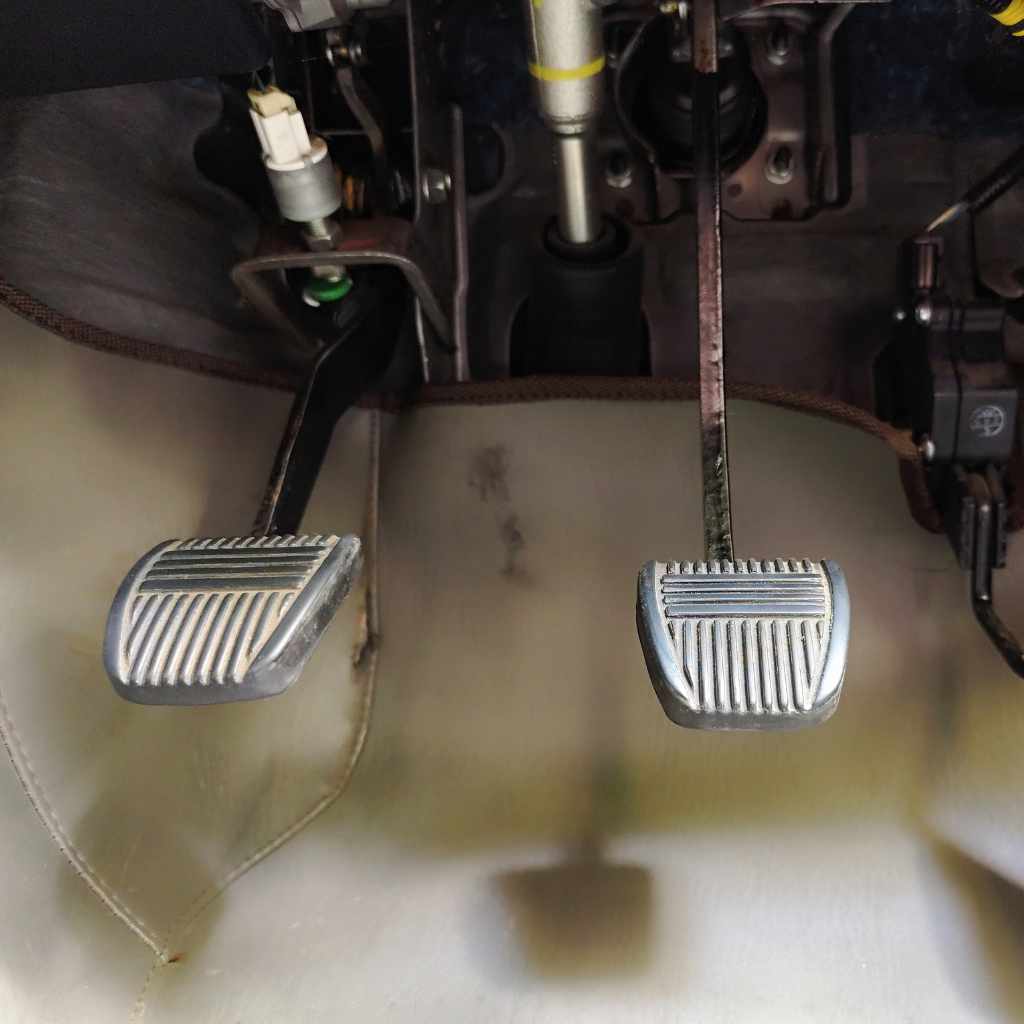
How to Hill Start a Manual Car Without Handbrake: Proven Guide
Bolded Quick Summary (Top of Article)
You can master how to hill start a manual car without the handbrake by quickly finding the car’s “biting point” with the clutch, engaging gas with your right foot, and smoothly easing off the clutch while releasing the brake. This technique requires practice but prevents rollback safely.
Driving a manual car is great fun, but hills can feel stressful. If you’re stopped on a steep incline and the handbrake is missing, stuck, or someone just forgot to use it, panic can set in. The fear of rolling backward into the car behind you is real! But do not worry. This common sticking point for new manual drivers is totally manageable. With a little understanding of how your car works, you can nail this maneuver confidently. We will walk through this simple, proven method right now, step-by-step.
The Art of the Clutch: Understanding the Hill Start
The secret to starting on a hill without using the handbrake lies entirely in mastering the clutch engagement—finding that magical spot where the engine torque starts flowing to the wheels, just before stalling. This spot is often called the “biting point.”
When you start on level ground, you can take your time finding this point. On a hill, however, that small delay is when gravity wins, and your car rolls back. Our goal is to minimize that delay to almost zero seconds.
Why Practice This Technique?
While the handbrake (or parking brake) is the safest and easiest tool for hill starts, knowing this ‘pedal dance’ technique is vital for a few reasons. Firstly, sometimes the handbrake cable might be adjusted poorly or fail. Secondly, in very tight parking situations, you might need maximum control only using your feet. Finally, becoming comfortable with the clutch feel builds overall driving confidence, which is the mark of a great driver.
Knowing Your Car’s “Biting Point”
Every car clutch is slightly different. Some bite very low (early in the pedal release), and others bite very high (near the top). You need to know where this point is on your specific vehicle.
How to Find the Biting Point Safely:
- Find a flat, empty parking lot—no hills yet!
- Start the engine and press the clutch fully to the floor.
- Put the car into first gear.
- Very slowly, lift the clutch pedal just until you feel the car start to dip slightly or hear the engine noise change (it will sound slightly deeper).
- Hold the pedal exactly at that spot for a few seconds.
- If the car moves forward without touching the gas, you found it! If it stalls, you lifted too fast.
This feeling is what you are trying to achieve instantly when balancing on a slope.
The Essential Footwork Breakdown
This move relies on your right foot handling the accelerator (gas) and your left foot managing the clutch balance. Your right foot will also manage the foot brake until you transition into gas power.
The Three-Foot Dance
While modern cars only have two feet needed for driving (left for clutch, right for brake/gas), this hill start technique temporarily requires the coordination often called the “three-foot dance” (left foot, right foot on gas, right foot on brake). We will cover how to achieve this without a third foot!
| Foot | Initial Position (Stopped on Hill) | Action During Transition |
|---|---|---|
| Left Foot | Pressing Clutch fully to the floor. | Slowly releases up to the biting point. |
| Right Foot (Brake) | Pressing the foot brake firmly. | Lifts off the brake pedal entirely. |
| Right Foot (Gas) | Hovering near or lightly pressing the gas pedal. | Applies gentle, steady pressure. |
Notice the critical coordination: the right foot must move smoothly from the brake to the gas while the left foot meets the clutch biting point at the same time. This split-second timing is what stops the roll.
Proven Step-by-Step Guide: How to Hill Start a Manual Car Without Handbrake
Follow these steps exactly. Take your time on each one, especially the coordination between the feet. Remember, stalling is okay! It’s far better to stall practicing than to roll back into another vehicle. For safety, always ensure you have plenty of space behind you for the first few attempts.
Phase 1: Preparation and Stopping
- Come to a Complete Stop: Approach the hill and use your foot brake (right foot) to bring the car to a complete stop. Keep the clutch pressed in (left foot) so the car is in neutral or first gear and absolutely stationary.
- Select First Gear: Ensure the gear stick is securely in first gear.
- Prepare the Right Foot: Move your right foot from the brake pedal over to the accelerator (gas) pedal, ready to press it. Keep your right foot covering the brake temporarily.
- The Safety Check: Look in your rear-view mirror to check the gap behind you. Take a deep breath—you’ve got this!
Phase 2: The Critical Balance (The Dance Begins)
This is the crucial moment. You must coordinate the release of the brake with the engagement of the clutch and gas.
- Apply Gentle Gas: Using your right foot, gently press the accelerator just enough to bring the engine RPMs slightly higher than idle (maybe around 1500 RPM, depending on the car). You need a little extra power ready for the hill.
- Slowly Find the Biting Point: Now, with your left foot, very slowly begin releasing the clutch pedal. Move it millimeter by millimeter.
-
Feel the Drop: You will feel two things happen almost simultaneously:
- The engine noise will deepen, and the whole car will slightly nose-down (compressing the front suspension).
- The car will try to creep forward.
- Brake Release: The very instant you feel the car start to strain against the brake or try to move (the biting point), smoothly and quickly remove your right foot from the brake pedal entirely.
- Maintain Power: As soon as the brake is off, ensure you are immediately pressing the gas pedal to maintain the power required to overcome gravity.
Phase 3: Moving Away
If you timed Phase 2 correctly, the car will start moving forward smoothly, perhaps even slightly faster than normal because of the extra gas you added.
- Clutch Final Release: Once the car is moving forward positively and you are clear of the rollback zone, smoothly lift the clutch the rest of the way up—just as you would on a flat start.
- Normal Driving: Accelerate normally and, after a second or two, resume using only your right foot for acceleration and braking, as usual.
If you stall during this process, simply press the clutch in, put the car in neutral, start the engine, put it back into first gear, and try again. Every stall teaches you more about your car’s clutch feel.
Troubleshooting Common Mistakes
Mastering this technique means dealing with the two most common failures: stalling or rolling backward.
Mistake 1: Rolling Backwards
Cause: You lifted your right foot off the brake before your left foot fully engaged the clutch biting point, or you didn’t give the engine enough gas beforehand.
Fix: You need to move the right foot to the gas faster, or engage the clutch slightly further before lifting the brake. Practice finding that precise ‘dip’ feeling before lifting the brake.
Mistake 2: Stalling the Engine
Cause: You lifted the clutch too quickly past the biting point without providing enough accelerator power, or you held the clutch too long at the biting point without pressing the gas.
Fix: When you feel the car wanting to move, immediately press the gas as you release the brake. On a hill, the car needs more immediate RPMs (power) than on a flat surface.
For reference on vehicle dynamics and why hills require more torque, you can explore basic physics principles related to force and incline, though mastering the feel is more critical than the complex math for everyday driving. You can see general road safety guidelines maintained by organizations like the National Highway Traffic Safety Administration (NHTSA) emphasize proper vehicle control at all times.
Comparison: Handbrake vs. Foot-Pedal Technique
While we are focusing on the no-handbrake method, it is important to know the benefits and drawbacks of both techniques. The handbrake method is generally slower but more predictable.
| Technique | Pros | Cons |
|---|---|---|
| Foot-Pedal Technique (Your Focus) | Fast changeover; highly useful when no handbrake is available; excellent clutch feel development. | Requires high coordination; high risk of stalling or burning the clutch if rushed; stressful initially. |
| Handbrake Technique (Standard Method) | Very easy and smooth; allows full focus on gas/clutch balance; zero rollback probability if done correctly. | Slower; requires releasing the handbrake at the correct time; can cause wear if the brake isn’t fully disengaged promptly. |
Tips for Building Confidence and Smoothness
Confidence comes from repetition. Treat this like learning any new physical skill—muscle memory is your friend.
Practice Environment is Key
- Start Small: Do not try this on a busy city street first. Find a quiet, residential street with a moderate incline. This reduces pressure from traffic watching you.
- Use a ‘Cushion’ Space: If possible, practice where there is nothing behind you for at least three car lengths, just in case you roll a little, giving you space to correct without panic.
- Don’t Rush the Gas: Many beginners press the gas too hard. You only need a little extra power—enough to keep the engine singing slightly above idle. Too much power leads to a jerky launch or burnout.
Understanding Clutch Heat
When you hold the clutch at the biting point for too long—whether practicing or actually starting on the hill—the friction material heats up. This is the smell of “clutch burning.” While a quick hold is fine, dwelling there wastes the life of your clutch components. The goal of this technique is quick transition, not prolonged holding.
For drivers interested in maximizing the lifespan of their clutch components, understanding the friction discs and flywheel is key. When you prolong the ‘slipping’ period, you are essentially grinding down surfaces that should remain fully engaged or fully disengaged.
Mental Rehearsal: Walking Through the Steps in Your Head
Before you even start the car, mentally rehearse the sequence. Driving manuals is much about mindset as it is mechanics.
- Stop, Clutch In, Gear One.
- Right foot covers brake, left foot down on clutch.
- Right foot moves to Gas, apply slight pressure (prepare RPM).
- Left foot releases clutch slowly (listen/feel the dip).
- As soon as I feel movement starting, instantly move right foot off Brake and onto Gas to match the clutch pull.
- Clutch out completely once moving.
This mental mapping prepares your reflexes for the moment of action.
Advancing Your Skills: Dealing with Very Steep Hills
If the hill is exceptionally steep (think San Francisco hills), the standard foot-pedal technique might still result in a very slight backward creep. In these extreme cases, you need an extra safeguard built into your method.
The “Half-Clutch/Half-Brake” Backup
If you feel significant rollback occurring before you can transition your right foot, use this temporary split:
- Keep the clutch slightly less engaged than the full biting point (so the car is still mostly held by the brake pressure).
- As you move your right foot to the gas, apply just enough gas to raise the RPMs significantly (say, 2000-2500 RPMs).
- Then, quickly release the brake and simultaneously lift the clutch the final small distance to the full biting point.
The higher RPMs give you a stronger surge of power instantly when you disengage the brake, overcoming the backward gravity pull immediately.
When to Revert to the Handbrake
Remember, the goal is safe, efficient driving. If you attempt the foot-pedal method three times and stall each time, or if traffic is building dangerously behind you, abandon the technique and use the handbrake. No shame in using the right tool! The handbrake is designed for this exact purpose and minimizes clutch wear under stress.
For long-term vehicle health, seeking professional advice on manual transmission maintenance from certified mechanics, like those certified by organizations such as the National Institute for Automotive Service Excellence (ASE), ensures your clutch components remain in good working order.
Frequently Asked Questions (FAQ)
Q1: Will practicing this foot-pedal technique ruin my clutch?
A: A little bit, yes, if you hold the clutch at the biting point for too long. The key is speed. If you can transition from brake to gas to full-release in under two seconds, the wear will be minimal. If you constantly slip it for five or more seconds trying to adjust, wear increases.
Q2: What is the exact sound I should listen for when finding the biting point?
A: You won’t hear a specific sound, but you will hear the engine RPMs dip slightly lower, or for older cars, you might hear a subtle rattle or change in vibration as the engine starts straining against the transmission.
Q3: Does this work differently if I have an automatic transmission?
A: Yes, an automatic transmission handles this automatically. When stopped on a hill, automatics often “creep” forward slightly due to the torque converter design, preventing rollback unless the hill is extremely steep, in which case the car might slightly roll until you hit the gas.
Q4: How do I know if my car’s hill is steep enough to warrant using this tricky method?
A: If you stop and feel the car immediately start rolling backward the moment you lift your foot off the brake (even a tiny bit), the slope is steep enough to warrant using either the handbrake or the foot-pedal coordination technique.
Q5: Can I use my heel on the brake and my toe on the gas at the same time?
A: Yes, this is called “heel-toe” technique. It’s often easier for experienced drivers, but it requires turning your right foot sideways. For a beginner learning to hill start without the handbrake, it’s safer to focus on the standard foot swap (brake to gas) until that coordination is perfect.
Q6: Should I use first gear or second gear for the hill start?
A: Always use first gear. First gear provides the most torque (pulling power) from the engine, which is essential for overcoming gravity on an incline. Second gear will almost certainly cause the car to stall immediately when attempting this maneuver.
Conclusion
Mastering how to hill start a manual car without the handbrake is a significant milestone in your driving journey. It transforms a moment of potential panic into a display of smooth machine control. Remember, this maneuver is entirely about coordination: a brief, intentional press of the gas, a slow, deliberate lift of the clutch just until the car strains, and an immediate, decisive move off the brake onto the accelerator.
Be patient with yourself. You might stall a few times, but each attempt sharpens your sense of where that critical biting point lies. Soon, this complex ‘dance’ will become automatic. Practice in safe, low-pressure environments, and you will build the confidence needed to handle any incline with grace. Keep practicing, stay smooth, and enjoy the freedom of total control over your manual transmission!