How To Keep a Cat Off a Car: The Best Proven Tactics
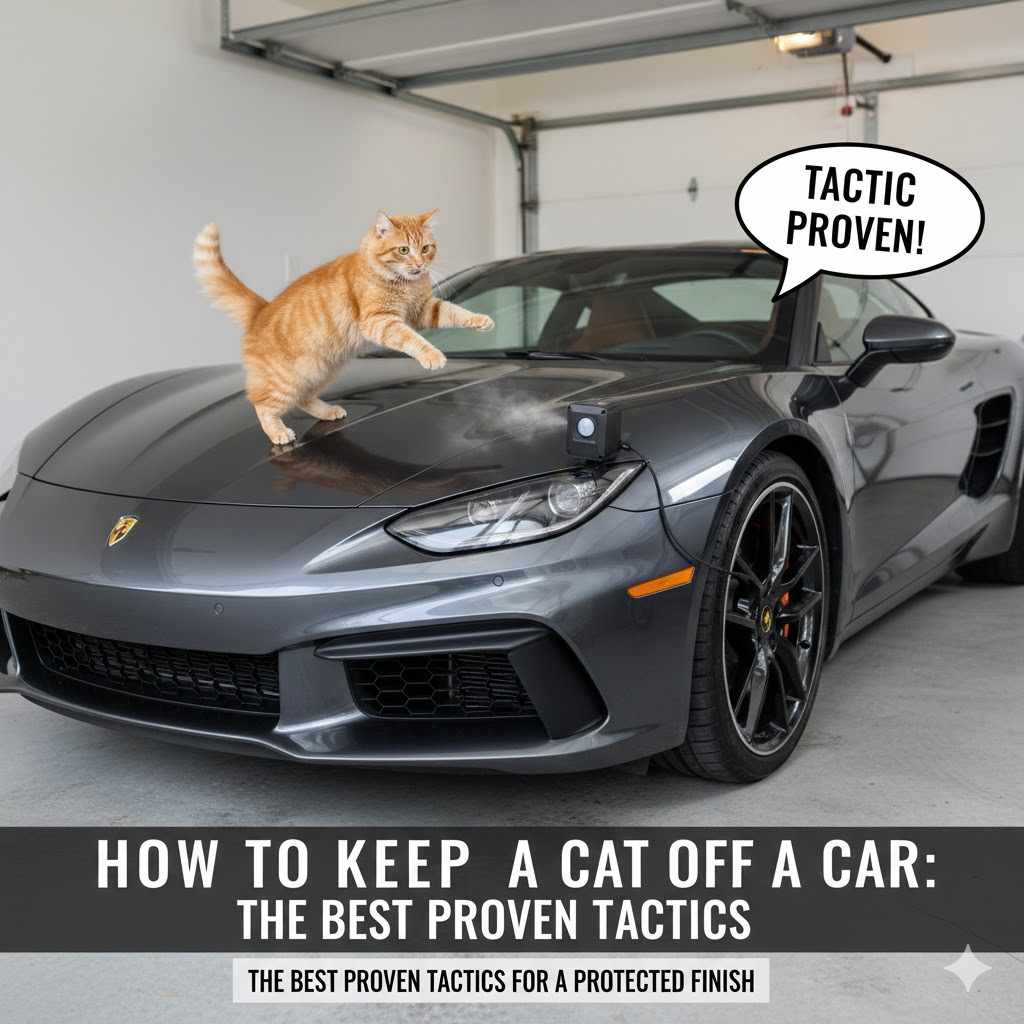
To keep a cat off your car, the most effective method is using a physical barrier like a quality car cover. You can also use motion-activated sprinklers or ultrasonic devices for deterrence. For a simpler approach, spray a solution of diluted vinegar or citrus around your parking area, as cats dislike these smells. Always be humane.
Hello there, I’m Md Meraj. Finding little paw prints all over your clean car can be frustrating. Even worse are the tiny scratches left behind. It’s a common problem for car owners everywhere. Whether it’s the neighborhood stray or your own beloved pet, cats seem to love our cars as much as we do.
But don’t worry! You don’t have to choose between having a clean car and being kind to animals. There are simple, safe, and effective ways to keep cats off your vehicle for good. In this guide, I’ll walk you through the best tactics, from simple home remedies to foolproof physical barriers. Let’s get your car looking pristine again.
Why Do Cats See Your Car as the Perfect Lounge Spot?
Before we dive into the solutions, it helps to understand why cats are so drawn to cars in the first place. When you know what they’re looking for, it’s much easier to make your car less appealing. Think of it from a cat’s perspective.
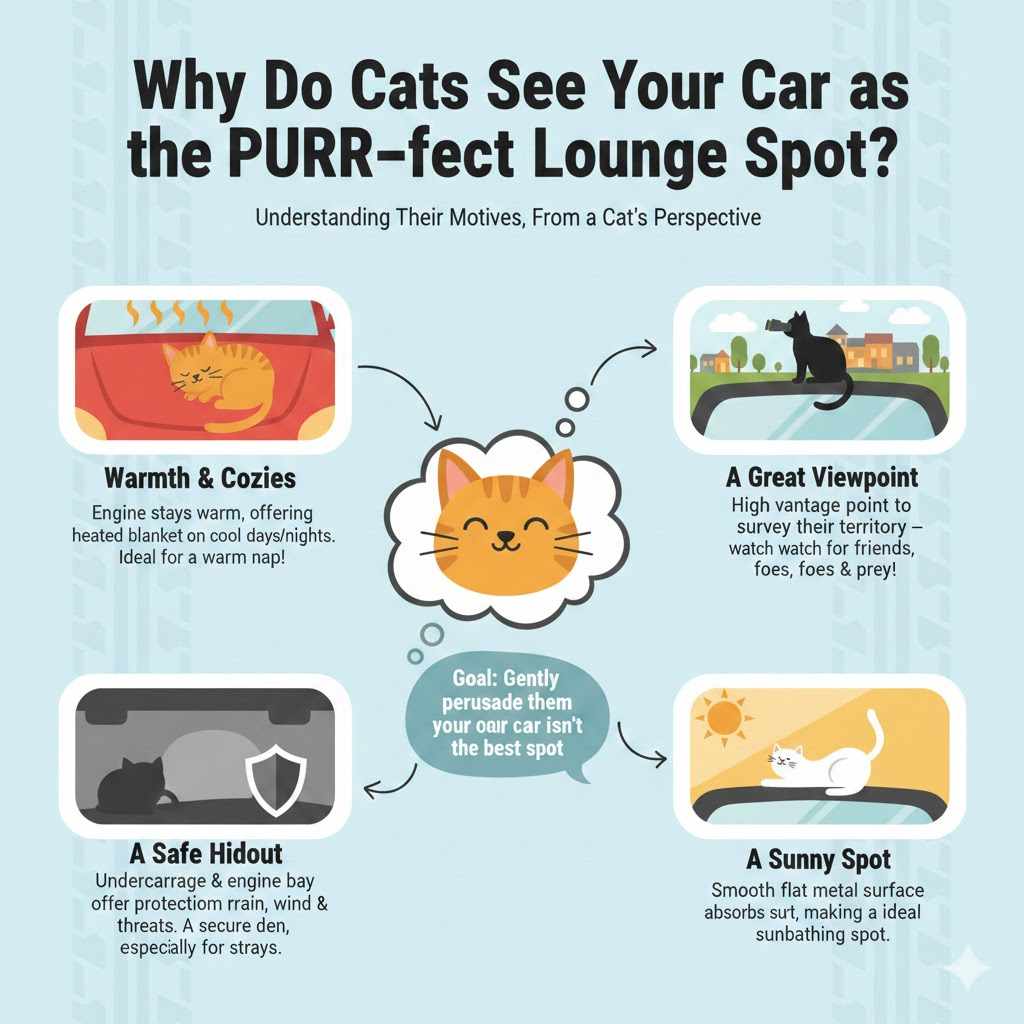
- Warmth and Coziness: After you’ve been driving, your car’s engine stays warm for a while. On a cool day or a cold night, the hood of your car is like a heated blanket for a cat. It’s a perfect spot for a warm nap.
- A Great Viewpoint: Cats are natural surveyors. The roof or hood of a car gives them a high vantage point to watch over their territory. They can see everything from up there—other cats, dogs, people, and potential prey.
- A Safe Hideout: The space underneath your car or even inside the engine bay can feel like a secure den. It protects them from rain, wind, and potential threats. This is especially true for stray or feral cats seeking shelter.
- A Sunny Spot: The smooth, flat surface of a car roof or hood is perfect for sunbathing. The metal absorbs heat from the sun, making it an ideal spot for a cat to relax.
Understanding these reasons is the first step. Our goal is to gently persuade them that your car is no longer the best spot in the neighborhood for warmth, safety, or a good view.
The Real Problem: When Cute Paws Cause Damage
While a napping cat might look harmless, their presence can lead to some real issues for your vehicle. It’s not just about aesthetics; it can also be about safety—for both your car and the cat.
- Paint Scratches: This is the biggest concern for most car owners. As a cat jumps on or off your car, their claws can extend and leave fine scratches in the clear coat. If they get startled, they might dig in their claws, causing deeper, more noticeable damage.
- Dirty Paw Prints: Cats walk through all sorts of things—dirt, mud, dust, and gravel. All that grime gets transferred directly onto your car’s paint and windows, leaving you with a constant cleaning job.
- Shedding and Dander: Cats shed fur, which can get into your car’s air intake vents if they nap near the windshield cowl. This can affect your cabin’s air quality over time.
- The Ultimate Danger: The Engine Bay: The most serious risk is a cat crawling into the engine bay for warmth. If you start your car without knowing a cat is inside, the fan belt or other moving parts can cause severe injury or death to the animal. This is why it’s always a good idea to bang on your hood before starting your car, especially in cold weather.
Method 1: The Most Effective Solution—Physical Barriers
If you want a surefire way to keep cats off your car, nothing beats a physical barrier. It removes the temptation entirely. While it requires a little effort, it provides complete peace of mind.
Use a High-Quality Car Cover
A car cover is, without a doubt, the number one solution. It creates a physical shield between the cat and your car’s paint. Cats generally dislike the slippery, unstable surface of a car cover and will look for a more stable place to rest.
Pros:
- 100% Effective: It completely blocks access to the car’s surface. No scratches, no paw prints.
- Protects from More Than Cats: A good cover also protects your car from sun damage, bird droppings, tree sap, rain, and dust.
- Relatively Inexpensive: Compared to a new paint job, a car cover is a very affordable investment.
Cons:
- Inconvenience: Putting it on and taking it off every day can be a bit of a hassle, especially if you’re in a hurry.
- Storage: You need a place to store the cover when it’s not on the car.
When choosing a cover, look for one that is made of a soft, non-abrasive material on the inside to protect your paint. A custom-fit cover will stay on better in the wind and be more effective than a generic one.
Park in a Garage
This might seem obvious, but if you have a garage, using it is the simplest solution. It puts your car completely out of reach. If your garage is full of clutter, taking a weekend to clean it out could be the best long-term fix for this problem and many others.
Method 2: Repellents and Deterrents That Actually Work
If a car cover isn’t practical for you, the next best thing is to make your car and the area around it unappealing to cats. This involves using scents and sounds that cats naturally dislike.
Natural, Homemade Repellents
Many common household items have smells that cats can’t stand. These are safe, cheap, and easy to use. Remember, you should spray these around your car, not directly on the paint, to be extra safe.
- Citrus Solution: Cats have a strong aversion to citrus smells. Mix water with a few drops of lemon, orange, or grapefruit essential oil in a spray bottle. You can also boil lemon or orange peels in water, let it cool, and use that liquid. Spray it on the ground around your tires and parking spot.
- Vinegar Spray: The strong smell of vinegar is another big turn-off for felines. Mix equal parts white vinegar and water in a spray bottle. Again, apply this to the area around your car. The smell will dissipate for you in a few minutes but will linger for a cat’s sensitive nose.
- Cayenne Pepper or Coffee Grounds: Sprinkling a light dusting of cayenne pepper or used coffee grounds on the ground around your car can be effective. Cats dislike the strong smell and the texture on their paws. You’ll need to reapply this after it rains.
Here is a quick comparison of these natural options:
| Repellent | How to Use | Pros | Cons |
|---|---|---|---|
| Citrus Spray | Spray on the ground around the car. | Pleasant smell for humans, inexpensive, safe. | Needs to be reapplied frequently, especially after rain. |
| Vinegar Spray | Spray on the ground around the car. | Very cheap, highly effective smell. | Strong initial odor, needs frequent reapplication. |
| Cayenne Pepper | Sprinkle lightly on the ground. | Effective deterrent, cheap. | Can be messy, washes away in rain, can irritate the cat’s nose if they get too close. |
Commercial Cat Repellent Sprays
If you prefer a ready-made solution, you can buy commercial cat repellent sprays from pet stores or online. These products often use a combination of scents and bittering agents that are unpleasant for cats but generally safe for use around vehicles. Always read the label to ensure the product is paint-safe before applying it directly to your car. Most are designed to be sprayed on surfaces to deter chewing or scratching.
High-Tech Deterrents
For a more “set it and forget it” approach, technology can be your best friend. These devices create a harmless but startling experience that teaches cats to stay away from the area.
- Motion-Activated Sprinklers: These are incredibly effective. A sensor detects movement and releases a short, surprising burst of water. It’s completely harmless to the cat but is very good at convincing them to find a new hangout spot. Place one near your car, and it will guard the area for you.
- Ultrasonic Repellents: These devices emit a high-frequency sound that is silent to humans but irritating to cats and other animals. When a cat comes within range, the device activates, and the unpleasant sound encourages them to leave. The effectiveness can vary, as some cats are more sensitive to the sound than others.
Method 3: Modify the Environment to Be Less Cat-Friendly
Sometimes, the best strategy is to make your entire parking area less inviting. By removing the things that attract cats in the first place, you encourage them to move on naturally.
Remove All Food Sources
Cats are often drawn to an area because there is a reliable source of food. Make sure this isn’t your property.
- Secure the lids on your trash and recycling bins.
- Do not leave pet food or water bowls outside.
- Clean up any food spills, especially from outdoor grills or tables.
Create an Alternative, More Appealing Spot
You can use a bit of reverse psychology. If there is a particular cat you want to redirect, give it a better option. Create a comfortable, appealing spot for it away from your car.
- Set up a small, covered cat shelter in a quiet corner of your yard.
- Lay out a soft blanket or bed in a sunny spot far from your driveway.
- Plant some catnip in a designated garden area to draw their attention there.
By giving them a five-star lounge area of their own, your car becomes a less attractive, second-rate option.
Use Uncomfortable Surfaces
Cats are particular about where they walk. You can use this to your advantage by placing materials they dislike on the ground around your car. This is a humane way to create a “no-go” zone. According to The Humane Society, modifying the texture of the ground is a common and kind deterrent.
- Cat Scat Mats: These are plastic mats with flexible, harmless spikes on them. They are uncomfortable for a cat to walk on but do not cause any injury. You can lay them on the ground around your vehicle.
- Aluminum Foil: Laying a few sheets of aluminum foil on the ground can work wonders. Cats dislike the crinkly sound and the strange texture under their paws.
- Plastic Chicken Wire (laid flat): Sometimes called “cat netting,” laying this on the ground makes for an unstable and unpleasant surface to walk across.
What You Should Absolutely NEVER Do
While dealing with this issue, it’s crucial to always be humane. Cats are just being cats, and they don’t mean any harm. Here are things you should never, ever do:
- Do NOT use toxic chemicals: Never use mothballs, antifreeze, poisons, or other toxic chemicals. These substances are cruel and can be fatal to cats, other wildlife, and even pets or children who might come into contact with them. The EPA specifically warns against using mothballs as animal repellents as it is illegal and dangerous.
- Do NOT use sticky substances: Products like glue traps or sticky tape can injure an animal, pulling out its fur and causing severe distress.
- Do NOT physically harm or trap the animal: Hitting, yelling at, or trapping a neighborhood cat is cruel and often illegal. It also doesn’t solve the problem, as other cats may simply take its place.
Always choose a kind and humane method. The goal is to deter, not to harm.
A Quick Checklist for a Cat-Free Car
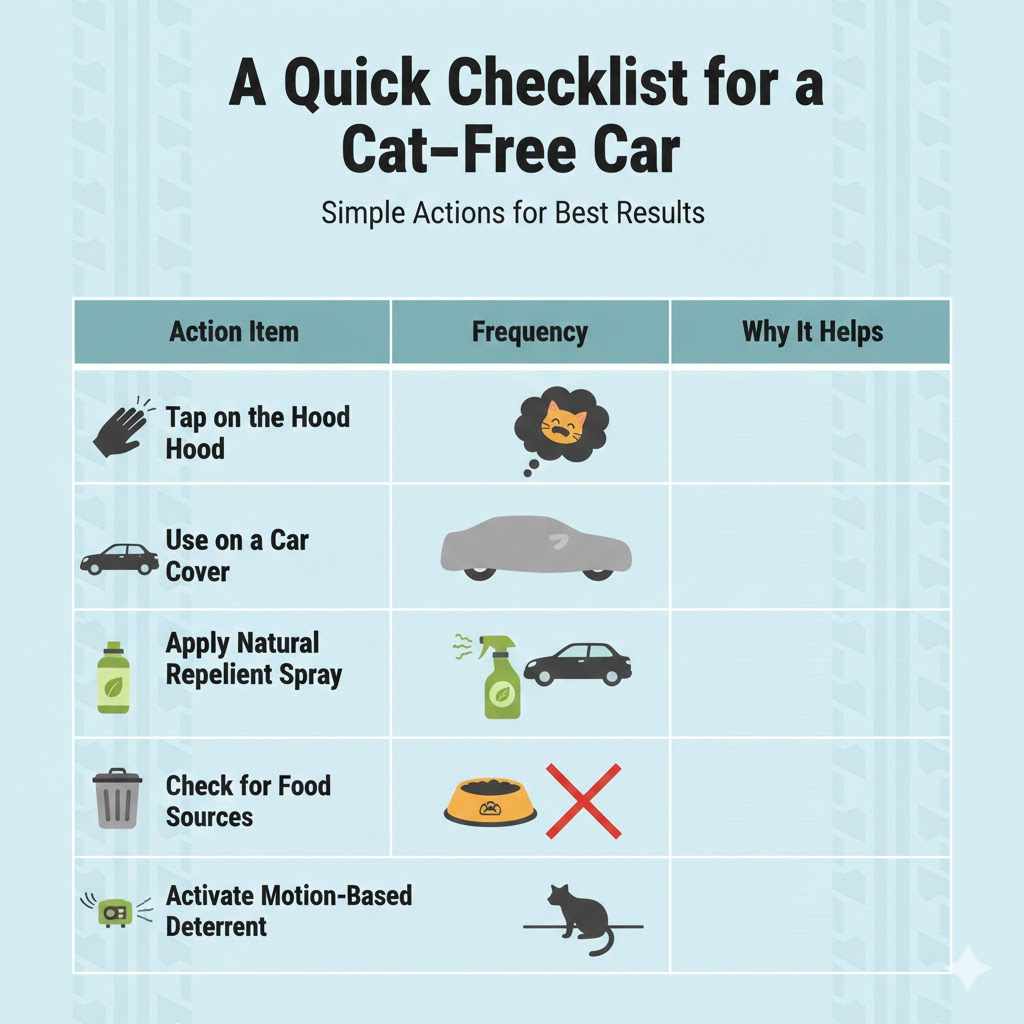
Feeling a bit overwhelmed? Here’s a simple checklist to help you stay on track. You don’t have to do everything, but combining a few methods will give you the best results.
| Action Item | Frequency | Why It Helps |
|---|---|---|
| Tap on the Hood | Every time before starting the car | Wakes up any sleeping cats in the engine bay, preventing injury. |
| Use a Car Cover | Every night or when parked for long periods | Provides a 100% effective physical barrier. |
| Apply Natural Repellent Spray | Every 2-3 days or after rain | Maintains an unpleasant scent barrier for cats. |
| Check for Food Sources | Weekly | Removes the primary reason cats may be visiting your property. |
| Activate Motion-Based Deterrent | Keep it on continuously | Automates the process of deterring cats from the area. |
Frequently Asked Questions (FAQ)
Will cat repellent spray damage my car’s paint?
Most commercial repellents are formulated to be safe, but it’s always wise to test a small, inconspicuous area first (like a lower door panel). For homemade sprays with vinegar or citrus oils, it is best to spray them on the ground around the car rather than directly on the paint to avoid any potential risk to the clear coat.
Are essential oils safe to use on my car?
Undiluted essential oils can potentially damage a car’s clear coat. If you use them, always dilute them heavily with water and, as mentioned, spray the ground and tires instead of the car body itself. This is the safest approach.
How often should I reapply homemade repellents?
You should reapply homemade sprays every few days, as their scent will fade. You will also need to reapply them after any rainfall, as the water will wash them away.
Will a car cover protect my car from cat claws?
Yes, absolutely. A good-quality car cover is thick enough to prevent a cat’s claws from reaching the paint. This is one of the main reasons it is the most recommended solution for preventing scratches.
Why do cats sleep under cars or in engine bays?
They do it primarily for warmth and safety. An engine stays warm long after the car is turned off, and the enclosed space of an engine bay or the area under a car feels like a secure shelter from weather and predators.
Are ultrasonic devices cruel to cats or other animals?
No, they are considered a humane deterrent. The high-frequency sound is designed to be annoying and unpleasant, not painful. It simply encourages them to leave the area without causing any physical harm.
What’s the single most effective method?
The single most effective method is using a car cover. It physically prevents the cat from ever touching your car’s surface. While other methods are great deterrents, the car cover is a foolproof barrier.
Conclusion: A Clean Car and Happy Cats Can Coexist
Keeping cats off your car doesn’t have to be a constant battle. By understanding why they’re drawn to your vehicle and using a combination of humane strategies, you can protect your paint job and maintain a peaceful relationship with your neighborhood felines.
Start with the simplest methods first. A quick spray of a citrus solution or clearing away temptations might be all you need. If the problem persists, investing in a quality car cover or a motion-activated sprinkler will almost certainly solve it for good. Remember to always be patient and kind—the goal is to gently guide the cats to a new favorite spot, not to cause them any harm.
You now have a complete toolkit of proven tactics. Go ahead and try them out. You’ll be enjoying a clean, paw-print-free car in no time!