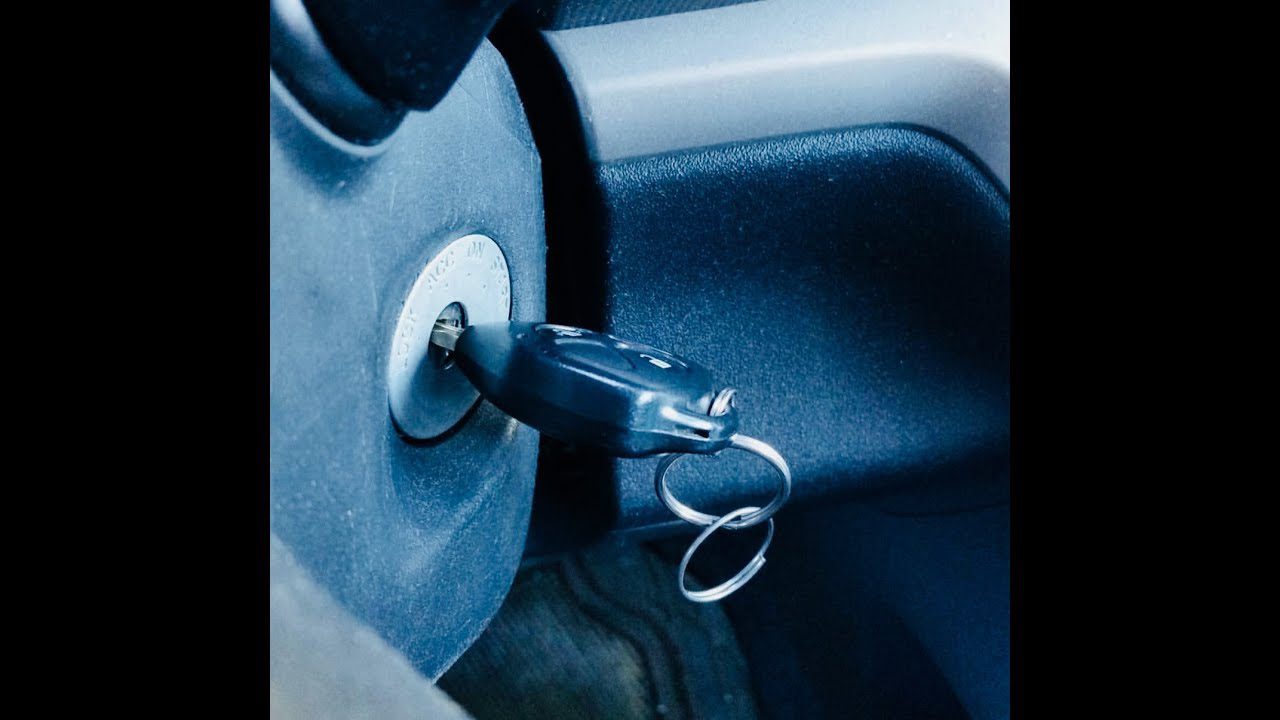
How to Take a Key Out of a Car When It’s Stuck in the Ignition
A key stuck in the ignition is almost always caused by the steering wheel lock, an unreleased shift interlock, or a worn ignition cylinder, not a broken key. Forcing it can snap the key or damage the tumbler, turning a free fix into a $200 to $400 cylinder replacement. This guide covers the exact steps to free a stuck key, what a dead battery has to do with it, and when to call a locksmith instead of forcing it.
Quick Answer
Put the car firmly in Park, keep your foot on the brake, and gently wiggle the steering wheel left and right while turning the key — this releases the anti-theft steering lock and frees a stuck key in most cars. If it still won’t budge, apply dry graphite lubricant to the keyhole rather than pulling harder. Never yank on a stuck key; it can snap off in the cylinder.
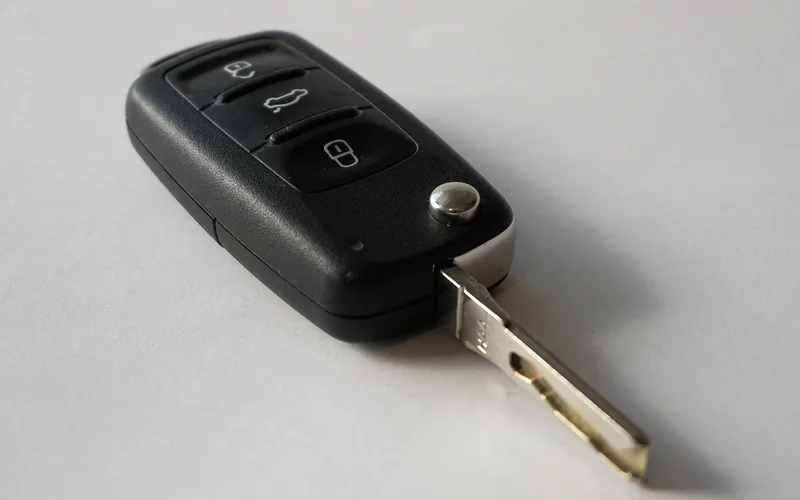
Why Is My Car Key Stuck in the Ignition?
A stuck ignition key is a key that won’t turn, won’t come out, or both, after the engine is off. In the vast majority of cases the cause is a mechanical safety lock built into the car, not damage to the key. Four causes account for nearly every stuck-key call:
- Steering wheel lock: Turning the key to off while the wheel is slightly turned engages an anti-theft lock that clamps the steering column and puts pressure on the ignition switch, blocking the key.
- Shift interlock not released: On automatics, an electronic solenoid confirms the gear selector is fully in Park before it lets the ignition release the key. If the shifter isn’t seated all the way, the key stays locked.
- Worn or dirty ignition cylinder: Dirt, dust, and worn tumbler pins inside the lock cylinder can bind against the key. Regular use without cleaning speeds this up.
- Bent or damaged key: A key that’s been bent, chipped, or worn down from years of use can catch on the internal pins instead of sliding out cleanly. A damaged key should be replaced, either through your dealer or an automotive locksmith, before it gets worse.
Shift interlock solenoid is an electronic component that links your automatic transmission to the ignition switch. It only sends the “release” signal once the transmission control module confirms the gear selector is fully seated in Park — which is why a shifter that looks like it’s in Park but isn’t fully clicked in will keep the key locked even though nothing is broken.
Safety Precautions Before You Try to Remove It
Make sure the engine is fully off before you try anything. Turn the key to the off position and wait a few seconds until you no longer hear the engine running — pulling on a key while the engine is still turning over is dangerous.
Engage the parking brake so the car can’t roll while you’re working at the ignition. Pull the brake lever or press the pedal until it locks, and keep your foot on the footbrake as well while you shift the gear selector. A car that’s confirmed stationary is one less thing to worry about while you troubleshoot.
How to Take a Stuck Key Out of the Ignition (Step-by-Step)
Work through these steps in order. Stop and move to the next step if one doesn’t work rather than repeating the same motion harder — extra force is what turns a five-minute fix into a locksmith bill.
- Confirm the Car Is Fully in Park: Move the gear shifter firmly into Park with your foot on the brake, then press it once more to make sure it’s seated in the detent, not just resting close to it.
- Straighten and Wiggle the Steering Wheel: Turn the steering wheel gently left and right while turning the key, since a locked wheel puts sideways pressure on the ignition switch that blocks release.
- Reset the Shifter Position: With your foot on the brake, shift out of Park and back into Park. This re-triggers the shift-interlock solenoid on many automatics and often solves the problem on its own.
- Try the Manual Shift-Lock Release: Most vehicles have a small covered slot near the gear selector, check your owner’s manual for its exact location, that lets you release the shifter mechanically without power if the solenoid isn’t cooperating.
- Apply Dry Graphite Lubricant to the Cylinder: Spray a small amount of dry graphite lubricant directly into the keyhole, then gently turn and wiggle the key rather than pulling straight out. Avoid oily lubricants like standard WD-40 for long-term use since they attract dust.
- Call a Locksmith If It Still Won’t Move: Stop trying to force it once you’ve worked through the steps above. An automotive locksmith or your dealer can extract the key without damaging the cylinder.
Best Stuck Key Fix Pick
CRC Dry Graphite Lube, 10 Wt. Oz
A dry, non-oily lubricant made specifically for lock cylinders and sliding metal parts — the fix in Step 5 above.
- Best for: Freeing a stuck or gritty ignition key without leaving residue
- Why we picked it: Dry graphite won’t attract dust the way oil-based sprays do, so the fix lasts longer
- Main drawback: Can be messy if oversprayed outside the keyhole
Compare more stuck-key tools
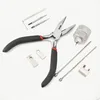 Option 1 AVETUL Ignition Lock Pin Extractor Set
|
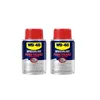 Option 2 WD-40 Specialist Penetrant
|
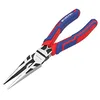 Option 3 WORKPRO Needle Nose Pliers
|
As an Amazon Associate we earn from qualifying purchases.

Is a Dead Battery Causing the Stuck Key?
Yes, this is a genuine cause that’s easy to miss. Many vehicles rely on a shift-interlock solenoid, an electronic part that needs battery voltage to release the gear selector, which in turn frees the key. A weak or dying battery can mimic a mechanically stuck ignition even though nothing inside the lock is actually broken.
If your dashboard lights look dim, the car struggled to start last time, or you’ve had to jump-start recently, a low battery is worth checking before you assume the cylinder itself has failed. Most vehicles also include a manual shift-lock release, a small covered slot next to the gear selector, that lets you release the shifter mechanically without any battery power at all. Check your owner’s manual for its exact location on your model.
When to Call a Locksmith or Mechanic
Stop trying to force the key if you hear grinding or clicking noises from the ignition, if the key feels like it’s caught on something solid rather than just stiff, or if it’s visibly bent. These signs point to a worn or damaged lock cylinder rather than a simple steering-wheel-lock or shift-interlock issue, and continuing to force it risks snapping the key off inside the lock.
📊 Locksmith extraction of a stuck key typically runs $75 to $250, and a full ignition lock cylinder replacement costs $200 to $400 in parts alone, before labor. A key that snaps off inside the cylinder adds roughly $100 to $150 for broken-key extraction. Source: RepairPal, 2026
Before paying out of pocket, check whether your car is still under warranty. Some manufacturer warranties cover ignition components, but using a non-approved repair shop can void that coverage on the affected part. Read the warranty terms or call your dealer’s service department before booking a locksmith if the car is only a few years old.
“I’ve seen more ignition cylinders damaged by someone yanking on a stuck key than by any actual mechanical failure. A few seconds of gentle wiggling saves you a $200-plus repair almost every time.”

How to Prevent Keys From Getting Stuck
Regular maintenance keeps your ignition working smoothly. Check the ignition periodically, keep the keyhole free of dirt and dust, and have a mechanic inspect the lock cylinder if turning the key ever feels gritty. Replace a worn or damaged key before it gets bad enough to snap.
Avoid forceful turns to prevent key and cylinder damage. Turn the key gently and never force it if it sticks; a wiggle and a second attempt work far more often than brute strength, and force is exactly what breaks keys and grinds down tumbler pins.
Frequently Asked Questions
Why won’t my key come out of the ignition even in Park?
Most often the steering wheel lock is engaged, or the shift interlock hasn’t confirmed Park even though the gear selector looks correct. Move the shifter firmly into Park, keep your foot on the brake, and gently turn the steering wheel left and right while turning the key. A worn ignition cylinder or dead battery can also block release.
Can a dead battery cause a car key to get stuck in the ignition?
Yes. Many vehicles use an electronic shift-interlock solenoid that needs battery voltage to release the gear selector, and in turn, the key. A weak or dead battery can mimic a mechanically stuck ignition. Most cars have a manual shift-lock release, a small slot near the gear selector, that frees the shifter without power.
Is it safe to use WD-40 on a stuck ignition key?
WD-40 works as a short-term fix, but its oily residue can attract dust and gum up the tumbler over time. Dry graphite lubricant is the better long-term choice for lock cylinders because it doesn’t leave a sticky film. Apply a small amount directly into the keyhole, then work the key gently.
How much does it cost to fix a stuck ignition key?
A locksmith visit to extract a stuck key and inspect the cylinder typically runs $75 to $250. A full ignition switch or lock cylinder replacement costs $200 to $400 in parts, plus labor. If the key snaps off inside the lock, expect an added $100 to $150 for broken-key extraction.
What if I left my car key locked inside the car?
That’s a different problem from a key stuck in the ignition — the key isn’t jammed, it’s just out of reach. Call roadside assistance or a locksmith, or use a spare key if you have one. See our full guide on how to get locked keys out of a car fast for step-by-step methods.
Why won’t my key turn in the ignition at all?
If the key won’t turn rather than won’t come out, the underlying cause is often different: a worn tumbler, a bent key, or a failing ignition switch. See our dedicated guide on why won’t my key turn in my car for causes specific to that symptom.
Conclusion
Most stuck keys come free with patience, not force: confirm you’re fully in Park, wiggle the steering wheel, and reset the shifter before you reach for lubricant. If the key still won’t move after trying dry graphite lubricant, or if it’s grinding, clicking, or visibly bent, stop and call a locksmith rather than risk snapping it off in the cylinder. A quick lock cylinder check now is a lot cheaper than a $400 replacement later.
Products related to this article
Sponsored / affiliate links. As an Amazon Associate I earn from qualifying purchases. I may earn additional commission from eligible campaigns.