How to Know If Your Car Is Leaking Oil
Hey there, fellow car owner! Let’s talk about something that’s super important for keeping your car in tip-top shape: spotting an oil leak. I’ve been down this road before, noticing weird spots under my car and wondering if it’s just a random puddle or something more serious. Trust me, figuring out if your car is leaking oil doesn’t have to be a headache. It’s all about knowing what to look for and taking action before it turns into a costly repair. In this guide, I’m going to walk you through everything I’ve learned about spotting oil leaks, why they happen, and what to do about them. Whether you’re a car newbie or a seasoned driver, this article will help you keep your vehicle running smoothly. Let’s dive in!
Why Oil Leaks Are a Big Deal
Oil is like the lifeblood of your car’s engine. It keeps everything lubricated, reduces friction, and prevents your engine from overheating. When your car starts leaking oil, it’s not just a mess—it can lead to serious problems. I learned this the hard way when I ignored a small leak and ended up with a sluggish engine and a hefty repair bill. Low oil levels can cause your engine to overheat, parts to wear out faster, and, in the worst cases, complete engine failure. Plus, oil leaks aren’t great for the environment, leaving those ugly stains on your driveway or the road. Catching a leak early can save you time, money, and a lot of stress, so let’s figure out how to spot one.
Signs Your Car Might Be Leaking Oil
When I first suspected my car was leaking oil, I wasn’t sure what to look for. Over time, I’ve picked up on some telltale signs that something’s not right. Here are the most common clues that your car might be losing oil:
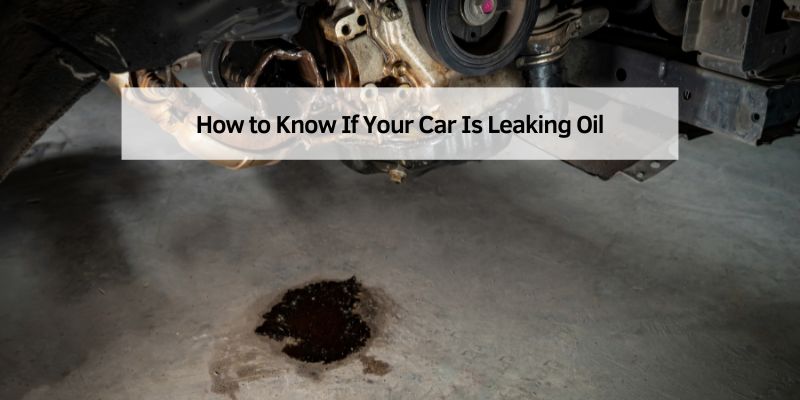
- Puddles or Spots Under Your Car: This is the most obvious sign. If you park your car and notice dark, oily spots on the ground, it’s likely an oil leak. I used to park in my garage and find little brown puddles that smelled like oil. If you see this, don’t ignore it.
- Low Oil Levels: Check your car’s dipstick regularly. If the oil level is dropping faster than usual, even if you don’t see puddles, you might have a slow leak. I make it a habit to check my oil every couple of weeks, especially after I noticed my car was burning through oil quicker than normal.
- Burning Oil Smell: A strong, burnt smell coming from your engine bay or exhaust is a red flag. I once smelled something like burnt toast while driving and realized it was oil hitting hot engine parts. It’s not a good sign!
- Smoke or Steam from the Engine: If you see smoke or steam coming from under the hood, it could be oil leaking onto hot engine components. This happened to me once, and it was scary to see wisps of smoke when I popped the hood.
- Dashboard Warning Light: Many cars have an oil pressure warning light that looks like a little oil can. If it lights up, it could mean your oil levels are low due to a leak. Don’t wait to check this out.
- Unusual Engine Noises: Without enough oil, your engine might start making knocking or ticking sounds. I noticed this faint tapping noise in my car once, and it turned out to be low oil from a small leak.
If you notice any of these signs, it’s time to take a closer look. Let’s talk about how to confirm if it’s really an oil leak.
How to Check for an Oil Leak
Checking for an oil leak is easier than you might think. I’ve done this a few times myself, and it’s not as intimidating as it sounds. Here’s a step-by-step guide to help you figure out what’s going on:
- Park on a Clean Surface: Park your car on a clean, dry surface like a garage floor or a piece of cardboard. This makes it easier to spot any fresh oil drips. I used an old piece of plywood when I first checked my car, and it worked like a charm.
- Look for Puddles or Stains: After leaving your car parked for a few hours (or overnight), check underneath for any dark, oily spots. Oil usually looks brown or black and feels slick to the touch. If it’s red or pink, it might be transmission fluid, not oil.
- Check the Dipstick: Pop your hood and find the dipstick (it usually has a yellow or orange handle). Pull it out, wipe it clean with a rag, reinsert it, and pull it out again to check the oil level. If it’s below the “low” mark, you might have a leak. I always keep a rag handy for this.
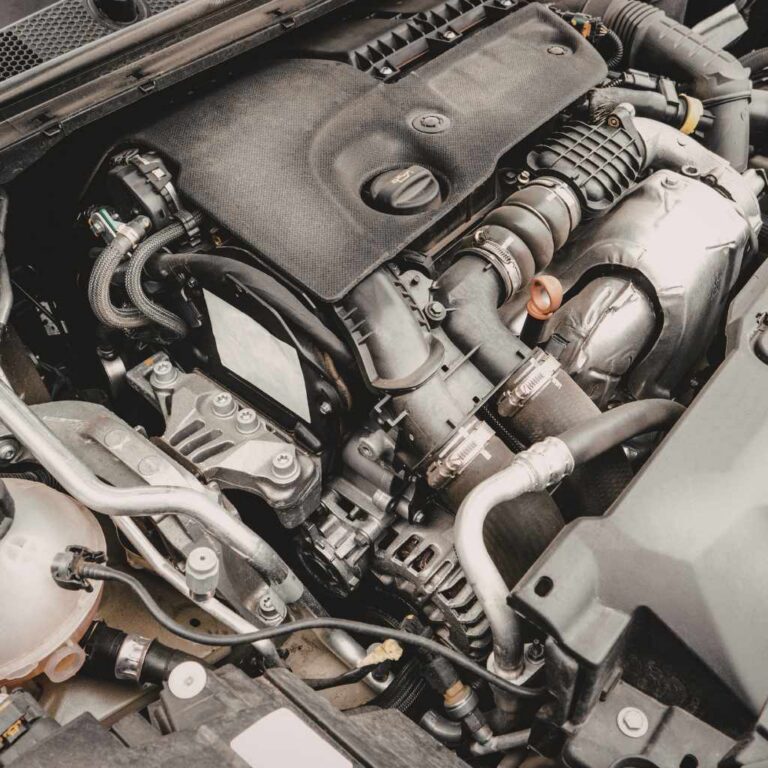
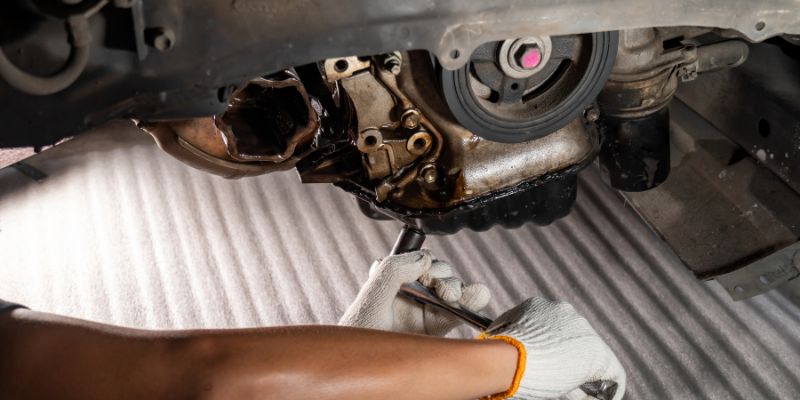
- Inspect the Engine Bay: Look around your engine for any wet or oily spots, especially around the oil filter, drain plug, or valve cover gasket. A flashlight helps here—I used one to spot a tiny leak near my oil pan.
- Smell for Burning Oil: Start your car and let it run for a few minutes. If you smell burning oil or see smoke, it’s a sign that oil is leaking onto hot parts of the engine.
- Check Your Exhaust: Blue or gray smoke coming from your tailpipe could mean oil is leaking into the combustion chamber. This happened to a friend of mine, and it was a sign of a bad seal.
If you confirm there’s a leak, the next step is figuring out where it’s coming from and why.
Common Causes of Oil Leaks
Oil leaks can happen for a bunch of reasons, and I’ve seen a few of them in my own cars over the years. Knowing the cause can help you decide whether it’s a quick fix or something that needs a mechanic’s touch. Here are the most common culprits:
| Cause | Description | Fix Difficulty |
|---|---|---|
| Worn Gaskets or Seals | Gaskets (like the valve cover or oil pan gasket) wear out over time and start leaking. | Moderate to Hard |
| Loose or Damaged Oil Drain Plug | The plug under your oil pan can loosen or get damaged, causing oil to drip. | Easy to Moderate |
| Faulty Oil Filter | A poorly installed or damaged oil filter can leak oil around the seal. | Easy |
| Cracked Oil Pan | A hit from a rock or pothole can crack the oil pan, leading to leaks. | Hard |
| Damaged Engine Seals | Seals around the crankshaft or camshaft can wear out, letting oil escape. | Hard |
| Overfilled Oil | Too much oil can cause pressure buildup, pushing oil past seals or gaskets. | Easy |
I once had a leaky valve cover gasket that left small drips on my driveway. It was a relatively cheap fix, but it took a trip to the mechanic to get it done right. If you’re handy with a wrench, some of these (like tightening a loose drain plug) are DIY-friendly. Others, like a cracked oil pan, are best left to the pros.
What to Do If Your Car Is Leaking Oil
So, you’ve spotted an oil leak—now what? Don’t panic! I’ve been there, and there are clear steps you can take to handle it. Here’s what I recommend:
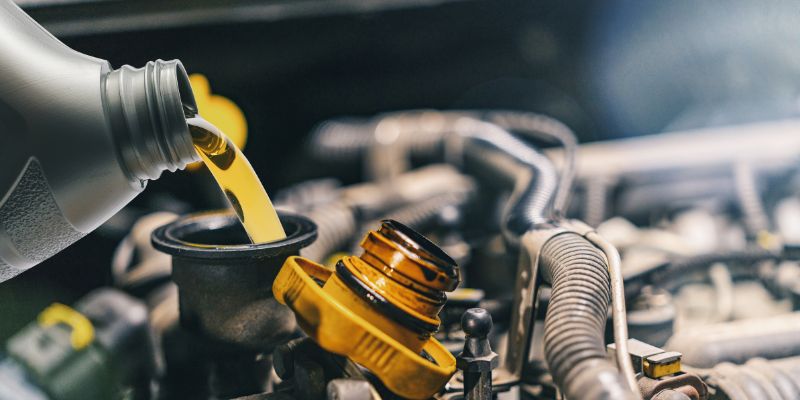
- Top Off the Oil: If your oil level is low, add the right type of oil to keep your engine safe until you can fix the leak. Check your owner’s manual for the correct oil type. I keep a quart of oil in my trunk for emergencies.
- Clean the Area: Clean up any oil spills on your driveway or garage with kitty litter or an oil-absorbent pad. This prevents slippery spots and keeps things tidy.
- Try a Temporary Fix: For small leaks, products like oil stop-leak additives can sometimes slow the drip. I’ve used these in a pinch, but they’re not a permanent solution.
- Visit a Mechanic: If the leak is significant or you’re not sure where it’s coming from, take your car to a trusted mechanic. I learned the hard way that ignoring a leak only makes it worse.
- Regular Maintenance: Prevent future leaks by sticking to your car’s maintenance schedule. Regular oil changes and inspections can catch issues early. I now get my oil changed every 5,000 miles to stay on top of things.
If you’re not sure how bad the leak is, keep an eye on it for a few days. Small leaks might just need monitoring, but big ones need immediate attention.
How to Prevent Oil Leaks in the Future
Prevention is always better than a cure, right? After dealing with a couple of oil leaks, I’ve learned some tricks to keep them at bay. Here’s what works:
- Stick to a Maintenance Schedule: Regular oil changes and inspections can catch worn gaskets or loose parts before they become leaks. I set a reminder on my phone to check my oil every month.
- Use the Right Oil: Always use the oil type and viscosity recommended in your owner’s manual. Using the wrong oil can damage seals and cause leaks.
- Don’t Overfill: Adding too much oil can put pressure on seals and gaskets, leading to leaks. I made this mistake once and ended up with oil seeping out of my engine.
- Check for Damage: After driving over rough roads or hitting a pothole, inspect your oil pan and undercarriage for dents or cracks.
- Replace Worn Parts: Gaskets and seals don’t last forever. If your car is older, consider replacing them proactively during major maintenance.
By staying proactive, you can avoid the hassle of oil leaks and keep your car running smoothly.
The Cost of Ignoring an Oil Leak
I can’t stress this enough: ignoring an oil leak is a bad idea. I once put off fixing a small leak because I thought it wasn’t a big deal. Big mistake! The leak got worse, my oil levels dropped, and my engine started making weird noises. By the time I got it to a mechanic, the repair cost was way higher than it would’ve been if I’d acted sooner. Low oil can cause your engine to overheat, damage internal parts, or even seize up completely. Repairs for major engine damage can cost thousands of dollars, while fixing a small leak might only set you back a couple hundred. Plus, oil leaks can harm the environment, so it’s worth addressing them quickly.
When to Call a Professional
Some oil leaks are easy to fix yourself, like tightening a loose drain plug or replacing an oil filter. But others, like a cracked oil pan or worn crankshaft seal, are trickier. If you’re not comfortable working on your car or the leak is severe (like a big puddle or smoke from the engine), it’s time to call a mechanic. I’ve tried DIY fixes before, but I’ve learned that some jobs are best left to the experts. A good mechanic can diagnose the problem, give you a fair quote, and fix it properly. If you’re in the USA, look for a shop with ASE-certified technicians for peace of mind.
Conclusion
Dealing with an oil leak might seem overwhelming, but it’s something every car owner can handle with a little know-how. By spotting the signs early—like puddles under your car, low oil levels, or that telltale burning smell—you can take action before it becomes a bigger problem. I’ve been through this myself, and I know how satisfying it is to catch an issue early and keep your car running smoothly. Regular checks, proper maintenance, and quick fixes can save you from expensive repairs and keep your vehicle in great shape. So, next time you park your car, take a quick peek underneath. You might just catch a small problem before it turns into a big one. Drive safe, and keep that engine happy!
Frequently Asked Questions
Why is there oil under my car?
Oil under your car usually means there’s a leak somewhere in the engine or oil system. It could be a worn gasket, loose drain plug, or damaged oil pan. Check the color and texture of the fluid—oil is typically brown or black and slick. If you’re not sure, take it to a mechanic for a closer look.
How often should I check my car’s oil level?
I check my oil every couple of weeks or before a long trip. It’s a good habit to get into, especially if you suspect a leak. Just pop the hood, pull out the dipstick, and make sure the oil is between the “low” and “full” marks.
Can I drive with an oil leak?
It depends on how bad the leak is. A small drip might be okay for a short time if you keep topping off the oil, but a big leak can damage your engine fast. I wouldn’t risk driving far until it’s fixed—better safe than sorry!
How much does it cost to fix an oil leak?
The cost varies depending on the cause. A simple fix, like tightening a drain plug, might cost $50-$100. Replacing a gasket or seal could run $200-$500, while a cracked oil pan might be $500 or more. Get a quote from a mechanic to know for sure.
Can I fix an oil leak myself?
Some leaks, like a loose oil filter or drain plug, are easy to fix if you’re handy with tools. But bigger issues, like a worn gasket or cracked oil pan, are best left to a professional. I’ve tried DIY fixes, but sometimes it’s worth paying for the expertise.