What Causes a Car Engine to Overheat? 9 Causes & What to Do
Low coolant is the single most common reason a car engine overheats, but a stuck thermostat, a clogged radiator, a failing water pump, or a broken cooling fan can all push the temperature gauge into the red just as fast. This guide covers every major cause of engine overheating, how to tell your engine is running hot, and exactly what to do if it happens to you.
What Counts as an Overheating Engine?
BEST FOR TOPPING OFF LOW COOLANT
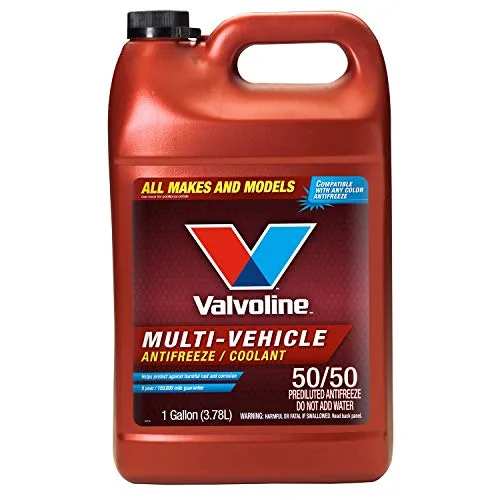 |
Valvoline Multi-Vehicle 50/50 Antifreeze/Coolant – $18.58 Since low coolant is the #1 cause of overheating covered below, keeping a jug of this in the trunk means you can top off a low reservoir on the spot instead of driving on a hot engine.
|
Most gasoline engines run at 195–220°F once warmed up, and the cooling system is designed to hold that range steady no matter how hot it is outside. Overheating means the temperature has climbed past that normal band, usually toward 230–250°F, to the point where the gauge needle sits in or near the red zone. Left unchecked, that extra heat can warp a cylinder head, blow a head gasket, or crack an engine block, so catching the cause early is what keeps a cheap fix from turning into an expensive one.
Top Causes of Engine Overheating
A handful of failures account for nearly every overheating engine. Here is what to check, in the order it is usually worth checking it.
Low Coolant Levels
Coolant is the liquid that actually carries heat away from the engine and dumps it out through the radiator. When the level drops too low, whether from a slow leak or from normal evaporation over time, there simply is not enough fluid left to do that job, and the engine heats up fast. Pop the hood when the engine is cold and check the translucent plastic coolant reservoir; the fluid should sit between the “low” and “full” lines printed on the side of the tank.
- Tip: Coolant is usually green, pink, blue, or orange depending on the formula. If the tank is low, top it off with a pre-mixed 50/50 coolant/water blend rather than plain water.
Faulty Thermostat
The thermostat is a small valve that opens once the engine reaches operating temperature, letting coolant flow to the radiator. If it fails stuck closed, coolant stops circulating almost entirely and the temperature gauge can climb within minutes of starting the car. It is one of the cheaper parts on this list to replace, typically under $200 installed.
- Sign: The engine heats up unusually fast after a cold start, before it should reach normal operating temperature.
Radiator Problems
The radiator uses airflow to pull heat out of the coolant as it passes through. Dirt, road debris, or leaves packed into the fins block that airflow, and a damaged or corroded radiator can develop leaks of its own. Both problems tend to show up worst in stop-and-go traffic, where there is less natural airflow moving through the grille.
- Tip: Look at the radiator fins from the front of the car. Clear out leaves or bugs with a soft brush or a gentle stream of water, working from the engine side outward.
Water Pump Failure
The water pump circulates coolant through the engine block and radiator, the way a heart circulates blood. When the pump’s bearing or impeller fails, coolant flow slows or stops even if the coolant level itself is fine. A failing pump often gives a warning first: a grinding or whining noise from the front of the engine, or coolant dripping from the weep hole on the pump housing.
Broken Cooling Fan
The electric (or clutch-driven) cooling fan pulls air through the radiator whenever the car is stopped or moving too slowly for ram air to help. A fan that will not spin, because of a bad motor, a blown fuse, or a failed relay, lets the engine overheat specifically in traffic or while idling, even though it may run fine at highway speed.
Blown Head Gasket
The head gasket seals the cylinder head to the engine block and keeps coolant and combustion gases separate. Once it fails, coolant can leak into the cylinders or mix with the oil, which both robs the cooling system of fluid and lets combustion heat bypass the cooling system entirely. White, sweet-smelling exhaust smoke or milky oil on the dipstick are the classic warning signs, and this repair is one of the most expensive on the list, so catching it early matters.
Low Engine Oil
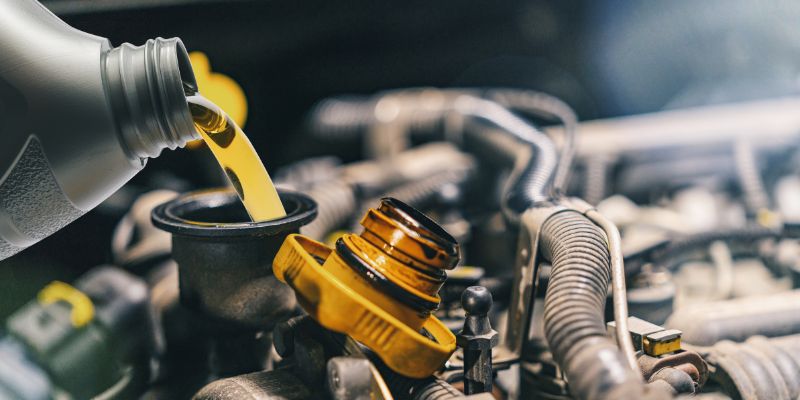
Oil does more than lubricate moving parts; it also carries a meaningful share of engine heat away from pistons and bearings before that heat ever reaches the cooling system. Running low on oil, or running old, broken-down oil, forces the engine to shed more of its heat through the coolant alone, which pushes the cooling system closer to its limit. Check the dipstick monthly and top off or change the oil on schedule.
Engine Overload
Towing a heavy trailer, hauling a full load, or climbing long grades in hot weather all make the engine work harder and generate more heat than the cooling system was sized for under normal driving. This is not a failure by itself, but it can push a cooling system that is already marginal (low coolant, a partly clogged radiator) over the edge.
How to Spot an Overheating Engine
Catching these signs early gives you time to pull over before real damage happens:
- Temperature gauge in the red: The dashboard needle sits at “H” or in the red zone. Get off the road right away.
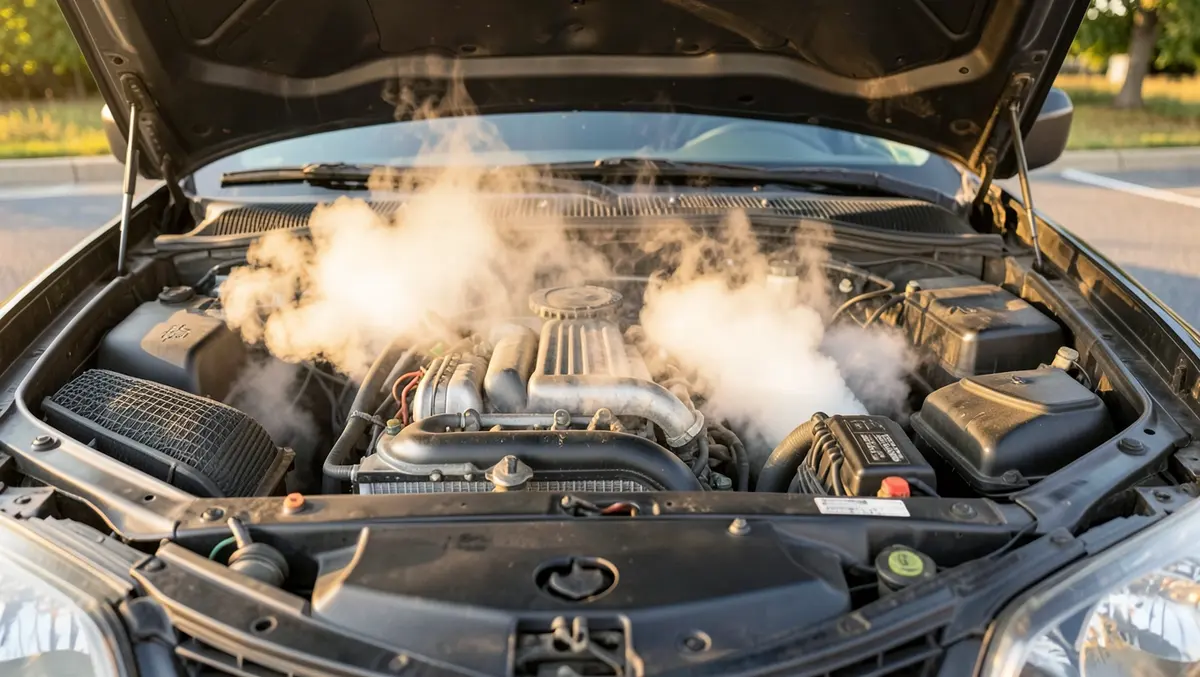
- Steam from under the hood: It looks like smoke but smells sweet. That is coolant boiling off.
- Unusual smells: A sweet smell points to coolant; a burnt smell points to oil hitting a hot surface.
- Knocking or ticking noises: These can mean the heat has already started to affect internal engine parts.
What to Do the Moment Your Engine Overheats
If the gauge climbs into the red while you are driving, act right away, before you try to figure out the cause:
- Turn off the air conditioning and switch the climate control to maximum heat. Running the heater pulls heat away from the engine and into the cabin, which can buy you a few extra minutes.
- Pull over safely as soon as you can, with your hazard lights on.
- Shut the engine off once you are stopped, to stop generating more heat.
- Wait at least 15 to 30 minutes before opening the hood, and do not pour cold water on a hot engine. The sudden temperature change can crack a hot engine block or cylinder head.
Never open the radiator cap while the engine is hot. A pressurized cooling system can hold coolant well above the boiling point of water, and removing the cap releases that pressure all at once. The escaping steam and coolant can cause serious burns. Wait for the engine to cool completely, and even then, turn the cap slowly and keep your face and hands away from the opening.
Easy Steps to Find the Cause Once the Engine Has Cooled
You do not need to be a mechanic to narrow down what caused the overheating. Work through these steps once the engine has fully cooled.
Step 1: Check the Coolant Level
With the engine cold, pop the hood and find the coolant reservoir. If the level sits below the “low” mark, top it off with a 50/50 coolant/water mix. Keeping a bottle in the trunk means you are not stuck if this happens away from home.
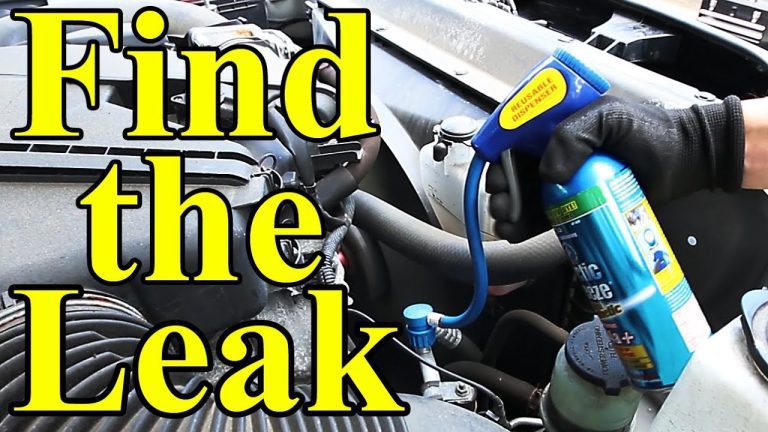
Step 2: Look for Leaks
Check the ground under the car for a puddle. Coolant is usually colorful (green, orange, pink, or blue) and smells sweet rather than sharp like gasoline. A visible leak, or a coolant level that keeps dropping even after you top it off, points to a hose, radiator, or water pump problem that a mechanic should inspect. Catching a leaking hose early is a far cheaper fix than waiting until it fails completely and causes a full engine overheat.
Step 3: Test the Radiator Fan
Start the car and let it idle in park with the parking brake set. After a few minutes, watch to see whether the cooling fan kicks on. If it never spins, have the fan motor, fuse, and relay checked; a fan repair typically runs $100–$200, far less than the cost of a damaged engine.
Tools You Need
- Work gloves, to avoid burns from residual heat
- A flashlight, to see clearly under the hood
- Pre-mixed 50/50 coolant, available at any auto parts store for $10–$20
Comparing Common Causes
| Cause | Sign | Fix | Typical Cost |
|---|---|---|---|
| Low coolant | Low tank level, steam from the hood | Top off coolant, check for leaks | $10–$100 |
| Faulty thermostat | Heats up unusually fast after starting | Replace the thermostat | $50–$200 |
| Clogged or damaged radiator | Overheats mainly in traffic | Clean or replace the radiator | $100–$500 |
| Water pump failure | Grinding noise, coolant leak near the pump | Replace the water pump | $200–$600 |
| Blown head gasket | White exhaust smoke, milky oil | Replace the head gasket | $1,000–$2,500 |
Tips to Prevent Overheating
- Check coolant monthly: It takes about two minutes and catches a slow leak before it becomes a roadside breakdown.
- Run the heater in a pinch: If the gauge starts climbing, turn off the AC and turn the heater to maximum. It draws heat away from the engine.
- Avoid unnecessary heavy loads: Towing or overloading the car in hot weather puts extra strain on a cooling system that may already be near its limit.
Mistakes to Avoid
- Opening a hot radiator cap: The escaping steam and pressurized coolant can cause serious burns. Always wait at least 30 minutes for the engine to cool first.
- Ignoring the warning gauge: A red temperature gauge means pull over now, not at the next exit.
- Using plain water instead of coolant: Water boils and freezes at temperatures coolant is formulated to handle. Use a proper 50/50 coolant/water mix.
Benefits and Drawbacks of DIY Checks
Benefits:
- Checking coolant, oil, and the radiator yourself typically costs nothing, compared with a shop diagnostic fee.
- You build a working understanding of your own cooling system.
- Regular checks catch small issues, like a slow leak, before they cause a roadside breakdown.
Drawbacks:
- It takes 10–15 minutes a month to stay on top of.
- You need a few basic tools and supplies on hand: gloves, a flashlight, and coolant.
- Internal failures, like a bad water pump or a blown head gasket, still need a qualified mechanic to diagnose and repair safely.
Cost-Saving Ideas
- Buy coolant in bulk: A gallon jug costs around $18–$20 and covers several top-offs over the years.
- Clean the radiator yourself: A garden hose and a soft brush handle most dirt and debris for free.
- Learn the basic checks: Coolant, oil, and a visual radiator check take a few minutes once you know where to look.
| Task | DIY Cost | Mechanic Cost | Typical Savings |
|---|---|---|---|
| Check and top off coolant | $10–$20 | $50–$100 | $40–$90 |
| Clean the radiator | $0 | $100–$200 | $100–$200 |
| Replace the thermostat | ~$20 (part only) | $100–$200 | $80–$180 |
Related Reading
If your coolant level is already fine and the car is still running hot, see our dedicated guide on why a car can overheat even with coolant in the system. A dirty radiator is also one of the easiest causes to prevent yourself; our radiator cleaning guide walks through doing that safely at home.
Frequently Asked Questions
Why does my car overheat in traffic?
Stop-and-go traffic cuts off the natural airflow through the radiator that helps cool the engine at speed, so the cooling fan has to do all the work. A broken fan or low coolant makes overheating in traffic much more likely.
How do I check coolant safely?
Wait at least 30 minutes after driving for the engine to cool, then open the coolant reservoir cap slowly (never the radiator cap while hot). Top it off with a 50/50 coolant-water mix if the level is below the “low” line.
Can low oil cause overheating?
Yes. Oil carries away some engine heat in addition to lubricating moving parts. Check the dipstick regularly and top off or change the oil if it is low or overdue.
What is a thermostat, and why does it fail?
The thermostat is a valve that controls when coolant flows to the radiator. It can fail stuck closed, trapping heat in the engine. Most automakers recommend replacing it every 5–7 years or whenever it is suspected of failing.
Is it safe to keep driving an overheating car?
No. Continuing to drive can warp the cylinder head or crack the engine block. Pull over as soon as it is safe, turn off the engine, and wait at least 15 to 30 minutes before checking anything under the hood.
How often should I check my radiator?
Inspect it monthly for dirt, bent fins, or leaks. A garden hose and a soft brush are usually enough to clear debris and keep airflow strong.
Can a bad head gasket cause overheating?
Yes. A blown head gasket can let coolant leak into the cylinders or mix with the engine oil. Watch for white, sweet-smelling exhaust smoke or milky oil on the dipstick, and have it inspected quickly since this is one of the more expensive causes to leave unaddressed.
Conclusion
An overheating engine is almost always caused by something in the cooling system falling short: low coolant, a stuck thermostat, a clogged radiator, a failed water pump, or a fan that will not spin. Checking coolant, oil, and the radiator monthly catches most of these problems before they strand you on the road. If the gauge does climb into the red, turn off the AC, blast the heater, pull over, and give the engine at least 15 to 30 minutes to cool before you look under the hood.
Products related to this article
Sponsored / affiliate links. As an Amazon Associate I earn from qualifying purchases. I may earn additional commission from eligible campaigns.