How to Launch a Car Fast: Proven Effortless Methods
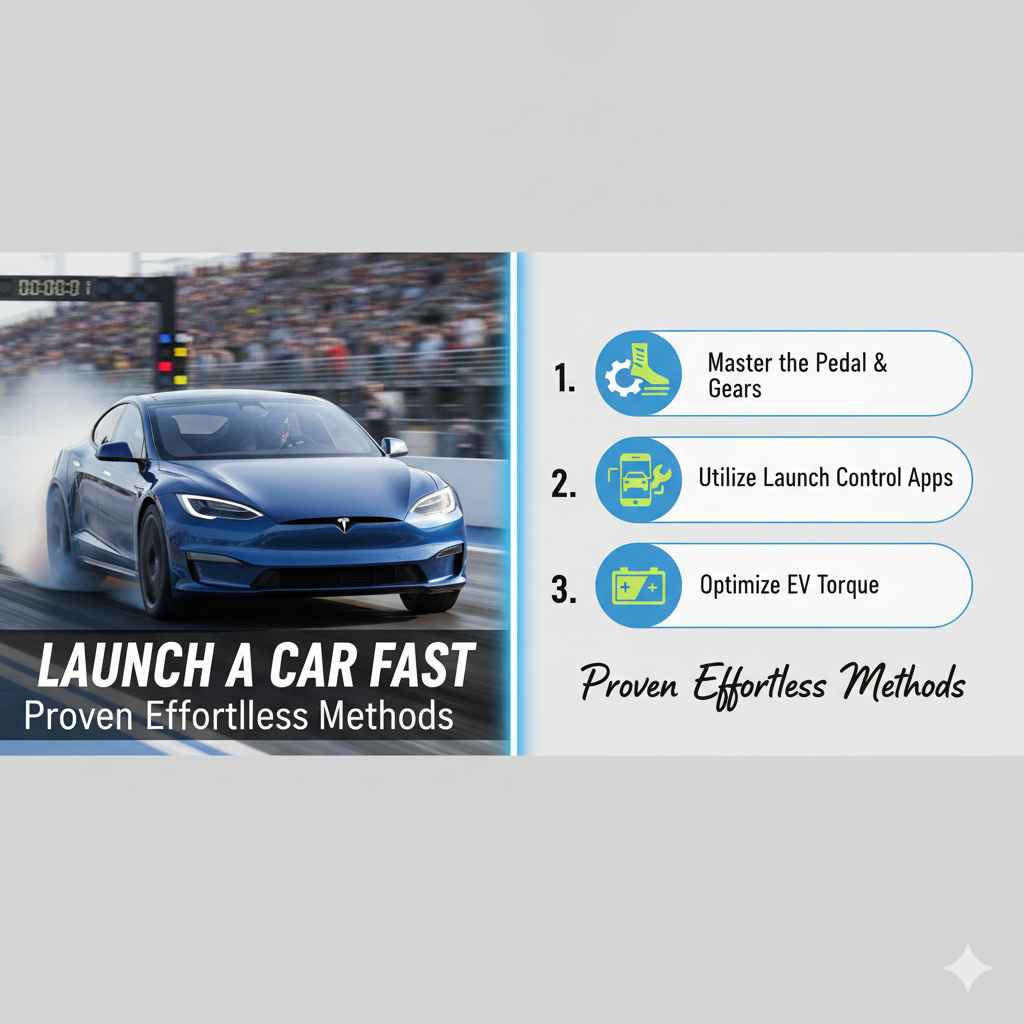
Launching a car fast doesn’t require complex tricks. It’s about understanding your car’s basic powerful features like Launch Control, engaging Sport mode, and ensuring optimal tire grip. This guide breaks down these effortless methods simply, so you can safely experience your car’s full potential.
The feeling of your car surging forward with exhilarating speed is something many drivers dream about. But what if you’ve heard whispers of “launching” a car and thought it was only for race car drivers or overly complicated? You might even feel a bit intimidated, wondering if it’s a technique that’s too difficult or even risky for a regular driver. Many of us have wondered, “How can I make my car go fast from a standstill?” It’s a common question, often born from curiosity or a desire to simply explore what your vehicle is truly capable of.
Don’t worry, it’s more achievable than you think! This guide is here to demystify the process, offering simple, safe, and effective ways to launch your car fast. We’ll cover everything you need to know, from understanding your car’s built-in systems to preparing for the best takeoff. Get ready to unlock a new level of driving excitement!
Understanding “Launching” a Car: What It Really Means
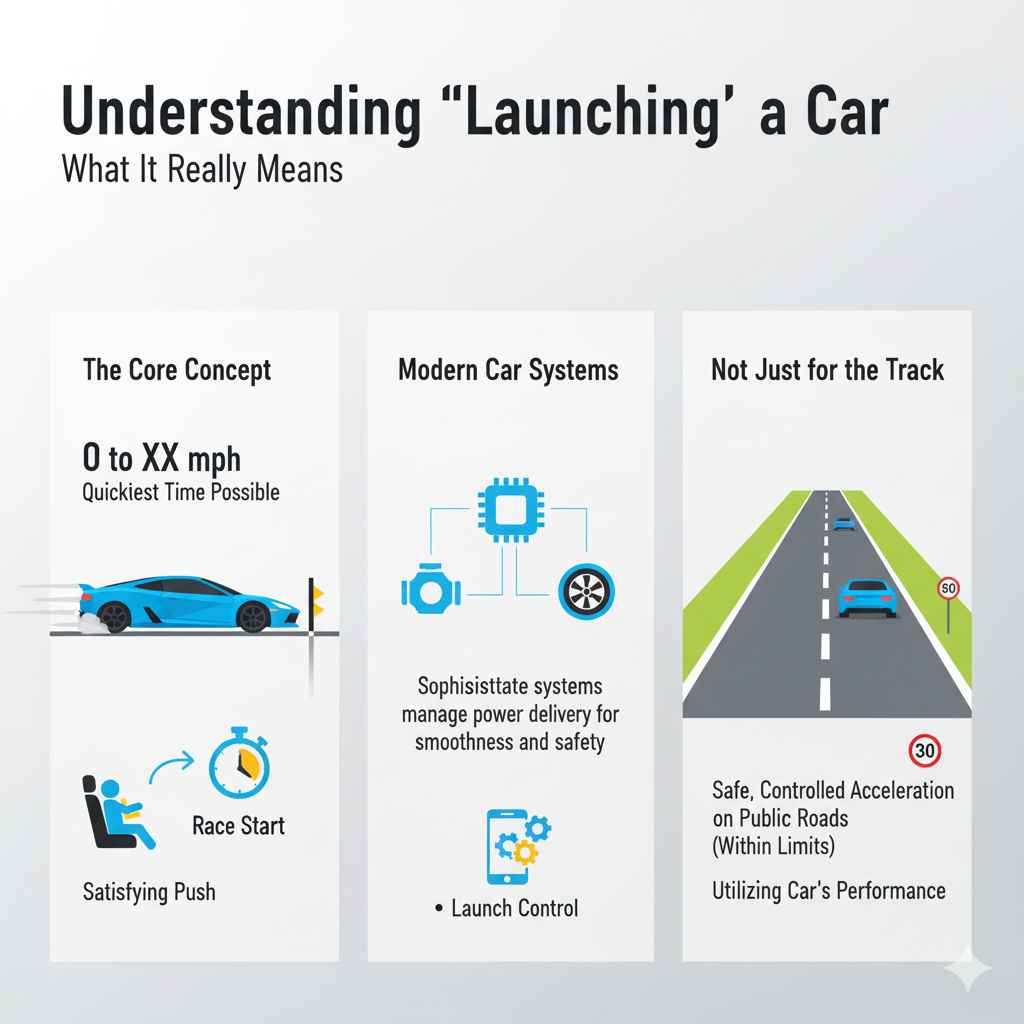
When we talk about “launching” a car, we’re essentially referring to accelerating from a stationary position as quickly and efficiently as possible. Think of it as the car’s version of a race start. The goal is to get your vehicle from 0 mph to a higher speed in the shortest amount of time. For a regular car on a public road, this isn’t about breaking speed limits, but about understanding and safely utilizing your car’s performance capabilities. It’s about experiencing that satisfying push back into your seat as the engine works to its potential. Most modern cars have sophisticated systems designed to help manage this power delivery smoothly, making it easier and safer for you to enjoy.
Effortless Methods to Launch Your Car Fast
Launching a car fast isn’t about magic tricks or dangerous maneuvers. It’s about understanding and using the technology already built into your vehicle. Here are the most common and effective “effortless” methods:
1. Utilizing Built-In Launch Control
Many performance-oriented cars, and even some mainstream models, come equipped with a feature called “Launch Control.” If your car has this, it’s the absolute easiest and most effective way to achieve a fast launch. Launch Control is an electronic system that optimises throttle, braking, and traction control to give you the fastest possible straight-line acceleration from a standstill.
How Launch Control Works:
- Engine Management: It automatically sets the engine RPM to the optimal level for a powerful but controlled start.
- Traction Control: It adjusts the traction control system to allow maximum forward movement without tire spin.
- Transmission Control: For automatic transmissions, it ensures the gear is perfectly selected for maximum torque.
How to Use Launch Control (General Steps):
The exact procedure varies by manufacturer, so always consult your car’s owner’s manual first. Many systems require specific conditions and button presses:
- Ensure Conditions are Right: You’ll need a safe, open, and legal stretch of road. The surface should be dry and provide good grip.
- Engage Sport/Performance Mode: Most cars require you to be in their sportiest driving mode.
- Activate Traction Control Settings: Often, you’ll need to turn off stability control or put it into a “sport” or “off” mode. This is crucial because the stability system can sometimes interfere with Launch Control.
- Engage Launch Control: This usually involves pressing and holding a specific button (often related to traction control or a dedicated “sport” button) while also engaging the brakes and applying a significant amount of throttle (e.g., flooring it).
- Monitor the Dashboard: Look for an indicator light or message on your dashboard that confirms Launch Control is active and ready.
- Release the Brake: Once ready, release the brake pedal quickly. The car will then launch forward automatically.
- Steer Straight: Keep the steering wheel straight during the launch for optimal acceleration.
Important Note: Launch Control puts significant stress on your car’s drivetrain. Use it sparingly and only in appropriate conditions. Check out NHTSA’s information on Electronic Stability Control to understand how these systems work to keep you safe.
2. Leveraging Sport Mode (When Launch Control Isn’t Available)
If your car doesn’t have Launch Control, simply putting it into “Sport” or a similar performance-oriented mode is the next best thing. This mode is designed to make your car feel more responsive and powerful, which directly helps with acceleration from a standstill.
How Sport Mode Enhances Launch:
- Sharper Throttle Response: The accelerator pedal becomes more sensitive, meaning a smaller press results in more engine power. This allows for quicker and more precise control of acceleration.
- Optimized Transmission Settings: For automatic transmissions, Sport mode often holds gears longer, allowing the engine to reach higher RPMs before shifting. It also downshifts more aggressively when you decelerate, keeping the engine in its power band.
- Adjusted Steering Feel: While not directly affecting launch speed, Sport mode often tightens up the steering, making the car feel more connected and responsive.
Using Sport Mode Effectively for Launch:
- Find the Sport Button/Mode: Locate the button or setting in your car that activates Sport mode.
- Engage Sport Mode: Select Sport mode before you plan to launch.
- Apply Gentle Throttle Initially: Because the throttle is sharper, start with a lighter touch on the accelerator to avoid overwhelming the tires.
- Smoothly Increase Throttle: As the car begins to move and you feel grip, progressively and smoothly apply more throttle until you reach your desired speed or reach safe limits.
- Be Mindful of Wheel Spin: In a front-wheel-drive car, too much initial throttle can lead to wheel spin. In a rear-wheel-drive car, it can lead to oversteer. Gently modulating the throttle is key.
3. Manual Transmission “Clutch Drop” (Use with Extreme Caution!)
For drivers with manual transmissions, the traditional method of a fast launch is often called a “clutch drop.” This involves revving the engine while holding the clutch pedal down, then rapidly releasing the clutch pedal. While this can achieve a very fast launch, it is extremely hard on your clutch and drivetrain. It’s generally not recommended for daily driving or for beginners due to the high risk of damage.
Understanding the “Clutch Drop”:
It’s a technique that couples engine RPM with instantaneous clutch engagement to maximize initial torque transfer to the wheels. It’s a forceful and abrupt way to launch.
General Steps (Not a Recommendation):
- Find a Suitable Environment: A very large, open, and safe area with excellent traction is paramount.
- Engage First Gear: Put the car in first gear.
- Apply Brakes: Firmly apply the brakes to hold the car stationary.
- Rev the Engine: Rev the engine to a high RPM (often in the power band, but car-dependent).
- Rapidly Release the Clutch: Quickly release the brake pedal and then simultaneously and rapidly release the clutch pedal.
- Controlled Throttle: Feather the throttle to manage wheel spin and maintain forward momentum.
Why this is risky: This method creates immense shock load on the clutch disc, pressure plate, flywheel, transmission, and axles. Repeated use will significantly shorten the life of these components and can lead to very expensive repairs. For most drivers, this is a technique to avoid.
4. Optimal Tire Grip: The Foundation of Any Fast Launch
No matter what method you use, the tires are where all that power meets the road. Ensuring you have the best possible grip is fundamental for a fast, safe launch. Without good grip, you’ll just spin your wheels, which is inefficient and slow.
Factors Affecting Tire Grip:
- Tire Condition: Worn tires have less tread depth and can’t grip as well.
- Tire Pressure: Properly inflated tires offer the best contact patch with the road. Both under- and over-inflated tires can reduce grip.
- Tire Type: Performance tires are designed for maximum grip compared to all-season or eco-focused tires.
- Road Surface: Dry, clean asphalt offers the best grip. Wet, icy, or dirty surfaces drastically reduce it.
Tips for Maximizing Grip:
- Check Tire Tread: Ensure your tires have sufficient tread depth. The legal minimum is often 2/32nds of an inch (about 1.6 mm), but for performance, you want more. You can check with a penny – if you can see the top of Lincoln’s head, your tread is low.
- Maintain Proper Tire Pressure: Check your tire pressures regularly (when tires are cold) against the recommendation on the sticker inside your driver’s side door jamb.
- Clean Tires (If Possible): In a controlled environment, ensuring your tires are free of debris can help.
- Avoid Launching in Poor Conditions: Rain, snow, ice, or even loose gravel will significantly hinder your ability to launch fast.
A good resource for understanding tire maintenance and safety is the U.S. Department of Energy’s Fuel Economy website, which often touches on tire pressure’s impact on efficiency and safety.
Preparing Your Car for a Fast Launch
Before you attempt any form of fast acceleration, a little preparation goes a long way to ensure safety and prevent damage.
Pre-Launch Checklist:
- Read Your Owner’s Manual: This is the most important step, especially for Launch Control.
- Check Fluids: Ensure engine oil, coolant, and brake fluid are at appropriate levels.
- Inspect Tires: Look for wear, damage, and ensure correct pressure.
- Warm Up the Engine: Driving for a few minutes to bring the engine and drivetrain to operating temperature is beneficial, but avoid excessive or hard driving before your launch.
- Choose a Safe Location: A deserted straight road, a private track, or an empty parking lot (where permitted) are suitable. Never do this on public roads where it’s unsafe or illegal.
- Clearance: Ensure there’s ample space ahead and no pedestrians, animals, or other vehicles nearby.
Table: Comparing Launch Methods
| Method | Ease of Use | Risk of Damage | Effectiveness | Best For |
|---|---|---|---|---|
| Launch Control | Very Easy | Low to Moderate (when used as intended) | Very High | Cars equipped with the system, optimizing for speed and safety. |
| Sport Mode Only | Easy | Low | Moderate to High | Daily drivers seeking a responsive feel and quicker acceleration. |
| Manual Clutch Drop | Difficult (requires practice) | Very High | Very High | Experienced manual drivers in controlled environments, understanding the high maintenance cost. |
Environmental Considerations and Safety
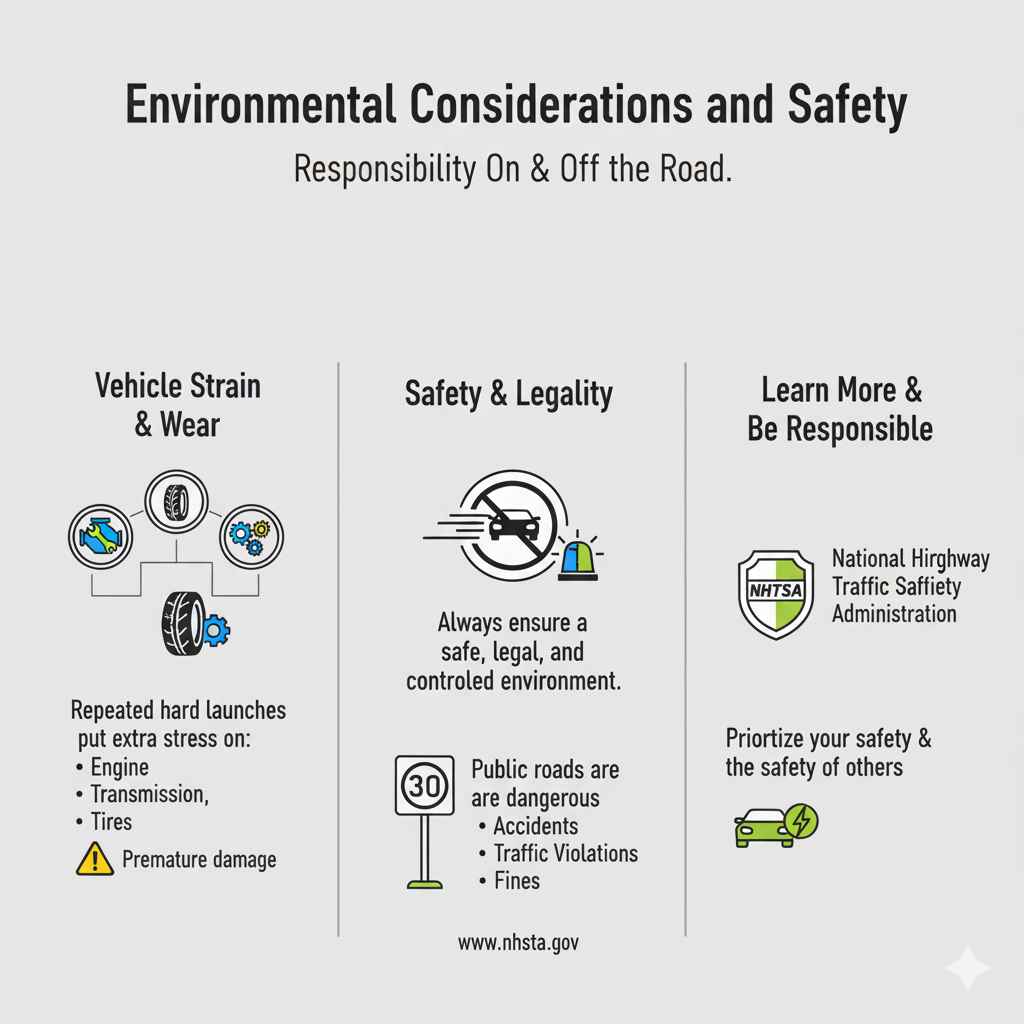
It’s crucial to remember that while exploring your car’s capabilities can be fun, safety and responsibility are paramount. Launching a car quickly, especially repeatedly, puts extra strain on your vehicle’s components like the engine, transmission, and tires. This can lead to premature wear and potential damage if not done correctly or if the car isn’t designed for it. Furthermore, always ensure you are in a safe, legal, and controlled environment. A quick acceleration on a public road can be dangerous and lead to accidents or traffic violations. Always prioritize your safety and the safety of others. For more on vehicle safety, the National Highway Traffic Safety Administration (NHTSA) is an excellent resource.
Frequently Asked Questions (FAQ)
Q1: Can I launch my car fast if it’s a basic sedan?
A1: Most basic sedans are not designed for rapid launches. They typically lack performance features like Launch Control or aggressive Sport modes. While you can accelerate quickly by simply pressing the pedal firmly, it won’t be the same dramatic “launch” experience, and overdoing it can strain the drivetrain.
Q2: Will using Launch Control void my car’s warranty?
A2: In most cases, if your car is equipped with Launch Control and you use it according to the owner’s manual, it should not void your warranty. However, if damage occurs due to misuse, improper conditions, or if the system is modified, warranty coverage might be affected. Always check your specific warranty terms.
Q3: How often can I use Launch Control?
A3: Launch Control is designed for occasional use. Frequent use can lead to accelerated wear on the clutch, transmission, tires, and other drivetrain components. It’s best reserved for specific situations where you want to experience the car’s maximum acceleration potential safely.
Q4: I have a manual car, and my friend told me to “dump the clutch.” Is this safe?
A4: “Dumping the clutch” on a manual transmission car means rapidly releasing the clutch pedal. While it can achieve a fast launch, it’s very harsh on the clutch, flywheel, transmission, and axles, often leading to expensive repairs relatively quickly. It’s not generally recommended for typical drivers and should only be considered in controlled environments by experienced individuals.
Q5: What are the signs my tires need replacing if I plan on launching my car?
A5: Signs include visibly worn tread (below 4/32nds of an inch is a good indicator for performance driving), cracks or bulges in the sidewall, uneven wear patterns, or if the tires are very old (even with good tread, the rubber degrades over time).
Q6: Does it matter if the road surface is slightly damp when I want to launch?
A6: Yes, it matters significantly. A damp surface drastically reduces tire traction. If you attempt a fast launch on a wet surface, you’ll likely experience considerable wheel spin, leading to slower acceleration and potential loss of control. Always aim for dry, grippy surfaces.
Q7: What’s the difference between Sport Mode and Launch Control?
A7: Sport Mode adjusts the car’s general driving characteristics to feel sportier (sharper throttle, later shifts). Launch Control is a specific system designed to manage the electronic and mechanical components for the absolute fastest acceleration from a standstill, often involving precise RPM control and optimized torque delivery. Launch Control is a precise tool for a single event, whereas Sport Mode enhances overall driving dynamics.
Conclusion
Launching a car fast doesn’t have to be a mysterious or daunting task. By understanding your vehicle’s capabilities and the simple techniques available, you can safely and effectively experience your car’s thrilling acceleration. Whether your car is equipped with sophisticated Launch Control, offers a responsive Sport mode, or you’re navigating a manual transmission with care, the key lies in preparation, understanding the mechanics, and always prioritizing safety. Remember to consult your owner’s manual, choose the right conditions, and keep your tires in top shape. Exploring your car’s performance should be an enjoyable and confident part of driving, and with these effortless methods, you’re well on your way to unleashing that power responsibly.