How to Mark a Car: Essential Getaway Vehicle Guide
Knowing how to mark a car as a getaway vehicle involves selecting the right car type, making subtle modifications for anonymity, and preparing essential gear safely and discreetly. This guide provides clear, beginner-friendly steps to ensure your chosen vehicle is well-prepared without drawing unnecessary attention.
Ever wondered about the practicalities of preparing a vehicle for… well, let’s just say, a quick departure? You’re not alone. When you need to move swiftly and discreetly, the car you choose and how you prepare it makes all the difference. It’s a scenario where being unprepared can lead to unnecessary stress. But don’t worry! I’m here to break down exactly what you need to know, step-by-step. We’ll cover everything from picking the right car to making sure it’s ready to go when you are, all in a way that’s easy to understand and totally manageable. Get ready to feel confident about your vehicle’s readiness!
Why Vehicle Preparation Matters
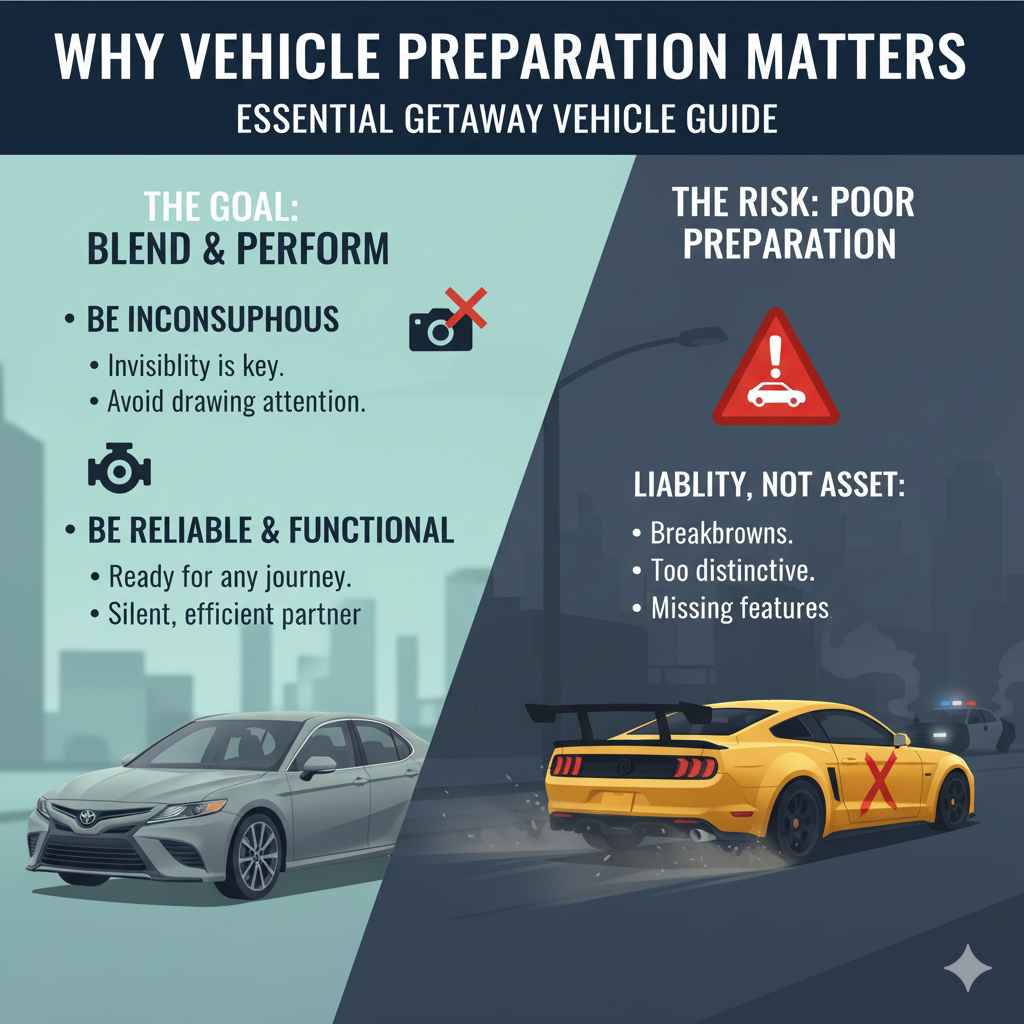
Choosing and preparing a vehicle for a swift exit, often termed a “getaway vehicle” in various contexts, is all about blending in and functionality. It’s not just about speed; it’s about being inconspicuous and ensuring the vehicle can perform its intended task without drawing attention. Think of it like preparing for any important journey – you ensure your tires are good, your fuel tank is full, and you have what you need. For scenarios requiring a quick departure, this preparation is amplified. The goal is to make the vehicle a silent, efficient partner in your plan.
Many people overlook the crucial details, thinking any car will do. However, a poorly chosen or unprepared vehicle can become a liability rather than an asset. It might break down, be too distinctive, or lack the necessary features. Understanding these nuances can save you a lot of trouble down the line. This guide aims to demystify the process, turning a potentially complex task into a straightforward series of actions.
By following a structured approach, you can ensure your chosen vehicle is a reliable choice for any situation where a swift, discreet move is required. We’ll explore the key considerations, from vehicle selection to subtle modifications and essential packing, ensuring you’re well-equipped with knowledge and confidence.
Choosing the Right Vehicle: The Foundation of Your Plan
The first and most critical step is selecting the right vehicle. This isn’t the time for that flashy sports car or the distinctive vintage model. The ideal getaway vehicle is one that goes unnoticed, blends into its surroundings, and is generally reliable and readily available. Think of it as camouflage on wheels.
Key Characteristics of an Ideal Getaway Vehicle:
- Inconspicuous Appearance: The vehicle should be common, forgettable, and free of any unique markings, dents, or modifications that would make it stand out. Think about the most common sedans or SUVs you see on the road daily.
- Reliability: It needs to start every time and handle consistent driving without issues. A breakdown in a critical moment is the last thing you need.
- Fuel Efficiency: Depending on the intended range, good fuel economy can be a significant advantage, reducing the need for frequent refueling stops where you might be noticed.
- Comfort & Space: While not always paramount, sufficient space for occupants and any necessary gear is important. Comfort can also reduce driver fatigue on longer journeys.
- Maintenance: A vehicle that is easy and inexpensive to maintain or repair is beneficial should any minor issues arise.
- Four-Door vs. Two-Door: Four-door vehicles often offer easier access for multiple passengers and gear, making them more practical in many scenarios.
Commonly Recommended Vehicle Types:
Certain types of vehicles are frequently cited for their suitability due to their commonality and practicality:
- Mid-size Sedans: These are perhaps the most ubiquitous and thus, the most forgettable. Models from brands like Toyota (Camry), Honda (Accord), and Ford (Fusion) are prime examples. They offer a good balance of space, reliability, and fuel economy.
- Compact SUVs/Crossovers: Similar to sedans in their commonality, these offer a bit more space and higher ground clearance, which can be advantageous in varied terrain or for carrying more equipment. Think of models like the Honda CR-V or Toyota RAV4.
- Minivans (less common but viable): While less discreet in some circles, minivans offer unparalleled space and comfort, making them excellent for moving larger groups or significant amounts of gear over long distances without drawing attention to their contents.
Vehicles to Avoid:
Conversely, steer clear of vehicles that immediately attract attention:
- Sports Cars: Their distinctive look and often loud engines make them impossible to miss.
- Luxury Vehicles: High-end cars stand out and can attract unwanted scrutiny.
- Highly Modified Vehicles: Custom paint jobs, spoilers, loud exhausts, or oversized tires are immediate giveaways.
- Rare or Classic Cars: These are unique and easily identifiable.
- Uncommon Brands or Models: If people have to stop and think, “What kind of car is that?”, it’s probably not the right choice.
Making Your Car Less Conspicuous: Subtle Modifications
Once you’ve chosen your vehicle, the next step is to ensure it doesn’t stand out. This involves minor adjustments that can significantly improve its anonymity. The key here is subtlety – you don’t want to make changes that are easily noticeable or look suspicious.
1. Color: The Power of Neutrality
Neutral colors are your best friend. Whites, grays, silvers, and muted blues or blacks are excellent choices because they blend seamlessly into everyday traffic. Avoid bright or unusual colors. If your vehicle isn’t already a neutral color, consider a temporary, high-quality vinyl wrap. While this is a more significant undertaking, it can completely change the car’s appearance without permanent alteration and can be removed later. Websites like VinylDesign offer insights into different wrap types and their applications.
2. Window Tinting: A Double-Edged Sword
Dark window tint can enhance privacy and make it harder to see inside the vehicle. However, excessively dark tints are often illegal and can draw the attention of law enforcement. Check your local regulations on window tinting. A moderate tint that slightly darkens the windows without being opaque is usually the best compromise. If tint is already present, ensure it’s uniform and not peeling, as this can look neglected and draw attention.
3. Remove Personal Identifiers: Erase Your Mark
This is crucial. Anything that ties the car specifically to you or its previous owner needs to go.
- License Plates: Ensure the plates are legally registered and not expired. Consider if temporary or transferable plates are more appropriate for your situation, depending on local laws and the specific use case. Always adhere to legal requirements for license plates.
- Stickers & Decals: Remove any bumper stickers, dealer decals, or custom graphics. Even small, seemingly insignificant stickers can make a car more memorable. Use a heat gun or a specialized sticker remover to safely remove them without damaging the paint.
- Personal Items: Empty the car of all personal belongings – chargers, CDs, sunglasses, parking passes, toll transponders, etc. A clean, empty interior is less likely to be memorable.
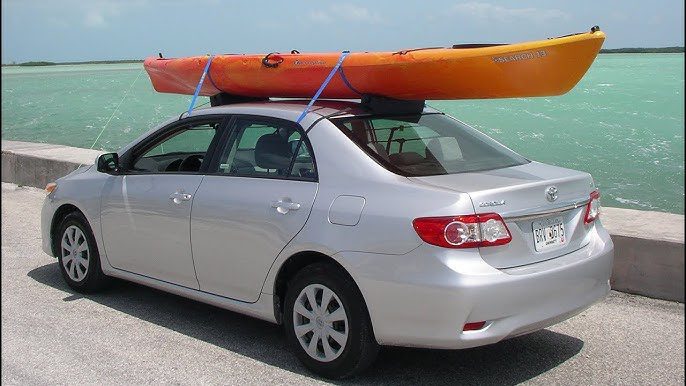
- Distinctive Accessories: Remove any aftermarket accessories like roof racks, special rims, or elaborate spoilers that aren’t standard.
4. General Maintenance: The Appearance of Neglect vs. Readiness
This is a balancing act. You want the car to look unremarkable, not neglected.
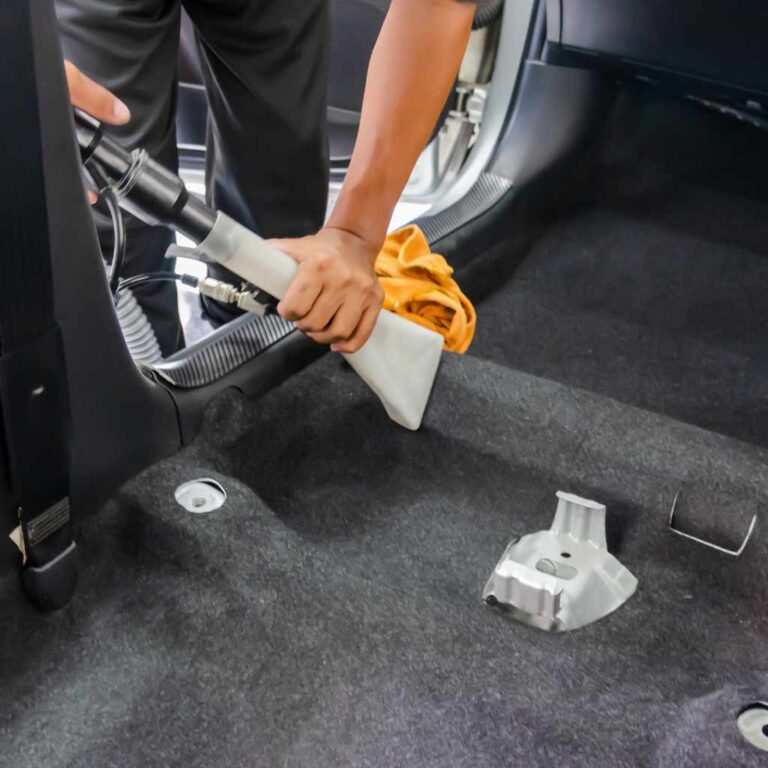
- Wash and Wax: A clean car looks cared for and blends better than a dirty one, which can appear suspicious or as if it’s been hidden.
- Tire Condition: Ensure tires are in good condition with adequate tread. Worn tires can lead to mechanical issues and are less safe. Check NHTSA’s guidelines on tire safety for more information.
- Lights and Signals: All lights (headlights, taillights, brake lights, turn signals) must be functional. Malfunctioning lights are a common reason for traffic stops.
5. Engine and Mechanical Readiness: The Unsung Hero
A car that looks normal but breaks down is useless.
- Oil Change: Ensure the engine oil is fresh and at the correct level.
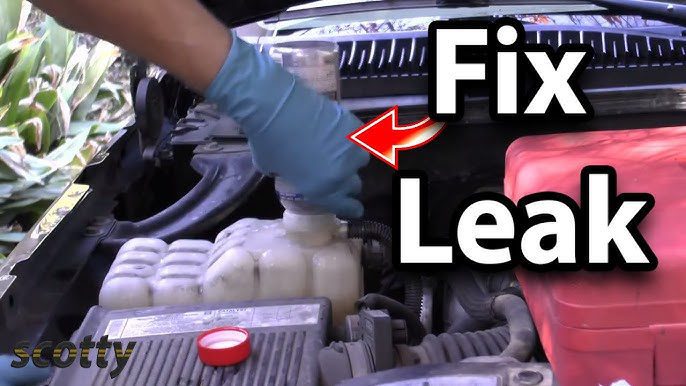
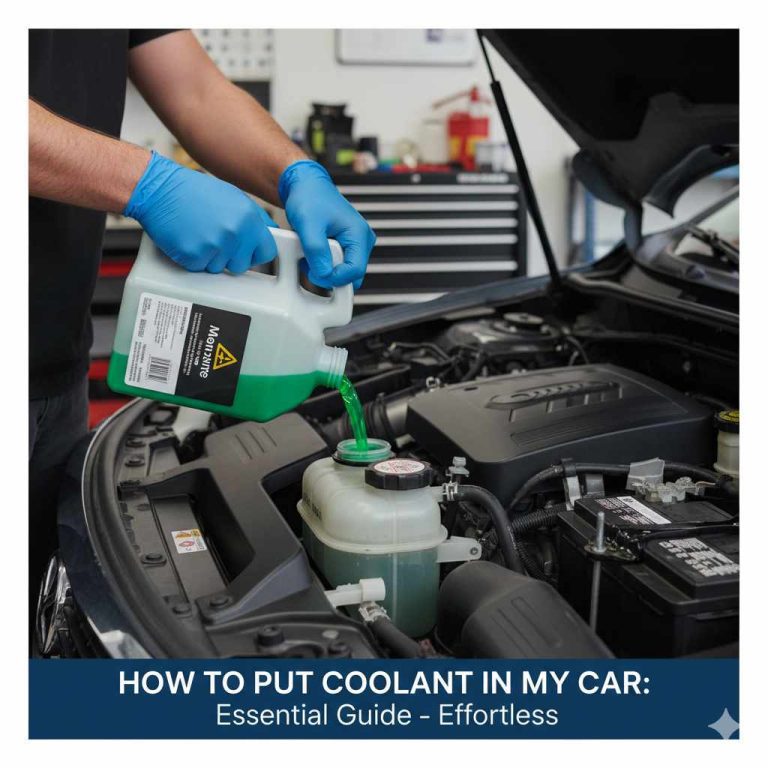
- Fluid Levels: Check and top up all essential fluids: coolant, brake fluid, power steering fluid, and windshield washer fluid.
- Battery Check: Make sure the battery is in good condition and holds a charge.
- Brakes: Verify that the brakes are responsive and in good working order.
- General Check-up: If you’re unsure, a quick once-over by a mechanic to ensure no obvious mechanical issues are present is a wise investment.
Essential Gear: What to Pack and How
Beyond the vehicle itself, having the right gear packed discreetly and accessibly is key. The aim is to be prepared without advertising your preparedness.
1. Navigation and Communication: Staying Informed
- GPS Device: A dedicated GPS unit or a smartphone with offline maps downloaded is essential. Ensure it’s discreetly mounted or used.
- Charged Power Banks: Multiple, high-capacity power banks to keep your devices charged.
- Emergency Contact List: A physical list of important numbers, as well as on your phone.
- Basic Tools: A small toolkit with essentials like a screwdriver set, pliers, adjustable wrench, duct tape, and zip ties can be invaluable for minor roadside fixes.
- Jumper Cables: Essential for a dead battery.
2. Safety and Comfort: The Essentials
- First-Aid Kit: A well-stocked first-aid kit is crucial for any unexpected medical needs.
- Water and Non-Perishable Snacks: Enough for all occupants for at least a day or two, depending on your expected travel duration.
- Blankets: Especially important in colder climates or for overnight stops.
- Flashlight and Extra Batteries: A reliable flashlight is vital for nighttime operations or inspections.
- Multi-tool: A Leatherman or similar tool can be incredibly useful for various tasks.
- Cash: Small denominations of cash for tolls, minor purchases, or emergencies where card use might be traceable.
3. Clothing and Personal Items: Practicality is Key
- Change of Clothes: Simple, neutral clothing that allows for easy movement and blending in.
- Comfortable Shoes: Essential for being on your feet if needed.
- Hygiene Supplies: A small kit with essentials like toothbrush, toothpaste, and wet wipes.
Packing Strategy: The Art of Invisibility
How and where you pack your gear is as important as what you pack.
- Utilize Existing Compartments: The trunk is your primary storage area. Use bags and containers that fit neatly and don’t create obvious bulges.
- Under-Seat Storage: Smaller items can often be tucked away under seats.
- Discreet Compartments: Many vehicles have hidden compartments or spaces behind panels that can be used for sensitive items.
- Keep it Organized: Use labeled bins or bags so you can find what you need quickly without rummaging extensively.
- Avoid Suspicious Bags: Don’t use duffel bags that scream “travel essentials” or “crime.” Opt for generic, sturdy bags like tote bags or sturdy plastic containers.
Legal and Ethical Considerations
It’s important to address the legal and ethical aspects of preparing a vehicle for a situation that might involve evading detection or adhering to specific requirements. The term “getaway vehicle” can evoke different scenarios, from escaping a sticky situation to participating in organized competitive events that require swift movement.
In any scenario, it is crucial to operate within the bounds of the law. Modifying vehicles or using them in ways that facilitate illegal activities carries severe consequences. This guide focuses purely on the practical aspects of vehicle preparation for discreet and rapid mobility, assuming legitimate purposes. Always be aware of and adhere to local traffic laws, vehicle registration requirements, and any other applicable regulations. Resources like the Federal Motor Carrier Safety Administration (FMCSA) provide extensive information on vehicle regulations in the United States, although specific local laws should always be consulted.
Transparency and legality are paramount. If your use case involves events like car rallies, scavenger hunts, or self-defense preparedness, ensure you understand the specific rules and legal frameworks surrounding those activities. Using this knowledge for any unlawful purpose is strongly discouraged and carries significant risks.
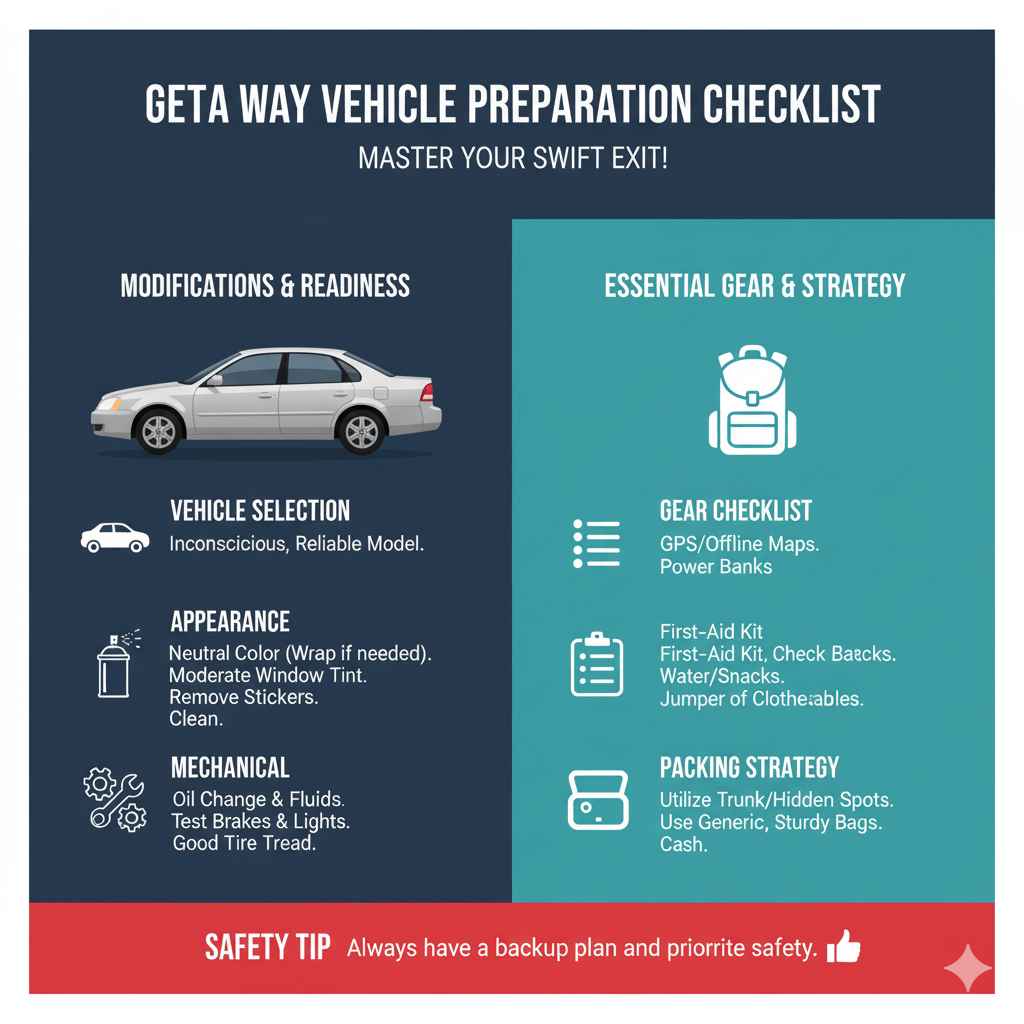
Table: Getaway Vehicle Preparation Checklist
To help you visualize the process, here’s a checklist summarizing the key preparation steps.
| Category | Action Items | Notes |
|---|---|---|
| Vehicle Selection | Choose inconspicuous, reliable model. | Prioritize common sedans or SUVs. |
| Appearance Modifications | Neutral color (wrap if needed). | Avoid bright or unique colors. |
| Moderate window tint. | Check local legality. | |
| Remove all stickers/decals. | Use heat gun/remover. | |
| Clean interior and exterior. | Avoid extreme neglect or flashy cleanliness. | |
| Remove distinctive accessories. | Roof racks, custom spoilers, etc. | |
| Mechanical Readiness | Perform oil change & fluid top-ups. | Ensure all fluids are at correct levels. |
| Check battery health. | Ensure it holds a charge. | |
| Test brakes and lights. | All signals must be functional. | |
| Ensure tires have good tread. | Check tire pressure. | |
| Essential Gear | GPS/ Offline Maps. | Phone or dedicated unit. |
| Power banks for devices. | Multiple, high-capacity. | |
| First-aid kit. | Well-stocked. | |
| Water and non-perishable snacks. | Sufficient quantity. | |
| Basic toolkit & multi-tool. | For minor repairs. | |
| Jumper cables. | Essential for battery issues. | |
| Change of clothes. | Neutral, comfortable. | |
| Cash in small denominations. | For tolls and minor purchases. | |
| Packing Strategy | Utilize trunk and hidden compartments. | Keep storage organized. |
| Use generic, sturdy bags. | Avoid suspicious luggage. |
Frequently Asked Questions (FAQ)
Q1: What is the most important factor when choosing a getaway vehicle?
The most important factor is its ability to blend in and go unnoticed. A common, unremarkable vehicle is far more effective than a fast or flashy one. Reliability is a very close second.
Q2: Can I use my personal car as a getaway vehicle?
Yes, but only if it meets the criteria for being inconspicuous and reliable. You would need to remove all personal identifiers, stickers, and ensure it’s in good mechanical condition without drawing attention.
Q3: How do I safely store gear in the car?
Store gear in neutral, sturdy containers like generic tote bags or plastic bins, primarily in the trunk or discreet compartments. Avoid leaving items visible from the outside and ensure nothing looks out of place or overly suspicious.
Q4: What if the car breaks down?
This is where reliability and a basic toolkit come in. Regular maintenance is crucial to prevent breakdowns. Having jumper cables and knowing how to use them, along with a few basic tools, can help with minor issues. For more significant problems, having a contingency plan is advisable.
Q5: Should I disable GPS tracking on the car?
Many modern cars have built-in GPS tracking systems linked to the manufacturer or insurance. If this is a concern, you’d need to research your specific vehicle model’s tracking capabilities and consult with professionals on how to legally and safely disable them. This is often a complex process.