How to Remove Dust in a Car: A Comprehensive Guide to a Cleaner Ride
Hey there! So, you’ve noticed dust piling up in your car, making it look less than pristine? I’ve been there. When I got my first car, a beat-up Honda Civic, I didn’t realize how quickly dust could turn my shiny interior into a dusty mess. Over the years, I’ve learned the tricks to keep my car dust-free, from quick cleanups to deep-cleaning sessions.
It’s not just about looks—removing dust makes your car healthier and more comfortable. I’m excited to share everything I’ve picked up about how to remove dust in a car, so you can enjoy a cleaner ride. Let’s grab some cleaning supplies and get started!
My Dust-Filled Car Story
Picture this: I’m driving my Civic to work, and sunlight hits the dashboard, revealing a layer of dust so thick it looks like a desert. I was embarrassed! My friends teased me about my “dust-mobile,” and I knew I had to do something. I started experimenting with cleaning methods, talking to detailers, and watching YouTube tutorials. After trial and error, I figured out how to banish dust and keep it from coming back. Those lessons have kept my current car, a Toyota Corolla, spotless. Let’s dive into what I’ve learned to help you tackle dust in your car.
Why Dust Builds Up in Cars
Dust in a car isn’t just annoying—it’s sneaky. I noticed dust piling up on my dashboard, seats, and even in the air vents. Here’s why it happens:
- Open Windows: I love driving with the windows down, but it lets in dust, pollen, and dirt from the road.
- Foot Traffic: Every time I get in, I bring dust from my shoes. It settles on the floor mats and seats.
- Air Vents: The AC and heater pull in outside air, spreading dust inside. My vents were caked with it!
- Neglect: When I skipped cleaning for a month, dust built up fast. Regular cleaning is key.
Understanding why dust accumulates helped me focus on prevention and cleaning. It’s like a battle, but one you can win!
The Health Risks of a Dusty Car
I didn’t think dust was a big deal until I started sneezing every time I drove. Dust isn’t just ugly—it can affect your health. Here’s what I learned:
- Allergies: Dust carries pollen and pet dander. My allergies acted up until I cleaned my car regularly.
- Respiratory Issues: Breathing dusty air can irritate your lungs. I noticed my cough improved after a deep clean.
- Mold Growth: In humid areas, dust can mix with moisture, leading to mold. I found a musty smell in my Civic that vanished after cleaning.
- Poor Air Quality: Dusty vents make the air you breathe dirtier. I felt better after cleaning my AC system.
Keeping dust out isn’t just about looks—it’s about feeling good on the road.
Tools and Supplies You’ll Need
Before I start cleaning, I gather my supplies. Here’s what I use to remove dust from my car:
- Microfiber Cloths: These grab dust without scratching. I keep a stack in my trunk.
- Soft-Bristle Brush: Perfect for vents and crevices. I got one for $5 at an auto store.
- Vacuum with Attachments: A handheld vacuum with a brush attachment is my go-to for seats and mats.
- Compressed Air Can: Great for blasting dust from tight spots. I use it on my dashboard buttons.
- All-Purpose Cleaner: I use a gentle cleaner for hard surfaces. Diluted vinegar works too.
- Air Purifier (Optional): I got a small car air purifier for $30 to reduce dust in the air.
- Bucket and Water: For mixing cleaner and rinsing cloths.
- Protectant Spray: I use Armor All to protect my dashboard and reduce dust buildup.
Having these ready makes cleaning easier. I store most in a caddy for quick access.
Step-by-Step Guide to Removing Dust
Let’s get to the fun part—cleaning! Here’s how I remove dust from my car, step by step.
Step 1: Prep the Car
I start by parking in the shade to avoid streaks. I open all doors and windows for ventilation. Then, I remove trash, mats, and loose items like sunglasses or chargers. It’s like clearing the stage before a performance. I shake out the floor mats to loosen dirt and dust.
Step 2: Vacuum the Interior
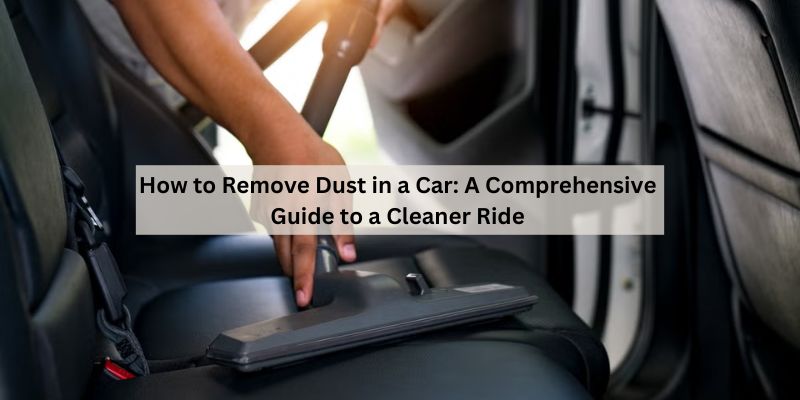
I grab my handheld vacuum with a brush attachment and start vacuuming. I focus on:
- Seats: I vacuum cloth seats thoroughly, getting into seams. For leather, I go lightly to avoid scratches.
- Floor Mats: I vacuum both sides of the mats. My Corolla’s mats trap tons of dust!
- Carpet: I vacuum under the seats and in corners. A crevice tool helps with tight spots.
- Trunk: I don’t skip the trunk—it’s a dust magnet.
Vacuuming takes 15 minutes but removes most loose dust. I empty the vacuum canister to keep it strong.
Step 3: Dust Hard Surfaces
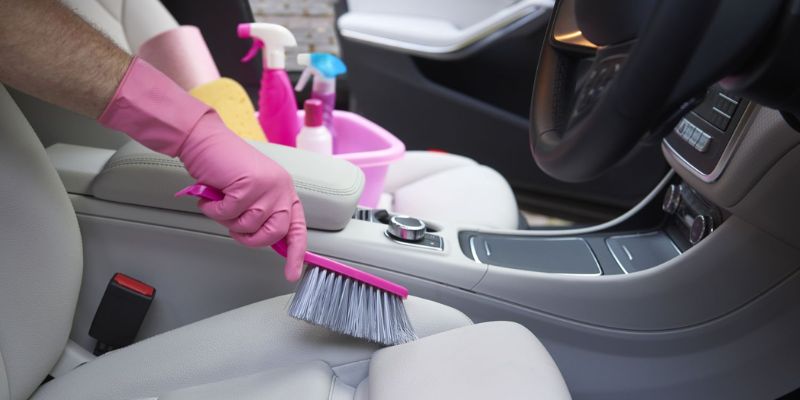
Next, I tackle the dashboard, console, and door panels. I use a dry microfiber cloth to wipe down surfaces. The cloth grabs dust without spreading it. For stubborn dust, I dampen the cloth slightly with water or cleaner. I wipe in one direction to avoid smearing. My dashboard went from dusty to shiny in minutes!
Step 4: Clean Air Vents
Vents are dust traps. I use a soft-bristle brush to loosen dust from the slats. Then, I blow compressed air into the vents to push out debris. I hold a microfiber cloth nearby to catch the dust. For a deep clean, I vacuum the vents with a narrow attachment. This step keeps the air clean and fresh.
Step 5: Wipe Down Crevices
Dust loves hiding in cracks. I use a microfiber cloth wrapped around a flathead screwdriver to clean seams on the console. For buttons and knobs, I dip a cotton swab in cleaner. Compressed air blasts dust from cupholders and gear shifts. This takes patience but makes a big difference.
Step 6: Clean Windows and Mirrors
Dusty windows make a car look grimy. I use a glass cleaner and microfiber cloth to wipe the inside of all windows and mirrors. I spray the cleaner on the cloth, not the glass, to avoid streaks. For tough spots, I use a 50/50 vinegar-water mix. Clean windows make my car feel brand new!
Step 7: Apply Protectant
To keep dust away, I apply a protectant like Armor All to the dashboard and plastic surfaces. I spray it on a cloth and wipe evenly. It leaves a matte finish that repels dust. I avoid over-applying—it can get greasy. This step keeps my interior looking sharp for weeks.
Step 8: Final Vacuum and Inspection
I do a quick vacuum to catch any dust I stirred up. Then, I inspect every surface with a flashlight. If I spot dust, I wipe it down. I replaced the mats and items I removed. My car looks and smells amazing after this!
How Often Should You Remove Dust?
I used to clean my car once a month, but dust built up too fast. Now, I follow this schedule:
- Weekly Quick Clean: I spend 10 minutes vacuuming and wiping the dashboard with a microfiber cloth. It keeps dust under control.
- Monthly Deep Clean: I do the full process—vacuuming, vents, crevices, and windows. It takes 1-2 hours, but it keeps my car spotless.
- Seasonal Deep Clean: Every 3-4 months, I clean the AC system and shampoo carpets for a fresh start.
This routine works for my busy life. If you live in a dusty area (like Arizona), you might need to clean more often.
Preventing Dust Buildup in Your Car
Cleaning is great, but preventing dust is even better. Here’s what I do to keep dust out:
- Keep Windows Up: I roll up windows when parked to block dust. It’s a simple fix that works.
- Use Floor Mats: Heavy-duty rubber mats trap dust better than carpet. I shake mine out weekly.
- Clean Shoes: I wipe my shoes on an outdoor mat before getting in. It cuts down on dust from my feet.
- Change Cabin Air Filter: I replace my cabin filter every year for $20. It keeps dust out of the vents.
- Use an Air Purifier: My car air purifier reduces airborne dust. It’s great for long drives.
- Park in a Garage: When I park in my garage, my car stays cleaner than on the street.
These habits have cut my cleaning time in half. Small changes make a big difference!
Cleaning Different Car Surfaces
Not all car surfaces are the same. Here’s how I handle each:
- Dashboard/Plastic: I use a microfiber cloth and all-purpose cleaner. Protectant spray keeps dust away.
- Cloth Seats: I vacuum thoroughly and spot-clean stains with upholstery cleaner. A $10 bottle lasts months.
- Leather Seats: I vacuum lightly and wipe with a leather cleaner. I avoid harsh chemicals to prevent cracking.
- Carpets/Mats: I vacuum and shampoo carpets every few months. A rental machine costs $30 and works wonders.
- Windows: Glass cleaner and microfiber cloths give a streak-free shine. I clean both sides for clarity.
Knowing your car’s materials helps you clean safely. I check my owner’s manual for guidance.
Common Mistakes to Avoid
I’ve made plenty of cleaning mistakes. Here’s what to skip:
- Using Paper Towels: They leave lint and scratches. I switched to microfiber cloths for better results.
- Overusing Cleaner: Too much spray makes surfaces sticky. I use a light mist and wipe dry.
- Skipping Vents: Ignoring vents spreads dust when the AC runs. I always brush them out.
- Cleaning in Sunlight: Heat causes streaks on windows. I park in the shade for a cleaner finish.
- Forgetting Filters: A dirty cabin filter lets dust in. I replace mine yearly to keep the air clean.
Avoiding these has made my cleaning faster and more effective.
When to Call a Professional
I love DIY cleaning, but sometimes I call a pro. Here’s when I do:
- Deep AC Cleaning: Dusty vents or a musty smell need professional tools. I paid $100 for an AC flush, and it was worth it.
- Stubborn Stains: Tough carpet stains are hard to remove. A detailer fixed mine for $50.
- Time Constraints: If I’m swamped, I pay $150 for a full detail. It saves hours and looks amazing.
- Mold Issues: If I suspect mold, I let pros handle it. They have the gear to do it safely.
I budget $100-$200 a year for occasional professional help. It keeps my car in top shape.
Costs of Dust Removal
Cleaning your car doesn’t have to break the bank. Here’s what I spend:
- DIY Supplies: Microfiber cloths ($10 for 12), cleaner ($8), vacuum ($50), compressed air ($5). Total: ~$75 upfront, $20/year for refills.
- Cabin Filter: $15-$30 yearly. I buy mine at an auto store.
- Professional Detail: $100-$200 for a full clean. I do this once a year.
- Car Wash Membership: $20/month for exterior washes, which reduces dust inside.
DIY is cheapest, but a pro detail now and then is a treat. I mix both to balance cost and results.
Dust Removal in Different Climates
Living in the USA means dealing with varied climates. Here’s how I adjust:
- Dry Climates (e.g., Arizona, Nevada): Dust is constant. I clean weekly and use a protectant spray to repel it.
- Humid Climates (e.g., Florida, Georgia): Moisture traps dust, leading to mold. I clean vents monthly and use an air purifier.
- Cold Climates (e.g., Minnesota, Colorado): Snow and salt bring dust. I vacuum mats often and clean windows for visibility.
- Urban Areas (e.g., New York, L.A.): Pollution adds grime. I wipe surfaces twice a week and change filters regularly.
Tailoring your approach to your area keeps dust at bay. I learned this moving from dry Denver to humid Miami.
Why a Dust-Free Car Matters
A clean car isn’t just about looks—it’s about comfort and health. I feel better driving a dust-free car, with no sneezing or stuffy air. It’s also a point of pride—my friends always comment on how spotless my Corolla is! Plus, a clean interior can boost resale value. I sold my Civic for $500 more because it looked well-maintained.
Conclusion
So, how do you remove dust from a car? It’s all about regular cleaning, smart prevention, and the right tools. From my dusty Civic days to my sparkling Corolla, I’ve learned that a little effort goes a long way. By vacuuming, wiping surfaces, cleaning vents, and staying proactive, you can keep your car fresh and healthy. I hope this guide inspires you to tackle that dust and enjoy a cleaner, comfier ride. Grab a microfiber cloth, crank some tunes, and make your car shine—you’ve got this!
FAQs
How do I remove dust from my car’s interior?
Vacuum seats and carpets, wipe surfaces with a microfiber cloth, clean vents with a brush, and use glass cleaner on windows. I do this monthly for a spotless car.
How often should I clean the dust from my car?
I do a quick vacuum and wipe-down weekly. A deep clean every month keeps dust under control. Dusty areas might need more frequent cleaning.
What tools do I need to remove dust from my car?
Microfiber cloths, a soft-bristle brush, a vacuum with attachments, compressed air, and an all-purpose cleaner. I keep these in a caddy for easy access.
Can the dust in my car make me sick?
Yes, dust can cause allergies, coughing, or breathing issues. I started sneezing less after cleaning my car regularly and changing the cabin filter.
How do I prevent dust buildup in my car?
Keep windows up, use floor mats, clean shoes before entering, and change the cabin filter yearly. I also park in a garage to block dust.
Why does my car get so dusty inside?
Open windows, dirty shoes, and dusty vents bring in dust. I noticed less dust after keeping windows up and cleaning vents monthly.
Should I hire a professional to remove dust from my car?
For deep AC cleaning or tough stains, yes. I pay $100-$200 yearly for a pro detail, but DIY works for regular dust removal.
How much does it cost to remove dust from a car?
DIY costs $20-$75 for supplies, plus $15-$30 for filters. Professional detailing runs $100-$200. I mix both to save money.