5 Best Car Phone Holders for Air Vents (2026): We Compared
The best air-vent phone holder is a clip-style mount with a locked, wide hook and a rubberized grip; choose one sized for your vent blade depth and phone width, usually 2.4 to 3.5 inches. A weak mount slips, blocks airflow, or drops the phone on rough roads. This guide compares the vent mounts most likely to stay secure across different vent shapes, phone sizes, and daily driving.
Quick comparison
| Product | Badge | Best for | Price | ||
|---|---|---|---|---|---|
 |
VICSEED 2026 Upgrade Ultra Stable Car Phone Holder MountVICSEED | Our pick | Universal clamp · Adjustable arm · No tools | $21.99
Price as of 20 Oct 2026
|
View |
 |
ESR for MagSafe Car Mount, Car Phone Holder for iPhone 18ESR | Budget pick | MagSafe · N52H magnets · 2,300g hold | $15.99
Price as of 20 Oct 2026
|
View |
 |
mophie Magnetic Vent Mount for Apple iPhonemophie | Upgrade pick | MagSafe · Adjustable arm · iPhone 12+ | $29.95
Price as of 20 Oct 2026
|
View |
 |
Belkin Magnetic Vent Mount Pro, MagSafe-Compatible PhoneBelkin | Also great | MagSafe · Charging · Cable management | $32.99
Price as of 20 Oct 2026
|
View |
 |
Magnetic Phone Holder for Car, WixGear [2 Pack] UniversalWixGear | Pair with it | 2-pack · 4 metal plates · Universal | $14.99
Price as of 20 Oct 2026
|
View |
This comparison puts fit, grip, and failure points ahead of marketing copy. Air vent shape, case thickness, and road vibration matter more than brand names.
How we chose
We compared the mounts on four practical points: vent blade compatibility, phone and case range, resistance to vibration, and how much control you get over viewing angle and airflow. Published specs and buyer feedback carry more weight here than flashy claims.
Two questions decide most purchases. First, will the clip hold a horizontal, vertical, or angled blade without flexing the vent? Second, will the cradle still lock down a 6.7-inch phone in a thick case without sagging?
Choice also depends on driving pattern. A commuter on smooth pavement can prioritize one-handed use. A rideshare or delivery driver on rough city roads should put more weight on load spreading, tighter vent engagement, and less wobble at the ball joint.
VICSEED 2026 Upgrade Ultra Stable Car Phone Holder Mount: best for mixed vent shapes
This is the safest all-around pick for drivers who want a traditional vent clip with simple installation and one-handed use. Based on the listed specs and buyer feedback, it is aimed at broad compatibility, with universal vent clips and an adjustable foot for a wider phone range.
The standout is fit flexibility. The product details say the clip is designed for 99% of air vents, and that matters when your car uses narrow slats, angled blades, or dashboard vents that sit deeper than average. It is also easier to live with if you swap between an iPhone, Samsung, Xiaomi, OnePlus, or HUAWEI device in the 4.0-6.7 inch range.
The drawback is that a universal clip is still only as good as the vent behind it. On weak blades or thin plastic louvers, even a well-made mount can sag over time, especially if the phone is heavy or the road is rough.
ESR for MagSafe Car Mount: best for iPhone users
This is best for an iPhone 12 or newer owner who wants fast magnetic attachment and a clean mount routine. Based on the published details, the 2,300g holding force and tap-and-mount alignment are the core advantages.
It fits horizontal, vertical, and circular vents, so it covers more vent layouts than many plain clip designs. That makes it appealing if your car has unusual center vents or if you move the mount between vehicles. The tradeoff is clear: it depends on MagSafe or metal rings, so it is less universal than a clamp-style mount for mixed-phone households.
Its second drawback is case dependence. Thick wallet cases and some rugged cases can weaken magnetic alignment or make the phone sit farther from the ring, which adds stress on bumpy roads.
Mophie Magnetic Vent Mount: best for angle adjustment
This suits iPhone 12 and newer users who want a magnetic holder with more freedom to angle the phone above or below the vent line. The adjustable arm is useful when the dashboard vent sits too low for an easy glance at maps.
Its strongest appeal is simple daily use. Grip-free attach and detach makes short trips easier, especially if you use GPS often and want quick portrait-to-landscape changes. That said, it remains a magnetic solution, so non-MagSafe phones need the right ring setup and some cases will sit poorly.
The drawback is that the mount is not the best answer for every vent. If the vent blades are flexible or the housing is shallow, the angle adjustment can expose looseness faster than a tighter hook-style clamp would.
Belkin Magnetic Vent Mount Pro: best for charging setups
This is aimed at iPhone and Pixel owners who want magnetic holding plus cable management in one unit. If your car habit is navigation plus charging on longer drives, the built-in cable routing is the practical feature here.
It is the most polished option in the group for tidy cables and portrait or landscape use. That matters when you want a phone visible without dangling cables near the shifter or cupholders. The weakness is cost: at $32.99, it sits above the more basic vent mounts, and it still relies on magnetic alignment rather than a mechanical cradle.
It is also not the broadest fit for mixed-device families. Non-magnetic phones need extra setup, and thick cases can make the connection feel less secure than the marketing suggests.
WixGear Magnetic Phone Holder for Car: best for two vehicles
This is the budget-friendly choice for drivers who want two mounts in one box. The 2-pack makes sense if you move between a work car and a personal car, or if two drivers need separate mounts.
The included metal plates and rubber base construction make it a flexible starter option, especially for basic navigation and calling. It is less refined than the pricier magnetic models, but it covers the essentials without much setup.
The drawback is predictability. Budget magnetic mounts can be fine on smooth roads, yet they often give up some stability margin on rough pavement, and that matters if your vent blades are thin or already worn.
Are air vent phone mounts safe and stable on rough roads?
They can be safe if the clip is tight, the vent blades are strong, and the phone is not overloading the joint. CHOICE found vent mounts had excellent attachment security for vibration and shock, but it also noted they were not great in stability tests, which is the real tradeoff on rough roads.
What the rough-road failure looks like
Sagging usually starts at the ball joint, not the clip. The phone tilts downward after repeated bumps, then the mount slowly rotates until the screen is hard to read. If the vent blades flex, the entire holder can drift lower or shift sideways each time the car hits a pothole.
That is why a mount that looks secure in the driveway can still disappoint in city traffic. The attachment may hold, while the viewing angle keeps changing.
Which vent type fits your car?
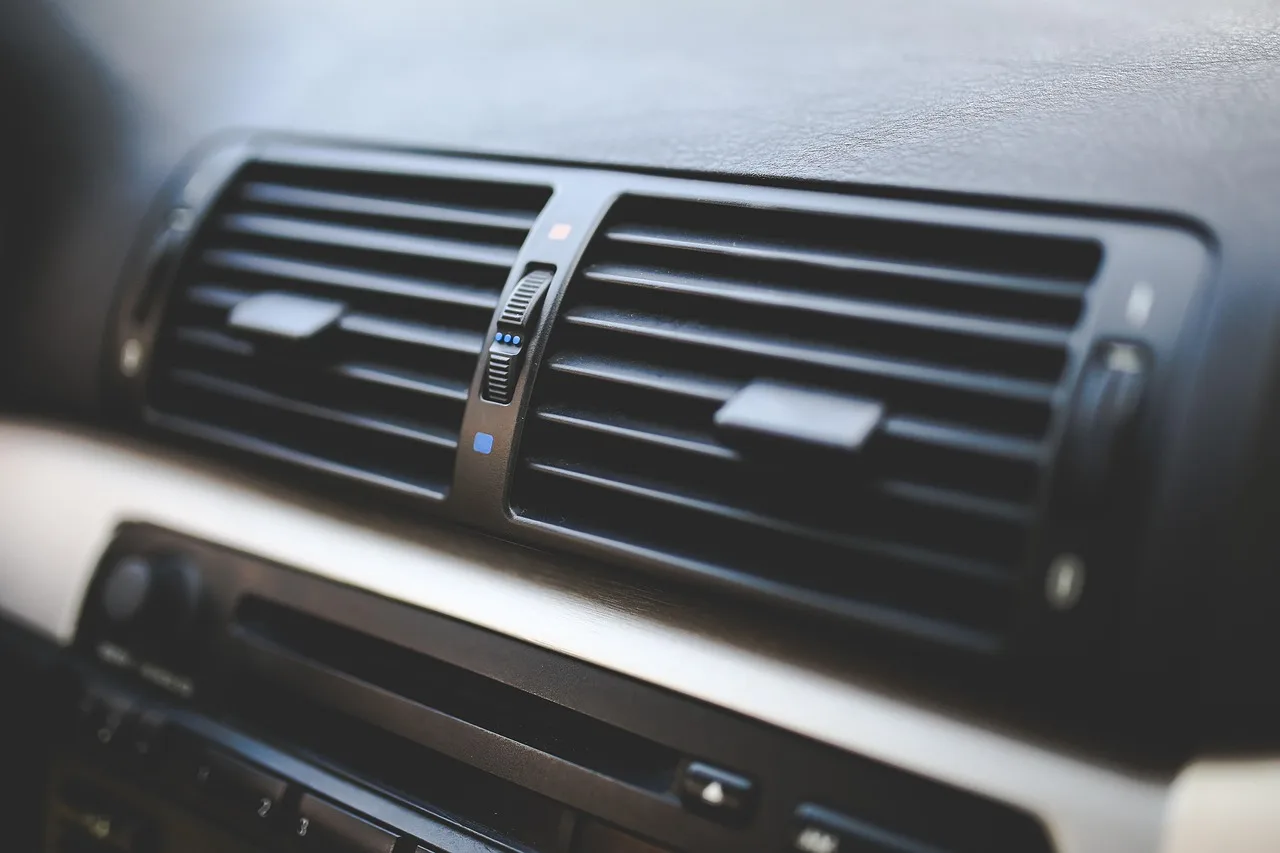
Most vent mounts do not fit every blade equally well. Horizontal vents are usually easiest, vertical vents need a firmer clip, and angled or thin blades are the most likely to let the mount slip or twist over time.
Horizontal blades
Horizontal vents usually give the clip the most purchase because the blade supports the weight more evenly. That makes them the best match for gravity holders and most hook-clip mounts, especially when the phone is mid-sized and the case is not unusually thick.
Vertical blades
Vertical blades can work well if the clip is designed to grip depth rather than just width. They are harder on basic spring clips because the load pulls straight down, which can expose weak bite points and make a lighter mount wobble faster.
Angled or thin blades
Angled blades are the most failure-prone because the mount may sit at a slight twist from the start. Thin blades are also risky if the clip relies on friction alone. A hook that wraps more of the vent frame usually does better here than a simple pinch clip.
Gravity vent mount: best for one-handed use
A gravity mount is the easiest style for quick insert-and-go use. The phone’s own weight activates the locking arms, so you can place the phone in the cradle with one hand and let the holder clamp down automatically without magnets.
Why the weight-activated lock matters
The main advantage is speed. If your routine is short trips, delivery stops, or frequent calls, the automatic phone securing can be quicker than adjusting side arms every time. Wispille describes this as automatic phone locking, and that is the key benefit of the design.
Its weakness is fit discipline. A gravity cradle works best when the phone width stays in the supported range and the bottom support is not blocked by an oversized case or a pop socket.
Where it fits best
This style suits commuters who want a simple, repeatable motion and do not want magnets. It also works well for drivers who use GPS daily and want portrait or landscape viewing through a 360-degree rotation ball joint.
Where it struggles is with deep, flexible, or heat-softened vents. If the holder is easy to install but easy to twist, the weight of a large phone can slowly pull the vent blade out of position.
Case and phone-size limits
Gravity holders usually handle standard slim cases well, but rugged cases and wallet cases can push the phone width beyond what the cradle expects. For the broadest comfort zone, keep the device in the 4.0-6.7 inch range and check that the lower support does not pinch the case flap or buttons.
Hook-clip vent mount: best for rough roads
A hook-clip mount is usually better than a simple pinch clip when the road is harsh or the vent is weak. It spreads the load across more of the blade or vent frame, which reduces slip and cuts the chance of the holder leaning forward after repeated bumps.
How the hook spreads load across the vent
Instead of concentrating force on one narrow contact point, the hook-style design braces against the vent frame. That matters on dashboard vents, where the plastic often has less depth than older center-stack vents and can flex when the car shakes.
On a simple clip, the grip can loosen gradually. On a hook clip, the failure mode is more likely to be a poor initial fit rather than a slow downward slide.
When it beats a simple clip
Choose the hook style if the phone is heavy, the case is thick, or the commute includes broken pavement. It is also the safer pick if you keep the mount in one car and do not want to re-seat it every week.
Signs your vent is too weak
If the blade bends when you touch it, the vent is too weak for a heavy mount. If the clip needs force to install and the louvers already creak, the vent may not survive long-term use with a large phone hanging from it.
Vent mount decision table
| Vent type | Phone size | Case thickness | Driving pattern | Best mount style |
|---|---|---|---|---|
| Horizontal, firm blade | 4.0-6.1 in | Slim to medium | City commuting | Gravity mount or simple clip |
| Horizontal, firm blade | 6.1-6.7 in | Medium to thick | Mixed roads | Hook-clip mount |
| Vertical blade | 4.0-6.7 in | Slim | Mostly smooth roads | Hook-clip mount with firm vent brace |
| Angled or thin blade | 4.0-6.1 in | Slim | Light daily use | Lightweight clip with silicone grip |
| Weak or flexible blade | 6.1-6.7 in | Thick or wallet-style | Rough roads | Dash or windshield mount instead |
Use this as a fit check, not a promise. If the vent bends under finger pressure, move to a different mounting point rather than forcing a bigger holder onto it.
How do you stop slipping or sagging?
Start with the vent itself. A mount cannot solve a blade that is too thin, too soft, or too shallow. Once the clip is seated, tighten the support arm, keep the phone centered, and check that the ball joint is not starting loose after a few drives.
Check blade thickness and vent depth
The clip needs enough blade depth to stay seated. If the vent vanes are shallow or the dashboard housing blocks part of the clip, the holder can ride upward, slip sideways, or tilt down as the phone weight shifts during braking.
Use silicone contact points correctly
Silicone padding helps in three ways: it protects the vent finish, adds anti-slip grip, and reduces vibration transfer. The pad only works if it sits squarely against the blade or frame, so re-seat the holder if the pad is only touching one corner.
Watch for rotation joint looseness
A 360-degree rotation ball joint is useful for portrait and landscape viewing, but it is also a wear point. If the joint loosens, the holder can droop even when the clip stays attached. A firmer joint is better than a very loose one with more swivel range.
Say your phone is a 6.7-inch model in a thick wallet case and the mount starts to dip after a week. The issue is usually not the phone size alone; it is the combined weight, the extra case depth, and a clip that does not spread load well enough across the vent.
Which one should you buy?
Pick the VICSEED if you want the broadest fit across vent types and a straightforward clamp-style mount for daily use. It is the most sensible starting point for mixed phones and mixed cars, especially if you want less setup than a magnetic system.
Choose the ESR if your phone is an iPhone 12 or newer and you want the quickest magnetic grab with strong alignment. Choose the mophie if angle adjustment matters more than absolute universality. Choose the Belkin if you also care about cable management. Choose the WixGear if you want a lower-cost two-pack for two cars or two drivers.
For commuters, a gravity or clamp-style mount usually makes the most sense because it balances speed and stability. For rideshare and delivery drivers, a hook-clip design is often the better call because rough-road vibration exposes weak vent attachments faster. For thick cases, look for a holder with a wider cradle, deeper support foot, or a magnetic system only if the case is ring-compatible.
Picture a driver who uses a rugged 6.5-inch phone case, streams GPS all day, and switches between portrait and landscape several times per shift. A magnetic mount may be convenient, but a hook-clip cradle with silicone padding is more likely to stay stable across the full shift without the phone creeping downward.
A common mistake is choosing a vent holder that looks easy to see but slips because it doesn’t grip the air slats securely. Airflow, vent depth, and blade strength matter just as much, because a mount that blocks the vent or flexes the louvers becomes annoying fast in summer and can become unsafe on rough pavement.
Materials and build quality
ABS plastic is a good sign in a vent mount because it usually balances impact resistance, temperature durability, and low weight. JHC Tech lists ABS construction on its holder, along with a 91g weight and a size of 3.11 x 2.91 x 2.13 inches, which are the kinds of specs you want to see when the mount has to stay light on the vent.
Silicone contact points matter just as much as the frame material. They reduce slip and help prevent scratches on vent blades and phone edges. Without them, a lightweight mount can still shake loose if the road surface is poor.
The 360 rotating head listed by JHC Tech is also worth noting. Rotation is useful for hands-free GPS use, but the joint should feel firm rather than floppy. A loose head is one of the most common reasons a vent holder feels cheap even when the clip itself is fine.
Phone compatibility and legality context
Most good vent mounts are built for phones from 4.0 to 6.7 inches, which covers current iPhone, Samsung, Xiaomi, OnePlus, and HUAWEI models in typical cases. JHC Tech specifically says its holder fits all major smartphone models and works with iPhone 12 Max Pro and earlier models, which is broad enough for most drivers shopping in this category.
Legally and practically, the goal is hands-free calling, GPS navigation, and less distraction. A vent holder helps because it keeps the screen within view without putting the phone in your hand, but that only works if the mount stays stable and does not block critical airflow or push you to adjust it while driving.
How to choose
- Match the clip to your vent blade shape first. Horizontal blades are easiest, vertical blades need more grip, and angled blades usually need a stronger hook or brace.
- Check your case before you buy. Slim cases are easy; rugged and wallet-style cases need a wider cradle or a magnetic system that can tolerate the extra thickness.
- Consider your road quality. Smooth commuting allows more flexibility. Rough roads demand better load spreading and a tighter joint.
- Decide how often you change orientation. If you switch between portrait and landscape often, a firm 360-degree ball joint matters more than extra decoration.
- Look for silicone padding and ABS construction. That combination helps with grip, scratch protection, vibration reduction, and durability.
CHOICE’s review of a $5 air vent holder is a useful reminder that price alone does not settle this category. CHOICE found suction mounts generally scored better than vent mounts overall, even though vent mounts had excellent attachment security for vibration and shock. That is why fit and vent quality matter more than the cheapest sticker price.
If your main problem is a loose vent blade, buy a different mounting style instead of forcing the issue. If your main problem is convenience, choose the mount style that matches your phone, your case, and your commute.
Frequently asked questions
What is the best car phone holder for air vent use?
The best air-vent holder is usually a clip-style or hook-clip mount with a firm grip and silicone contact points. For most drivers, the top choice is the model that matches the vent blade depth and phone width most closely, because that matters more than brand or extra features.
Will a vent phone holder fit horizontal, vertical, and angled vents?
Some will, but not all. Horizontal blades are easiest, vertical blades need a more secure brace, and angled or thin blades are the hardest fit. Product listings that specifically mention horizontal, vertical, and angled compatibility are the safest starting point when your car uses unusual vents.
Which is better for air vents: gravity mount or hook clip mount?
A gravity mount is better for fast one-handed use and simple daily insertion. A hook-clip mount is better for rough roads and weaker vents because it spreads the load more effectively. If stability matters more than speed, the hook-clip style usually has the edge.
Do air vent phone holders work with thick phone cases?
Yes, but case thickness changes everything. Slim cases are easy; rugged and wallet-style cases can interfere with the cradle, reduce magnetic strength, or push the phone too far from the support points. Check the supported width and depth before buying, not after.
How do I stop a vent phone holder from sagging or slipping?
Use the right vent type, seat the clip fully, and keep the phone centered. Silicone pads should touch squarely, not at an angle. If the ball joint keeps dropping or the vent blades bend under load, the mount is overloaded and needs a different attachment style.
Products related to this article
Sponsored / affiliate links. As an Amazon Associate I earn from qualifying purchases. I may earn additional commission from eligible campaigns.