How to Tell If Car Speakers Are Blown And Fix Them
Figuring out How to Tell If Car Speakers Are Blown can be tough, especially if you’re just starting out. It’s like learning a new language. You might hear strange sounds and not know what they mean. Don’t worry, many people feel the same way! We’re here to help you sort through those audio issues. We’ll show you step by step how to check your speakers and what you can do about it. Let’s get started!
Signs That Your Audio System Has Problems
One of the first things people notice when something’s up with their car audio is the sound itself. It’s not always easy to pinpoint the issue right away, but the sounds often give you clues. Your speakers might crackle, pop, or produce distorted sounds. This can mean trouble. There are a few key symptoms you can pay attention to that will guide you in the right direction. Listen carefully to what your speakers are telling you!
Unwanted Noises from Your Speakers
Unusual sounds are often a first indication that something’s not right. It can be caused by various issues, but knowing what to listen for is important. These unwanted noises give you an idea of what’s happening. Many things can cause these sounds, ranging from a loose wire to a more serious problem with the speaker itself. Here’s a look at common sounds and what they may mean.
-
- Static: Static sounds like white noise or “hissing.” It could be due to a loose connection or interference from other electrical parts. A damaged speaker cone can also cause this. Try adjusting the volume or checking the wires.
Static is a constant, annoying sound, like a radio not tuned properly. Sometimes it’s very faint, other times it is loud enough to overpower the music. This can be caused by problems with the car’s electrical system, like a faulty ground wire, or radio frequency interference. It can also be caused by wear and tear on the components in your audio system. This might be a simple fix or require a professional’s assistance to diagnose and repair.
-
- Crackling: Crackling is often a sign of damage to the speaker cone or surround. The sound happens when the cone vibrates erratically. This is especially noticeable at higher volumes.
Crackling often suggests physical damage. A speaker’s cone is made of lightweight materials that move quickly to create sound. The crackling sound means that something is hindering the cone’s movement, like damage. This could be a tear, a dent, or even just old, worn-out materials. It may also come from loose wires or connections that make and break contact as the speaker moves. If you hear crackling, the speaker is likely on its way out. The best solution is to replace the speaker to restore good sound quality.
-
- Popping: Popping sounds can result from a blown speaker. It happens when the voice coil inside gets too hot and fails. This sound is usually loud and sudden.
Popping sounds are loud, sharp bursts of noise that can be startling. They often indicate that an electrical component has failed. The popping might be the result of a short circuit. It also could be from overdriving the speaker with too much power. This might also be caused by a faulty amplifier that sends inconsistent signals. If you hear this type of noise, it is very likely a sign of serious damage. Do not continue to use the system if this occurs because it could lead to further damage.
-
- Distortion: Distortion happens when the sound is unclear. Instruments and voices sound garbled. This can happen if the speaker can’t handle the power it’s getting.
Distortion is a general term that refers to a change in the original sound signal. This means that the music doesn’t sound like it should. When speakers distort, the audio becomes muddy, and the individual sounds are hard to make out. This can happen at high volumes when the speaker is pushed past its limits. It could also come from issues in the amplifier. The amp might not be providing the right amount of power to the speakers. Addressing distortion issues is crucial for restoring your audio system’s quality and clarity. This often calls for an upgrade to higher-quality components.
How to Check Your Car’s Speakers for Damage
Once you’ve identified unusual noises, you need to conduct a deeper inspection. Don’t worry; you don’t have to be a tech expert to do this. A few simple tests can help you How to Tell If Car Speakers Are Blown. The process involves both listening and looking, helping you to find out where the problem is coming from. It might save you from extra costs. Here’s a helpful guide.
Visual Inspection of Your Car Speakers
Sometimes, a simple visual check will tell you everything you need to know. Looking at the speakers for damage is a great first step. Visible damage to the speaker can tell you it’s a goner. This is a very simple thing that can be done before any testing takes place. You can also inspect the components.
-
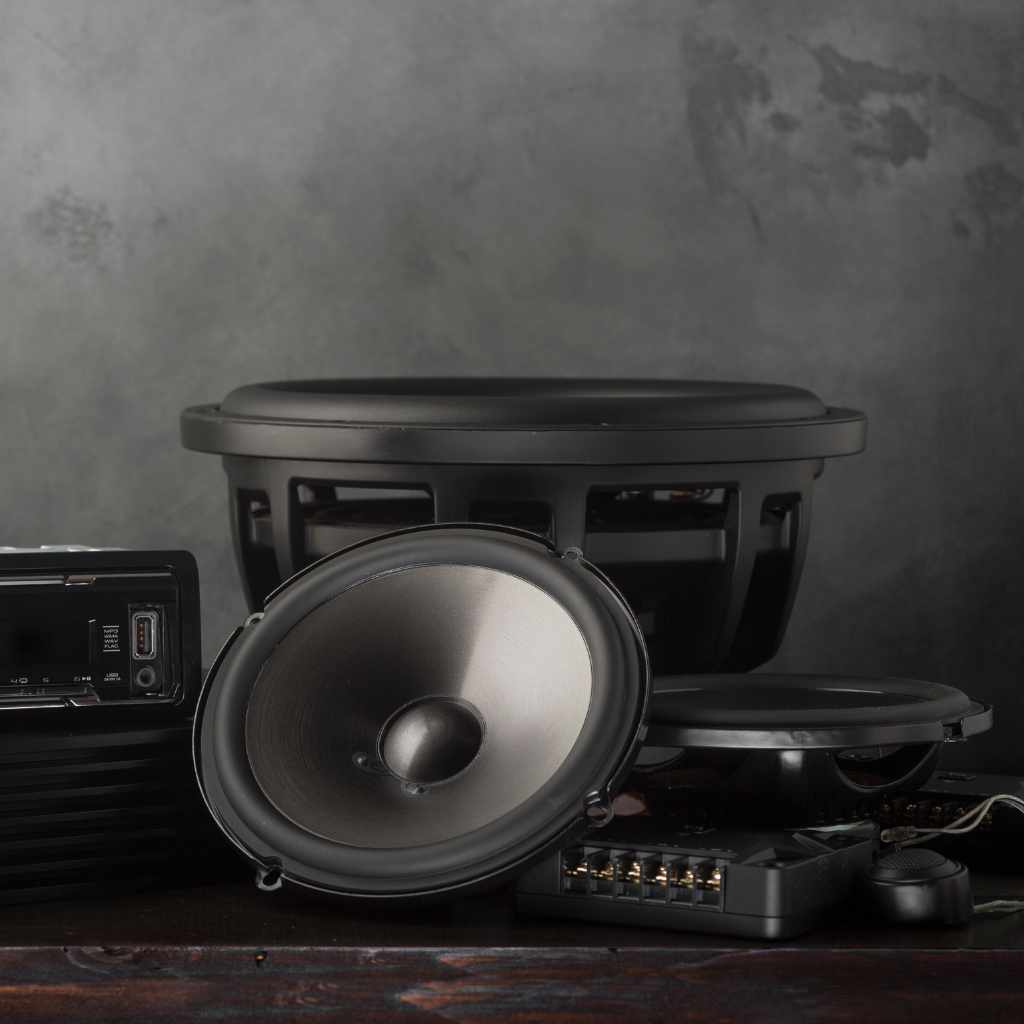
- Examine the Speaker Cone: Look closely at the speaker cone. The cone is the part that moves to create sound. Check for tears, holes, or dents. Damage to the cone will affect sound quality.
The cone is the central part of the speaker. It is made of paper, plastic, or composite materials. The cone vibrates to produce sound waves. Carefully inspect the cone for any obvious signs of damage. Any holes or tears mean that the cone’s ability to move air is impaired. Also check for discoloration or unusual wear. Damage to the cone, even small, can cause distortion and static.
-
- Inspect the Speaker Surround: The surround is the flexible edge around the cone. The surround’s job is to allow the cone to move. Check for cracks, breaks, or separation from the speaker frame.
The surround is made of a flexible material that allows the cone to move. The surround must be free of damage so the cone can vibrate correctly. Over time, the surround can dry out, crack, or separate from the speaker frame. This compromises the speaker’s ability to produce sound accurately. Any damage here will lead to poor sound quality. If the surround is damaged, the speaker will likely need to be replaced.
-
- Check the Speaker Wires and Connections: Make sure the wires are securely connected to the speaker. Look for any frayed or broken wires.
Check all the wires and terminals to make sure they are connected correctly. Loose connections can cause sound issues, such as crackling or no sound at all. Verify that the wires are properly attached to the speaker terminals and the amplifier. Inspect the wiring for any signs of damage, such as cuts or wear. You can use a visual inspection to fix any loose connections and restore your system to full operation. If you find something wrong, fix the problem or replace the damaged wiring.
Listening Tests to Determine Speaker Problems
After you check your speakers visually, it’s time to listen. Audio tests are critical for understanding how the speakers are performing. Simple listening exercises can help you quickly determine How to Tell If Car Speakers Are Blown and find any problems. This can be done with music or test tones. Listen to different frequencies and volumes to make a thorough assessment.
-
- Play Music You Know Well: Choose music you like and know well. Listen for any changes in the sound. Do you hear distortion? Is the bass muddy?
Use music you’re familiar with. This helps you notice subtle changes in sound quality. Listen carefully for any distortion, buzzing, or other unwanted noises. Also, assess the balance between the speakers. Make sure the sound is even across the stereo field. Listening to familiar songs will help you pinpoint problems. It will also help you determine the overall quality of your car’s audio system. Pay close attention to clarity and accuracy.
-
- Use a Test Tone: Download or create test tones. Play these tones at different frequencies (bass, mid, and treble). Listen for any distortion or weak output.
Test tones are audio signals that help identify specific audio issues. These tones can sweep through a range of frequencies. They will help you find problem areas in your speakers. For example, a low-frequency tone can reveal how well the bass speakers perform. High-frequency tests help you determine the clarity of your tweeters. This is a very useful way to determine the frequency response. If you hear distortion or drop-off at any specific frequencies, that speaker has an issue.
-
- Balance and Fade Tests: Use the car’s balance and fade controls to test each speaker individually. This helps identify which speakers are working correctly.
The balance and fade controls allow you to isolate and test each speaker. The balance control adjusts the sound from left to right. The fade control changes the sound from front to back. By using these controls, you can focus on each speaker. Listen carefully for differences in volume, clarity, and distortion. You can identify the speakers that are failing. Once you know which speakers have problems, you can start working on repairs or replacements.
Common Reasons for Speaker Failure
Many things can cause speakers to fail. Speakers are complex and delicate parts. Knowing the reasons for failure can help you avoid it in the future. Things such as excess heat, water damage, or electrical issues can cause a speaker to fail. Other reasons are simply age, wear, and tear. Here’s a look at the main reasons.
Excessive Volume and Power Issues
One of the top reasons speakers fail is due to the volume being too high. There is a limit to the amount of power a speaker can handle. Pushing it too hard can cause damage. Using an amp that sends more power than the speakers can handle is also very risky. Here’s why.
-
- Overpowering Speakers: Using an amplifier that provides too much power can damage your speakers. This often results in the voice coil overheating.
Amplifiers are rated for a certain power output. Speakers have a power-handling capacity. If the amplifier’s power is higher than the speaker’s capacity, the speaker is at risk. It might overheat and fail. Choosing the right amplifier for your speakers will keep your system running and your speakers in good shape. Make sure the amplifier’s power rating matches, or is slightly less than, your speaker’s power handling.
-
- Listening at High Volumes: Listening to music at extremely high volumes for extended periods can damage your speakers. This is similar to the overpowering issue.
The voice coil in the speaker heats up as it works to produce sound. When the volume is too high, this heating is accelerated. Over time, this heat can weaken the speaker components, leading to failure. If you regularly listen at high volumes, you should be careful. To prevent damage, keep the volume at a moderate level. Give your speakers a break from high volumes whenever possible.
-
- Distortion from Clipping: When an amplifier is pushed past its limit, it can “clip.” This sends a distorted signal to the speakers, which can damage them.
Clipping occurs when the amplifier’s signal is not a clean copy of the input signal. The amplifier can’t supply enough power to reproduce the sound without distortion. This distorted signal contains energy that can overheat and damage the speaker’s voice coil. As a result, this can lead to speaker failure. To avoid this, keep the volume level within the amplifier’s power limit. Ensure the amp matches the speakers’ power handling capacity.
Environmental Factors and Physical Damage
Environmental factors and accidents can also be the cause of speaker failure. Your car speakers are exposed to different conditions and materials. Things like extreme weather, humidity, and physical damage can cause serious problems. In fact, many speaker failures can be blamed on environmental factors. Here are some factors to consider:
-
- Water Damage: Water can damage the speaker’s components, leading to corrosion and failure. This is especially an issue if you have a sunroof or a leaky door.
Water and speakers don’t mix. Moisture can corrode the speaker’s metal components. This can lead to a breakdown in function and a distorted sound. Water can enter your car in many ways. This includes leaks around the doors or windows. If your car is exposed to heavy rain or flooding, the speakers are at risk. If you notice signs of water damage, you must act fast. You should dry them out completely and check for corrosion. If your speakers are often exposed to water, consider getting water-resistant ones.
-
- Extreme Temperatures: Excessive heat or cold can affect a speaker’s components, causing them to crack or fail.
Speakers are built to withstand a range of temperatures. Yet extreme heat or cold can cause issues. High temperatures can cause the speaker’s materials to warp or degrade. Cold temperatures can make the speaker’s materials brittle and more prone to cracking. Parking your car in the sun or in freezing weather conditions can affect speaker performance. If you regularly experience extreme temperatures, take steps to protect your speakers. This might include using covers or upgrading to weather-resistant speakers.
-
- Physical Damage: Accidental impacts or vibrations can damage the speaker cone, surround, or other parts.
Physical damage can occur from various sources. Things like cargo shifting in the car or a bump during installation can damage speakers. Vibrations can cause wear and tear over time. Always handle speakers with care to prevent damage. Protect the speakers from any items in the car that might hit them. For example, you can use speaker grilles or covers to shield your speakers from potential impacts.
Electrical Issues That Can Damage Speakers
Electrical issues within your car’s system can cause speaker failure. Speakers rely on electrical signals to function. Problems in this area can cause sound problems. Bad wiring, faulty amplifiers, and shorts are all sources of speaker damage. To avoid issues, inspect and maintain your car’s electrical system.
-
- Faulty Wiring: Problems with the wiring, like loose connections or shorts, can lead to speaker damage.
Poorly installed or damaged wires can create problems. These problems include a distorted sound and a complete loss of audio output. A short circuit can overload a speaker and cause it to burn out. Loose connections can interrupt the signal to the speakers. Always inspect wiring for damage, ensuring everything is properly connected and insulated. If you are not certain, it’s a good idea to seek help from a professional.
-
- Problems With the Amplifier: A faulty amplifier can send incorrect signals to the speakers, leading to damage.
The amplifier is an important part of your audio system. If the amplifier fails, it can send too much or too little power to the speakers. A faulty amplifier might also send distorted signals. This type of damage can quickly degrade the speakers. If you think your amplifier is faulty, seek professional help. The damage can sometimes be fixed. In other cases, you might need to replace the amplifier.
-
- Grounding Issues: Poor grounding can cause noise and distortion in your speakers.
A good ground connection is necessary for the audio system to function. If the ground connection is poor or missing, it can cause problems. Common symptoms of this are static, buzzing, or hissing sounds. In some cases, poor grounding can cause a speaker to fail. Locate the ground wires for your audio system, inspect them, and make sure they’re properly connected. If you are unsure, consult a professional to ensure your ground connections are correct.
How to Replace Damaged Car Speakers
If your speakers are blown, replacing them is often the best solution. Although the process might seem scary, it’s manageable with a little patience. In this section, we’ll guide you through the process, step by step. We’ll include things like tools, preparation, and mounting, and what you should expect. This will help you get your sound system back to its original quality.
Gather Your Tools and Materials
Before beginning, you’ll need the right tools and materials. Having everything ready saves time and makes the process easier. Preparation helps ensure a smoother installation and helps you avoid frustration. Consider these things:
-
- New Speakers: Choose speakers that fit your car and meet your needs. Research the size and specs.
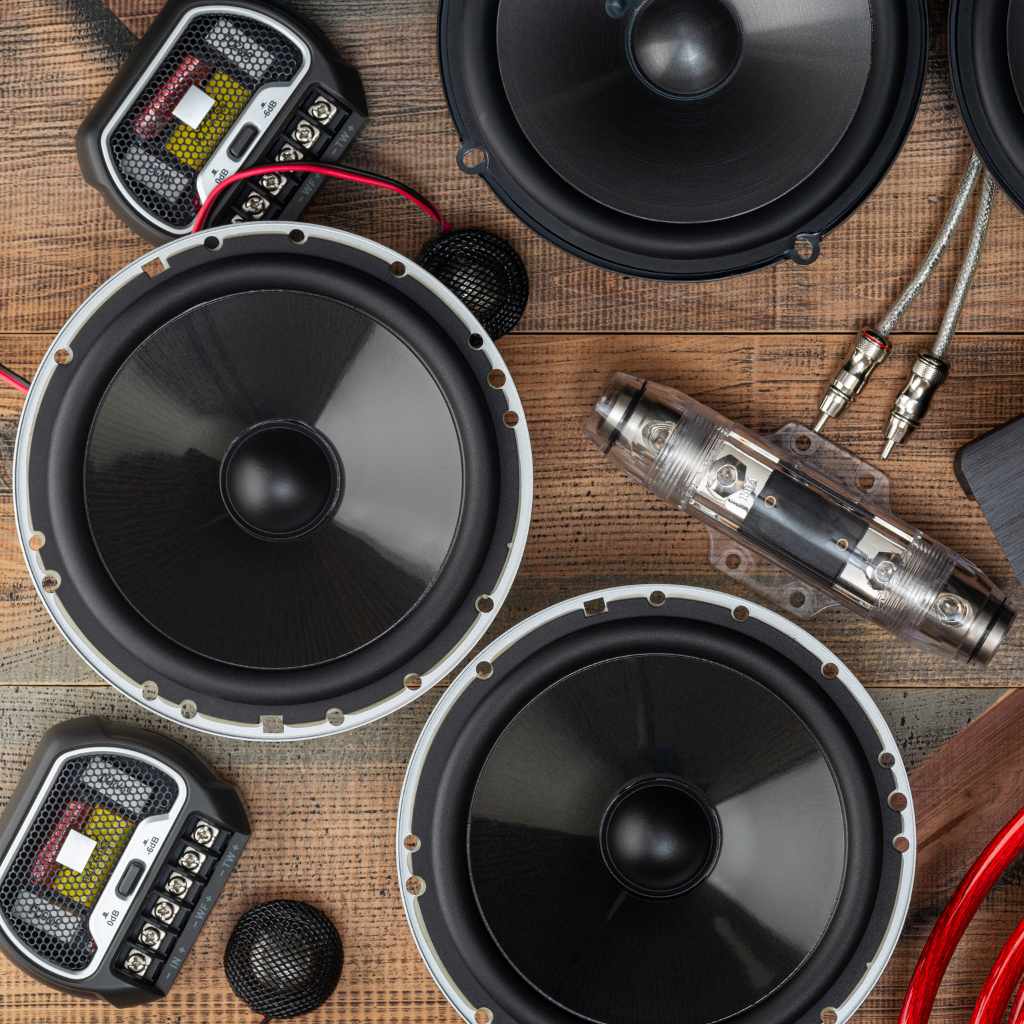
Before you begin, make sure to get the correct speaker size. Check the vehicle’s manual. You can also look up the specifications online. Consider the type of speakers you like. You should consider things such as coaxial speakers, which have all the components in one unit. Or, you might want component speakers. These use separate tweeters and woofers for enhanced audio. Make a decision about the speakers that best fit your car and listening habits.
-
- Screwdrivers and Wrenches: You’ll need different screwdrivers and wrenches to remove the old speakers.
You’ll need a range of screwdrivers. You may need Phillips head or flathead screwdrivers to remove screws holding the speaker in place. The size of the screws will vary. Also, get a set of wrenches to remove any bolts. Having a variety of tools will let you deal with any mounting hardware you encounter. This will also give you an advantage during installation. Make sure you select the correct tools to avoid damaging the car interior.
-
- Speaker Wire: You might need new speaker wire if the old wires are damaged.
If the existing speaker wire is damaged or too short, you’ll need to replace it. Measure the length you’ll need to connect the speakers to the amplifier or head unit. Choose a good gauge speaker wire. The correct gauge helps ensure that your new speakers receive a clean audio signal. Make sure you route the wires neatly and securely. This will ensure great sound and a long-lasting installation.
-
- Wire Strippers and Crimpers: These tools help to make safe and secure connections.
Wire strippers will safely remove the insulation from the speaker wire. Crimpers help you secure the connectors to the speaker wire. These tools ensure that the connections are secure. They also make the connections safe from short circuits. Correctly crimped connections will also enhance sound quality. These tools are especially important in cars, where they can be exposed to the elements and vibrations. Having the right tools will make your installation easier and more dependable.
Removing the Old Speakers
Removing the old speakers is the first step. Carefully removing the old speakers is important. Doing it carefully means you’ll avoid damaging your car. Knowing the layout of the speakers, panels, and wiring is very important. This helps you get a successful outcome.
-
- Remove the Door Panel or Speaker Grille: Use your tools to carefully remove the panel or grille covering the speaker.
This is where you’ll begin. The exact method will change depending on your car’s make and model. You might have to remove the door panel or speaker grille. Carefully pry the panel away from the door. Use a trim removal tool if you have one. This will prevent damage to your car. Remove any screws, clips, or fasteners that hold the panel in place. Place the panel in a safe place, so you don’t damage it.
-
- Disconnect the Wiring: Disconnect the wires from the old speaker. Pay attention to how the wires connect.
Carefully disconnect the wires connected to the old speaker. Take note of how the wires are connected. This will help you hook them up again in the correct order. You might have to use a screwdriver to remove any terminals or connectors. It’s helpful to take a picture of the connections. You can then use it as a reference later when installing the new speakers.
-
- Unscrew the Speaker: Remove the screws holding the speaker in place and carefully take it out.
Now, remove the old speaker from its mounting location. Remove any screws or bolts that hold the speaker. Then, gently remove the speaker. If the speaker is stuck, check for any other hidden fasteners. Be careful not to damage the door panel. Set the old speaker aside. Make sure to keep the mounting hardware for possible reuse.
Installing the New Speakers
After you have removed the old speakers, it is time to install the new ones. Carefully installing the new speakers is a must. Proper installation makes your sound system work great. Be sure to handle the speakers with care and double-check all connections.
-
- Mount the New Speaker: Position the new speaker and secure it with screws or bolts.
Position the new speaker in the mounting location. Make sure it fits properly. Use the same screws or bolts you took off the old speaker. In some cases, you may need an adapter or mounting bracket to fit the new speaker. Tighten the screws or bolts securely. Avoid over-tightening. Doing so could damage the speaker or the door panel.
-
- Connect the Speaker Wire: Attach the speaker wire to the new speaker, making secure connections.
Connect the speaker wires to the new speaker. Make sure the polarity is correct, matching the plus and minus terminals. If the polarity is wrong, the sound quality may suffer. Use wire strippers and crimpers to attach the speaker wire connectors. Ensure all connections are tight. This will also prevent problems like rattling. Double-check all the connections to ensure you have made them correctly.
-
- Test the Speakers: Before putting the panel back, test the speaker to make sure it’s working properly.
Before you put everything back together, test the new speaker. Turn on your car’s audio system. Play some music. Adjust the volume, and listen for clear and balanced sound. If you’re not getting sound, check all your connections to ensure they are secure. Adjust the balance and fade controls to confirm all speakers function correctly. Make any required adjustments. If everything sounds good, proceed to reassemble your car.
Frequently Asked Questions
Question: How do I know if the speaker is blown?
Answer: Listen for crackling, popping, or distortion. Also, look at the speaker for any tears or damage to the cone or surround.
Question: What causes car speakers to fail?
Answer: The most common causes are excessive volume, overpowering the speakers with too much power, and damage from environmental factors like water or extreme temperatures.
Question: Can I fix a blown speaker myself?
Answer: In many cases, replacing the speaker is the best solution. Although fixing speakers is often difficult, you can usually do it yourself if you’re comfortable with the process.
Question: What tools do I need to replace car speakers?
Answer: You’ll need screwdrivers, wrenches, wire strippers, crimpers, and the new speakers.
Question: What do I do after installing new speakers?
Answer: Test the new speakers by playing music and adjusting the volume and balance settings to make sure everything works correctly.
Final Thoughts
Figuring out How to Tell If Car Speakers Are Blown doesn’t have to be confusing. You now have a clear path to follow. By paying attention to the sounds your speakers make and visually inspecting them, you can often find the problem. You can start by checking for things like static, distortion, or the quality of the sound. Remember, speakers can be damaged by high volumes, water, and age. If you discover a problem, don’t worry. Replacing them can be a simple task when you know how. Using the right tools and following the steps above, you can often restore the sound. You might even want to upgrade your car’s audio system. So, listen carefully, test your speakers, and get ready to enjoy your favorite music again!