Why Is There Mold Growing in My Car? Causes, Signs & Fixes
Mold grows inside a car when moisture from a leaky window seal, a spill, or air-conditioning condensation sits trapped in carpet or upholstery for as little as 24 to 48 hours. Left alone, it spreads into vents and seat foam and can trigger coughing, sneezing, or asthma flare-ups in sensitive riders. This guide covers what causes it, how to spot it early, and how to clean it out safely.
Quick Answer
Mold grows in a car whenever moisture — from a window seal leak, a spill, or AC condensation — sits trapped in carpet, upholstery, or vents for 24-48 hours or more. Fix the moisture source first, then clean affected surfaces with detergent and water (not bleach, per EPA guidance) and dry the cabin completely so it can’t return.
What’s Causing the Mold Problem in Your Vehicle?
Mold thrives in damp, dark places. Your car’s interior, with its enclosed spaces and potential for moisture, can be a perfect breeding ground. Understanding the common causes is the first step toward getting rid of the problem. Many factors, often related to the presence of water, create an environment where mold can grow. These include leaks, spills, and condensation. Addressing the root cause is crucial to preventing mold from returning.
How Fast Does Mold Actually Grow in a Car?
Mold can begin colonizing a damp car interior in as little as 24 to 48 hours once the right conditions are present — moisture, a food source (dust, dead skin, fabric fibers), and stagnant air. A car parked and closed up for a weekend after a wet floor mat or a rained-through window is enough time for the first colonies to establish. That’s why acting on a spill or leak the same day matters more than the cleaning product you eventually use.
For more detail on the specific mechanisms behind each moisture source, see our full breakdown of what causes mold in cars.
Moisture Intruders: Leaks and Spills
Leaks are a primary cause of mold growth. These can come from several places. Rain might leak through the windows, doors, or even the roof. A cracked windshield seal can let water inside. Spilled drinks, or even damp items left in the car, also add moisture. Think about the last time you left a wet umbrella or a sweaty gym bag in your vehicle. Over time, this moisture seeps into the upholstery, carpets, and other materials. This creates a cozy, humid environment where mold loves to grow.
- Window and Door Seals: Over time, the rubber seals around your windows and doors can crack or wear down. This lets rainwater in. Check for any gaps or cracks and replace damaged seals.
- Windshield Integrity: A damaged windshield can also let water in. Small cracks may seem harmless, but they can grow larger. Always have any damage to your windshield fixed promptly.
- Accidental Spills: Spills inside the car, like coffee or soda, can soak into the seats and carpets. This provides a constant source of moisture. Clean up spills quickly and thoroughly to prevent mold from getting a foothold.
- Roof Leaks: Older vehicles may develop roof leaks. Check the roof for any signs of water damage, such as stains or discoloration. Address these leaks right away to prevent mold.
If you suspect a leak, try the following: Have someone spray the outside of the car with a hose while you sit inside and watch carefully. Look for water dripping from the roof, windows, or doors. Inspect the floor for dampness. Address the source of the leak as quickly as you can.
Condensation: The Silent Culprit
Condensation is another hidden culprit. It happens when warm, moist air meets cool surfaces. This is common in cars, especially during colder weather. The difference in temperature between the inside and outside of your car causes moisture to form. This can occur on the windows, and also in the upholstery, which can promote mold growth. If the car is parked in a humid location, like near a lake or the ocean, this can worsen the condensation effect. Poor ventilation can also trap moisture inside the car, making the situation even worse.
- Temperature Difference: The contrast between the inside and outside temperatures can create condensation. In winter, moisture in your breath and clothing can contribute. In the summer, hot humid air can lead to moisture issues inside.
- Poor Ventilation: A car with poor ventilation traps moisture. Make sure your vents are open and functioning correctly. If you’ve been in a car with fogged up windows, you’ve experienced condensation.
- Humid Environments: Cars parked in humid areas, like near bodies of water or in areas with high humidity, are more likely to have condensation problems.
- Air Conditioning Issues: A malfunctioning air conditioning system can create humidity. If your AC is not working well, it might be contributing to condensation.
To reduce condensation, use your car’s air conditioning or defroster. These can help remove moisture from the air. Also, try parking your car in a well-ventilated area, if you can. Consider using moisture-absorbing products, like silica gel packets, inside your car to remove excess humidity.
📊 Keep cabin relative humidity below 60% (ideally 30-50%) to slow mold growth — Source: U.S. EPA, A Brief Guide to Mold, Moisture and Your Home
Is There Mold in Your Car? How to Spot It
Identifying mold early is vital for preventing it from spreading. Mold often appears as spots or patches in various colors, textures, and locations within the car. Early detection allows you to take action before the problem becomes widespread and more difficult to solve. Recognize the signs, know where to look, and understand how to deal with the discovery of mold inside your vehicle. It is important to know that you might not always see mold. Sometimes, it can be hidden. Other times you might detect its presence through smell alone.
Visual Clues: Colors and Locations
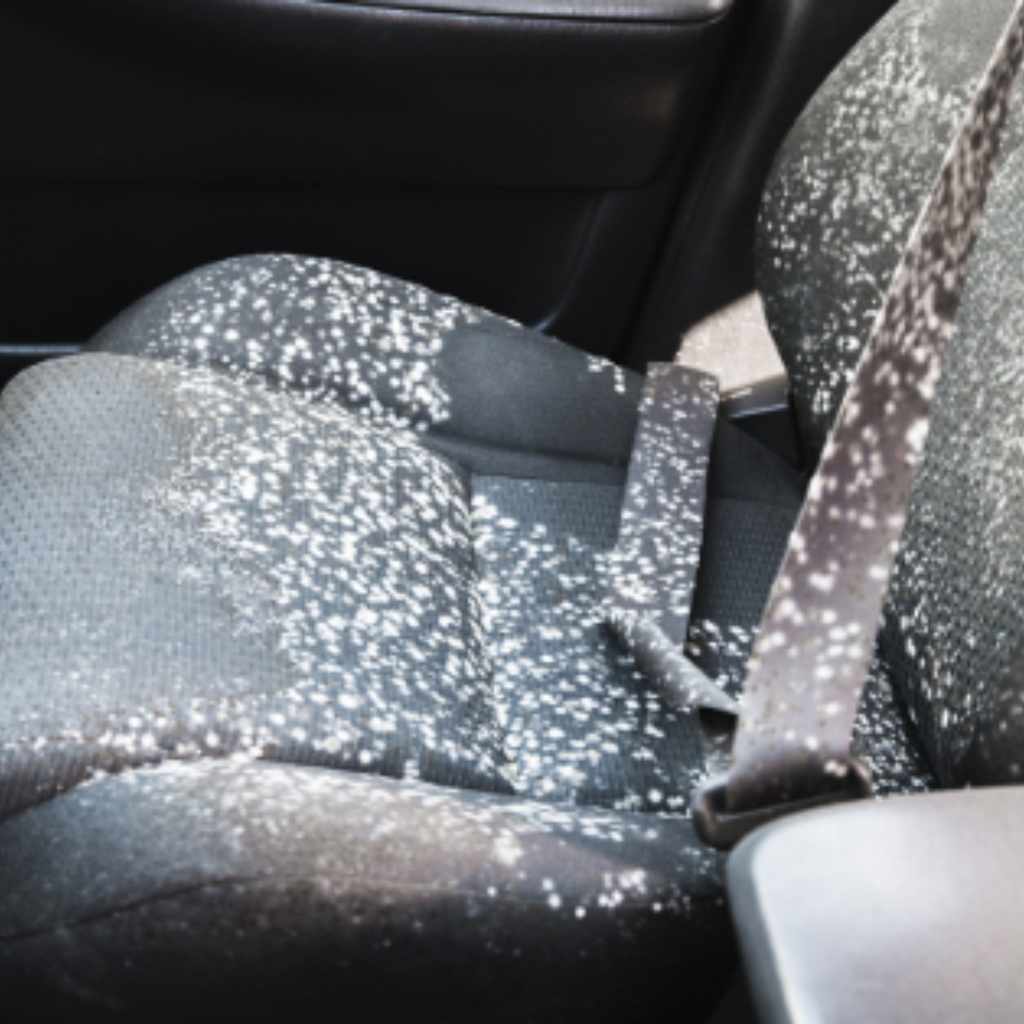
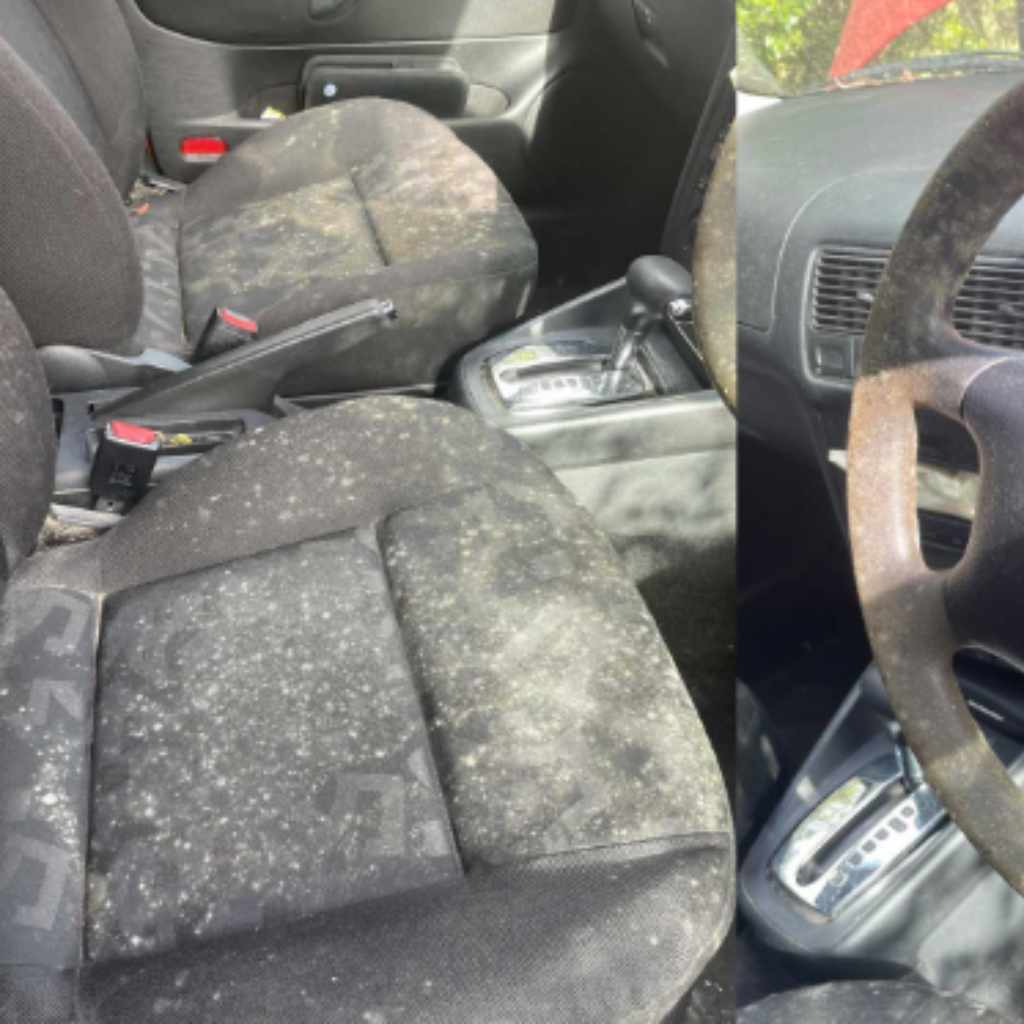
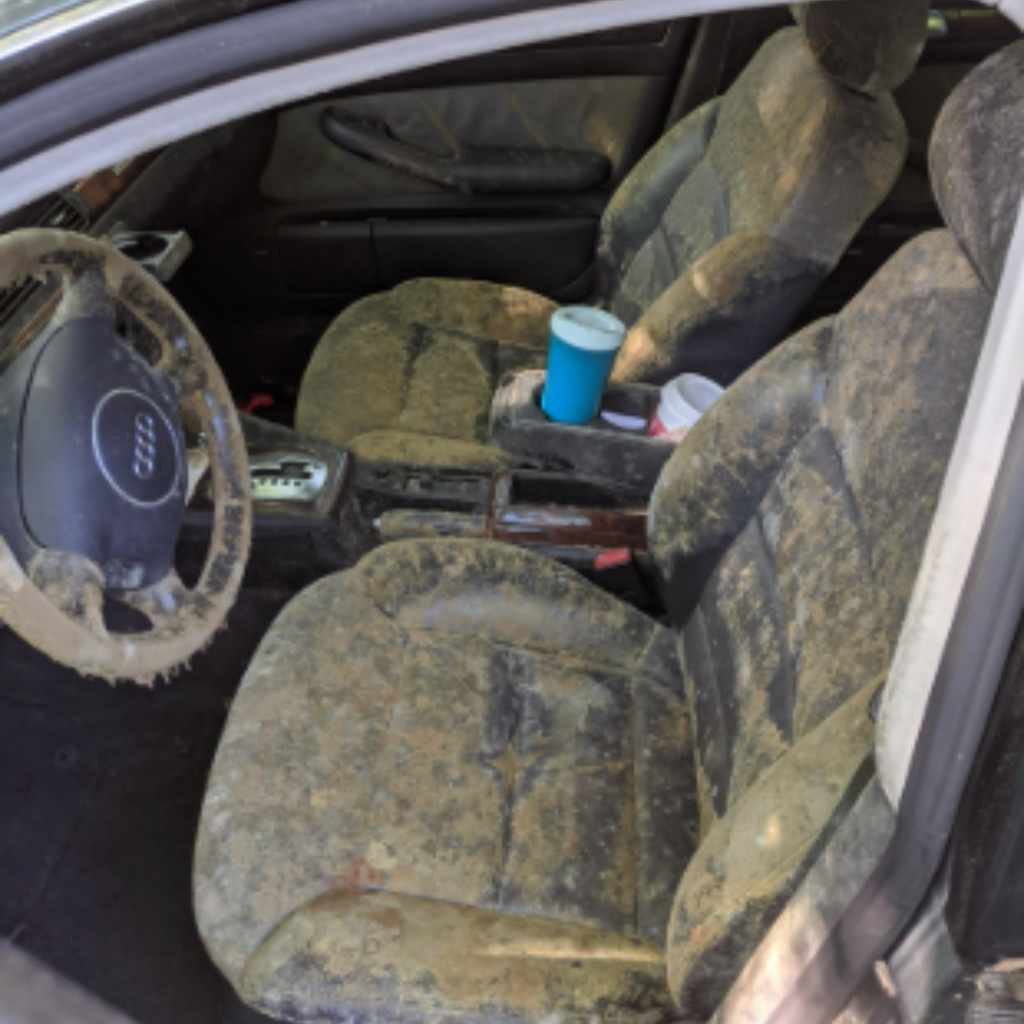
Mold can take on various colors, including black, green, white, or even orange. The color can help identify the type of mold, but any mold growth indicates a problem that needs to be solved. Mold likes to grow where there is moisture. It can grow on seats, carpets, headliners, and other surfaces. Inspecting the vehicle’s interior regularly will help spot any unusual spots or discolorations. The sooner you find them, the better.
- Black Mold: Often appears as black spots or patches and is very common in damp areas. Black mold, or Stachybotrys chartarum, can be hazardous to your health.
- Green Mold: Frequently seen on food and organic materials. This can often be found on older items left in the vehicle.
- White Mold: May look like small, fuzzy patches and is often found on surfaces with high humidity.
- Orange Mold: Indicates a more advanced stage of growth. This often occurs when mold has been left unattended for a long time.
- Common Locations: Check carpets, under seats, headliners, and areas around windows and doors, as these areas are prone to moisture and, therefore, mold growth.
Remember that mold can often hide in places you cannot see. Areas like air conditioning vents, under the seats, and inside the dashboard are prime locations. Use a flashlight to examine these spots. Also, mold can sometimes be found in the trunk, especially in older cars or those with a leaky seal. Make sure to check the spare tire area as well.
Smell Test: The Musty Odor
Even if you don’t see mold, you may smell it. A musty, stale odor is often the first sign of a mold problem. This smell is a clear indication that mold spores are present, even if you cannot see them. If you notice an unusual smell in your car, it is important to investigate. The smell will worsen over time. Ignoring the smell will only allow the mold problem to get worse.
- Musty Smell: The telltale sign of mold. The odor can be described as stale, damp, and earthy. If you recognize this smell, start searching.
- Unexplained Odors: If you cannot identify the source of an unusual smell, it could be mold.
- Hidden Mold: Mold often grows in hidden areas, where it is not always visible. Therefore, you may only be able to detect its presence by smell.
- Professional Help: If you suspect mold but cannot find it, it’s best to consult a professional.
If you smell a musty odor, start your search by checking areas that are prone to moisture, such as under the seats and in the trunk. Examine the air conditioning vents, as these are often prime spots for mold to grow. Be aware that the smell may become more intense in humid weather. If you can’t pin down the source yourself, a mechanic or a car inspection can help confirm it.
Cleaning the Mold: Step-by-Step Guide
Cleaning mold is not difficult, but it requires the right tools and steps to remove it effectively and prevent it from returning. Safety is a priority during this process. Ensure that you protect yourself with the right gear. Gather your supplies and follow these steps to clean the mold from your car’s interior. You can use this guide as a basis for your vehicle cleaning.
Safety First: Protect Yourself
Before you start cleaning, protect yourself. Mold spores can cause health problems, especially for those with allergies or breathing issues. Proper safety gear will help minimize exposure. Make sure you work in a well-ventilated area to prevent inhaling mold spores. If you feel uncomfortable or have any doubts, call in a professional. Remember, your health is the most important thing.
- Wear a Mask: Use an N95 respirator to prevent inhaling mold spores. This will help protect your lungs.
- Gloves: Wear rubber gloves to protect your skin from mold and cleaning solutions.
- Eye Protection: Wear safety glasses to protect your eyes from splashes of cleaning agents.
- Ventilation: Open the car doors and windows to air out the vehicle. Work in a well-ventilated space.
- Protective Clothing: Wear old clothes that you can wash immediately after.
If you have any existing health conditions, or are unsure of what to do, consult with your doctor. Before you start cleaning, consider removing anything that could harbor mold spores. This includes clothing, papers, or any items that might have come into contact with mold.
Supplies and Preparation
Gather the right supplies to make cleaning easier and more effective. You will need several basic items. These include cleaning solutions and cleaning tools. Prepare your work area. Make sure you have everything ready before you start cleaning. This will save time and allow you to work efficiently. Proper preparation improves your ability to deal with mold.
- Cleaning Solutions: Choose a mold cleaner. Detergent and water, vinegar, or a commercial enzymatic mold-removal product all work — the EPA does not recommend bleach as a routine mold treatment.
- Cleaning Tools: You will also need scrub brushes, sponges, and microfiber cloths. Consider having a shop vacuum and possibly a steam cleaner ready to use.
- Protective Gear: Safety glasses, a mask, and gloves are critical.
- Ventilation: Open the car doors and windows before you begin to make sure the work area is well ventilated.
- Prepare the Area: Remove all loose items, such as mats, seats, and any items that could trap mold spores.
Make sure you have a trash bag ready to throw away any items that cannot be cleaned. Test any cleaning solutions in a small, hidden area of your car’s interior before applying them to the entire surface. This helps prevent discoloration or damage. Ensure the shop vacuum has a HEPA filter to prevent mold spores from being released back into the air.
Cleaning Steps
Follow these steps to safely and efficiently remove mold from your car’s interior. Remember to work carefully and thoroughly. If you are dealing with a severe mold infestation, you might consider contacting a professional cleaning service. If the mold persists, despite your best efforts, this may be necessary.
- Remove Loose Debris: Vacuum up all loose debris, like dirt and dust, from the affected areas.
- Apply Cleaning Solution: Spray the moldy surfaces with detergent-and-water, vinegar, or an enzymatic cleaner. Allow it to sit for the recommended time.
- Scrub the Surfaces: Use a brush to scrub the moldy areas thoroughly. Make sure you reach into all cracks and crevices.
- Wipe and Rinse: Wipe the cleaned surfaces with clean water and then dry them thoroughly.
- Air Dry: Allow the car interior to air dry completely. Use fans to speed up the process.
“Scrub mold off hard surfaces with detergent and water, and dry completely.”
Skip the bleach on car interiors. Bleach mostly kills mold on its surface — on porous materials like carpet, fabric, and seat foam, it doesn’t reach the roots, and the water it leaves behind can actually feed regrowth. Use detergent and water, plain white vinegar, or a commercial enzymatic mold-removal product instead, and if a cushion or carpet section is heavily colonized, replacing it is often more effective than trying to clean it out. Never mix bleach with any other cleaning agents, as this can be dangerous. If the mold is deep within the upholstery or carpets, consider professional cleaning or replacement of these items. For a longer, illustrated walkthrough of this same process, see our complete guide to getting rid of mold in a car.
Best Car Mold Removal Pick
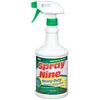
Spray Nine Heavy Duty Cleaner, Degreaser & Disinfectant
An EPA-registered disinfectant cleaner that kills mold and mildew on contact without the harsh residue of bleach — safe on car carpet, fabric, and hard interior surfaces.
- Best for: disinfecting mold and mildew on carpet, upholstery, and hard surfaces in one step
- Why we picked it: EPA-registered to kill mold and mildew — a detergent-based disinfectant, not bleach, matching EPA’s own cleanup guidance
- Main drawback: strong initial odor until the cabin fully airs out
Compare more car mold removal options
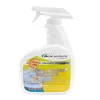 Option 1 Dicor Mold & Mildew Remover 32 oz
|
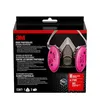 Option 2 3M P100 Mold & Lead Paint Respirator
|
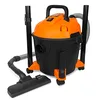 Option 3 WEN 5-Gallon Portable HEPA Wet/Dry Shop Vacuum
|
As an Amazon Associate we earn from qualifying purchases.
Preventing Future Mold Problems
Preventing mold growth is easier than dealing with it. Make some simple changes to help keep your car mold-free. Pay attention to how you use your car, and establish good habits. Regular maintenance will help prevent a recurrence. These are helpful practices to avoid mold in your car. A little effort goes a long way. These steps will help keep the interior of your car clean and fresh.
Regular Maintenance: Inspections and Cleaning
Regular inspections and cleaning can stop mold before it starts. Checking your car’s interior regularly allows you to spot any signs of moisture or mold early. Cleaning spills and removing damp items immediately reduces the chance of mold growth. Consistent cleaning will ensure that your car stays mold-free.
- Regular Inspections: Do a quick check of your car’s interior every few weeks. This will help you detect any signs of moisture or mold growth.
- Immediate Action: Clean up any spills or leaks as quickly as possible. This includes food, drinks, or any other liquids.
- Remove Damp Items: Take out wet umbrellas, gym bags, and other damp items from your car to prevent moisture buildup.
- Clean Regularly: Regularly vacuum and clean your car’s interior to prevent mold spores from settling.
When inspecting your car, pay special attention to areas that are prone to moisture. These include under the seats, in the trunk, and around windows and doors. If you detect any signs of mold, act immediately. Clean the affected areas and address the source of the moisture. Create a regular cleaning schedule as part of routine car detailing and stick to it.
Improve Ventilation and Control Humidity
Good ventilation and humidity control are important for stopping mold growth. Proper air circulation helps to dry out any moisture inside your car. Controlling humidity levels reduces the environment that mold thrives in. Maintaining good ventilation and controlling humidity can help to keep your car healthy.
- Ventilation: Open windows and doors regularly to help air out the car — even just cracking the windows while parked helps. You can also run the car’s air conditioning system to remove moisture from the air.
- Air Circulation: Park your car in a place that has good air circulation. Avoid parking in damp, enclosed areas, if possible.
- Air Conditioning: Run the AC frequently, even if it is not very hot. This helps remove moisture from the car’s interior.
- Moisture Absorbers: You can use moisture-absorbing products, such as silica gel packets, inside your car to remove excess humidity.
Make sure your car’s air conditioning and heating systems are functioning correctly. These systems play a critical part in managing the car’s internal climate. If you live in a particularly humid area, consider using a car cover when the vehicle is parked. This can help protect it from moisture. Always dry wet items before putting them in the car.
Frequently Asked Questions
What’s the best cleaner for mold in my car?
Detergent and water, plain white vinegar, or a commercial enzymatic mold-removal product are the safest choices for car interiors. The EPA does not recommend bleach as a routine mold treatment — it can bleach fabric and doesn’t reach mold roots in porous materials like carpet and seat foam. Always test any solution on a hidden area first.
How often should I clean my car to prevent mold?
Regularly vacuuming and wiping down surfaces every few weeks can help prevent mold. Clean up spills and remove damp items right away, since mold can start colonizing damp fabric in as little as 24 to 48 hours.
Can I use a steam cleaner to remove mold?
Yes, steam cleaners can be effective, but ensure the area dries completely afterward — leftover moisture is what lets mold return. Always wear proper safety gear (mask, gloves, eye protection) while steam cleaning.
What if the mold keeps coming back?
If mold keeps returning, there’s almost always a hidden moisture source still active — a leaking seal, a clogged AC drain, or carpet padding that never fully dried. Find and fix that source first, then consider professional cleaning or replacing badly affected carpet or foam.
Is mold in my car dangerous to my health?
Mold exposure in an enclosed car cabin can cause nasal congestion, coughing, throat irritation, and allergic reactions like sneezing or watery eyes; people with asthma, mold allergies, or compromised immune systems can have more serious reactions. Wear a mask and gloves while cleaning, especially if you’re sensitive to mold. For a full breakdown of the specific risks, see our guide on whether mold in a car is dangerous.
Will car insurance cover mold damage?
Usually not. Most standard auto policies exclude mold caused by gradual issues like slow leaks or neglect. Comprehensive coverage may pay for mold cleanup only if it resulted from a sudden, covered event — like a flood or a covered water-related accident — so check your specific policy before assuming it’s covered.
How fast can mold grow inside a car?
Mold can begin growing in as little as 24 to 48 hours once moisture, a food source, and stagnant air are present — conditions a closed-up, parked car provides easily. That’s why drying out a spill or leak the same day it happens matters more than which cleaner you use later.
Final Thoughts
Dealing with mold in your car can be frustrating, but knowing what’s causing it makes solving the problem easier. Mold grows when moisture is present, and common causes include leaks, spills, and condensation. By regularly checking your vehicle, addressing any leaks immediately, and keeping your car well-ventilated, you can prevent mold. You can tackle mold removal with some basic cleaning methods — detergent and water rather than bleach, since car interiors are mostly porous material. Remember to protect yourself and address the moisture source for long-term solutions. Make regular inspections and cleaning a part of your car care routine to keep the interior clean, fresh, and mold-free.
Products related to this article
Sponsored / affiliate links. As an Amazon Associate I earn from qualifying purchases. I may earn additional commission from eligible campaigns.