How to Wax a Car: Achieve a Gleaming Finish
Imagine driving down the street with your car gleaming under the sunlight, turning heads at every corner. That’s the power of a well-waxed vehicle.
You might think waxing a car is a task reserved for professionals, but what if I told you that you can achieve that showroom shine all by yourself? In this guide, you will discover the secrets to transforming your car’s appearance with a simple waxing routine.
By following easy steps, you can enhance your car’s beauty while protecting its paint from the elements. Keep reading to uncover how you can make your car the envy of the neighborhood, with minimal effort and maximum impact. Your car deserves to shine like a star, and you are about to learn exactly how to do it.
Choosing The Right Wax
Car wax comes in different types. Liquid wax is easy to apply. Paste wax lasts longer but needs effort to apply. Spray wax is quick but not as durable. Each type has its own pros and cons. Liquid wax works best for quick shines. Paste wax gives deep protection. Spray wax is great for a fast shine.
Choosing wax depends on several factors. Car color can affect the wax choice. Some waxes work better on dark cars. Weather conditions matter too. Hot climates need stronger wax. Ease of application is important. Some waxes are easy to use. Others need more time and skill. Budget plays a role in your decision. Some waxes are expensive but worth the cost. Choose based on your needs and situation.
Credit: www.turtlewax.com
Preparing Your Car
Start by using a mild car soap. This soap helps remove dirt and grime. Always use a soft sponge or cloth. Hard materials can scratch the surface. Rinse the car with clean water. Make sure all soap is removed. This keeps the car paint safe. Remember, clean water is your friend.
Use a microfiber towel to dry the car. This towel absorbs water quickly. It also protects the car from scratches. You can also use an air blower. This helps remove water from small spaces. Ensure the car is completely dry. Water spots can ruin the shine.
After drying, check for any imperfections. Look for scratches and dents. These can affect the waxing process. Fix minor scratches before waxing. Use a scratch remover for small issues. For big dents, seek expert help. A smooth surface gives the best shine.
Tools And Materials Needed
Gather essential items like car wax, microfiber cloths, and a foam applicator pad. Ensure a clean, dry surface before starting. Use a buffer for a polished finish.
Essential Tools
A soft cloth is very important for waxing. It helps spread the wax evenly. You need a good-quality car wax. This gives your car a shiny look. A bucket is needed for mixing soap and water. A sponge helps clean the car before waxing. A hose is useful for rinsing the car. Wax applicator pads make the job easier. These pads help spread the wax smoothly. A detail brush can reach small places. These tools help make your car shine. Waxing needs the right tools for the best result.
Optional Accessories
Some accessories make waxing easier. A buffer machine helps polish the car. It gives a smooth finish. A microfiber towel can be used to remove wax. It is gentle on the car’s surface. A wax scraper helps with old wax removal. Car wash soap can be used for cleaning. Before waxing, clean with soap. Tire shine spray makes tires look new. These accessories improve car appearance. They make the waxing process simple.
Credit: stonercarcare.com
Applying The Wax
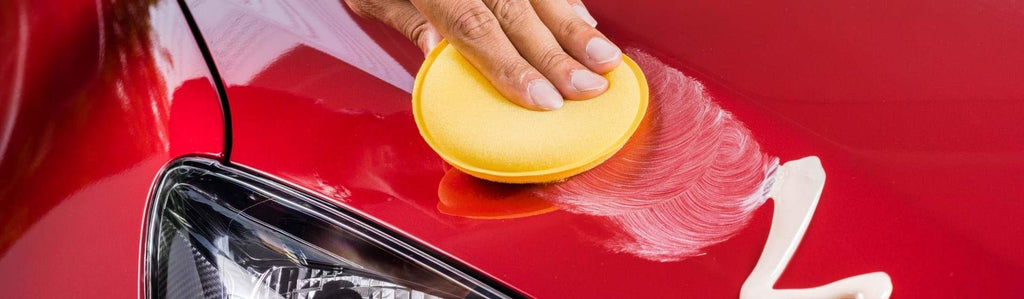
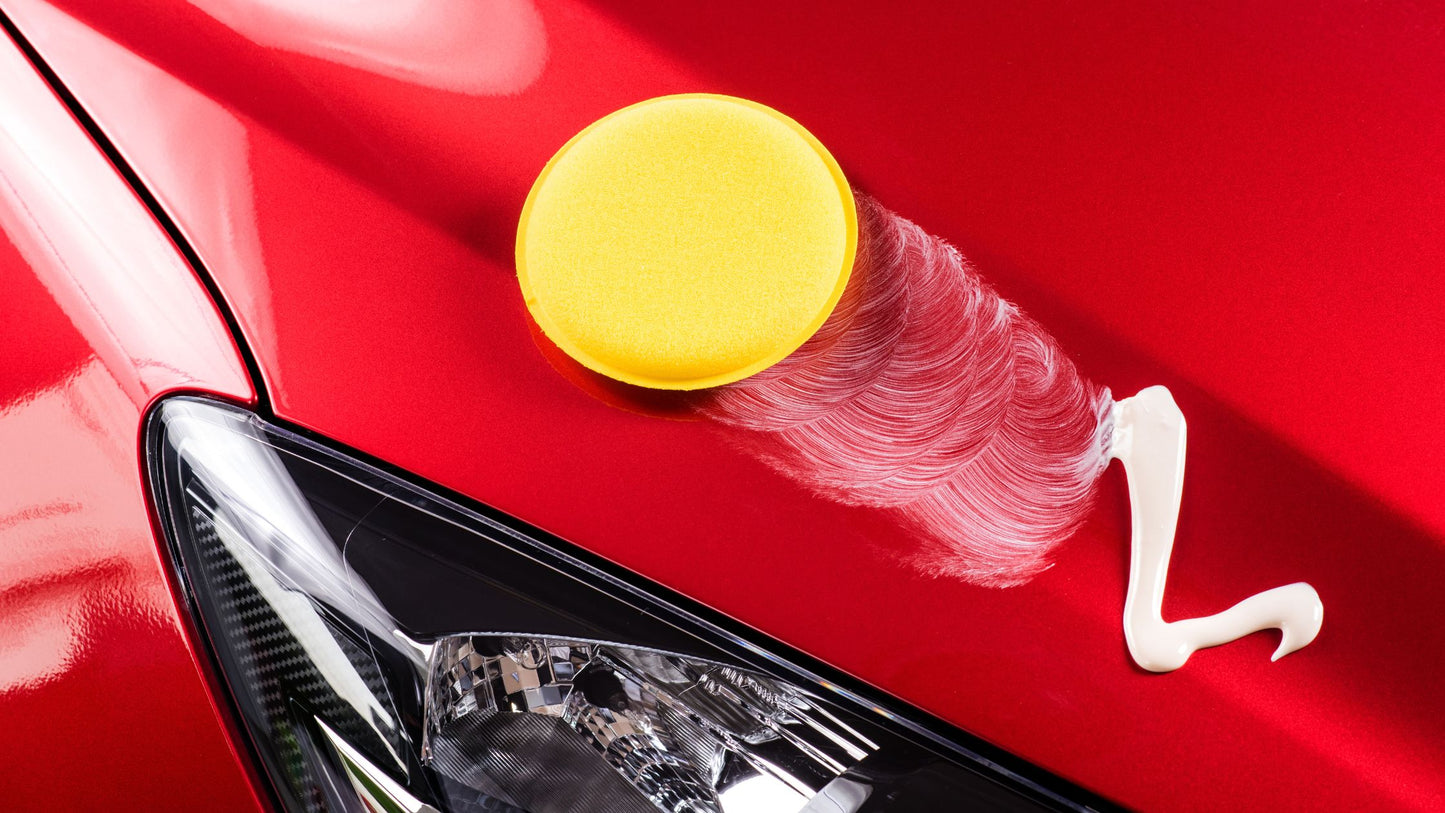
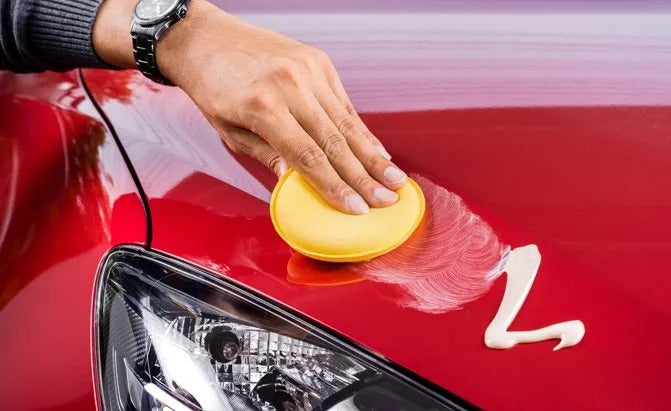
Gently apply the wax using a clean pad in small circular motions. Ensure even coverage on the car’s surface. Let it dry until it appears hazy, then buff with a microfiber cloth for a shiny finish.
Wax Application Techniques
Use a soft sponge or a foam pad. Apply a small amount of wax. Spread evenly in small circles. Work on one section at a time. This helps cover the area well. Avoid too much wax. It makes the job harder.
Covering The Whole Vehicle
Start from the top of the car. Move to the sides next. Finish with the front and back. This order ensures good coverage. Each section needs attention. Check for missed spots. A well-waxed car shines bright.
Buffing For Shine
Buffinga car makes it shine. A microfiber clothis soft and safe for the car. It helps remove tiny scratches. Always wipe gently in circles. This leaves a smooth surface. Never use rough cloths. They can scratch the car.
Microfiber cloths are special. They trap dirt and dust easily. Wash the cloth often. This keeps it clean for the car. Dry the car first. Wet spots can make wax uneven. Always start with a clean cloth.
Use small amounts of polish. Too much can be messy. Spread polish evenly. Work in sections. This helps keep track of areas done. Buff until the shine appears. Don’t rush. Take time for best results.
Maintaining The Finish
Regular cleaning keeps your car looking shiny. Dirt and dust can harm the car’s surface. Use a soft sponge to clean. Rinse with water. Avoid harsh chemicals. They can damage the paint. Dry the car with a soft cloth. This stops water spots. Clean your car at least once a week. This keeps it looking new.
Reapply wax every few months. This protects the car’s surface. Wax makes the car shiny. It also protects from sun and rain. Check if the wax is still working. Splash some water on the car. If it beads up, the wax is good. If not, it’s time to reapply. Use a clean cloth for waxing. Rub in small circles. This gives the best shine.
Common Mistakes To Avoid
Too much wax can harm your car’s paint. Excess wax is hard to remove. It can leave marks. Always use the right amount. Follow the instructions on the wax bottle. A thin layer is often enough. More wax won’t make it shinier. It just creates more work.
Weather can affect waxing. Sunlight can make wax dry too fast. This makes it hard to buff. It can also leave streaks. Rain can wash away the wax. Choose a cool and dry day. Shade is best for waxing. It helps the wax work well.
Credit: ethoscarcare.com
Frequently Asked Questions
What Are The Benefits Of Waxing A Car?
Waxing a car provides a protective layer against dirt and UV rays. It enhances the car’s shine and maintains its paint condition. Regular waxing helps in water beading, making it easier to wash away contaminants. Overall, waxing extends the lifespan of your car’s exterior.
How Often Should I Wax My Car?
For optimal protection, wax your car every three months. This frequency ensures the paint remains protected and retains its shine. However, if your car is frequently exposed to harsh weather, consider waxing more often. Regular waxing helps maintain the car’s appearance and value.
Can I Wax A Car In Direct Sunlight?
It’s best to avoid waxing in direct sunlight. Sunlight can cause the wax to dry too quickly, making it difficult to buff out. Waxing in a shaded area or during cooler parts of the day ensures better results. Always follow the product instructions for optimal application conditions.
What Tools Do I Need To Wax A Car?
To wax a car, you’ll need a quality wax product, applicator pads, and microfiber cloths. A clay bar is optional for deep cleaning before waxing. These tools ensure a smooth, even application and effective removal of excess wax, leaving a brilliant shine.
Conclusion
Waxing your car keeps it shiny and protected. Follow simple steps for success. Choose quality wax and apply evenly. Use a soft cloth. Buffing brings out the gloss. Regular waxing saves money on repairs. It prolongs car paint life. Enjoy driving a sleek, well-maintained vehicle.
Waxing becomes easier with practice. Feel proud of your car’s appearance. Drive confidently with a gleaming finish. Protect your investment with care. Waxing adds value and style. Now, your car stands out on the road. Shine bright and drive safe!