Car Locked? Why Using a Paperclip Is a Bad Idea
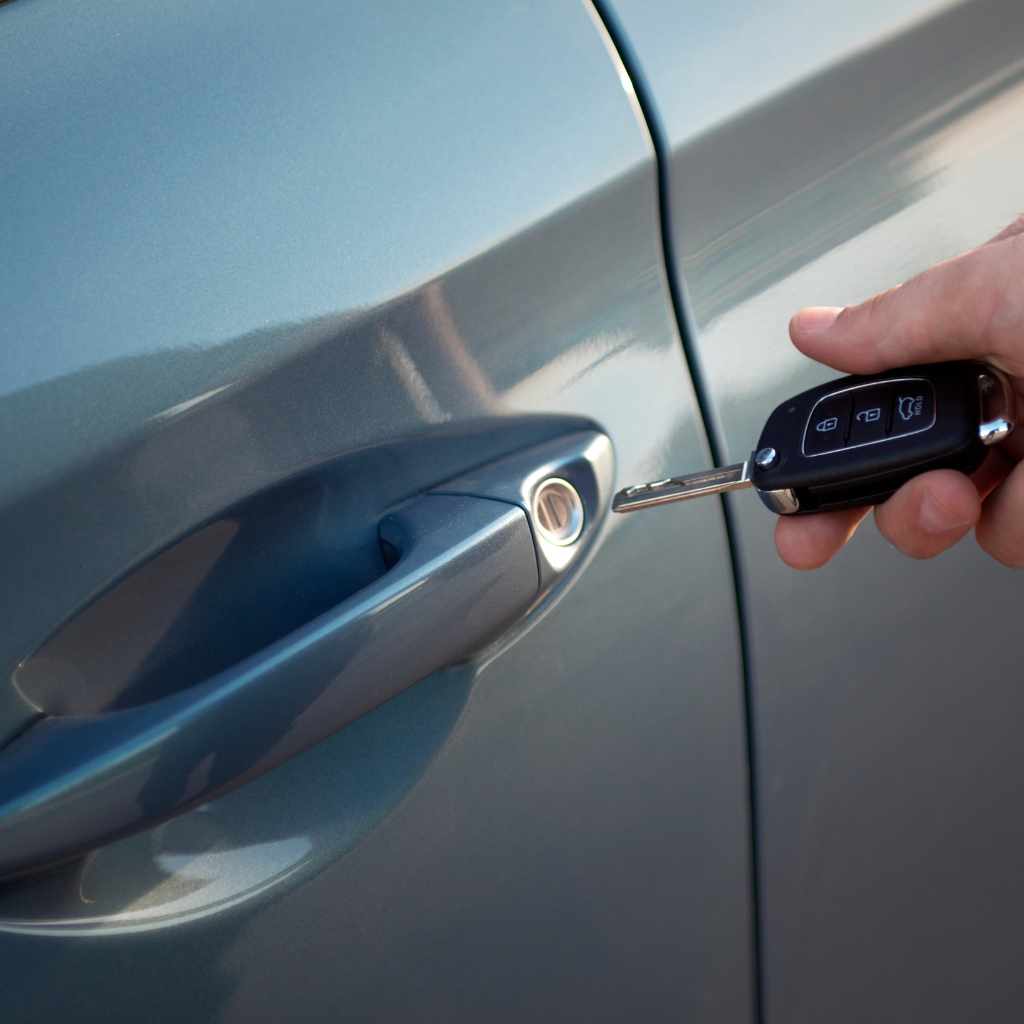
Don’t use a paperclip to open a car; if the lock is mechanical, damaged, or tied to an alarm or immobilizer, you can bend linkages, jam the cylinder, or trigger a bigger repair. A bad attempt can turn a lockout into a broken seal, a stuck keyway, or a security fault that costs far more than roadside help. This guide explains the safer next steps, when to stop, and who to call first.
Why a paperclip can make a lockout worse
A paperclip is an improvised tool, and that is the problem. It is too small and too weak for many car locks, so it can bend, snap, or leave debris inside the mechanism before it moves the latch at all.
Car door locks are tied to the door panel, the cylinder, and internal linkage. Forcing that space with bent metal can damage more than the visible keyway, including parts you cannot see from the outside.
Modern locks give you less margin for error than older ones. A simple mechanical cylinder may resist a poor tool; an electronic door system may also react to repeated tampering by locking out functions or recording a fault.
How improvised metal fails inside the lock
A paperclip can buckle before it applies controlled force. If it breaks, the broken piece can lodge in the keyway and make the cylinder harder to turn even with the correct key later.
Suppose a driver pushes a straightened paperclip into a worn lock on a 2008 sedan. The clip bends, slips, and leaves a fragment behind. Now the lockout is no longer just a lockout; the cylinder may need disassembly.
How it can mark paint, seals, and trim
Improvised metal can scratch paint near the handle, snag the weather seal, or dig into the gap between the door and body. A weather seal can help protect against water and noise, and even a small puncture may lead to leaks and wind noise over time.
A common first-timer mistake is prying at the door edge instead of stopping early. That can tear the rubber door seal or loosen it enough to create a noise and water problem that shows up days later.
Why newer cars are harder to fool
Many modern vehicles use a keyless entry system linked to the vehicle security system. Repeated forcing or tampering can interfere with that system, and some vehicles may respond by disabling access functions or flagging suspicious activity.
Transponder key systems add another layer. Even if the door is opened, a chip-based anti-theft key may still be needed to start the car, and improper entry attempts can complicate the lock or ignition path.
What a paperclip can damage
A paperclip can create damage in several places at once. The lock cylinder can bind, the internal linkage can bend, the seal can tear, and the window track or trim can be stressed if the tool is used with prying force.
Lock cylinder and internal linkage
The mechanical entry point is only the start. Inside the door, the cylinder connects to rods, cables, or linkages that operate the latch. Force against that system can leave the handle feeling loose, gritty, or dead even after the car is opened.
The Ottawa article warns that forcing a door can “easily damage internal lock components,” and DIY entry can “scratch paint, or break the window.” Lock Docs also says some DIY methods can lead to “Damage to Your Car.”
Weather seal and door edges
The rubber door seal does more than keep water out. It also quiets the cabin and cushions the door edge. A tear or puncture from a wire, wedge, or careless pry point can create a leak that keeps coming back.
Glass, window track, and interior trim
Breaking a window is not a clean fallback. The page warning against DIY entry notes that breaking a window risks “shattered glass.” That can scatter into the door cavity, clog the window track, and damage switches or trim panels.
Anti-theft or lockout system risks
Modern security can react to tampering. Lock Docs says some vehicles may experience “Possible Lockout System Lockdown,” which means the car can become less cooperative after repeated forced entry attempts. That is especially relevant on newer models with electronic security.
How different lockouts fail
Not every lockout behaves the same way. Age, lock style, and security level change the risk. An older mechanical lock may respond differently from a keyless vehicle that is watching for tampering.
Say your 1999 pickup has a plain mechanical cylinder and a stiff latch. The likely failure is mechanical: a bent tool, a jammed keyway, or a scratched seal. Now compare that with a 2023 crossover using electronic access; the risk shifts toward security faults and disabled entry functions.
Car locked matrix
| Scenario | Likely outcome | Damage risk | Safest next step |
|---|---|---|---|
| Older mechanical lock | Paperclip may bend, snag, or jam the cylinder before opening the latch. | Moderate to high if the clip breaks off or the seal is pried. | Stop, check for a spare key, then call roadside assistance or a professional automotive locksmith. |
| Modern door lock | Forced entry can damage the internal workings of the door and the cylinder linkage. | High, especially if the door is pried or the lock is forced repeatedly. | Do not keep prying. Call a locksmith with damage-minimizing entry tools. |
| Keyless entry vehicle | Tampering may not open the car and can trigger a lockout or security fault. | High, because the vehicle may log the attempt or disable functions. | Use the spare key if available and call a locksmith or dealer support for reprogramming if needed. |
| Child or pet inside | Delay matters more than damage risk; the car may still not open with improvised tools. | High urgency, since heat and time create a medical emergency. | Call emergency services right away, then ask for unlock support if it does not slow the response. |
What should you do first?
Start with the least risky option. Check every door, the trunk, and any spare key access. If those do not work, stop using improvised tools and choose help based on urgency: roadside assistance for a normal lockout, a locksmith for damaged or electronic locks, and emergency services if a child or pet is trapped.
Use a short decision path
- Check every door, including the trunk or liftgate.
- Look for a spare key, valet key, or a household copy.
- Decide whether the car has a plain mechanical lock or a keyless system.
- Stop if the keyway feels gritty, the seal starts to tear, or the tool bends.
- Call roadside assistance or a professional automotive locksmith.
- If a child or pet is inside, call emergency services immediately.
When to stop trying on your own
Stop if the lock starts resisting more than expected, if the paperclip begins to deform, or if you see seal damage around the door edge. That is the point where added effort is more likely to create repair work than solve the lockout.
What professionals use instead
A professional automotive locksmith uses specialized tools designed for damage-minimizing entry. Many also provide key replacement, ignition help, and reprogramming when the issue is not just a locked door but a lost or disabled key.
One common tool is the Lishi 2-in-1 tool, which is used to read wafer depths and can help originate a brand new key. The tool is often described as having been “Invented in 2000 by Zhi Qin Li.” It is for decoding and picking, not prying doors open.
Inflatable wedge and long-reach tool
An inflatable wedge creates a small gap between the door and body. In one service description, it is used to “gently pry open the door a fraction of an inch.” That gap may let a long-reach tool press an open button or interior handle.
This setup can work on some vehicles, but not all. It does not fit every make or model, and many newer cars have shaped door frames, guarded switches, or internal designs that make the method a poor match.
This is often described as part of “safe and damage-free car entry,” but the safe part depends on the right car and the right technician. A trained locksmith still has to choose the method that matches the door construction and security level.
Why some tools fail on certain cars
Long-reach tools are limited by interior layout. If the open button is recessed, shielded, or electronic, a reach tool may not help. A wedge can also be risky if the door frame is tight or the seal is already worn.
Locksmith services often advertise 24/7 Emergency Lockout Service, and some say they can open a car within 15 minutes of our arrival. Fixed Rate Locksmith says it has been Serving Las Vegas Since 2010, which is a reminder to verify local response and capability before you rely on any one claim.
When key replacement or reprogramming may be needed
If the vehicle uses a transponder key, opening the door is only part of the job. The car still may not start without the right chip or a reprogrammed key, especially after tampering or a lost-key situation.
What should you do if a child or pet is locked inside the car?
Treat this as an emergency. Do not keep experimenting with a paperclip or other improvised tool if a child or pet is inside, because time matters more than avoiding minor cosmetic damage. Call emergency services right away and tell them the vehicle is occupied.
If the car is in direct sun, if the child is showing distress, or if the animal is overheated, speed matters more than preserving trim or seals. A locksmith can still help, but emergency responders should be the first call when heat or medical risk is present.
Frequently asked questions
Is using a paperclip to open a car door a bad idea?
Yes. A paperclip is too small and weak for many car locks, and it can bend, snap, or jam the keyway before the door opens. On modern vehicles, it can also trigger extra security problems that make the repair costlier than a normal lockout service.
Can a paperclip damage a car lock or window seal?
Yes. It can scratch paint, tear or puncture the rubber door seal, and damage the internal workings of the door if it is pushed or pried. If the clip breaks, debris can remain inside the cylinder and make the lock harder to use later.
What should I do first if I’m locked out of my car?
Check every door, the trunk, and any spare key access before trying anything else. If those options fail, stop using improvised tools and call roadside assistance or a professional automotive locksmith. If a child or pet is inside, contact emergency services immediately.
Will forcing the door open damage modern car security systems?
It can. Modern vehicles often use keyless entry system hardware tied to vehicle security, and repeated tampering may cause a lockout, fault code, or disabled function. Some vehicles may also react with a lockout system lockdown after improper entry attempts.
Should I call a locksmith or try to open the car myself?
Call a locksmith if the lock is not obviously simple, if the seal is already stressed, or if you do not have a clear spare-key option. Professional automotive locksmiths use specialized tools designed to reduce damage, while improvised tools raise the chance of broken seals, jammed cylinders, and extra repair work.
What tools do professional locksmiths use to open cars safely?
Common tools include a Lishi 2-in-1 tool, inflatable wedges, and long-reach tools. The Lishi tool can read wafer depths and help originate a brand new key, while wedges and reach tools may help on some vehicles. No tool works on every make or model.
Can a locked-out car situation trigger an anti-theft or ignition lockout?
Yes. Repeated forced entry attempts can aggravate an anti-theft or lockout system, and a transponder key issue can keep the car from starting even after the door opens. If the key or ignition is involved, the next step may be reprogramming instead of more force.
Products related to this article
Sponsored / affiliate links. As an Amazon Associate I earn from qualifying purchases. I may earn additional commission from eligible campaigns.