Is Cars on City Dangerous: Unveiling Hidden Risks Today
Have you ever wondered if cars in the city are truly dangerous for you and your loved ones? Every day, millions of people navigate busy streets filled with honking horns, speeding vehicles, and unexpected obstacles.
But what hidden risks are you facing when you step into this urban jungle? Understanding these dangers can help you stay safer and make smarter choices on the road. Keep reading to uncover the real truth about city driving and how it might affect your safety more than you think.
City Car Risks
Cars in the city come with many risks that affect daily life. These risks make driving challenging and sometimes unsafe. Understanding these dangers helps people stay alert and cautious.
City roads are busy and complex. Drivers face different problems compared to rural or highway driving. These problems increase the chance of accidents and health issues.
Traffic Congestion
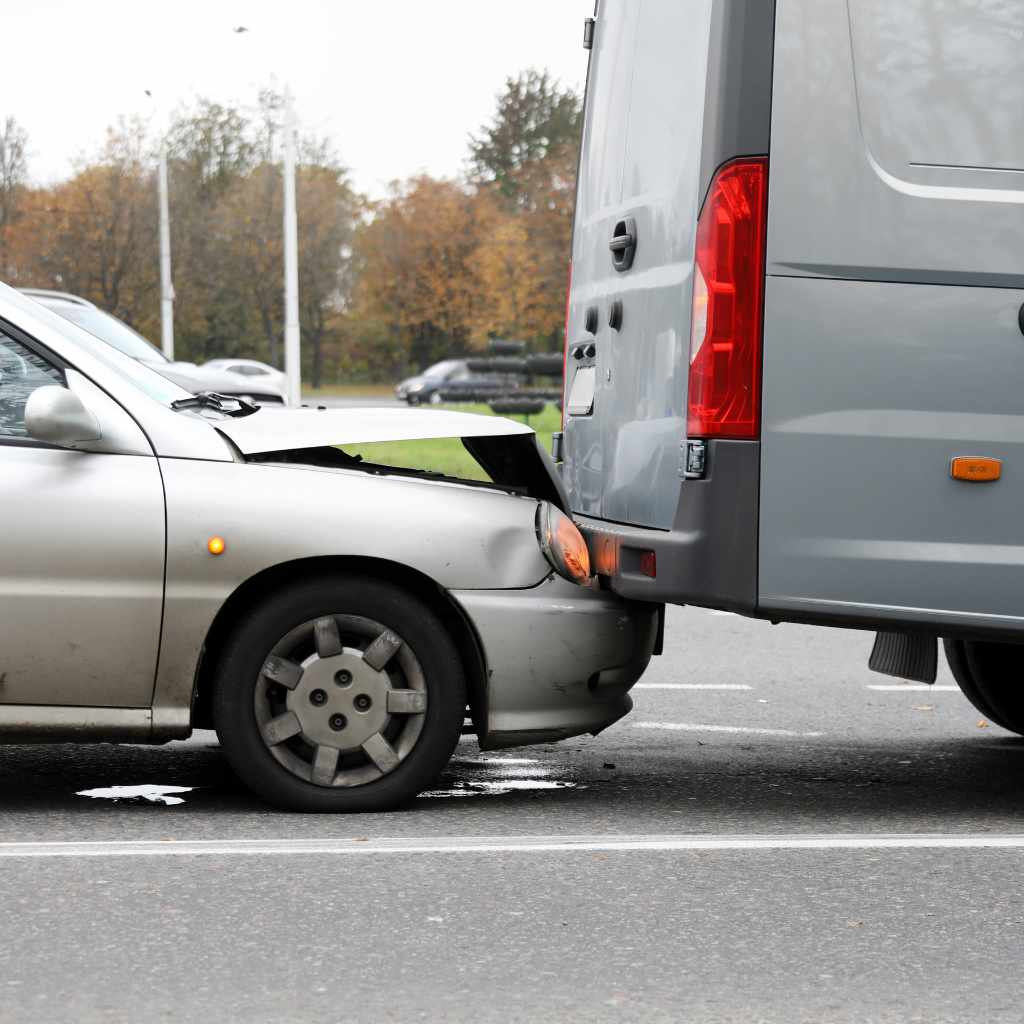
Traffic jams are common in cities. Cars move slowly or stop often. This wastes time and causes frustration for drivers and passengers. Congestion also increases the chance of minor crashes and road rage incidents.
Accident Hotspots
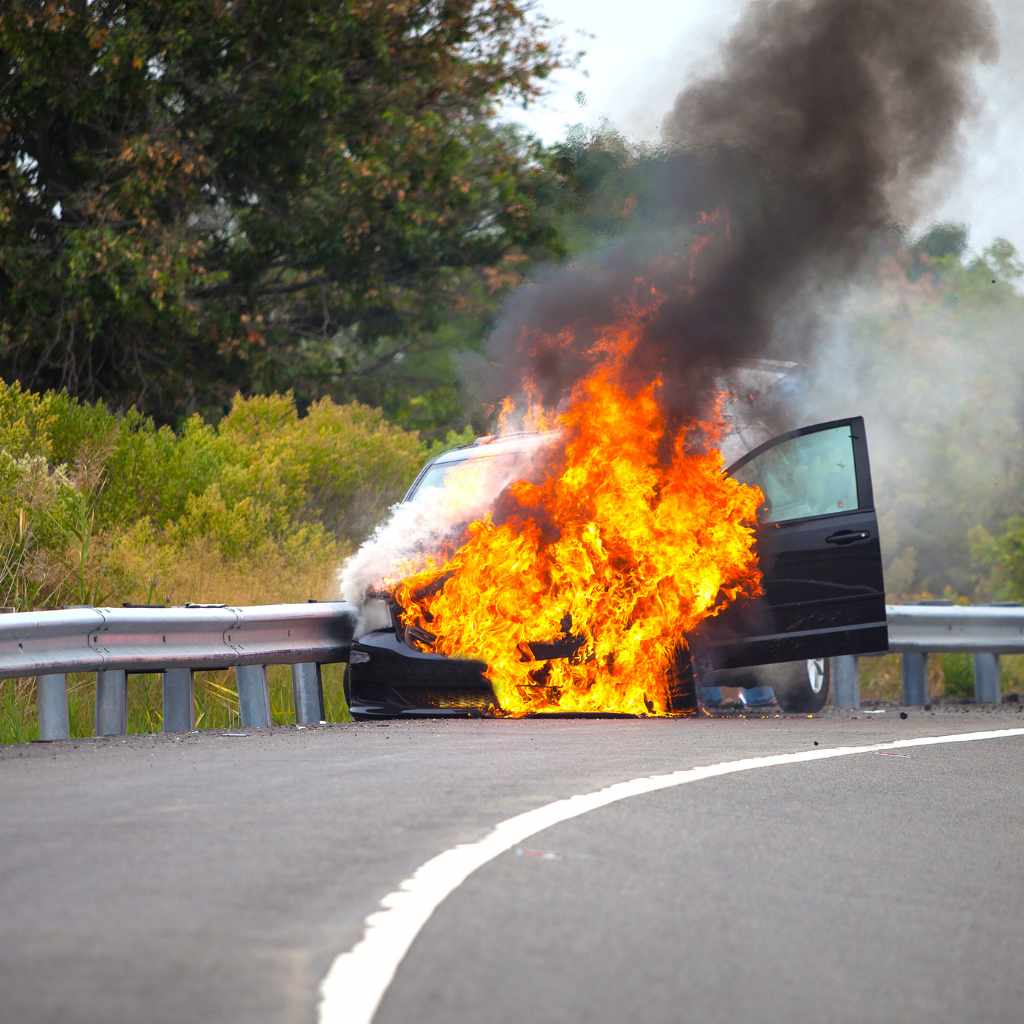
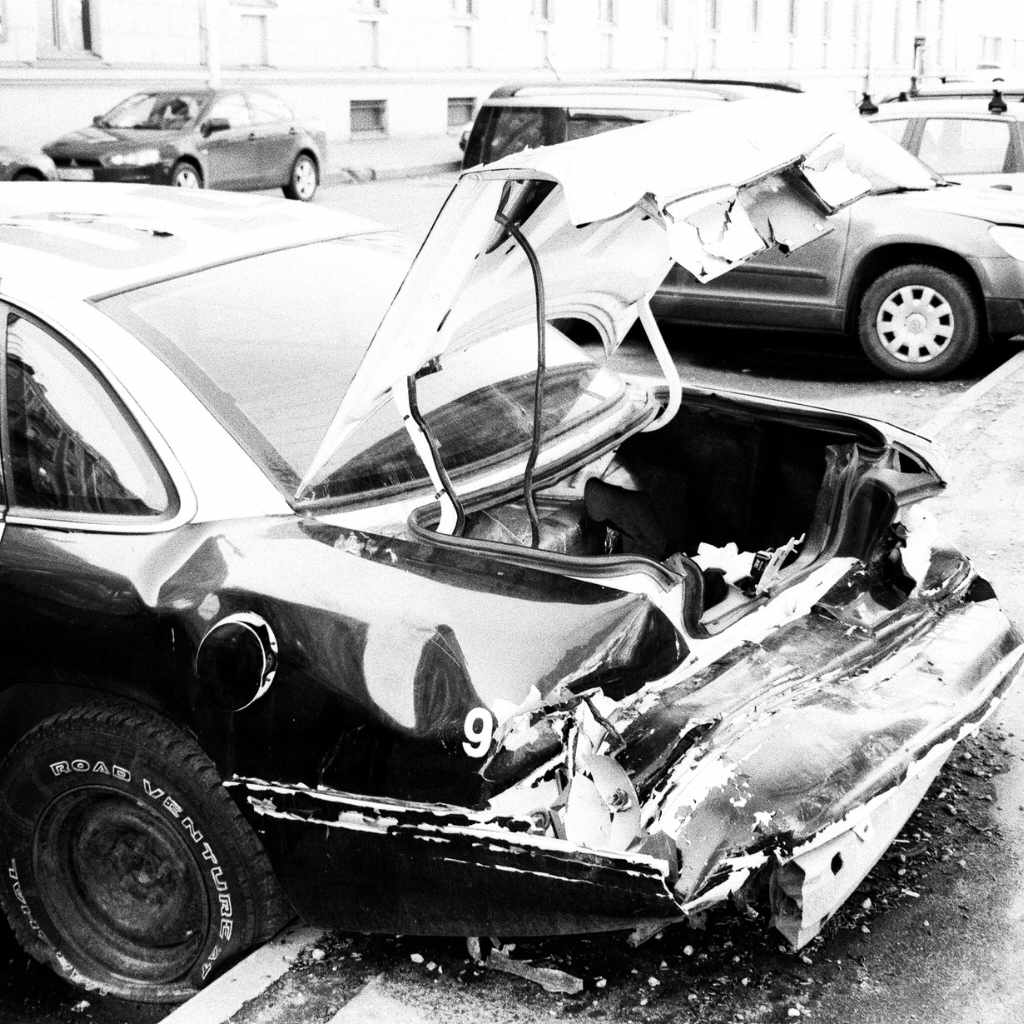
Some areas in the city have more accidents. These places often have confusing road layouts or poor visibility. Drivers must be extra careful at intersections, narrow streets, and busy pedestrian zones. Awareness can reduce accidents in these hotspots.
Air Pollution Impact
City cars produce a lot of air pollution. Exhaust fumes harm the environment and people’s health. Breathing polluted air can cause lung problems and other diseases. Reducing car use and choosing cleaner options helps improve air quality.
Hidden Dangers
Cars in the city come with hidden dangers. These risks are not always clear at first. They can cause accidents and harm people. Knowing these dangers helps drivers and pedestrians stay safe.
Distracted Driving
Drivers often lose focus in busy city streets. Phones, eating, or talking can take their attention away. Even a quick glance can cause a crash. Staying alert is key to avoiding accidents.
Poor Road Conditions
City roads can be full of potholes and cracks. These problems make driving unsafe. Wet or icy roads add more risk. Bad roads can cause cars to skid or break down.
Pedestrian Hazards
Walking in the city is not always safe. Cars may not see pedestrians clearly. Crosswalks and signals are sometimes ignored. Pedestrians must stay alert and use safe paths.
Health Consequences
Cars in cities cause many health problems for people. The air, noise, and stress all affect how we feel and live. Understanding these issues helps us see why cars can be dangerous in busy places.
Health problems from city cars are serious. They affect lungs, ears, and minds. These effects can last a long time and lower life quality for many.
Respiratory Issues
Car exhaust releases harmful gases into the air. These gases include carbon monoxide and nitrogen oxides. Breathing polluted air causes coughing and shortness of breath. Children and elderly people suffer the most. Long-term exposure may lead to asthma and lung disease.
Noise Pollution Effects
Car engines and horns create loud noise in cities. Constant noise can damage hearing over time. It also disturbs sleep and reduces focus. People living near busy roads face higher risks of heart problems. Noise pollution harms both body and mind.
Stress And Mental Health
Traffic jams and honking increase stress levels. High stress harms mental well-being and causes anxiety. Daily exposure to car chaos makes people feel tired and angry. Over time, this stress can lead to depression. Quiet, clean environments support better mental health.
Safety Measures
Safety measures play a big role in making city roads safer for everyone. They help reduce accidents and protect drivers, passengers, and pedestrians. Many steps are taken by governments and communities to improve safety in busy urban areas.
Traffic Regulation
Strict traffic rules guide how cars move in cities. Speed limits, traffic lights, and signs control the flow of vehicles. Police monitor roads to enforce these rules. Penalties for breaking laws keep drivers careful. Clear rules reduce confusion and crashes on the streets.
Improved Infrastructure
Better roads and bridges help prevent accidents. Well-marked lanes and crosswalks make driving safer. Traffic signals and roundabouts manage busy intersections. Street lighting improves visibility at night. Proper road design lowers the risk of collisions.
Public Awareness
Educating people about road safety saves lives. Campaigns teach drivers and pedestrians about dangers. Schools and media share important safety tips. Awareness helps everyone follow rules and stay alert. A well-informed public makes city roads safer.
Alternative Solutions
Cars in the city can cause many problems like traffic jams and pollution. People need other ways to move around that are safer and cleaner. Alternative solutions offer better choices for city travel. These options help reduce danger and improve life quality.
Choosing different transport methods can make cities more peaceful and healthy. These solutions also save money and time for many people. Here are some of the best alternatives to using cars in cities.
Public Transport Benefits
Public transport moves many people at once. It lowers the number of cars on the road. This reduces traffic and air pollution. Buses and trains use less fuel per person than cars. They also help people who do not own cars. Using public transit can save money on gas and parking. It also cuts down on stress from driving in traffic.
Cycling And Walking
Cycling and walking are healthy and free ways to travel short distances. Bikes take up less space than cars. Pedestrians and cyclists create less noise and no pollution. These activities improve fitness and well-being. Cities with good bike lanes and sidewalks are safer. More people choose to walk or bike when paths are clear and protected.
Electric Vehicles
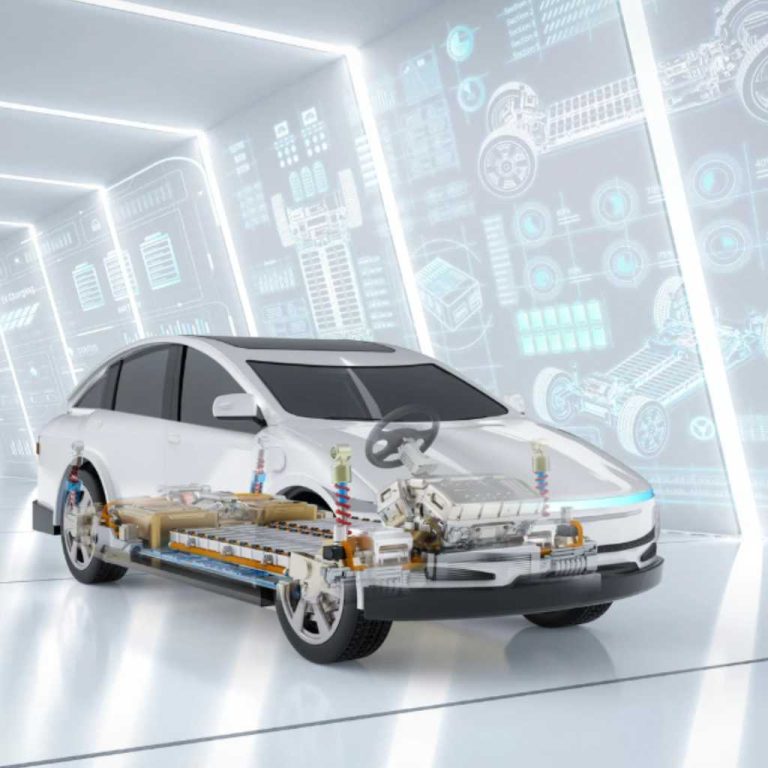
Electric vehicles produce no tailpipe emissions. They reduce air pollution in cities. EVs are quieter than gasoline cars, lowering noise pollution. Charging stations are becoming more common in urban areas. Electric cars help cut down on fossil fuel use. They offer a cleaner option without giving up car convenience.
Frequently Asked Questions
Is Driving Cars In The City More Dangerous?
Yes, city driving is often more dangerous due to heavy traffic, frequent stops, and pedestrian activity. These factors increase accident risks compared to rural areas.
What Are The Main Dangers Of City Cars?
City cars face risks like traffic congestion, distracted drivers, jaywalking pedestrians, and sudden stops. These hazards demand constant attention and quick reactions.
How Can I Stay Safe Driving In The City?
Stay alert, obey traffic rules, avoid distractions, and keep a safe distance from other vehicles. Defensive driving helps reduce city driving risks.
Are Accidents More Common In Urban Areas?
Yes, urban areas report higher accident rates due to dense traffic and complex road layouts, increasing collision chances for city drivers.
Conclusion
Cars in the city bring both convenience and risks. Streets can get crowded and accidents happen fast. Drivers and pedestrians must stay alert all the time. Following traffic rules helps keep everyone safe. Choosing safe routes and driving carefully matters a lot.
Cities also need better planning to reduce dangers. Everyone plays a part in making roads safer. Small actions can prevent serious accidents. Think about safety first before stepping on the road. The city can be safer with care and attention.