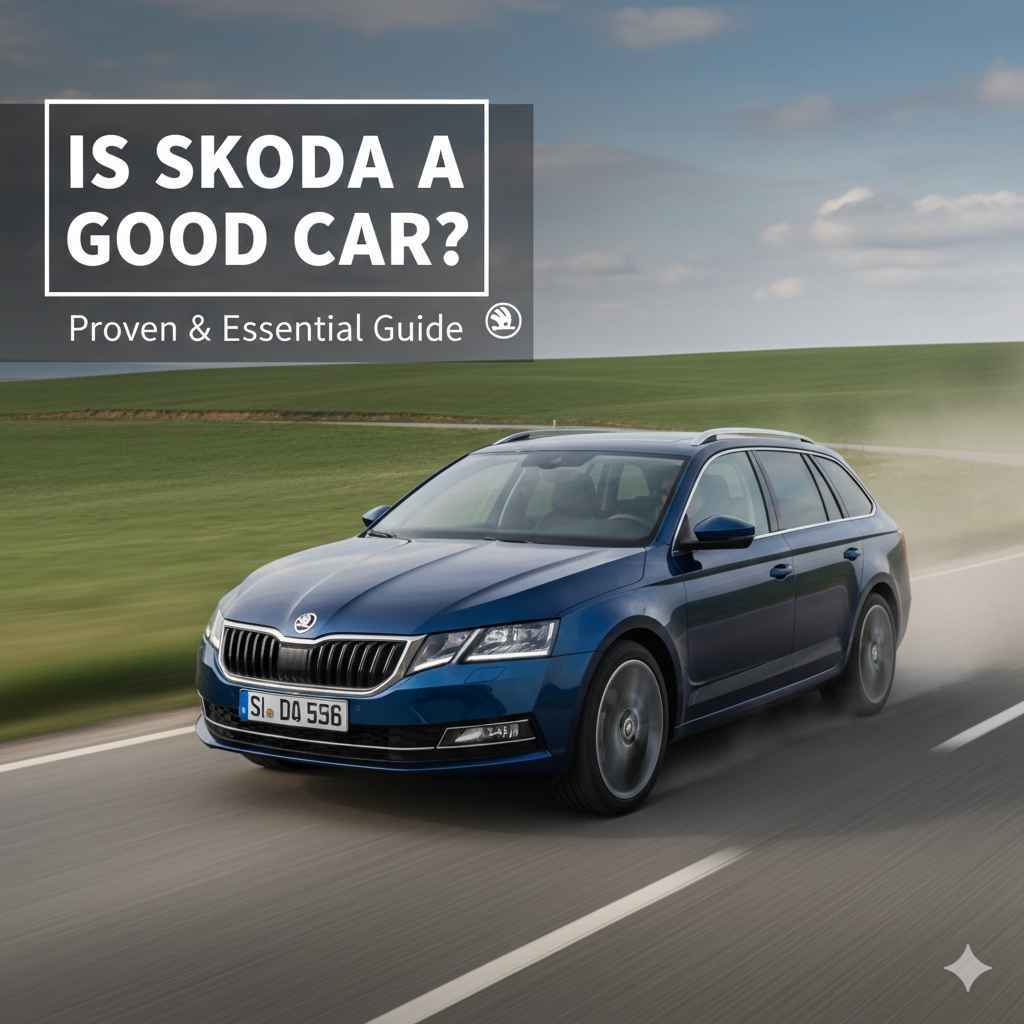
Is Skoda a Good Car? Proven & Essential Guide
Yes, Skoda is generally considered a good car, offering strong value, practical design, and robust build quality, especially within the Volkswagen Group. They blend efficiency and modern features with a focus on spacious interiors and smart, simple solutions, making them a reliable choice for everyday drivers.
Are you curious about Skoda cars? You might be wondering if they’re a solid choice for your next vehicle. It’s totally normal to feel a bit unsure when looking at a new car brand, especially when there are so many options out there. Many drivers want a car that’s dependable, easy to live with, and doesn’t break the bank on repairs. If you’re nodding along, you’re in the right place! We’re here to break down what makes a Skoda tick and why it could be the perfect fit for you. Get ready to discover how Skoda stacks up!
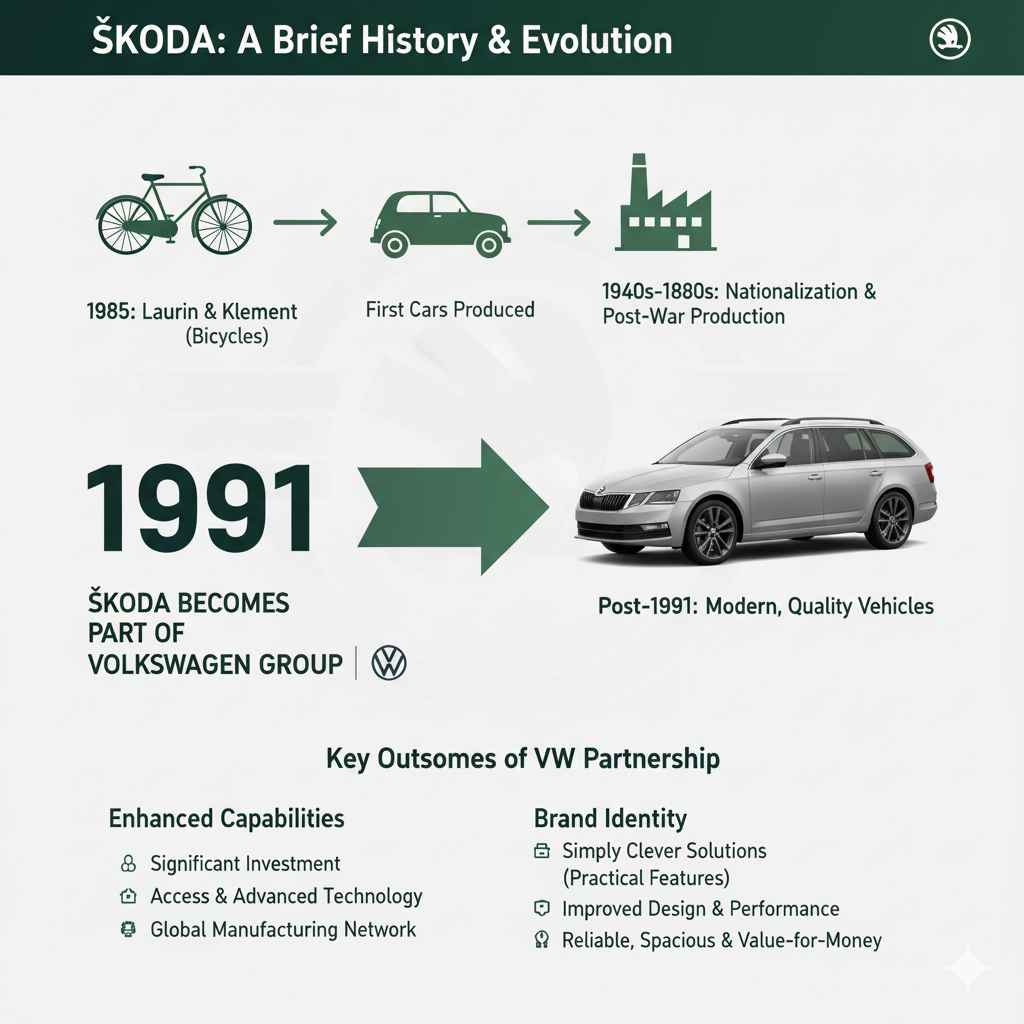
Skoda: A Brief History and Evolution
Skoda Auto is one of the oldest car manufacturers in the world, with a history stretching back to 1895. Originally a bicycle manufacturer, Laurin & Klement, the company began producing automobiles in 1905. Over the decades, Skoda has seen significant changes, including periods of nationalization and privatization. A pivotal moment came in 1991 when Skoda became a subsidiary of the Volkswagen Group. This partnership brought substantial investment, access to advanced technology, and integration into a global manufacturing network.
This acquisition marked a transformation for Skoda. Previously known for often basic and utilitarian vehicles, Skoda cars began to evolve, incorporating better design, improved performance, and more modern features. Despite being part of a major automotive conglomerate, Skoda has maintained its distinct identity. It focuses on offering “simply clever” solutions – smart, practical features designed to make everyday driving easier. This philosophy, combined with the engineering prowess and quality standards of the Volkswagen Group, has helped Skoda build a reputation for producing reliable, spacious, and value-for-money vehicles.
Why Skoda Cars Stand Out: The “Simply Clever” Approach
Skoda’s motto, “Simply Clever,” isn’t just a catchy slogan; it’s a core philosophy that influences their car designs. This means they focus on practical, user-friendly innovations that address common everyday annoyances or needs. You’ll find ingenious solutions in a Skoda that you might not expect in other cars.
Here are some examples of their “Simply Clever” features:
- Ice Scraper in the Fuel Filler Cap: A classic Skoda feature, this small but incredibly useful tool means you’ll never be caught without a way to clear your windshield in winter.
- Ticket Holder on the A-Pillar: A small clip designed to hold your parking ticket or toll road pass within easy reach.
- Removeable Cargo Cover: Many Skoda models offer cargo covers that can be easily detached and stored, providing more flexibility for carrying larger items.
- Double-Sided Boot Floor: Some models feature a reversible boot floor – one side carpeted for keeping things clean, the other rubberized for messy loads like sports gear or wet boots.
- Door Edge Protection: Integrated strips that automatically extend to prevent door edges from damaging other cars or walls when opening.
- Storage Compartments: Thoughtful placement of various cubbies, bins, and nets throughout the cabin to keep your essentials organized.
These small touches demonstrate Skoda’s commitment to making cars that are not just transportation, but also practical companions for your daily life. They reflect a design philosophy that prioritizes functionality and user experience.
Skoda’s Place in the Volkswagen Group Ecosystem
Understanding Skoda’s position within the Volkswagen Group (VW Group) is key to understanding their quality and engineering. The VW Group is one of the world’s leading automobile manufacturers, owning brands like Volkswagen, Audi, SEAT, and Porsche, among others. Skoda benefits immensely from this association.
Here’s how the VW Group structure impacts Skoda:
- Shared Platforms and Technology: Skoda models often share underlying platforms, engines, and much of the technology found in their Volkswagen, Audi, and SEAT counterparts. For example, the Skoda Octavia shares its platform with the Volkswagen Golf. This means Skoda cars benefit from years of research, development, and proven engineering.
- Quality Control and Manufacturing Standards: The VW Group enforces stringent quality control measures across all its brands. Skoda vehicles are built to the same high standards of safety, durability, and finish as other premium brands within the group.
- Cost Efficiency: By sharing development costs and production lines, the VW Group can achieve economies of scale. This allows Skoda to offer vehicles that are often comparably equipped to premium brands but at a more accessible price point.
- Innovation and R&D: Skoda has access to the collective research and development efforts of the entire VW Group. This includes advancements in areas like safety systems, infotainment, and powertrain technology, including the growing focus on electric vehicles.
Essentially, when you buy a Skoda, you’re getting a car built with the backing of a global automotive giant, offering a blend of practicality, innovation, and robust engineering, often at a more competitive price than its direct siblings from other VW Group brands.
Performance and Driving Experience of Skoda Cars
Skoda cars are known for their comfortable and refined driving experience. They tend to prioritize a smooth ride and stable handling, making them excellent for long journeys and everyday commuting. While they might not be the sportiest cars on the market, their performance is more than adequate for typical driving needs, and they provide a reassuring and predictable feel behind the wheel.
Engine Options: Skoda offers a range of petrol and diesel engines, many of which are shared across the VW Group. These powerplants are generally well-regarded for their blend of efficiency and performance. For example, the TSI petrol engines are known for their good fuel economy and responsive low-end torque, while the TDI diesel engines offer strong pulling power and excellent long-distance efficiency.
Transmission: Depending on the model and trim level, Skodas can be found with efficient manual transmissions or the popular DSG (Direct-Shift Gearbox) automatic transmission. The DSG offers smooth, quick gear changes and can contribute to better fuel economy.
Ride and Handling: Skoda vehicles are typically tuned for comfort. The suspension is designed to absorb road imperfections well, providing a relaxed driving environment. While the handling is secure and predictable, Skoda’s focus is generally not on sharp, sporty cornering, but rather on safe and stable progress. This makes them very user-friendly and confidence-inspiring for drivers of all experience levels. For those seeking a slightly sportier feel, models like the vRS (performance variants) offer enhanced dynamics and more powerful engines.
Fuel Efficiency: Thanks to modern engine technology and aerodynamic designs, Skoda cars generally offer competitive fuel economy figures. Their efficient powertrains help keep running costs down, which is a significant advantage for budget-conscious owners.
Reliability and Build Quality of Skoda Vehicles
One of the most common questions is: “Is Skoda a reliable car?” The answer is a resounding yes. Thanks to their integration into the Volkswagen Group and the stringent quality standards that come with it, Skodas are known for their robust build quality and reliability.
Here’s what contributes to their reputation for reliability:
- Volkswagen Group Engineering: As mentioned, Skodas utilize the same platforms, engines, and many components found in other VW Group vehicles. These are proven technologies that have undergone rigorous testing and development.
- Solid Construction: Drivers often comment on the solid feel of Skoda cars. Panel gaps are usually consistent, interior materials feel durable (even if not always as soft as premium rivals), and the overall impression is one of a well-built vehicle designed to last.
- Safety Features: Skoda prioritizes safety and equips its cars with a comprehensive array of active and passive safety systems. Many models have achieved excellent safety ratings from organizations like Euro NCAP, giving owners peace of mind. You can explore Euro NCAP’s safety ratings here.
- Long-Term Durability: With regular maintenance, Skodas tend to hold up well over many years and miles. They are built to withstand the rigors of daily use and are a sensible choice for those looking for a dependable long-term companion.
While no car is entirely immune to occasional issues, Skoda’s overall track record for reliability is strong, and they often perform well in owner satisfaction surveys.
Maintenance and Running Costs
A crucial aspect of car ownership is understanding the ongoing costs. Skoda cars generally strike a good balance between the benefits of VW Group engineering and more accessible running costs compared to premium brands within the same group, like Audi.
Servicing: Regular servicing is vital for any car’s longevity. Skoda offers a range of service packages and uses many common parts within the VW Group. This can make sourcing parts and finding qualified mechanics easier. Many independent garages are also experienced in servicing Skoda vehicles, which can be more affordable than dealership servicing.
Parts Availability: Thanks to the widespread nature of the VW Group, parts for Skodas are generally readily available. This reduces the potential for lengthy repair times due to waiting for obscure components.
Fuel Costs: As discussed, Skoda models are typically quite fuel-efficient, thanks to modern engine technology. The exact cost will, of course, depend on your driving habits and the specific model and engine chosen.
Insurance and Tax: Insurance and road tax costs will vary widely based on the specific Skoda model, engine size, your location, driving history, and age. However, broadly speaking, Skodas often fall into competitive insurance groups, and their efficient engines can lead to lower annual road tax bills. It’s always recommended to get specific quotes for any vehicle you are considering.
Warranty: Skoda typically offers a manufacturer’s warranty, which provides coverage for a certain period or mileage. This is an important consideration for new car buyers, offering protection against unexpected repair costs. You can find details on current warranty offerings on the official Skoda UK website or your local Skoda website.
Popular Skoda Models and Their Strengths
Skoda offers a diverse range of models to suit different needs. Here are some of their most popular and well-regarded vehicles:
Here’s a quick look:
| Model | Body Style | Key Strengths |
|---|---|---|
| Kamiq | Compact SUV | Agile for city driving, good visibility, spacious for its size, practical features. |
| Karoq | Mid-size SUV | Versatile interior (VarioFlex seats), comfortable ride, good boot space, balanced performance. |
| Kodiaq | Large SUV (7-Seater option) | Very spacious, excellent for families, comfortable for long journeys, robust build, strong practicality. |
| Fabia | Supermini | Class-leading boot space for its segment, comfortable, well-equipped, fuel-efficient. |
| Scala | Compact Hatchback | Generous rear legroom, large boot, comfortable and refined, good value. |
| Octavia | Family Car (Hatchback/Estate) | Massive boot space, cavernous interior, excellent ride comfort, versatile and practical, great all-rounder. |
| Superb | Executive Car (Hatchback/Estate) | Enormous cabin space, vast boot, luxurious feel for the price, comfortable and composed on the road. |
Each model embodies the Skoda spirit of offering more car for your money, with a focus on practicality, comfort, and intelligent design.
Skoda vs. Competitors: Where Does It Fit?
Skoda cars often compete in segments where brands like Ford, Vauxhall (Opel), Hyundai, Kia, and even some mainstream Volkswagen and SEAT models operate. Compared to these rivals, Skoda typically excels in offering superior interior space and boot capacity, along with those unique “Simply Clever” features.
Strengths Against Competitors:
- Space: Skodas, particularly the Octavia and Superb, often have interior and boot space that rivals cars from segments above.
- Value: They frequently offer a compelling package of features, quality, and practicality for their price point, often giving more for your money than direct rivals.
- Ride Comfort: Skodas are generally tuned for a comfortable, refined ride, which can be preferable for those who prioritize comfort over sporty handling.
- Practicality: The “Simply Clever” features and overall design ethos focus heavily on making the car easy and practical to use daily.
Considerations:
- Driving Dynamics: While solid and predictable, Skodas are rarely the most engaging cars to drive dynamically in their class. If you prioritize a sporty driving feel above all else, some competitors might offer a slightly more spirited experience.
- Brand Perception: While rapidly growing, Skoda may not always have the same premium brand image or perceived prestige as German rivals like Volkswagen or Audi, though this is often a matter of personal preference rather than objective quality.
Overall, Skoda car buyers are often those who appreciate substance over flash, prioritizing intelligent design, practicality, and value without compromising on quality or reliability.
Are Skodas Safe Cars?
Absolutely. Safety is a top priority for Skoda, and this is reflected in their modern vehicle designs and technology.
Here’s why Skodas are considered safe:
- Euro NCAP Ratings: Most Skoda models achieve the highest possible safety ratings from the European New Car Assessment Programme (Euro NCAP). This independent organization rigorously tests vehicles for adult occupant protection, child occupant protection, pedestrian protection, and safety assist systems. You can check specific model ratings on the Euro NCAP website.
-
Advanced Safety Systems: Modern Skodas are equipped with a suite of active and passive safety features. These can include:
- Multiple airbags (front, side, curtain)
- Anti-lock Braking System (ABS)
- Electronic Stability Control (ESC)
- Automatic Emergency Braking (AEB)
- Lane Keeping Assist
- Blind Spot Monitoring
- Adaptive Cruise Control
- Multiple ISOFIX points for child seats
- Robust Construction: The high-strength steel used in their construction and the overall build quality contribute to a strong passenger safety cell in the event of a collision.
Skoda’s commitment to safety means you can feel confident and secure when driving one, whether it’s for short city trips or long family holidays.
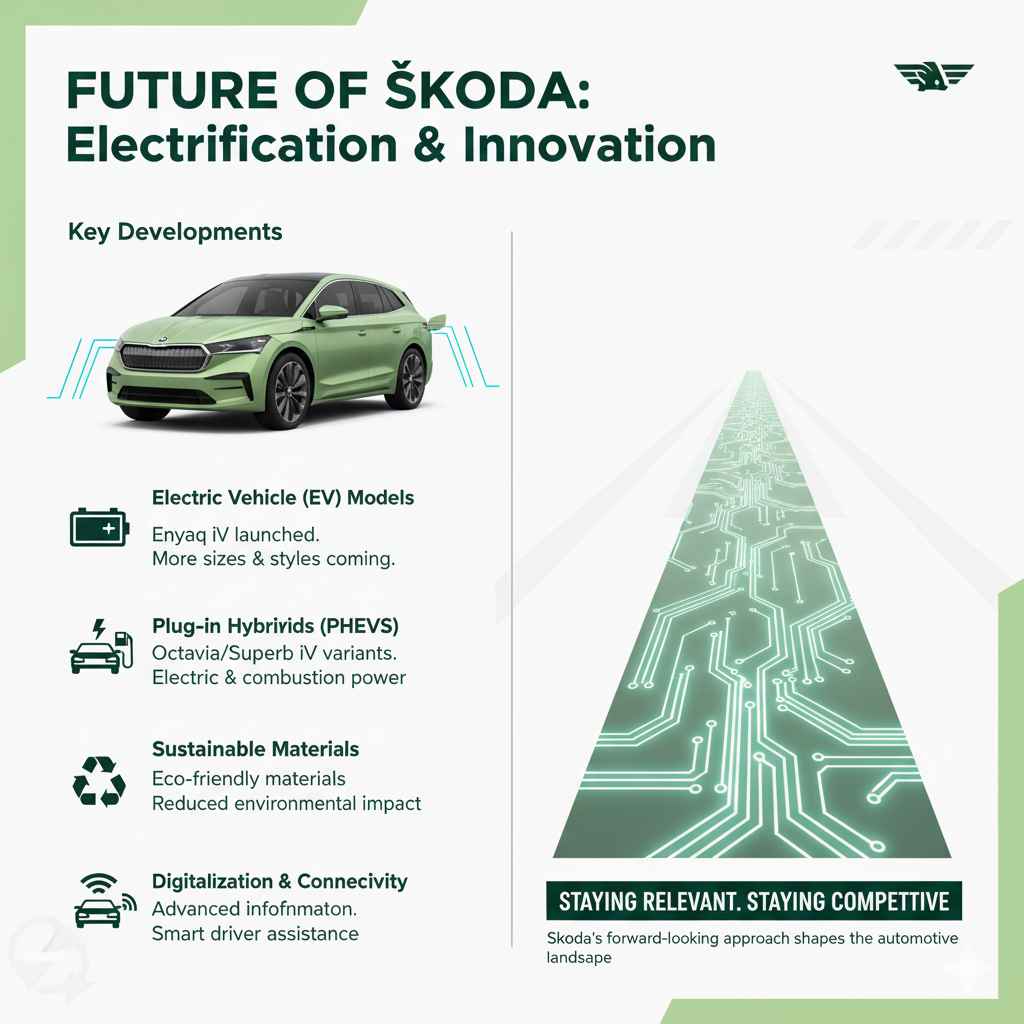
Future of Skoda: Electrification and Innovation
Like all major automakers, Skoda is heavily investing in the future of mobility. The company is committed to expanding its range of electric and plug-in hybrid vehicles, in line with the VW Group’s overall electrification strategy.
Key developments include:
- Electric Vehicle (EV) Models: Skoda has already launched its first all-electric SUV, the Enyaq iV. They plan to introduce more EVs in the coming years, offering different sizes and body styles to cater to a wider audience.
- Plug-in Hybrids (PHEVs): Models like the Octavia and Superb are available in plug-in hybrid variants (iV models), combining electric power with a traditional combustion engine for reduced emissions and improved fuel economy on shorter journeys.
- Sustainable Materials: Skoda is also exploring the use of more sustainable and recycled materials in the construction of their vehicles, further contributing to environmental responsibility.
- Digitalization and Connectivity: Expect to see continued advancements in infotainment systems, driver assistance technologies, and connectivity features, making Skoda cars more intelligent and user-friendly.
This forward-looking approach ensures that Skoda will remain a relevant and competitive brand as the automotive landscape continues to evolve.
Conclusion: Is Skoda a Good Car for You?
So, to sum it up, is Skoda a good car? The evidence strongly suggests yes. They offer a compelling blend of practicality, solid engineering inherited from the Volkswagen Group, genuine value for money, and clever, user-friendly design. If you’re looking for a reliable, spacious, and well-built car that’s easy to live with day-to-day and won’t cost a fortune to run, Skoda is definitely a brand worth considering.
Whether you need a compact city car, a spacious family SUV, or a comfortable executive saloon, Skoda has a model that likely fits the bill. Their “Simply Clever” philosophy translates into tangible benefits that real drivers appreciate. Combined with strong safety credentials and an increasing commitment to future technologies like electric power, Skoda is a modern automotive brand that delivers on its promises. You’re not just buying a car; you’re investing in a practical, sensible, and reliable companion for your journey.