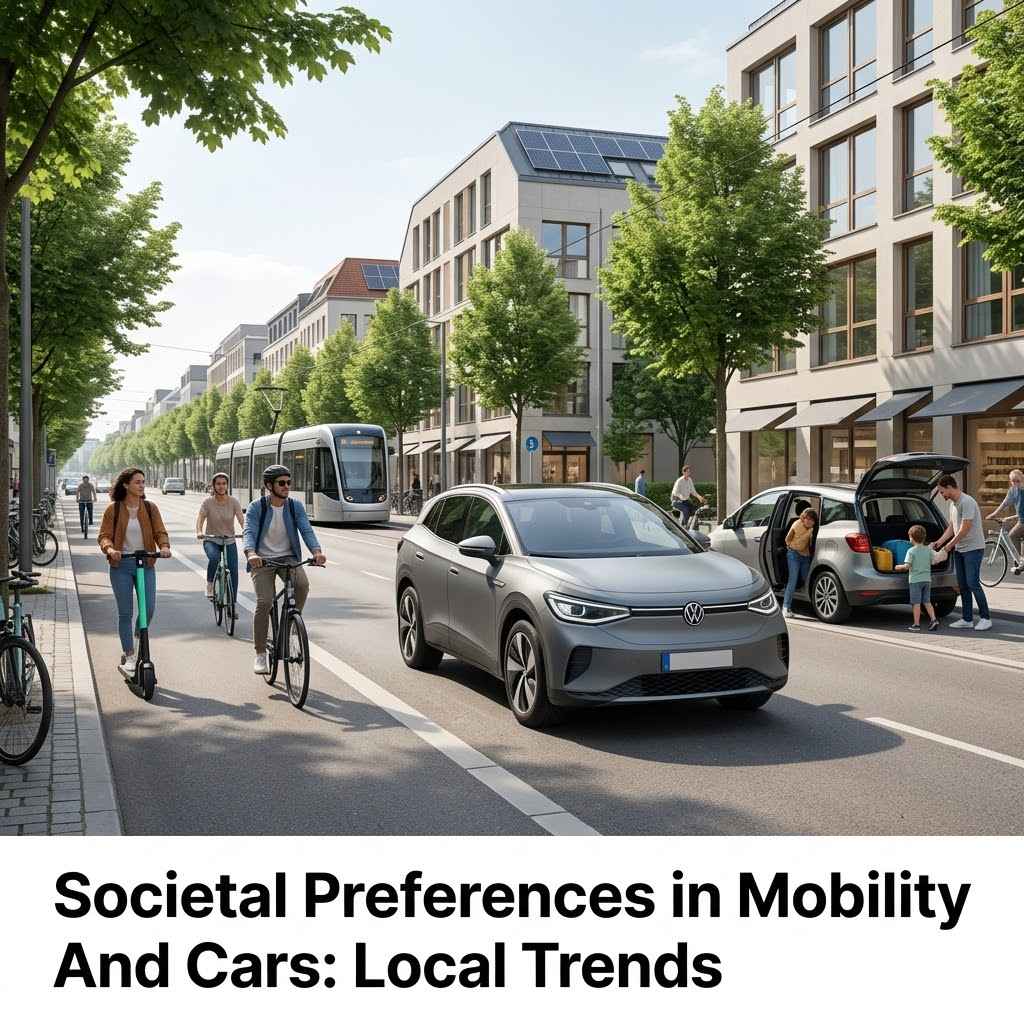
Societal Preferences in Mobility And Cars: Local Trends
Understanding Societal Preferences in Mobility and Cars: Local Trends 2026 might seem tricky at first. Many people wonder how to even start looking into this. But don’t worry! We’ll break it down simply, step by step, to make it easy for you. Get ready to learn about what people want in how they get around and the cars they drive.
Shifting Mobility And Car Preferences
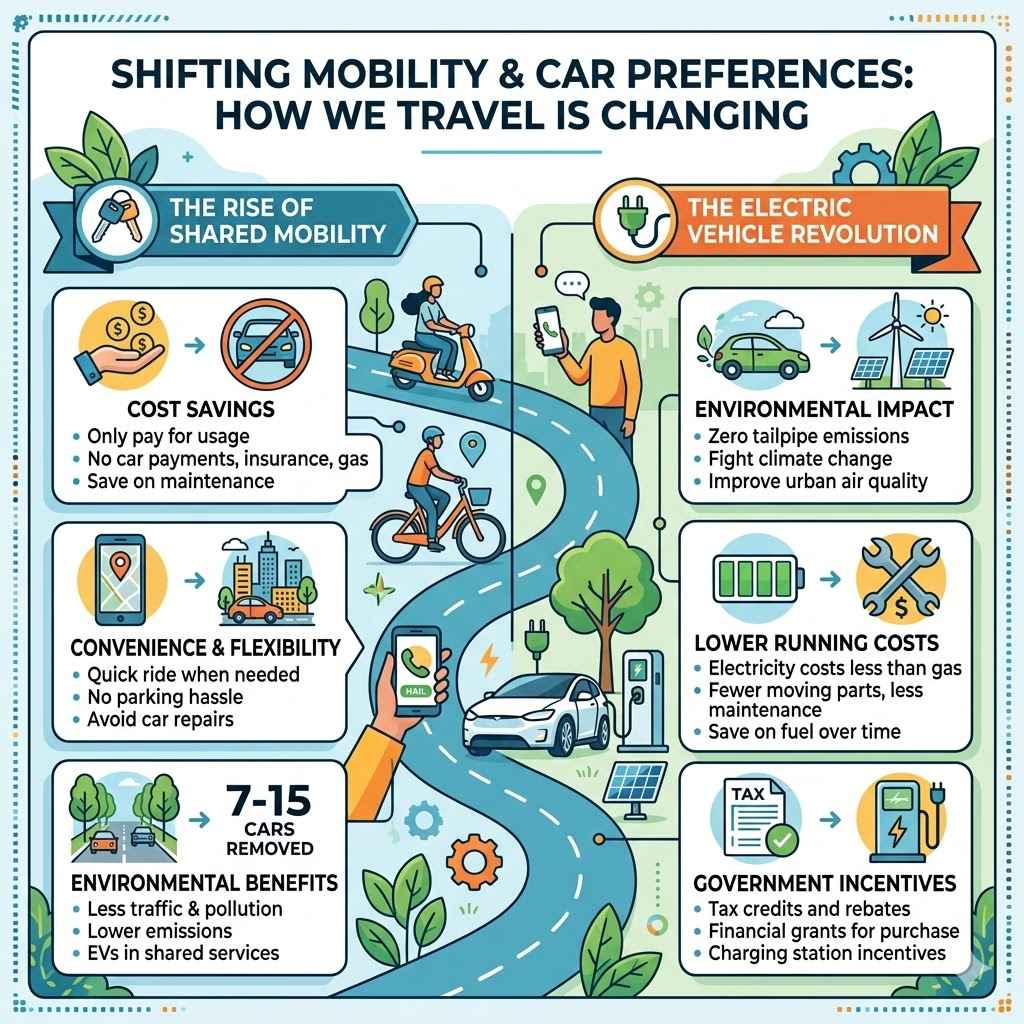
This section looks at how what people want from their cars and how they travel is changing. It’s about more than just buying a new car; it’s about how we think about getting from one place to another. These changes are driven by many things, like new technologies, environmental concerns, and how our cities are built. We will explore the different ideas people have about cars and travel, and what they hope for in the future. This helps us see why certain trends are becoming popular.
The Rise Of Shared Mobility
Shared mobility means using transportation services that you don’t own yourself. Think about ride-sharing apps like Uber or Lyft, or car-sharing services where you can rent a car for a short time. Bike-sharing and scooter-sharing programs also fall into this category. These options are growing because they can be cheaper and more convenient for some people than owning a car. They also help reduce the number of cars on the road, which can ease traffic and pollution.
Cost Savings
Using shared mobility can save money. Instead of paying for car payments, insurance, gas, and maintenance, you only pay for what you use. This can be a big plus for people who don’t drive very often.
For example, someone living in a city might use ride-sharing for work trips and public transport for daily errands. This could cost much less than owning, insuring, and fueling a car that sits parked most of the time. This financial benefit is a major driver for many users.
Convenience And Flexibility
Shared services offer a lot of flexibility. You can often find a car or a ride quickly when you need one. You don’t have to worry about finding parking or dealing with car repairs.
Imagine a family visiting a new city. They can easily use ride-sharing to visit different attractions without the stress of renting a car or figuring out local parking rules. This makes their trip more enjoyable and less complicated.
Environmental Benefits
When more people use shared mobility, fewer cars are on the road. This means less traffic congestion and lower emissions from vehicles. Many shared services also use electric vehicles, which are better for the air we breathe.
Studies show that for every car-sharing vehicle, about 7 to 15 cars can be removed from the road. This significantly reduces the overall carbon footprint of transportation in urban areas.
The Electric Vehicle Revolution
Electric vehicles, or EVs, are cars that run on electricity instead of gasoline. They are becoming more popular for several reasons. EVs are quieter, produce zero tailpipe emissions, and can be cheaper to run because electricity is often less expensive than gas. The technology for EVs is improving rapidly, with batteries lasting longer and charging faster.
Environmental Impact
One of the biggest draws of EVs is their positive environmental impact. They don’t burn fossil fuels, so they don’t release harmful gases like carbon dioxide or nitrogen oxides into the atmosphere. This helps combat climate change and improve air quality in cities.
The transportation sector is a major contributor to greenhouse gas emissions. Switching to EVs is a key step in reducing this contribution. Many governments offer incentives to encourage people to buy EVs to speed up this transition.
Lower Running Costs
EVs can be significantly cheaper to operate than gasoline cars. The cost of electricity per mile is generally lower than the cost of gasoline. Also, EVs have fewer moving parts, meaning less maintenance is needed. There are no oil changes, spark plug replacements, or exhaust system repairs.
A typical gasoline car might cost around $1,200 per year in fuel and maintenance. An electric car, depending on electricity rates and driving habits, could cost closer to $600 per year. This saving adds up over the life of the vehicle.
Government Incentives And Support
Many countries and local governments are promoting EV adoption through financial incentives. These can include tax credits, rebates, and grants for purchasing an EV. There are also often incentives for installing home charging stations.
For instance, a federal tax credit of up to $7,500 is available for new qualifying EVs in the United States. Many states offer additional rebates, making the upfront cost of an EV much more comparable to a traditional car.
Local Trends In Societal Preferences For Mobility And Cars
What people want in their daily travel and car choices can be very different depending on where they live. Local conditions like city layout, public transport availability, and local government policies play a big role. Understanding these local differences is key to seeing the full picture of Societal Preferences in Mobility and Cars: Local Trends 2026.
Urban Versus Suburban Mobility Needs
Cities often have good public transportation, making it possible for people to live without a car. Suburbs, on the other hand, are usually more spread out, and a car is often necessary. This difference affects what people need and want from their travel options.
Urban Living
In big cities, parking is expensive and difficult. Traffic can be very bad, making driving slow and frustrating. Many city dwellers prefer to walk, cycle, or use public transport like buses and trains.
A survey in downtown Chicago found that over 60% of residents use public transportation as their primary way to commute to work, showing a strong preference for alternatives to personal car use in dense urban environments.
Suburban Commuting
Suburban life often means longer distances to travel for work, shopping, and activities. This makes cars very important. People in suburbs tend to look for cars that are comfortable for longer drives and can carry families and their gear.
In areas like Orange County, California, which is characterized by sprawl, car ownership rates are significantly higher than in major urban centers like New York City. This highlights the necessity of personal vehicles for daily life.
Emerging Micromobility Solutions
Even in suburbs, there’s a growing interest in smaller, personal electric vehicles like e-scooters and e-bikes. These are great for short trips, like going to the local store or to a transit station. They offer a fun and eco-friendly way to get around.
Cities are increasingly investing in infrastructure for micromobility, such as dedicated bike lanes and scooter parking zones. This encourages their use and makes them a more viable option for many residents.
The Influence Of Environmental Awareness
More and more people are concerned about the environment. This means they are thinking about how their choices affect the planet. This concern is changing the types of cars they want and how they choose to travel. They want cleaner options.
Demand For Sustainable Choices
People are actively seeking out options that are better for the environment. This includes choosing electric cars, or even cars that use less fuel. They also prefer using public transport or bikes when possible.
A recent report indicated that over 70% of car buyers consider fuel efficiency and environmental impact when making a purchase decision. This shows a clear trend towards sustainability in the automotive market.
Growth Of Public Transportation Investment
Governments and cities are investing more in public transportation. This includes building new train lines, improving bus services, and making transit more accessible. The goal is to offer people attractive alternatives to driving.
Cities like Portland, Oregon, have seen a significant increase in public transit ridership following major investments in light rail and bus rapid transit systems, demonstrating the impact of improved services.
Support For Green Infrastructure
There is growing support for building more bike lanes, pedestrian walkways, and charging stations for electric vehicles. This infrastructure makes it easier and safer for people to choose greener ways to travel.
Cities that have invested heavily in bike lane networks, like Copenhagen or Amsterdam, often report higher rates of cycling for daily commutes and recreational purposes.
Technological Advancements Shaping Preferences
New technologies are constantly changing how we think about cars and travel. From self-driving features to better navigation systems, technology is making transportation safer, more convenient, and more enjoyable.
Autonomous Driving Features
Cars are getting smarter with features like adaptive cruise control, lane-keeping assist, and even full self-driving capabilities. These technologies aim to reduce accidents and make driving less stressful.
Advanced driver-assistance systems (ADAS) are now standard in many new vehicles. These systems use sensors and cameras to help drivers avoid collisions and stay within their lanes.
Connectivity And Infotainment
Cars are becoming more connected. They can link to our phones, stream music, and provide real-time traffic information. Advanced infotainment systems make driving more entertaining and informative.
Apple CarPlay and Android Auto have become highly sought-after features, allowing drivers to seamlessly integrate their smartphone apps into the car’s display for navigation, music, and communication.
Data And Personalization
Cars are collecting more data than ever before. This data can be used to personalize the driving experience, from adjusting seat positions to suggesting preferred routes. It can also help improve traffic flow and urban planning.
Car manufacturers are using data analytics to understand driver behavior and preferences, which helps them design vehicles that better meet consumer needs and expectations.
Analyzing The Impact On Car Design And Manufacturing
The changing desires of people affect how car companies design and build their vehicles. They need to keep up with what consumers want. This means making cars that are greener, smarter, and fit different lifestyles.
Focus On Sustainability And Efficiency
Car makers are paying more attention to making cars that are good for the environment. This includes using recycled materials and making engines more fuel-efficient. The shift towards electric and hybrid vehicles is a big part of this.
Use Of Recycled Materials
Many car manufacturers are incorporating recycled plastics, metals, and even textiles into their vehicles. This reduces waste and the need to create new materials from scratch.
For example, some car seats are now made from recycled plastic bottles, and interior trim pieces can be made from reclaimed rubber or plastics.
Fuel Efficiency Standards
Governments set strict rules for how fuel-efficient cars must be. Car companies work hard to meet these standards. This pushes them to innovate and create engines that use less fuel or electricity.
The average fuel economy for new passenger cars sold in the US has steadily increased over the past decade, partly due to these regulatory requirements.
Development Of Alternative Fuels
While electric is leading, companies are also looking at other fuels like hydrogen. These could be options for certain types of vehicles or for areas where electric charging is difficult.
Hydrogen fuel cell vehicles produce only water vapor as a byproduct, offering a clean alternative for heavy-duty transport and long-range applications.
Adaptability For Different Lifestyles
Cars are being designed to fit more than just the traditional family. There are now small, efficient cars for city dwellers, larger SUVs for families, and specialized vehicles for outdoor adventurers. The interior design is also changing to be more flexible.
Modular Interior Designs
Car interiors are becoming more adaptable. Seats can be folded or removed easily to create more cargo space. This makes it simple to switch between carrying passengers and hauling goods.
Many modern SUVs and minivans offer “fold-flat” seating configurations, allowing for a completely flat cargo area that can accommodate large items.
Compact Urban Vehicles
For people living in cities, smaller cars are very popular. They are easier to park, use less fuel, and are more affordable. Some are even designed for just one or two people.
The trend towards micro-mobility also influences car design, with some manufacturers exploring very small, electric, single-person vehicles for short urban commutes.
Catering To Outdoor Enthusiasts
There’s a growing market for vehicles designed for outdoor activities. These often have features like higher ground clearance, four-wheel drive, and cargo racks for bikes, skis, or camping gear.
Brands are offering adventure-focused trims on their SUVs and trucks, which include specialized tires, skid plates, and suspension upgrades to handle off-road conditions.
The Role Of Digital Integration
Cars are becoming like rolling computers. They have advanced software that controls everything from the engine to the entertainment system. This digital integration makes cars smarter and more useful.
Over-The-Air Updates
Just like your smartphone, cars can now receive software updates wirelessly. This means new features can be added, and problems can be fixed without you needing to visit a dealership.
Tesla pioneered over-the-air (OTA) updates, allowing for continuous improvement of vehicle performance, safety features, and infotainment systems remotely.
Advanced Navigation Systems
Navigation systems in cars are more sophisticated than ever. They provide real-time traffic updates, suggest alternative routes, and can even help you find parking spots.
Many modern GPS systems integrate with cloud-based services to provide live traffic data, estimated arrival times, and even information about available parking spaces at your destination.
Vehicle-To-Everything (V2X) Communication
This is a cutting-edge technology where cars can talk to other cars (V2V), to infrastructure like traffic lights (V2I), and even to pedestrians (V2P). This has the potential to make roads much safer.
V2X communication can warn drivers about hazards around blind corners, prevent collisions at intersections, and help traffic signals adapt to changing traffic flow.
Future Outlook For Societal Preferences In Mobility And Cars Local Trends 2026
Looking ahead, the way people want to travel and the cars they want will continue to change. We expect to see even more focus on sustainable options, advanced technology, and services that offer flexibility. Local preferences will remain very important in shaping these trends.
Increasing Adoption Of Electric And Autonomous Vehicles
The trend towards electric vehicles (EVs) is expected to grow even stronger. As battery technology improves and more charging stations become available, more people will switch to EVs. Autonomous driving technology will also advance, making cars safer and more convenient.
EV Market Growth Projections
Analysts predict that electric vehicles will make up a significant portion of new car sales in the coming years. Many countries are setting targets to phase out the sale of new gasoline cars.
According to the International Energy Agency, global electric car sales are projected to continue their rapid growth, potentially reaching over 30% of all new vehicle sales by 2030.
Progress In Self-Driving Technology
While fully autonomous cars for everyone may still be some time away, advanced driver-assistance systems will become more common. These systems offer features that help drivers and improve safety.
Companies are investing heavily in research and development for autonomous driving, focusing on improving sensor technology, artificial intelligence, and safety protocols.
Integration Of Mobility Services
We will likely see more integration between different forms of transportation. This could mean apps that let you plan a trip using a combination of public transport, ride-sharing, and bike-sharing.
Mobility-as-a-Service (MaaS) platforms aim to provide a single, integrated platform for users to access various transportation options, simplifying urban travel planning.
Greater Emphasis On Personalization And User Experience
Car manufacturers will focus on making the car a more personalized space. This means interiors that adapt to individual needs and technology that offers a seamless experience. The focus will be on making the time spent in a car more productive or enjoyable.
Customizable Vehicle Interiors
Expect car interiors to become more like living spaces. Features like adjustable lighting, advanced sound systems, and flexible seating arrangements will be common.
Innovations in smart materials and configurable seating will allow users to transform their car’s interior to suit different purposes, such as work, relaxation, or entertainment.
Intuitive Digital Interfaces
The way we interact with car technology will become even more natural. Voice commands, gesture controls, and personalized dashboards will make operating a car’s features easier.
Brands are developing more sophisticated AI-powered voice assistants that can understand complex commands and anticipate driver needs, offering a more intuitive user experience.
Data-Driven Service Offerings
The data collected from vehicles will be used to offer more personalized services. This could include proactive maintenance alerts, customized insurance plans, or location-based recommendations.
Vehicle data can be used to provide drivers with personalized insights into their driving habits, fuel efficiency, and potential maintenance needs, helping them optimize their car’s performance and longevity.
The Continued Importance Of Local Context
Even as technology advances, local conditions will continue to shape mobility preferences. The availability of public transport, city planning, and local environmental policies will all play a role. What works in one city might not work in another.
Regional Differences In Adoption Rates
The pace at which new technologies like EVs and autonomous vehicles are adopted will vary by region. Factors like charging infrastructure availability and local regulations will influence this.
Areas with strong government support for EVs and well-developed charging networks tend to see faster adoption rates compared to regions with less infrastructure.
Impact Of Urban Planning Policies
City planning decisions, such as the creation of pedestrian zones or dedicated bike lanes, will directly influence how people choose to travel. Policies that encourage sustainable transport will shape future mobility.
Cities that prioritize public transport and active mobility in their urban planning often experience reduced traffic congestion and improved air quality, leading to a better quality of life for residents.
Community-Specific Mobility Solutions
As technology advances, we may see more tailored mobility solutions for specific communities or neighborhoods. This could include shared autonomous shuttles for local areas or on-demand public transport services.
Many cities are piloting micro-transit services, which are flexible, on-demand shuttle systems designed to serve specific neighborhoods or connect to major transit hubs, offering a more localized approach to mobility.
Frequently Asked Questions
Question: What is the main driver behind changing car preferences?
Answer: The main drivers behind changing car preferences include environmental concerns, technological advancements like electric vehicles and autonomous driving, and a growing desire for convenience and flexibility in transportation options.
Question: How do urban and suburban lifestyles differ in their mobility needs?
Answer: Urban dwellers often rely more on public transport, walking, and cycling due to dense infrastructure and parking challenges, while suburban residents typically require personal vehicles for longer commutes and access to dispersed amenities.
Question: What are the benefits of electric vehicles (EVs)?
Answer: Benefits of EVs include zero tailpipe emissions, lower running costs due to cheaper electricity and less maintenance, and reduced noise pollution, contributing to better air quality and a quieter urban environment.
Question: Will self-driving cars be common by 2026?
Answer: While fully autonomous vehicles for widespread public use might still be some years away, advanced driver-assistance systems (ADAS) offering significant safety and convenience features will become much more common in new cars by 2026.
Question: How does local context influence mobility trends?
Answer: Local context, including city planning, public transportation availability, and regional environmental policies, significantly shapes mobility trends by determining the viability and desirability of different transportation options for residents.
Summary
Societal preferences for mobility and cars are shaped by environmental awareness, new technology, and local needs. People want greener cars like EVs and flexible options like shared mobility. Technology is making cars smarter and more connected. Local conditions will continue to guide how these trends unfold, leading to diverse transportation choices.