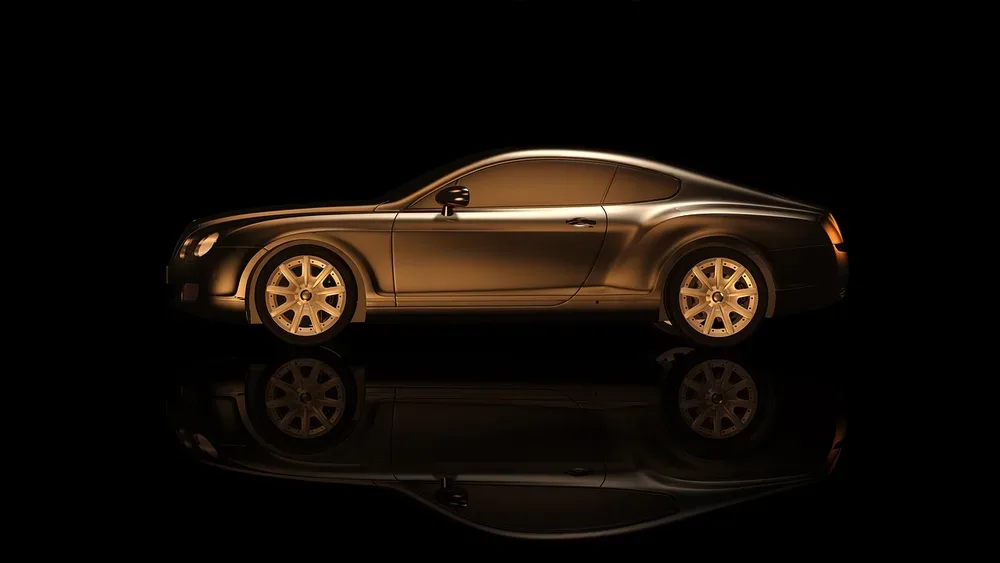
Car Color Psychology: What Your Choice Says About You
Car color doesn’t scientifically prove your personality, but real data shows patterns worth knowing: red and yellow track with outgoing, attention-seeking drivers, while white and silver track with cautious, safety-minded owners. The one claim that’s actually backed by hard data is safety — white cars have a measurably lower daytime crash rate than black ones. Below: what each color signals, what’s really the most popular car color, and how much of this holds up to real research.
Real Data on Car Color
- White is the world’s most popular car color at 29% of 2025 sales (31% in North America), followed by black (23%) and gray (22%), per Axalta’s 73rd Global Automotive Color Popularity Report.
- White cars have roughly a 10% lower daytime crash risk than black cars, according to Monash University’s analysis of more than 850,000 Australian crashes (1987–2004).

Introduction To Car Color Psychology
The link between car color and personality is a popular idea, but it’s best described as color association rather than hard science. Cultural and societal influences play a real role in color choice, and people do often pick car colors based on emotional associations — bold colors for power and energy, lighter shades for a simpler, cleaner look. There’s also a practical layer that has nothing to do with personality: darker colors like black absorb more heat and can make a parked car noticeably warmer in direct sun, while white and light colors reflect heat and stay cooler, which is one reason light colors remain common in hot climates.
Bright And Bold: Yellow And Orange Cars
Yellow and orange cars are often linked to extroverted, upbeat personalities — owners who enjoy being noticed and lean toward a sunny outlook. There’s a practical reason yellow stands out, too: it’s one of the most visible colors in daylight, which is part of why it shows up on school buses, taxis, and other vehicles where visibility matters most. That same trait is likely part of why owners of bright cars often say they like standing out from the crowd.
The Elegance Of Black And Red
Black and red are often chosen by drivers who want to make a statement — power and sophistication in black’s case, energy and passion in red’s. Both remain common choices for buyers who want their car to project confidence rather than blend in.
| The Elegance of Black and Red | |
| What black cars signify | Black is often associated with power, luxury, and sophistication. It’s a popular choice for drivers who want to project success and elegance, and it’s frequently linked with power and dominance on the road. |
| The allure of red cars | Red is a bold, attention-grabbing color associated with energy, passion, and excitement. It’s a popular pick for drivers who want to stand out and make a statement. |
| Gender preferences in color selection | Color-preference surveys report that men lean toward bold colors like black and red more often than women, who more often choose lighter shades like silver and white. These are broad averages, not a rule for any individual driver — and worth noting: white, black, and gray together make up roughly 74% of new cars sold worldwide in 2025, regardless of the buyer’s gender. |
Cool And Calm: Blue Car Owners
Blue is often tied to calm, dependable personalities — owners are seen as thoughtful, loyal, and easygoing rather than flashy. Blue also holds a real place in sales data: it’s 6% of the global market and 10% in North America, making it the most popular non-neutral (chromatic) color worldwide, ahead of red, green, or yellow.
Purity And Simplicity: White And Silver Cars
White and silver remain the most common car colors on the road, particularly among buyers who want a clean, low-maintenance look. White is associated with simplicity and a preference for order, while silver reads as sleek and understated. Owners of white and silver cars are often described as more safety- and reliability-minded than trend-driven.
The preference shows up clearly in sales numbers: white is the world’s most popular car color at 29% (31% in North America), followed by black at 23% and gray at 22%, per Axalta’s 2025 report. Silver has slipped to 7% globally as buyers shift toward darker neutrals, and true "colors" like blue, red, green, or yellow each make up single-digit shares worldwide. That popularity holds fairly steady across age groups, though younger buyers are shifting slightly — see our breakdown of what car colors young buyers prefer most.
Does Car Color Actually Affect Safety? (Real Crash-Risk Data)
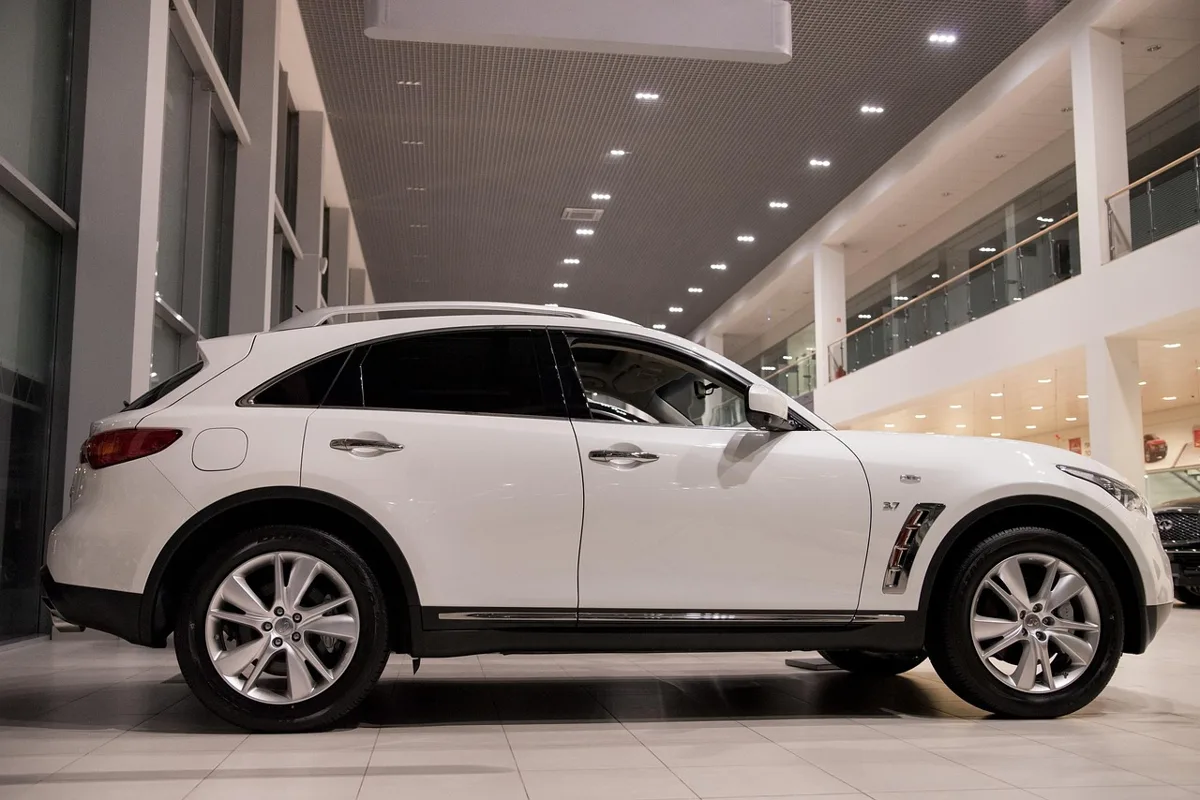
Personality claims about car color are mostly anecdotal, but one large study looked at something measurable: crash risk. Monash University’s Accident Research Centre analyzed more than 850,000 crashes in Australia between 1987 and 2004 and found that during daylight hours, white cars were involved in roughly 10% fewer crashes than lower-visibility colors. Black cars carried the highest daytime crash risk in the study, at about 12% higher than white, followed by gray (11%), silver (10%), and blue and red (7% each).
Researchers attributed the gap mainly to visibility — white and light-colored cars simply stand out more to other drivers across a wider range of light and weather conditions. It’s one of the few car-color claims on this topic that comes from a large, citable dataset rather than a personality quiz.
Psychological Shortcuts And Car Colors
Car color choices can work as a kind of psychological shortcut — a fast way to signal how a driver wants to be perceived. One common idea in color psychology is that people transfer feelings from other things they associate with a color onto the color itself; someone who grew up loving a blue childhood toy, for instance, may simply prefer blue as an adult without connecting it to any deeper meaning.
Preferences also track loosely by gender in most surveys — men lean toward bolder colors like black and red, women more often choose lighter shades like silver or white — though, as covered above, these are broad averages and don’t predict any one driver’s personality.
In the end, car color choices say more about how a driver wants to be seen than anything measurable about who they actually are.
Impact Of Color On Driver Behavior
Color can shape how other drivers react on the road as much as it reflects the owner’s personality. Bright colors like orange and yellow tend to draw more attention and, as covered above, measurably improve visibility and lower daytime crash risk. Bolder colors like black and red are often read as more assertive, while lighter colors like silver and white are generally seen as calmer, safer choices — a perception that actually lines up with the real crash data, not just a stereotype.
Choosing Your Car Color: A Reflection Of Self
Personal taste, cultural trends, and practical concerns like resale value and heat absorption all factor into a color choice, not just personality. Still, the broad patterns are consistent across surveys: orange and yellow owners are often described as extroverted and upbeat, black and red owners as bold and assertive, and silver and white owners as understated and safety-minded. None of it is a personality test, but it’s a low-stakes way to think about what your car says about you — and for many owners, that choice is part of the broader car culture lifestyle they identify with.
Frequently Asked Questions
What Does The Color Of Your Car Say About Your Personality?
The color of your car is loosely linked to personality traits in most surveys, though it’s not scientifically proven. Extroverted, sunny people often choose orange or yellow cars. Those who prefer black may lean toward power and elegance, while blue car owners tend to value calm and dependability. Car color works more as a psychological shortcut than a personality test.
What Is The Psychology Of Color Preference?
Color preference is generally explained by associations and strong feelings tied to certain colors — if someone associates blue with clean water, for example, they’re more likely to favor blue. Preferences also loosely track by gender in surveys, with men leaning toward bold colors like black and red, and women more often choosing lighter shades like silver and white. It’s a psychological shortcut, not a validated scientific rule.
What Color Car Attracts The Most Attention?
Yellow attracts the most attention on the road. It stands out prominently in daylight, which is part of why it’s used on school buses, taxis, and other vehicles where visibility matters. Drivers who choose yellow cars often say they enjoy standing out and grabbing attention.
What Is the Safest Car Color?
White is the safest car color for daytime visibility, according to Monash University’s analysis of more than 850,000 Australian crashes. White cars had roughly a 10% lower daytime crash risk than black cars, which had the highest risk in the study, followed by gray, silver, blue, and red.
What Is the Most Popular Car Color in the World?
White is the world’s most popular car color, making up 29% of global sales in 2025 (31% in North America), followed by black (23%) and gray (22%), according to Axalta’s Global Automotive Color Popularity Report.
Is Car Color Psychology Backed By Real Science?
Not really. Most car color-personality claims come from surveys and marketing research rather than peer-reviewed psychology studies, so they’re best treated as loose patterns, not proven facts. The one well-documented exception is the link between car color and crash visibility, which is backed by large, citable crash-data studies like Monash University’s analysis of 850,000-plus crashes.
Conclusion
Car color is part practical decision, part personal statement, and only loosely tied to personality. What the data actually backs up is visibility and safety — white’s lower daytime crash risk — and real sales trends, where white, black, and gray dominate global demand. The personality angle is a fun way to read a car and its owner; just don’t mistake it for a personality test.
Products related to this article
Sponsored / affiliate links. As an Amazon Associate I earn from qualifying purchases. I may earn additional commission from eligible campaigns.