The Psychology of Car Enthusiasts: Identity, Control & Belonging
Car enthusiasts are driven more by symbolic and emotional motives than practical ones — a 2005 University of Groningen study found that symbolic and affective factors outweigh instrumental convenience when people explain why they drive, especially among younger and male drivers. This is why “just get a cheaper car” advice rarely lands with someone who restores classics on weekends. This guide covers the real psychology behind that attachment: identity, control, community, and collecting.
The Emotional Drive
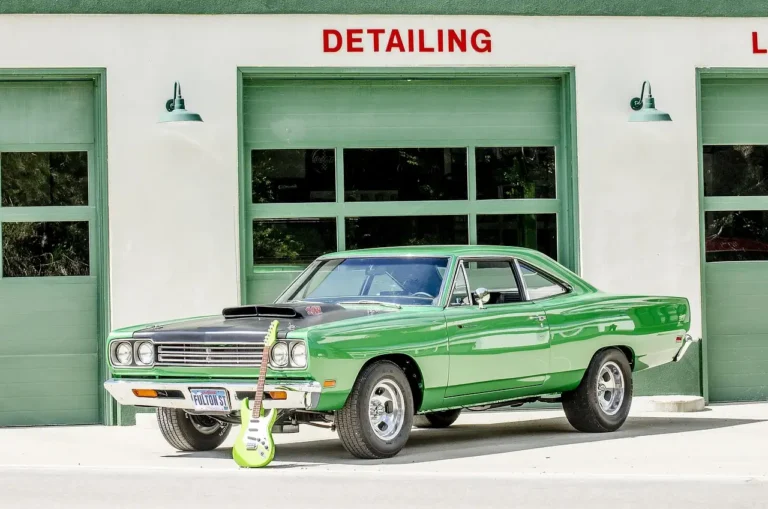
For car enthusiasts, the pull toward vehicles is rarely just about getting from A to B. It’s rooted in the pride of hands-on ownership — changing the oil, restoring a classic, or simply keeping a car spotless — combined with a genuine appreciation for automotive design as an art form. Psychologists call this the difference between instrumental motives (does it work, is it efficient) and affective motives (does it feel good to own and drive). For many enthusiasts, the affective side wins even when it costs more.
Identity And Expression
Consumer researchers describe this using the “extended self” concept, first articulated by marketing professor Russell Belk in 1988: possessions we invest time and identity into stop feeling like objects and start feeling like part of who we are. A car someone has personally maintained, modified, or restored fits this pattern closely — it becomes a visible signal of personal style, values, and social standing, not just a way to get around.
The Thrill Of Control
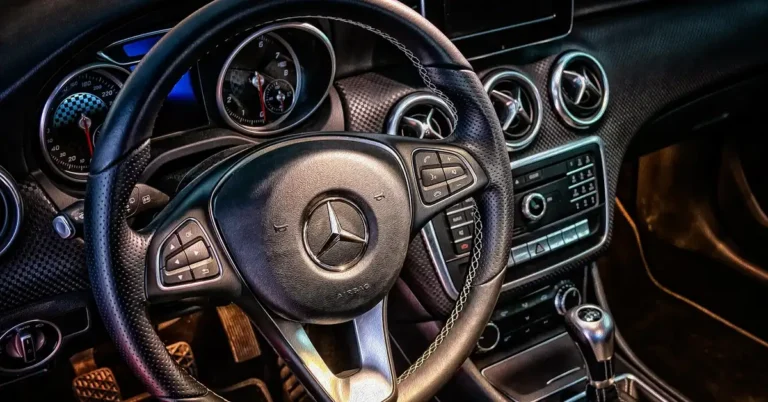
Behind the wheel, a car hands you direct control over speed and direction in a way few everyday objects do. That sense of autonomy, paired with the adrenaline of driving well, is a big part of why enthusiasts describe their cars as more than transportation. The same instinct shows up in the garage: working on the vehicle themselves, upgrading parts, or restoring it panel by panel gives enthusiasts a hands-on form of that same control.
📊 A landmark study of car-use motives found that symbolic and affective factors were stronger predictors of car use than purely practical ones, particularly among frequent drivers, younger respondents, and men. — Source: Linda Steg, University of Groningen, Transportation Research Part A (2005)
Community And Belonging
Car meets, shows, and online forums give enthusiasts a place to connect with people who share the same specific passion — not just “cars” broadly, but often the exact same era, brand, or build style. That shared context builds real camaraderie quickly, since showing up already signals a common interest. For many enthusiasts, this social layer becomes as important as the cars themselves.
The Quest For Knowledge
Many enthusiasts take real pride in understanding how their vehicles actually work — not just driving them, but knowing the mechanics, the model history, and the engineering trade-offs behind different designs. This technical curiosity often becomes a lifelong hobby of its own, separate from any single car they own.
Worth noting: being a car enthusiast isn’t a single personality type. People with very different temperaments and backgrounds can share this specific hobby, which is part of why the community spans such a wide range of ages, professions, and interests.
Psychology Of Collecting
For some enthusiasts, the hobby extends into collecting rare or historically significant vehicles. The pursuit of a rare model taps into a sense of accomplishment and exclusivity that’s distinct from simply owning a nice car. Many collectors also frame their vehicles as an investment and a legacy — something to preserve carefully and eventually pass down — which is part of why serious collectors invest so heavily in proper restoration and storage.
Modifications And Customizations
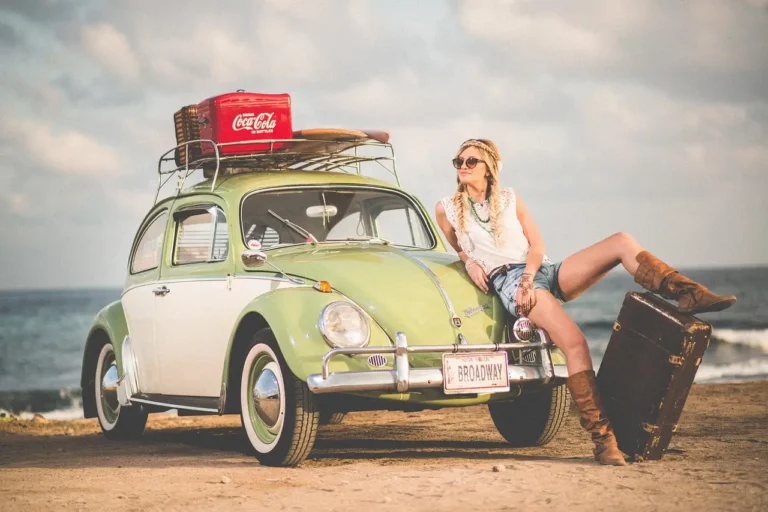
Car enthusiasts express their individuality through modifications and customizations, reflecting their unique taste and personality. Whether it’s adding aftermarket parts or creating custom designs, modifications serve as a form of self-expression. This practice also fosters a sense of pride and accomplishment, as enthusiasts take on a hands-on approach to enhance their vehicles. The DIY culture within the car community promotes creativity and ingenuity, as enthusiasts take on the challenge of customizing their cars to align with their vision.
Sustainability And Future Trends
Car enthusiasm is also evolving with the technology itself. Electric and hybrid vehicles have picked up a genuine enthusiast following of their own — not despite being different from traditional gas cars, but partly because of it. Instant torque, quiet cabins, and genuinely new engineering problems to understand give this newer generation of enthusiasts a fresh version of the same technical-curiosity and identity-expression motives described above.
See our related coverage on what makes someone a car enthusiast, and the broader evolution of car culture from hobby to lifestyle for the social and historical side of this same picture.
Frequently Asked Questions
What Is The Personality Of A Car Enthusiast?
There isn’t one single “car enthusiast personality” — the hobby spans a wide range of temperaments. What they tend to share is a genuine passion for working on and maintaining their vehicles, an eye for automotive design, and pride in their mechanical skills.
Why Do Guys Like Cars In Psychology?
Research on car-use motives has found that men, younger drivers, and frequent drivers are especially likely to value the symbolic and affective side of car ownership — the sense of control, autonomy, and identity a car provides — over purely practical factors like cost or convenience.
What Do You Call Someone Who Likes Cars?
A person who likes cars is commonly called a car enthusiast, car lover, or “gearhead.” They typically have a deep appreciation for automotive design and take pride in maintaining, and often modifying, their vehicles.
Is Loving Cars A Personality Trait Or A Hobby?
It’s best understood as a hobby, not a fixed personality trait. People with very different personalities can be equally passionate car enthusiasts, which is why the community includes such a broad mix of ages, professions, and backgrounds.
Conclusion
The psychology of car enthusiasts goes well beyond transportation. Identity, control, community, and the satisfaction of hands-on knowledge all combine into a genuinely deep attachment — one that peer-reviewed research on car-use motives backs up, not just popular assumption. Understanding these drivers helps explain why enthusiasts make the choices they do, from weekend restorations to joining the local car meet.
Products related to this article
Sponsored / affiliate links. As an Amazon Associate I earn from qualifying purchases. I may earn additional commission from eligible campaigns.