What Age Can You Stop Using Car Seat: Essential Guidelines
You can stop using a car seat when your child is 12 years old or taller than 135 cm. This is the general guideline, but laws vary by country.
Ensuring your child’s safety is crucial, so it’s important to know the exact rules where you live. Car seats save lives. They protect children in case of accidents. But knowing when to move on from a car seat can be confusing.
Different places have different laws. The age and size of your child play key roles. This guide will help you understand when it’s safe to stop using a car seat. It will also explain the reasons behind these rules. Keep reading to ensure your child travels safely at every stage.
Legal Requirements
Children need car seats for safety. Age and weight decide when to stop. Most laws say kids must use car seats until age 8. Weight limits also matter. Many car seats support up to 80 pounds. Always check the car seat instructions. Safety comes first.
Different countries have different rules. In the US, laws vary by state. Some states require car seats until age 8. Others focus on weight and height. The UK has strict rules too. Car seats are needed until age 12 or 135 cm in height. Always follow local laws. It keeps kids safe.
Credit: www.health.ny.gov
Types Of Car Seats
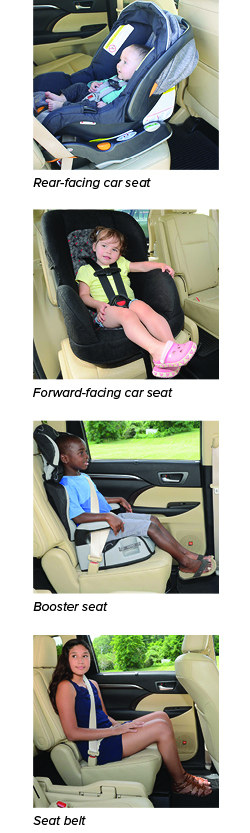
Infant seats are for newborns and small babies. They face the rear of the car. This helps protect the baby’s head and neck. These seats usually fit babies up to 22 pounds. Always check the weight limit on the seat. Some models may allow up to 35 pounds. Ensure the seat is tightly secured. This keeps your baby safe during rides.
Convertible seats grow with your child. They can face the rear or front. For infants, use the rear-facing position. As your child grows, switch to forward-facing. These seats can hold children up to 65 pounds. Check your seat’s guidelines for weight limits. Always ensure the seat is properly installed. This provides the best protection for your child.
Booster seats are for older children. They use the car’s seatbelt. These seats lift the child up. This helps the seatbelt fit correctly. Booster seats are for children over 40 pounds. They can use them until they are big enough for the seatbelt alone. Check your state’s laws for specific age and weight requirements.
Transitioning To Seat Belts
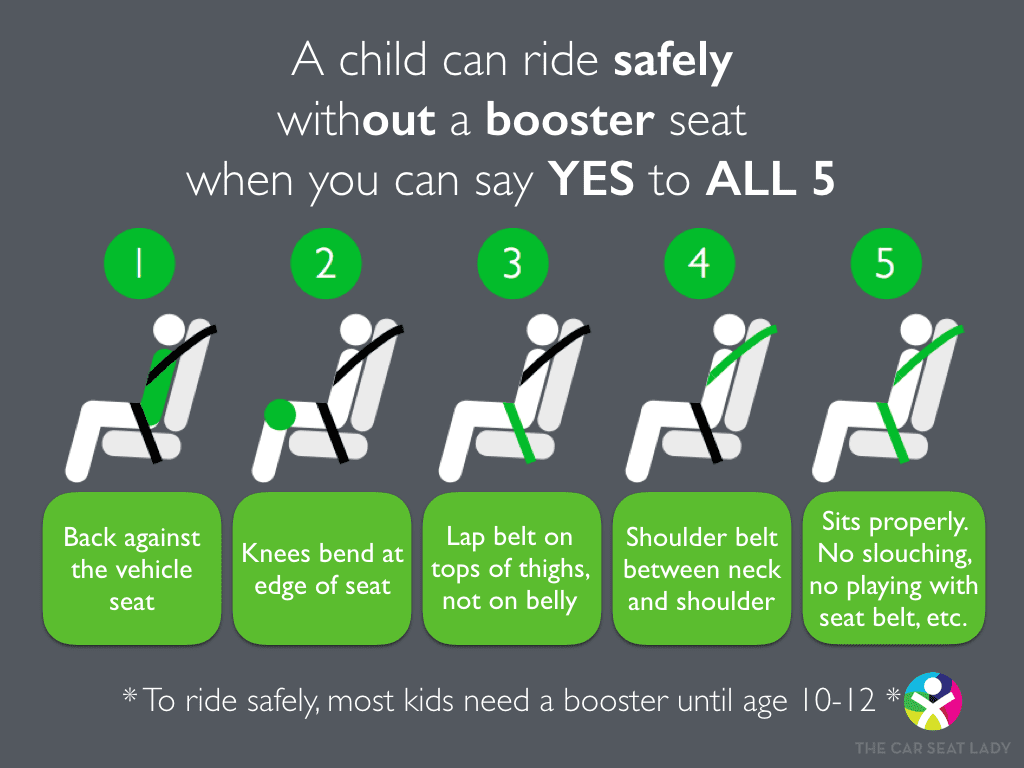
Children can switch to seat belts when they reach a certain age and size. Most kids are ready between ages 8-12. A child must be at least 4 feet 9 inches tall. They should also weigh at least 80 pounds. These guidelines ensure the seat belt fits properly. Always check local laws for specific age and height requirements.
A seat belt should lie across the upper thighs, not the stomach. The shoulder belt should cross the chest and shoulder. It should not touch the neck or face. If the belt does not fit right, use a booster seat. Proper fit keeps kids safe in a crash. A poorly fitted belt can cause injuries. Always double-check the fit before every trip.

Credit: www.drkshilpireddy.com
Common Mistakes
Parents often install car seats the wrong way. Incorrect installation can put children at risk. Many use the wrong belt path. Some don’t tighten the seat enough. Check the seat’s manual. Follow each step closely. Always ensure the seat is secure.
Moving children to the next seat too soon is a common mistake. Premature transition can be dangerous. Keep children in their current seat until they reach the maximum height or weight. Read the seat’s guidelines. Safety should always come first.
Expert Recommendations
Doctors say kids should use car seats until they are 12 years old. Children must stay in booster seats until they are 4 feet 9 inches tall. Most kids reach this height between ages 8 and 12. Kids need car seats to stay safe in the car. A car seat can save a child’s life in a crash. Parents should follow these rules to keep their kids safe.
Safety groups agree with doctors. They say children must use car seats until age 12. Kids must be tall enough to fit in a seat belt. The seat belt should go across their chest and lap. Not their neck or stomach. Safety groups say car seats reduce injury in crashes. Parents should check car seat rules often.
Special Considerations
Children with special needs might need car seats for longer. It is important to keep them safe. Check with a doctor for advice. Some kids have medical equipment. Car seats help secure this equipment. Sometimes, kids have trouble sitting still. Car seats can help with this too. Safety always comes first. Make sure the car seat is the right size. It should fit the child well. Never rush to move to a regular seat. Every child is different. Always follow the expert’s advice.
Traveling with kids can be challenging. Car seats make it safer. Always use a car seat for young children. Long trips can be tiring for kids. Make sure they are comfortable. Take breaks often. Let the kids move around. This helps them stay calm. Bring toys and snacks. This keeps them busy. Always check the car seat before the trip. Make sure it is installed correctly. Safety is the most important thing. Plan ahead for a smooth trip. Happy travels!

Credit: 1800lionlaw.com
Frequently Asked Questions
At What Age Can A Child Stop Using A Car Seat?
Children can stop using a car seat at around 8-12 years old. It depends on their height and weight. They should use a seat belt when they fit properly.
What Are The Height And Weight Requirements?
Children can use a seat belt when they are 4 feet 9 inches tall. Weight typically should be over 80 pounds. Check local regulations for specific requirements.
Can A 10-year-old Stop Using A Car Seat?
A 10-year-old can stop using a car seat if they meet height and weight guidelines. They should be 4 feet 9 inches tall and over 80 pounds.
When Should A Child Switch To A Booster Seat?
A child should switch to a booster seat when they outgrow their forward-facing car seat. This usually happens around 4-7 years old.
Conclusion
Ensuring your child’s safety is crucial. Car seat laws differ by state. Check local guidelines. Typically, kids stop using car seats around age 8 or height of 4’9″. Safety always comes first. Transition slowly to booster seats. Educate your child on car safety.
Always double-check seat installation. Keep up with car seat updates. Your child’s safety depends on it. Make informed decisions. Stay proactive and keep your child safe on the road.