Auto Brush: Use It for Effortless Shine in Minutes
Use an automatic brush wash only after pre-rinsing loose grit, folding in mirrors, and choosing a brush run for lightly soiled paint; skip brushes entirely if the car is muddy, sandy, or freshly waxed. Done badly, a brush wash can grind grit into clear coat and leave swirl marks that cost time and money to fix. This guide covers the fast brush-first workflow, the checks before you enter, and the cases where you should choose touchless instead.
What an automatic car wash brush does
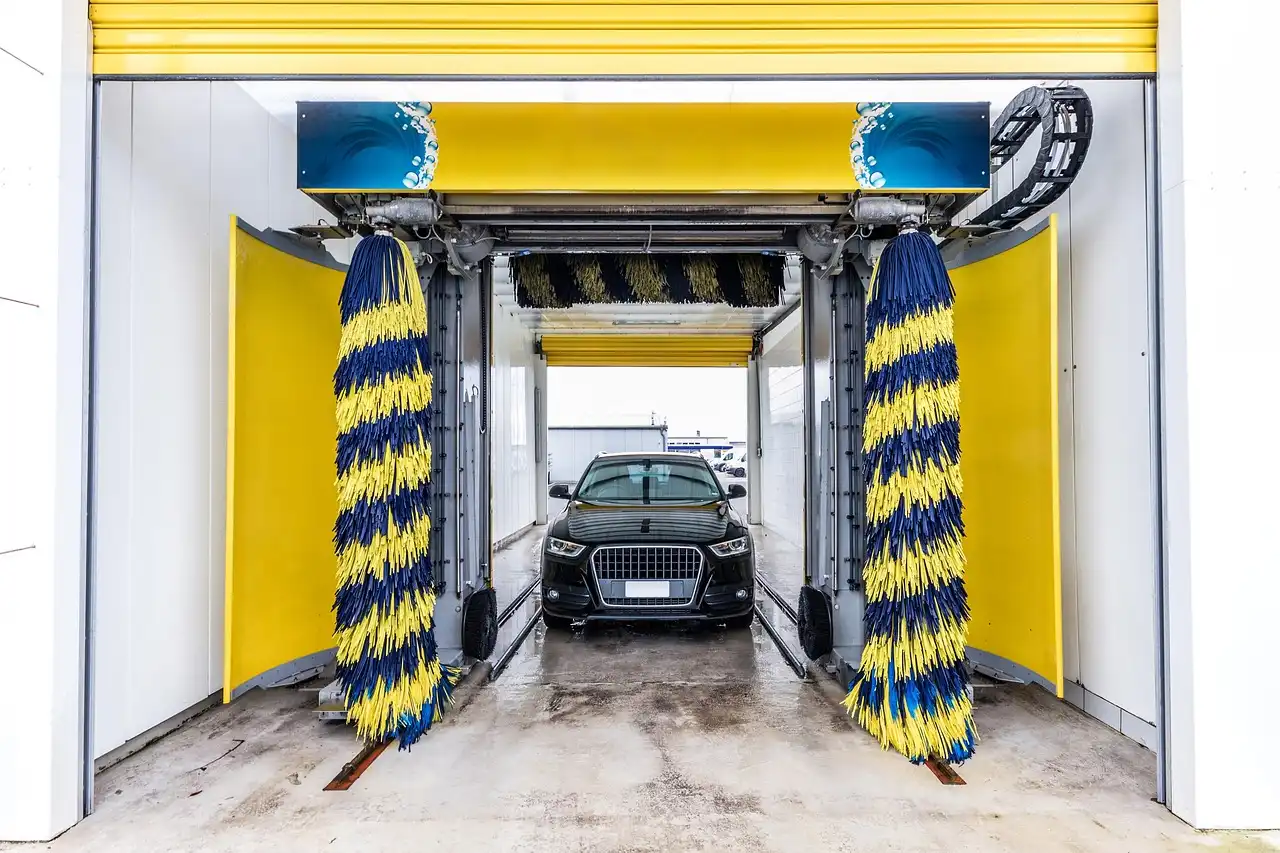
An automatic car wash brush is part of a drive-through system that combines water jets, soap, and contact cleaning to remove routine road film fast. It is built for quick throughput. In an express car wash, the goal is a clean exterior in minutes rather than correction of heavy contamination.
The brush matters because it does the last bit of scrubbing after soap and water loosen the dirt. That also means technique matters. If grit stays on the panel or on the brush head, the moving bristles can drag it across the clear coat and leave fine marks.
What it is good at
- Routine dust, light road film, and everyday grime.
- Fast exterior cleaning when time is short.
- Frequent maintenance washes for commuters and fleet users.
What it is not good at
- Heavy mud caked on lower panels.
- Sand on the paint.
- Thick bug residue that needs dwell time and stronger pre-cleaning.
How do you use the auto brush for a safe wash?
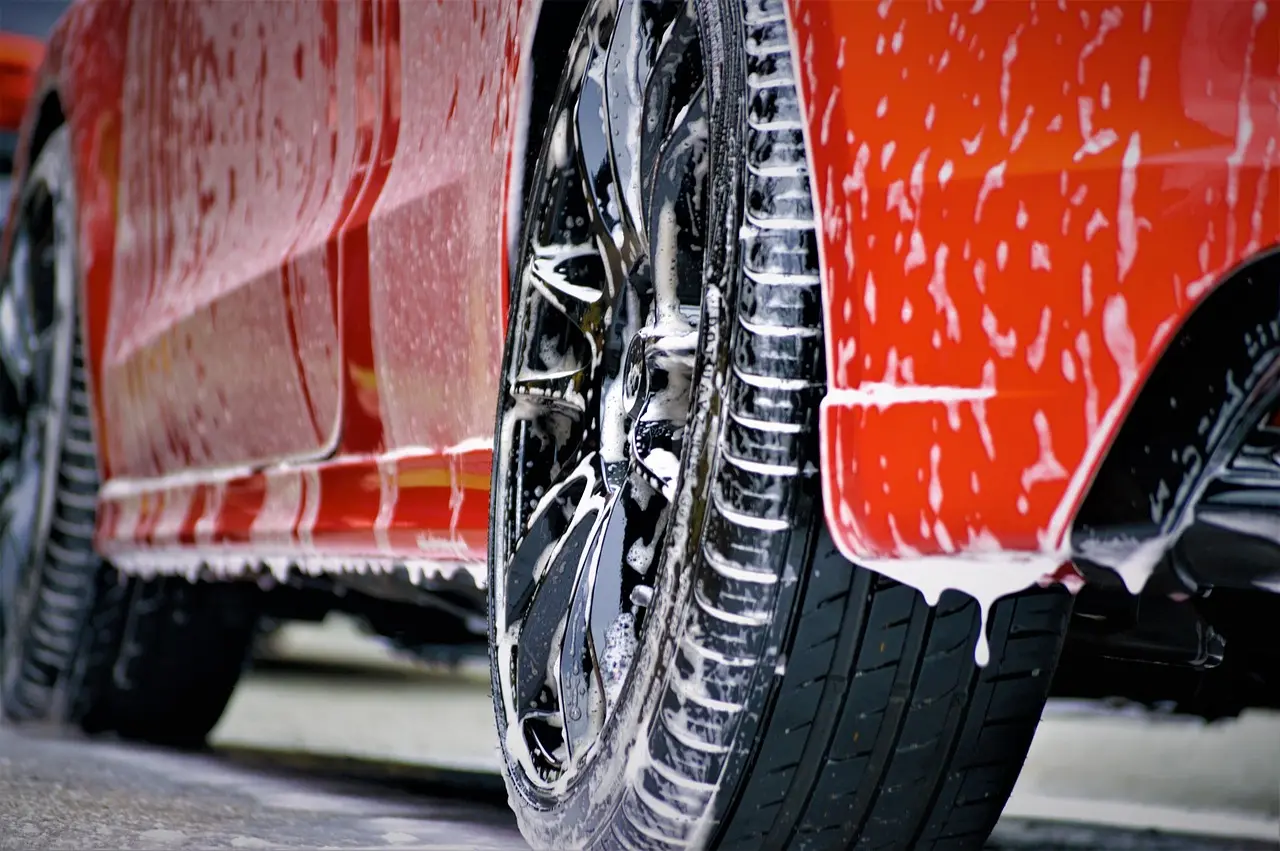
Use the auto brush after a thorough pre-rinse, keep tools for wheels and paint separate when possible, and work top to bottom so dirt does not run onto cleaner panels. The safest brush wash is quick but deliberate: rinse first, clean wheels, then contact the body, then rinse again before drying.
- Pre-rinse the full car. Flush off loose grit from the roof, hood, glass, mirrors, lower doors, and rocker panels before any brush touches paint.
- Fold in mirrors and close loose openings. That limits snag points and helps the brush move past edges cleanly.
- Clean the wheels first. Use the wheel cleaning brush on rims, lug areas, and wheel faces only.
- Move to the body panels. Start high and finish low, keeping brush contact on painted surfaces, not the wheel grime zone.
- Rinse often. Clear away soap and lifted dirt before it dries or gets dragged across the finish again.
- Dry after the final rinse. Use a clean drying towel or drying air where available to reduce spotting.
Why the order matters
The wheel area carries brake dust, tar, and heavier road film. If that residue reaches the body brush, it can move onto paint. Picture a compact sedan with dark gray brake dust on the front wheels; if the same brush then sweeps the doors, that grit follows the bristles onto the clear coat.
A common first-timer mistake is rushing straight from the wheel arch to the door skin with the same tool. That is the wrong sequence. Separate tools and a clean rinse between zones cut the chance of carrying contamination upward.

What brush should you use on paint, wheels, and trim?
Use a soft bristle brush for painted panels and delicate surfaces, and keep a shorter, firmer wheel cleaning brush for brake dust and road film. Separate tools are not a luxury here. They are the core of paint and finish protection in a fast wash workflow.
Brush selection by surface
| Surface | Best brush type | Key trait | Do not do |
|---|---|---|---|
| Painted panels | Soft bristle brush | Clean, grit-free, car-wash-safe soap | Use a dirty or sandy head |
| Wheels and tires | Wheel cleaning brush | Shorter, firmer bristles | Carry wheel residue onto paint |
| Badges and trim | Soft brush or mitt-style contact tool | Light pressure, careful edges | Scrub hard around sharp trim lines |
How to keep the brush safe for paint
- Wet the brush before it touches the car so dry bristles do not grind dust into the finish.
- Rinse the brush head often, especially after lower panels and wheel areas.
- Check the bristles for trapped grit, leaves, or road debris before each pass.
- Use car-wash-safe soap, not household cleaners that can strip protection or dry out trim.
Quick-wash workflow table
Use this one-page workflow as the fast reference. It fits the brush-first method into a realistic express wash sequence, with clear no-go cases for dirty paint.
| Step | What to do | Time target | Key risk control |
|---|---|---|---|
| Pre-rinse | Rinse roof, glass, panels, and lower body to remove loose grit. | 45-60 seconds | Do not brush dry, sandy paint. |
| Wheel-first cleaning | Use the wheel cleaning brush on rims and tires only. | 45-75 seconds | Do not bring the wheel brush back to painted panels. |
| Body-panel order | Brush roof, hood, upper sides, then lower panels last. | 90-120 seconds | Keep contact light around badges, mirrors, and trim. |
| Rinse cadence | Rinse after wheel work and again after the body pass. | 30-45 seconds | Do not let loosened dirt dry on the paint. |
| Drying sequence | Dry glass, roof, hood, then side panels and lower areas. | 45-60 seconds | Use a clean drying towel or air, not a dirty cloth. |
| Do not brush checklist | Sandy paint, heavy mud, bug buildup, black paint with visible swirl risk. | Stop and switch method | Choose touchless or hand pre-cleaning first. |
When should you choose a touchless wash instead?
Choose a touchless wash when scratch risk matters more than maximum cleaning power. Touchless systems use high-pressure water jets and cleaning agents with no physical contact, so they can be a good choice for sandy, muddy, or very scratch-sensitive vehicles.
Use touchless if the car has any of these conditions
- Loose sand on the paint after a beach, trail, or construction-zone drive.
- Heavy mud on rocker panels, bumpers, or wheel arches.
- Black paint with visible swirl marks that show easily in sunlight.
- Vintage cars or soft clear coat finishes where contact risk is harder to justify.
Touchless often cleans less aggressively than a brush system, especially on stuck-on grime. That tradeoff is worth it when the surface is delicate or the contamination is too rough for contact cleaning.
How long should a quick wash take?
A true express car wash can finish in a few minutes, especially when the vehicle is only lightly dirty and the process is kept simple and efficient. Heavier contamination takes longer because the pre-rinse and rinse cadence must do more work before the brush touches paint.
Where the time goes
- Pre-rinse: clears loose grit and starts the process safely.
- Wheel cleaning: takes longer when brake dust is heavy.
- Body brushing: is quick on routine dirt, slower on bug residue.
- Drying: adds time, but it helps avoid spotting on glass and paint.
Suppose a crossover has road film plus fresh mud on the lower doors after rain. A five-minute slot will not be enough for a proper brush wash. A touchless pass, followed by a later hand detail, is the better call.
Is a monthly wash pass worth it for frequent drivers?
A membership or monthly wash pass can make sense for commuters and fleet users who need repeat maintenance cleaning. It reduces the friction of stopping for frequent washes and fits drivers who want a quick, routine exterior clean rather than an occasional deep wash.
When a pass is useful
- You wash often enough that paying each time adds up fast.
- You want a routine that takes about the same amount of time every visit.
- Your vehicle sees steady road film, salt, or urban grime.
That said, a pass does not change the dirt rules. If the car is caked in sand or mud, skip the brush run even if the plan allows unlimited washes. Use the pass for maintenance cleaning, not for damage control after severe contamination.
How do you use the auto brush effortless shine in minutes?
A practical safe routine is pre-rinse, wheel-first cleaning, body brushing from top to bottom, a final rinse, and a clean dry-off. That sequence can leave the car looking shiny after washing, but only if the panel starts with light dirt and the brush head stays clean and grit-free.
For a quick shine, focus on order and separation. Wet the brush before contact, keep the wheel brush off the paint, and rinse often enough that soap and loosened dirt do not dry on the finish.
Can an auto brush scratch paint if used wrong?
Yes. An auto brush can scratch paint if it carries grit, if you use it on dry or sandy panels, or if you move contamination from wheels to bodywork. The risk is higher on black paint, soft clear coat finishes, and any vehicle with visible swirl marks already in the surface.
The fix is not to scrub harder. It is to change the process: rinse first, use separate brushes, keep the brush clean, and stop when the dirt level is too heavy for contact cleaning.
What order should you clean wheels, body, and tires?
Clean wheels and tires first, then move to the body panels, and finish with a final rinse and drying. That order keeps brake dust and road film in the wheel area instead of dragging it across paint, trim, and glass. It is the safest sequence for a brush wash.
Use a wheel cleaning brush only on wheel surfaces and tire sidewalls. After that, switch to a clean soft bristle brush for paint. Do not bounce between those zones with the same head.
What is the best brush for a 5-minute car wash?
The best brush for a 5-minute car wash is a clean soft bristle brush for paint, paired with a separate shorter wheel brush. That combination fits an express car wash format built for fast routine cleaning. The body brush should be large enough to cover panels quickly, but soft enough for delicate surfaces.
Look for a brush head that is clean, grit-free, and not worn flat. A handle with enough length to reach roof and hood areas helps keep contact even, while the wheel brush should stay compact and firmer for brake dust.
Can I use an auto brush on luxury or vintage cars?
You can use a brush wash on some luxury or vintage cars, but only when the paint, trim, and finish are already in suitable condition and the dirt level is light. For many older or high-value finishes, a touchless wash is the safer first choice because the cost of a mark can be high.
Choose contact washing only if the car has no loose grit, no heavy mud, and no obvious swirl sensitivity. If the finish is soft, freshly restored, or already delicate, touchless cleaning is the more cautious route.
Frequently asked questions
Do you wet the brush before using it on your car?
Yes. Wet the brush before contact so dry bristles do not drag dust across the paint. A pre-wet brush also carries soap more evenly and moves more smoothly over the panel. Keep rinsing the head during the wash so trapped grit does not build up.
How long should a quick wash take with an auto brush?
A quick express wash often fits in about 5 minutes when dirt is light and the line moves fast. That time covers pre-rinse, contact cleaning, rinse, and drying. Heavy mud, bugs, or sandy buildup will push the wash longer, or make touchless the better choice.
Should I use a soft bristle brush or a touchless wash?
Use a soft bristle brush for light routine dirt on paint when the brush is clean and the car has been pre-rinsed. Choose touchless when scratch risk matters more than deeper cleaning, especially on sandy, muddy, black-painted, vintage, or otherwise sensitive finishes.
Products related to this article
Sponsored / affiliate links. As an Amazon Associate I earn from qualifying purchases. I may earn additional commission from eligible campaigns.
 2Pack Automotive Oil Film Cleaning Brush, Cars Clear Vision Glass Cleaner for Car Windows,Anti-Rain&Anti-Fog Windshield Cleaner Tool to Improve Clarity and Visibility,Car Glass Oil Film Remover
 Automotive Oil Film Cleaning Brush for Car Windshield, Glass Emulsion Cleaner, 100g Roll-On Glass Oil Film Remover with Reusable Cleaning Board, Anti-Fog & Water-Resistant Coating for Safe Driving