What Is Heat Soak In Cars? Causes & How To Prevent It
Understanding heat soak can save you a lot of worry and potential repair costs. It’s not some rare, exotic problem. It’s something that happens to many vehicles, especially during warmer months or after hard driving.
This guide will walk you through what heat soak is, why it happens, and most importantly, what you can do about it. We’ll cover everything from simple checks to more involved tips, all explained in a way that makes sense.
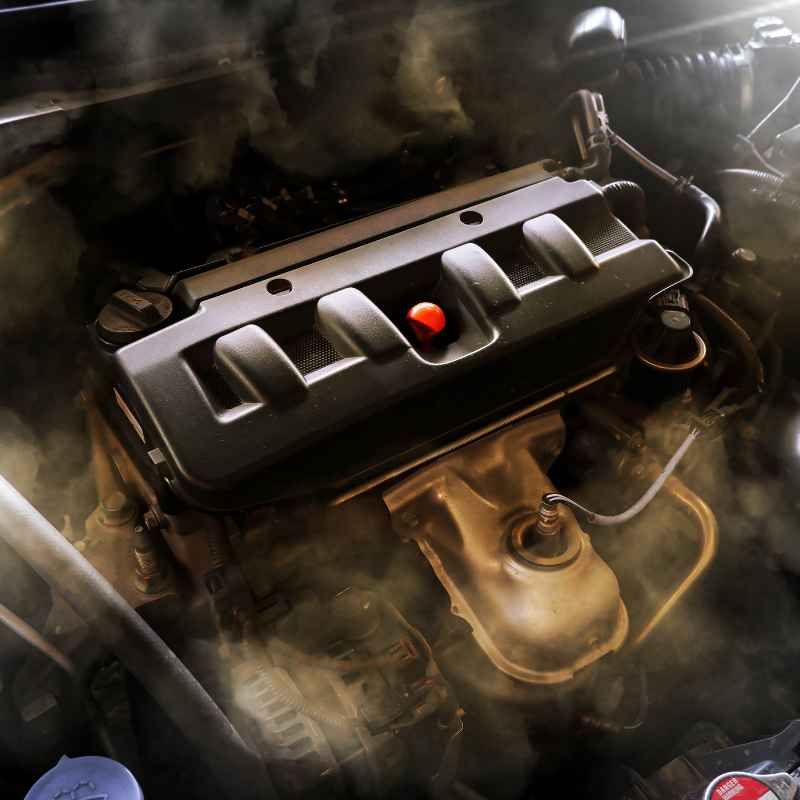
Heat soak in cars refers to the buildup of excessive heat in engine components after the engine has been shut off. This trapped heat can affect various systems, making restarting difficult, causing performance issues, and potentially leading to damage over time if not managed.
What is Heat Soak in Cars?
Imagine your car’s engine after it’s been running for a while. It’s working hard. This hard work creates a lot of heat.
When you turn the engine off, you might think the heat just disappears. But it doesn’t. Many parts under the hood are made of metal.
Metal holds onto heat for a long time. This trapped heat is what we call heat soak.
This heat can spread to other parts around the engine. Things like fuel lines, sensors, and even the battery can get warmer than they should be. When these parts get too hot, they don’t work as well.
This is especially true for the fuel system. Hot fuel can turn into vapor. This vapor can block fuel from reaching the engine.
This is why you might experience problems starting your car after it’s been sitting for a bit on a hot day. The engine is too hot, and the fuel isn’t getting there correctly. It’s like trying to drink through a straw that’s full of air bubbles.
The liquid (fuel) just can’t flow smoothly.
Why Does Heat Soak Happen?
Several things can cause or make heat soak worse. It’s usually a mix of factors rather than just one single cause. Thinking about these causes helps us understand how to prevent it.
Let’s break down the main reasons why your car might be experiencing heat soak.
Engine Heat and Driving Conditions
Your car’s engine is the primary source of heat. When it runs, it generates a lot of thermal energy. Certain driving conditions make the engine work harder.
This means it generates even more heat.
- Stop-and-Go Traffic: In city driving, your engine idles or moves at low speeds. There’s not much airflow through the radiator to cool things down. The heat just builds up.
- Hot Weather: On a sunny, warm day, the outside air is already hot. This makes it harder for your car’s cooling system to get rid of engine heat. The ambient temperature adds to the problem.
- Towing or Hauling: When you pull a trailer or carry heavy loads, your engine has to work much harder. This increased workload generates significantly more heat.
- Steep Inclines: Driving up long hills puts a lot of strain on the engine. It burns more fuel and produces more heat to maintain speed.
Fuel System Issues
The fuel system is particularly sensitive to heat. Hot fuel can expand and create vapor. This is known as vapor lock.
- Fuel Lines Near Hot Components: If fuel lines run too close to the exhaust manifold or engine block, they can absorb a lot of heat.
- Fuel Pump Location: Some fuel pumps are in or near the gas tank. If the tank and surrounding areas get very hot, the fuel can heat up more easily.
- Older Fuel Injectors: Over time, fuel injectors can become less efficient. This might lead to less precise fuel delivery, which heat can exacerbate.
Cooling System Performance
Your car’s cooling system is designed to manage engine heat. If it’s not working perfectly, heat can build up.
- Low Coolant Levels: Not enough coolant means the system can’t absorb and transfer heat effectively.
- Faulty Radiator Fan: The fan pulls air through the radiator, especially when the car is stopped. If it’s not working, cooling is greatly reduced at low speeds.
- Worn Water Pump: The water pump circulates coolant. If it’s not pumping efficiently, coolant flow slows down.
- Blocked Radiator: Debris or internal corrosion can block the radiator’s fins. This stops air from flowing through and cooling the coolant.
Exhaust System Proximity
The exhaust system gets extremely hot during operation. Its location under the car means it radiates heat upwards and sideways.
- Proximity to Fuel Lines: If fuel lines are routed too close to the exhaust pipes or catalytic converter, they will absorb a lot of radiant heat.
- Insulation Issues: Sometimes, heat shields or insulation that normally protect other components from exhaust heat can degrade or become dislodged.
Common Places Where Heat Builds Up
Engine Block: The core of heat generation. Metal parts retain warmth long after shutdown.
Exhaust Manifold/Pipes: These glow red hot during operation. They radiate immense heat outwards.
Fuel Lines: Often routed near hot engine parts, making fuel susceptible to heating.
Battery: While not directly heated, extreme engine bay temperatures can affect battery performance.
Sensors: Various engine sensors can be affected by ambient heat in the engine bay.
My Own Experience with Heat Soak
I remember one particularly scorching summer afternoon. I had driven my old pickup truck about an hour out of town to pick up some lumber. The drive was mostly highway, but the last ten miles were winding, hilly roads.
The truck was working hard, the engine temperature gauge was sitting a little higher than usual, but still in the normal range. I figured it was just the effort. I found the lumber yard, loaded up the bed, and headed back.
The drive home was similar, lots of stopping and starting due to road work.
When I finally got back to my house, I pulled into the driveway. I shut off the engine and got out to start unloading. After about fifteen minutes, I needed to move the truck a few feet to get better access to the lumber.
I got in, turned the key, and. nothing. Just a weak click.
I tried again. Same thing. Then, the engine cranked, but it sounded sluggish, like it was struggling to turn over.
It finally sputtered to life, but it ran rough for a few seconds before smoothing out. I thought, “Oh no, is the battery dead?” But the lights were bright, and the radio worked fine. It was only when I tried to start it again a few minutes later, after the engine had cooled a bit, that it started normally.
That’s when I started researching “car won’t start hot” and discovered the concept of heat soak. It made so much sense then. The engine bay was still radiating heat, affecting the fuel and making it hard to ignite.
Understanding Vapor Lock
Heat soak often leads to a specific problem called vapor lock. This is a critical part of why heat soak causes starting issues. Let’s dive into what vapor lock really is and how it happens, especially in our cars.
When fuel gets too hot, it doesn’t stay liquid. It starts to boil. But instead of boiling at 212 degrees Fahrenheit (100 Celsius) like water, gasoline boils at a much lower temperature.
This is because gasoline is a mixture of different, very light chemicals. These chemicals turn into vapor easily when they get warm.
In your car’s fuel system, this is a big problem. The engine needs liquid fuel to run. If the fuel turns into vapor in the fuel lines or the fuel injectors, it creates a blockage.
Think of it like trying to push water through a straw, but the straw is suddenly full of air bubbles instead of water. The engine can’t get the liquid fuel it needs. This blockage of fuel vapor is called vapor lock.
When Does Vapor Lock Occur?
Vapor lock is most likely to happen when your car has been sitting in the hot sun for a while, especially after a period of hard driving. The engine bay is still very hot. This heat transfers to the fuel lines and the fuel itself.
If the fuel temperature reaches its boiling point, vapor bubbles form. These bubbles get trapped in the fuel lines, preventing liquid fuel from reaching the engine’s combustion chambers. This is why you might experience a no-start condition or a significant loss of power when the engine is hot.
The fuel system is essentially clogged with fuel vapor.
Vapor Lock: Myth vs. Reality
Myth
Vapor lock only happens in very old cars.
Reality
While older cars might be more prone, modern cars can still experience vapor lock, especially under severe hot weather and driving conditions.
Myth
It’s always a sign of a serious engine problem.
Reality
Often, vapor lock is a temporary issue caused by external heat. However, it can also point to a need for better fuel system insulation or a cooling system check.
Myth
You need a mechanic to fix vapor lock immediately.
Reality
Sometimes, simply letting the car cool down is enough. For recurring issues, professional inspection is recommended.
Impact on Other Car Systems
While the fuel system is the most commonly discussed victim of heat soak, other components can also suffer. The engine bay gets incredibly hot, and this excess heat can affect parts that weren’t designed for such extreme temperatures over long periods. It’s a cascading effect.
Battery Performance
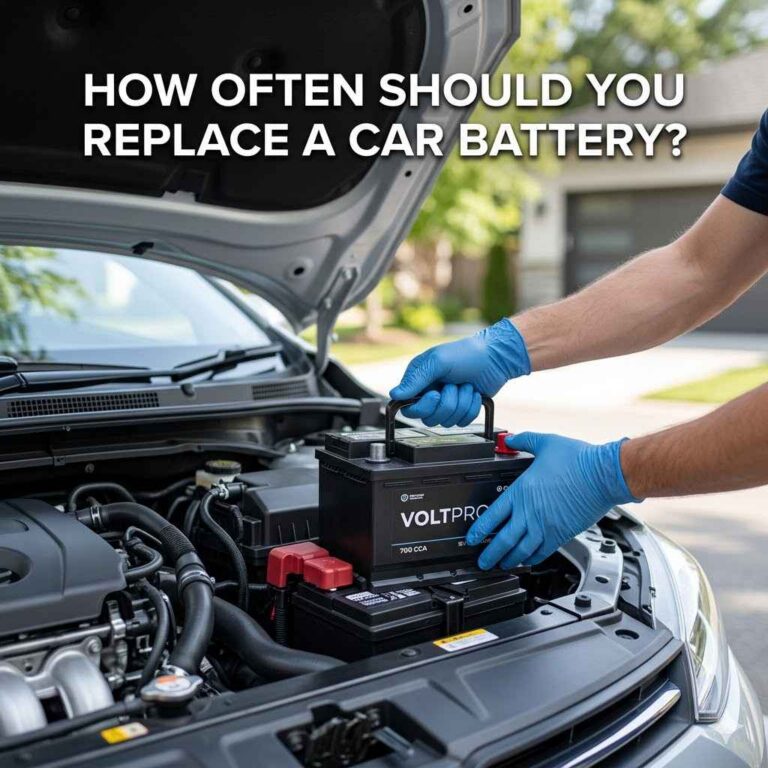
Your car battery doesn’t like extreme heat. While cold weather is often blamed for battery issues, very hot temperatures can also degrade a battery. High heat causes the battery’s internal chemicals to react more quickly.
This can lead to faster self-discharge and evaporation of the electrolyte fluid.
In a heat-soaked engine bay, the ambient temperature around the battery is significantly higher. This elevated temperature can reduce the battery’s cranking power. When you try to start a hot engine, the starter motor needs a lot of amps.
If the battery is already weakened by heat, it might not be able to provide enough power. This can make the engine crank slowly or not at all, even if the battery isn’t technically “dead.”
Sensors and Electronics
Modern cars are packed with electronic sensors. These sensors monitor everything from engine temperature and air-fuel ratio to emissions and wheel speed. These sensors are sensitive to heat.
Excessive heat in the engine bay can cause these sensors to malfunction or provide inaccurate readings.
For example, a temperature sensor that is reading incorrectly due to heat might tell the engine’s computer that the engine is colder than it is. This can lead to the computer adjusting the engine’s operation in ways that are not optimal, potentially causing rough idling, poor acceleration, or increased fuel consumption. In some cases, extreme heat can even damage the delicate internal components of these sensors or other electronic modules.
Engine Oil and Lubrication
Engine oil is crucial for lubricating moving parts and reducing friction. Heat can affect the viscosity of engine oil. When oil gets too hot, it can become thinner.
Thinner oil might not provide the same level of protection to engine components, especially during high-stress situations.
While heat soak typically occurs after the engine is shut off, a consistently hot engine bay can contribute to overall higher engine temperatures. This can lead to oil breakdown over time. The oil might lose its ability to lubricate effectively, increasing wear and tear on critical engine parts like bearings, pistons, and camshafts.
Cooling System Strain
Ironically, the very system designed to cool the engine can also be affected by extreme heat. When the engine bay is superheated, the cooling system has to work overtime. The coolant itself can get hotter, and the radiator’s ability to dissipate heat into the surrounding hot air is reduced.
If the cooling system is already operating at its limit or has minor issues (like a slightly weak fan or low coolant), the extreme conditions of heat soak can push it over the edge. This can lead to overheating issues while driving, even if the car seems fine under normal conditions.
Quick Scan: Systems Affected by Heat Soak
| System | How Heat Soak Affects It | Common Symptoms |
|---|---|---|
| Fuel System | Fuel vaporizes, causing vapor lock. | Hard starting when hot, rough idle. |
| Battery | Reduced cranking power, chemical degradation. | Slow engine crank, no-start when hot. |
| Sensors & Electronics | Inaccurate readings, potential component damage. | Check engine light, erratic performance. |
| Engine Oil | Oil thins, lubrication properties decrease. | Increased engine noise, potential long-term wear. |
Real-World Scenarios of Heat Soak
To really get a handle on heat soak, it helps to picture it happening in everyday situations. It’s not just about a theoretical problem; it’s about real driving experiences that many of us might encounter. Where and when does this stuff usually pop up?
Scenario 1: The Quick Stop at the Gas Station
Picture this: You’ve been driving for a couple of hours. Maybe you’re on a road trip, or just commuting on a hot day. You need to fill up your gas tank.
You pull into the station, turn off the engine, and head inside to pay. When you come back out, get in, and turn the key, the engine cranks slowly and struggles to start. It might even feel like it’s not going to catch at all.
This is classic heat soak. The engine has been running, generating heat. Sitting for just a few minutes, the hot engine bay radiates heat onto the fuel lines.
The gasoline in those lines gets warm enough to vaporize, causing that difficult hot start.
Scenario 2: The Drive-Thru Dilemma
Another common situation is the drive-thru. You’re stuck in line, inching forward. The engine is running, but there’s very little airflow through the radiator.
The ambient temperature outside is already high. The engine temperature climbs. You finally get to the window, place your order, and then wait.
The engine sits there, hot. When you pull forward to pick up your food, you turn off the engine for a moment. Then, when you try to restart it to leave, you get that familiar struggle.
It’s the same principle: trapped heat in the engine bay affects the fuel system’s ability to deliver liquid fuel properly.
Scenario 3: The After-Work Commute in Summer
Think about a typical summer evening commute. You’ve been in the office all day, and it’s scorching hot outside. You start your car, and the air conditioning blasts hot air for a bit before cooling down.
You drive home, maybe stuck in traffic for a while. When you finally get home, you turn off the engine. You might pop the hood to check something, or just let it sit for a few minutes.
If you need to move the car or run back out shortly after, you might find that it’s harder to start than usual. The residual heat from the commute is still present, causing that hot-start hesitation.
Scenario 4: Driving in the Desert
For those who live in or travel through desert regions, heat soak is an even more significant concern. Temperatures regularly exceed 100 degrees Fahrenheit. Driving long distances in these conditions puts immense stress on a car’s cooling system.
When you stop the car, even for a short break, the accumulated heat can be extreme. This is where cars are most susceptible to vapor lock and other heat-related issues. Drivers in these areas often take extra precautions with their vehicles.
Observational Flow: A Hot Day Scenario
Morning Drive: Car starts and runs fine in cooler morning air.
Midday Traffic: Driving in heavy, slow traffic. Engine works harder, ambient temperature is high. Heat builds up.
Afternoon Stop: Parked in direct sun for 30 minutes. Engine bay radiates intense heat.
Attempted Restart: Engine cranks slowly, struggles to start. Fuel system is vaporized.
Cooling Down: After 10-15 minutes, engine bay cools slightly. Fuel vapor dissipates. Car starts normally.
What This Means for You
So, you’ve heard all about what heat soak is and why it happens. What’s the practical takeaway? How does this affect you as a car owner, and what should you be looking out for?
It’s important to understand the signs and what they mean for your vehicle’s health and your driving experience.
When It’s Normal to Worry (or Not)
First off, a very slight struggle to start your car immediately after a long, hard drive on a blazing hot day is not always a cause for immediate panic. Engines get hot, and sometimes they need a few minutes to cool down before they restart as smoothly as they do when cold. This is especially true for older cars or cars that haven’t had their cooling systems meticulously maintained.
However, you should start to worry if this issue becomes frequent. If your car struggles to start even after short stops on cooler days, or if the problem is getting progressively worse, it’s a sign that something needs attention. Persistent hard starting when hot, accompanied by rough running or stalls, indicates that heat soak is causing more than just a minor inconvenience.
It might be pointing to a developing problem with the fuel system, cooling system, or even electrical components.
Simple Checks You Can Do
Before you rush to a mechanic, there are a few simple things you can check yourself. These are basic maintenance items that, if neglected, can make heat soak problems worse.
- Coolant Level: This is the easiest check. Pop your hood when the engine is cool. Locate the coolant reservoir (usually a translucent plastic tank). Make sure the coolant level is between the “min” and “max” lines. If it’s low, you have a potential leak or consumption issue that needs addressing.
- Radiator Fan: You can often check if your radiator fan is working. Let your car idle for a while until it reaches normal operating temperature. The fan should kick on automatically. If it doesn’t, there might be a fuse, relay, or motor issue.
- Visible Leaks: While the engine is cool, take a quick look under the car and around the engine bay for any obvious signs of fluid leaks. Puddles of coolant (often green, orange, or pink) or fuel smells are red flags.
- Belt Condition: Check the drive belts for any signs of cracking or fraying. A worn belt can affect the performance of the water pump or other accessories.
When to Call a Professional
If you’ve done the simple checks and everything seems fine, or if the problem persists, it’s time to seek professional help. A qualified mechanic has the tools and expertise to diagnose the root cause of persistent heat soak issues.
They can perform more thorough tests, such as:
- Pressure testing the cooling system for leaks.
- Checking the thermostat’s operation.
- Testing the fuel pressure and looking for vapor lock.
- Diagnosing the radiator fan circuit.
- Inspecting fuel lines for proper routing and condition.
- Checking engine sensors with diagnostic equipment.
Don’t ignore persistent hot-start problems. They can be a sign of underlying issues that, if left unaddressed, could lead to more significant and costly repairs down the road.
When to Seek Expert Help
Recurring Hot Starts: If your car consistently struggles to start after sitting hot.
Check Engine Light: If a warning light comes on along with starting issues.
Fuel Smells: Any noticeable gasoline odor near the engine.
Coolant Loss: If you frequently have to top off coolant without seeing obvious leaks.
Performance Issues: If the car runs rough, sputters, or loses power when hot.
Preventing Heat Soak
The best way to deal with heat soak is to prevent it from happening in the first place. Thankfully, there are many practical steps you can take to minimize the risk. Some are simple habits, while others involve maintenance.
Let’s explore how you can keep your car running smoothly, even on the hottest days.
Maintain Your Cooling System Religiously
This is number one for a reason. A properly functioning cooling system is your car’s best defense against excessive heat buildup.
-
Regular Coolant Flushes: Follow your car manufacturer’s recommended schedule for flushing and refilling the coolant.
Old coolant loses its effectiveness.
- Inspect Hoses and Belts: Look for any cracks, bulges, or signs of wear on hoses and drive belts. Replace them as needed.
- Check Radiator Cap: A faulty radiator cap can’t maintain the proper pressure in the system, leading to overheating.
- Ensure Fan Operation: Regularly confirm that your electric cooling fan is activating when needed.
Manage Your Driving Habits
Sometimes, how you drive can make a big difference. Being mindful of the conditions can help reduce engine strain.
- Avoid Prolonged Idling in Heat: If you’re stuck in traffic, try to keep the car moving slowly rather than idling for extended periods.
- Ease Off on Hills: If you’re driving in mountainous terrain, try to maintain a steady, moderate speed rather than pushing the engine to its limit.
- Use Lower Gears on Descents: When going downhill, use lower gears to help control speed instead of relying solely on brakes. This also helps keep the engine RPMs up slightly, which can aid cooling fan operation.
Consider Fuel Additives (with Caution)
There are fuel additives on the market designed to prevent vapor lock. These often contain ingredients that help lower the boiling point of fuel or prevent vapor bubbles from forming.
Use sparingly and choose reputable brands. Always follow the product instructions carefully.
These are more of a temporary or supplementary measure rather than a fix for underlying issues.
Some mechanics recommend using a small amount of injector cleaner periodically. While not directly for heat soak, a clean fuel system is more efficient and can handle temperature fluctuations better.
Fuel Line Insulation and Rerouting
For persistent heat soak issues, especially in older vehicles, a more involved solution might be necessary. This involves physically protecting the fuel lines from engine heat.
- Heat Shielding: Installing heat shields or wrapping fuel lines with thermal insulation material can significantly reduce heat transfer from hot engine components.
- Rerouting: In some cases, a mechanic can carefully reroute fuel lines away from the hottest parts of the engine or exhaust system. This is a more complex job and should only be done by a professional.
Park Smart
Where you park your car can also play a role, especially during very hot weather.
- Shaded Parking: Whenever possible, park your car in a shaded area. This could be under a tree, in a garage, or in a shaded parking structure. Less direct sun means a cooler engine bay.
- Ventilate: If you can’t find shade, open your windows a crack or use a sunshade. This helps reduce the interior temperature and can slightly reduce the overall heat load.
Prevention Checklist
Cooling System Health
Check coolant level, inspect hoses/belts, verify fan operation.
Driving Style
Avoid long idling, ease off on inclines, use engine braking.
Fuel System Care
Consider additives cautiously, keep injectors clean.
Environmental Factors
Park in shade, use sunshades, ventilate when possible.
Professional Checks
Address persistent issues with insulation or rerouting if needed.
Regular Maintenance
Follow service intervals for coolant, oil, and filter changes.
Frequently Asked Questions About Heat Soak
What exactly is heat soak in a car?
What exactly is heat soak in a car?
Heat soak happens when your car’s engine and surrounding components get very hot, and this heat remains trapped after you turn the engine off. This retained heat can affect various systems, like the fuel system, leading to issues like hard starting.
Why does my car struggle to start when it’s hot?
Why does my car struggle to start when it’s hot?
This is often due to heat soak causing vapor lock. The extreme heat turns the gasoline in the fuel lines into vapor, creating a blockage. Liquid fuel can’t reach the engine properly, making it hard to start.
Is heat soak bad for my car?
Is heat soak bad for my car?
Occasional heat soak issues are usually not damaging if the car eventually starts. However, frequent or severe heat soak can put stress on the engine, fuel system, and battery, potentially leading to wear or component failure over time if not addressed.
How can I prevent heat soak on a hot day?
How can I prevent heat soak on a hot day?
Key prevention steps include maintaining your cooling system, avoiding prolonged idling in traffic, parking in the shade when possible, and ensuring your fuel lines are not overly exposed to engine heat.
What is vapor lock and how is it related to heat soak?
What is vapor lock and how is it related to heat soak?
Vapor lock is a condition where fuel turns into vapor within the fuel lines due to excessive heat. Heat soak is the underlying cause of this excess heat build-up, which then leads to vapor lock and starting problems.
Can a bad battery cause heat soak symptoms?
Can a bad battery cause heat soak symptoms?
A weak or old battery might struggle more with starting a hot engine, mimicking heat soak symptoms. However, heat soak itself also weakens the battery’s performance by increasing its operating temperature. It can be a combination of factors.
Should I use a fuel additive to prevent vapor lock?
Should I use a fuel additive to prevent vapor lock?
Some fuel additives can help. They might contain ingredients to prevent vapor formation. However, they are often a temporary fix or a supplement to proper maintenance.
Always choose reputable brands and follow instructions carefully.
Conclusion
Dealing with heat soak can be confusing and frustrating. But by understanding what it is, why it happens, and how to prevent it, you can keep your car running smoothly. Regular maintenance, especially of your cooling system, is key.
Pay attention to how your car starts after it’s been running hard or sitting in the heat. A little awareness goes a long way in keeping your vehicle reliable and protecting your investment.
Products related to this article
Sponsored / affiliate links. As an Amazon Associate I earn from qualifying purchases. I may earn additional commission from eligible campaigns.