What Temp Should Car Run at: Optimal Performance Guide
Have you ever wondered what temperature your car should be running at? You’re not alone.
Understanding your car’s operating temperature is crucial for its performance and longevity. If your car’s temperature is too high or too low, it could lead to costly repairs or even a breakdown. No one wants to be stranded on the side of the road, especially when it can be avoided.
By learning more about your car’s ideal running temperature, you can ensure a smoother and safer ride. Dive into this article to discover the secrets of optimal car temperature, and keep your vehicle in top shape with ease.

Credit: www.swtimes.com
Ideal Engine Temperature
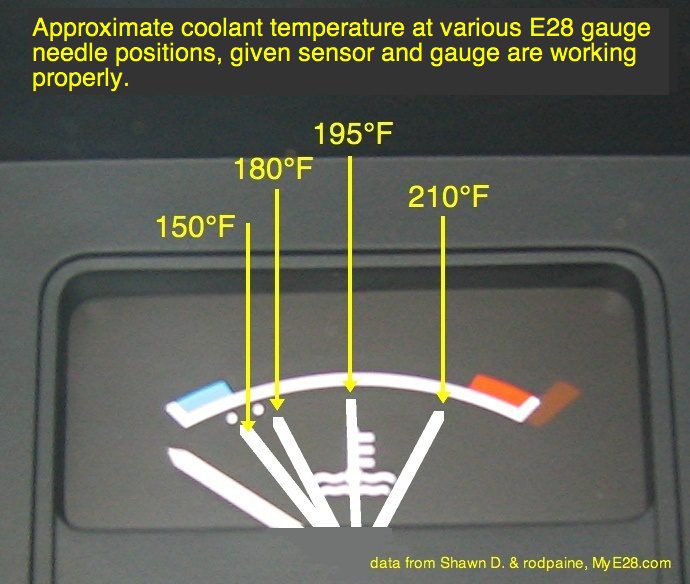
The ideal temperature for a car engine is important. Most engines run best at 195 to 220 degrees Fahrenheit. This helps the engine work well and last longer. Engines too hot can cause damage. Too cold and it may not perform well. Always keep an eye on the temperature gauge. It shows if the engine is getting too hot. Regular checks help avoid engine problems.
Make sure the coolant level is correct. It helps keep the engine cool. Use the right coolant for your car. Different cars need different types. Check your car manual for this information. Keeping the engine at the right temperature saves money. It also keeps the car running smoothly.
Credit: www.kseal.com
Factors Affecting Engine Temperature
Hot weather can make engines run hotter. Cold climates might cause engines to stay cool. Engine temperature changes with the outside temperature. Extreme weather affects car performance. Temperature control is important for engine health. Cars may need extra care in harsh weather.
Stop-and-go traffic heats up engines fast. Highway driving keeps them cooler. City driving can raise engine temperature. Smooth roads help engines stay stable. Rough roads may increase engine heat. Driving style can affect engine heat levels.
Small cars might heat up quickly. Large vehicles may take longer to warm. Older models can have fluctuating temperatures. New cars often have better temperature control. Electric cars operate differently than gas cars. Vehicle design impacts engine temperature.
Signs Of Temperature Issues
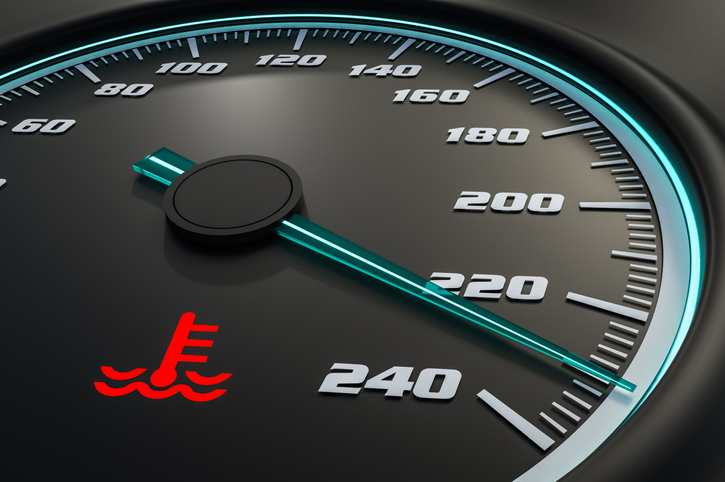
A car engine that gets too hot can be dangerous. You might see steam coming from the hood. The temperature gauge on the dashboard will move to the red zone. There might be a strange smell like burning rubber. The engine might also make loud noises. It’s important to stop driving if this happens. Let the engine cool down before checking it.
A car engine should not be too cold either. Cold engines can make strange noises when starting. They might stall or stop running suddenly. The car might not warm up properly. This can cause poor fuel efficiency. The dashboard might show a cold warning light. It’s important to let the engine warm up before driving. This ensures everything runs smoothly.
Preventive Measures
Regular maintenancekeeps your car in top shape. It’s like a health check for your car. Change the oil on time. Check the brakes and tires. All parts need care.
The cooling systemis very important. Check it often. Make sure there’s enough coolant. This helps the car run at the right temperature. A hot car can break down.
Tools And Technologies
Cars need temperature monitoring devicesfor safe driving. These tools check the engine’s temperature. They help in preventing overheating. Keeping the engine cool is very important. It protects the car from damage. Many cars have built-in temperature gauges. Some drivers use digital thermometers. These show the exact temperature. Monitoring helps in maintaining engine health. It is crucial for good performance.
Engine management systemscontrol car functions. They manage fuel, air, and ignition. These systems keep the engine running smoothly. They adjust based on temperature data. Engines need proper temperature for best performance. Management systems use sensors to monitor this. The system alerts drivers if the temperature is too high. This prevents engine damage. A well-managed engine lasts longer. Always ensure your system works well.
Improving Vehicle Efficiency
Cars work best at certain temperatures. Engines should run between 195 and 220 degrees Fahrenheit. This helps fuel burn well. Efficiency matters. Cooler engines may waste fuel. Hotter engines can be dangerous. Proper temperature saves fuel. It keeps costs low.
Engines need care. Running too hot can harm them. Heat wears parts out faster. Cool engines last longer. Longevity depends on temperature. Regular checks help. Proper temperature keeps engines healthy. Maintenance is key.
Frequently Asked Questions
What Is The Normal Operating Temperature For Cars?
Most cars operate between 195°F and 220°F. This range ensures efficient engine performance and longevity. Staying within this temperature helps prevent engine damage. Regularly check your car’s temperature gauge to ensure it operates in this range. If the temperature exceeds this range, it might indicate a cooling system problem.
Why Does My Car Overheat Sometimes?
Overheating can occur due to several reasons, such as a faulty thermostat, low coolant levels, or a malfunctioning radiator. It can also be due to a broken water pump or clogged cooling system. Regular maintenance helps prevent overheating. Always address overheating issues promptly to avoid engine damage.
How Can I Monitor My Car’s Temperature?
You can monitor your car’s temperature using the dashboard gauge. It displays the engine’s current temperature. Most modern cars have an alert system for temperature anomalies. Regular checks during driving can prevent overheating. If you notice unusual temperature spikes, consult a mechanic immediately.
What Should I Do If My Car Overheats?
If your car overheats, turn off the air conditioning and open the windows. Pull over safely and turn off the engine. Wait for the engine to cool before checking the coolant level. Avoid opening the radiator cap when hot. If the problem persists, seek professional assistance.
Conclusion
Maintaining the right car temperature ensures smooth operation. Most cars run between 195°F and 220°F. This range helps prevent engine damage and overheating. Regular checks on the coolant system are crucial. A malfunctioning thermostat can lead to problems. Also, observe your car’s temperature gauge often.
It’s a simple step to avoid costly repairs. Keeping your car within the ideal temperature protects its longevity. Remember, a well-maintained vehicle is safer and more reliable. Stay informed and attentive to your car’s needs. It pays off in the long run.