What Type of Oil Do I Put in My Car: Essential Guide
Have you ever stood in the auto aisle, staring at rows of oil bottles, wondering which one is right for your car? Choosing the right oil isn’t just about keeping your engine running smoothly; it’s about ensuring the longevity and efficiency of your vehicle.
The wrong oil can lead to engine wear and higher maintenance costs. But fear not—you’re not alone in this confusion. Many car owners face the same dilemma. You’ll discover the key factors that determine the best oil for your car.
Whether you’re a seasoned driver or new to the world of car maintenance, understanding your car’s oil needs is crucial. Get ready to drive with confidence, knowing you’re giving your car the care it deserves. Dive in to ensure you’re making the best choice for your engine’s health!

Credit: simsgardenmachinery.co.uk
Choosing The Right Oil
Viscosity tells how thick or thin oil is. Thicker oils flow slower. Thinner oils flow faster. Look for numbers on the oil bottle. A number like “5W-30” is common. The first number shows how oil flows in cold. The “W” stands for winter. The second number shows how oil flows when hot.
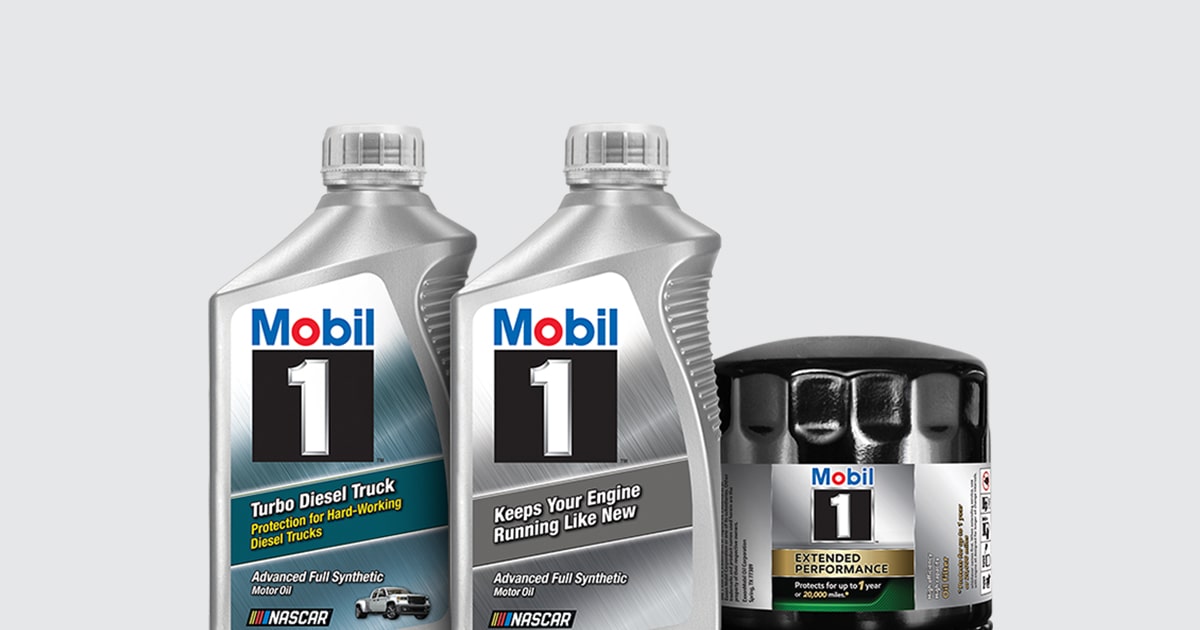
Synthetic oil lasts longer. It protects the engine better. Conventional oil is less costly. It works fine for many cars. Choose based on your car’s needs. Check your car’s manual for advice.
Always follow what the car maker says. Check the manual for oil type. They know best what oil fits. Using the right oil keeps the engine healthy. It helps the car run smoothly.

Credit: www.integrity1auto.com
Factors Affecting Oil Choice
Different climates need different oils. Cold weather can make oil thick. Thick oil may not move well. Hot weather makes oil thin. Thin oil may not protect well. Some oils work better in cold. Others work better in heat. Choose oil that fits your climate.
Short trips can wear out oil fast. Long drives need oil that lasts. Frequent stops need special oil. Smooth roads need different oil than bumpy roads. High-speed driving needs strong oil. Slow-speed driving needs light oil. Pick oil that matches your driving style.
Old engines may need thicker oil. New engines often need thin oil. Worn engines need more care. Good engines need less care. Some engines need oil more often. Others need oil less often. Always check your engine’s needs. Choose oil that fits your engine.
Benefits Of Regular Oil Changes
Regular oil changes keep the engine clean. Dirty oil slows it down. Clean oil helps the engine run smoothly. It reduces friction. Less friction means better performance. The engine works less hard with clean oil. This helps it last longer.
Old oil makes the engine work harder. This uses more fuel. Fresh oil helps the engine run easier. It saves fuel. Saving fuel means saving money. Clean oil helps the car go further on less gas.
Fresh oil protects engine parts. It stops wear and tear. It reduces damage over time. Clean oil keeps the engine healthy. A healthy engine lasts longer. Regular oil changes are important for engine life.
Common Oil Types
Full synthetic oil is great for your car. It works well in all temperatures. Engine stays clean and runs smoothly. It may cost more, but it lasts longer. You need fewer oil changes. This oil protects the engine parts really well.
Synthetic blend oil is a mix. It combines synthetic and regular oil. Good choice for drivers who need some extra protection. It costs less than full synthetic oil. It offers better engine protection than regular oil.
High mileage oil is for cars with many miles. Helps reduce leaks and oil consumption. It keeps old engines running smoothly. This oil has special additives. They help keep the engine clean. A good choice for cars over 75,000 miles.
Checking Oil Levels
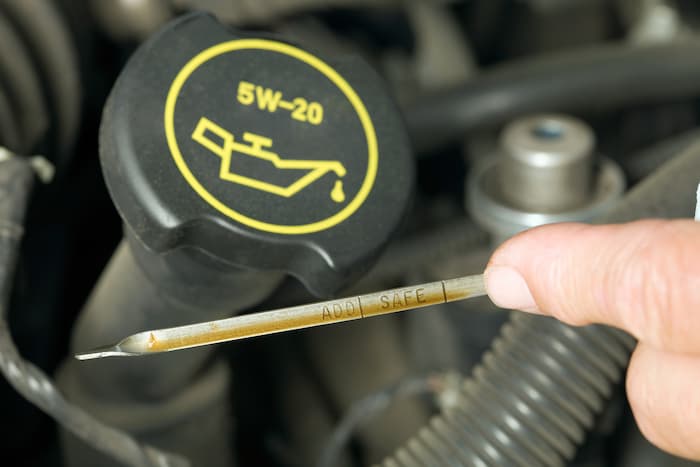
Find the dipstick near the engine. Pull it out carefully. Wipe it clean with a cloth. Put it back in fully. Pull it out again. Look at the oil level on the stick. The level should be between the marks. If it’s low, you need more oil.
Listen for engine noises. The engine might sound louder. Look for a warning light on the dashboard. The oil light may be on. Check for oil spots under the car. These are signs of low oil.
Check your oil every month. Add oil if the level is low. Use oil recommended for your car. Always keep some oil at home. It helps in emergencies.
Credit: www.mobil.com
DIY Oil Change Tips
Choosing the right oil for your car can be confusing. Check your car’s manual for recommendations. Consider your driving habits and climate when selecting oil.
Necessary Tools And Equipment
Start with a wrench to remove the oil filter. You’ll need an oil pan to catch the old oil. Gloves keep your hands clean. Have a funnel ready for pouring new oil. Use a jack to lift the car safely. A new oil filter is essential. Get the right engine oil for your car.
Step-by-step Process
Begin by lifting the car with a jack. Place the oil pan under the engine. Use the wrench to unscrew the oil plug. Let the old oil drain into the pan. Remove the old filter with the wrench. Place the new filter. Pour new oil using the funnel. Check the oil level with the dipstick.
Disposing Of Old Oil
Never throw old oil in the trash. It’s bad for the environment. Take it to a recycling center. Some auto shops accept old oil. Use a sealed container for transport. Always follow local disposal rules. Keep the earth clean.
Frequently Asked Questions
What Is The Best Oil For My Car?
The best oil for your car depends on the manufacturer’s recommendation. Check your owner’s manual for the recommended oil type and viscosity. Using the correct oil ensures optimal engine performance and longevity. Always consider factors like climate and driving conditions when choosing oil.
How Often Should I Change My Car Oil?
Typically, you should change your car oil every 3,000 to 5,000 miles. However, this varies based on the type of oil and driving conditions. Synthetic oil may last longer than conventional oil. Always follow your car manufacturer’s recommended oil change interval for best results.
Can I Mix Different Types Of Car Oil?
It’s generally not advisable to mix different types of car oil. Mixing oils with different viscosities or formulations can affect engine performance. If necessary, consult your vehicle’s manual or a professional mechanic before mixing oils. Always use the recommended oil type for your vehicle.
What Happens If I Use The Wrong Oil?
Using the wrong oil can lead to reduced engine efficiency and potential damage. It may affect engine lubrication, leading to increased wear and tear. Always use the oil type recommended by your vehicle’s manufacturer to ensure optimal performance and longevity.
Conclusion
Choosing the right oil matters for your car’s health. Check your car’s manual for guidance. Use oil that matches the recommended type and grade. Synthetic oils can offer better performance. Change your oil regularly to keep the engine running smoothly.
Proper maintenance saves money and extends the life of your vehicle. Always consider your driving habits and climate when selecting oil. Regularly checking oil levels ensures optimal engine performance. Remember, a little attention goes a long way in keeping your car happy.
Stay informed, and enjoy a smooth ride!