Whats the Max Mileage on a Car? 200K Reality Check
200,000 miles is realistic if the car has clean records, no rust, and major wear items have been replaced; without that proof, treat it as a hard pass. Buy the wrong one, and you can inherit a transmission bill, suspension work, and downtime that costs more than the car. This guide shows how to judge mileage, which records matter most, and when 200k is still worth buying or keeping.
What does car mileage actually tell you?
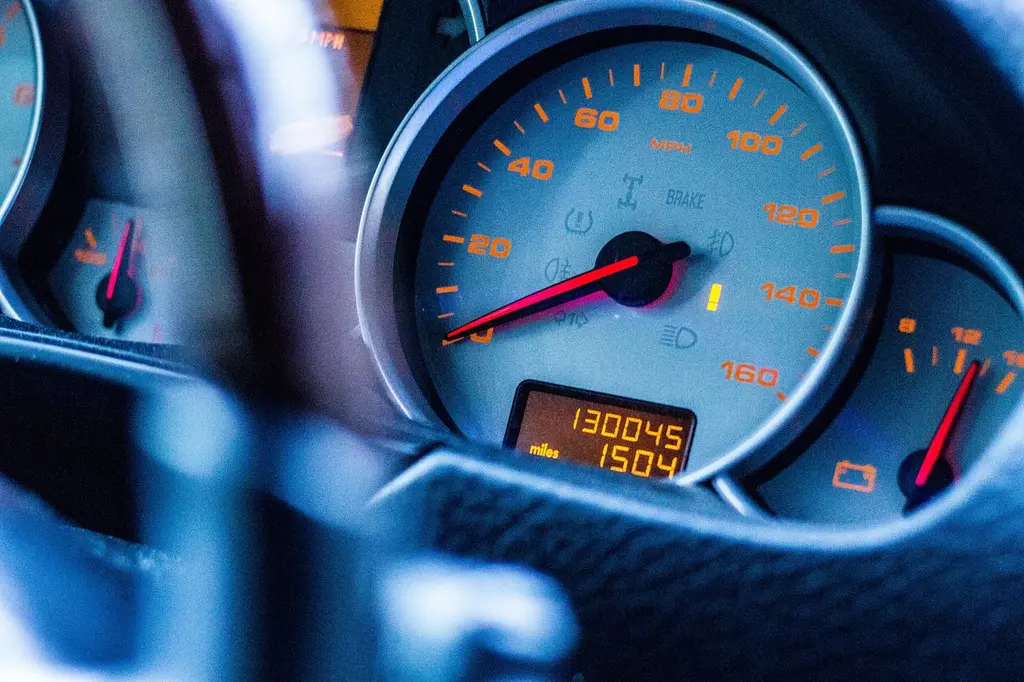
Car mileage is the total distance a vehicle has travelled. The odometer on the dashboard is the main source for that number, and it is usually placed near the speedometer. Mileage is a wear marker, not a verdict. It shows how far the car has moved, not how well it has been maintained.
Odometer reading versus real condition
A clean odometer reading can still hide neglect. A 90,000-mile car with skipped oil changes, old coolant, and worn rubber parts can be worse than a 140,000-mile car with records and timely repairs. Mileage matters because moving parts, seals, fluids, brakes, and suspension all age with use.
Why mileage and age can point in different directions
Age can matter as much as distance because cars deteriorate while parked too. Rubber dries out, fluids break down, and electrical faults creep in. A low-mileage car that spent years outside may have more corrosion and seal damage than a higher-mileage commuter that saw regular service and steady use.
Can a car last 200,000 miles?
Yes. Modern cars can last up to 200,000 miles or more with proper care, but that depends on maintenance history, driving conditions, and whether wear items have already been replaced. Only one percent of cars reach the 200,000-mile mark, so that number is a useful threshold, not a guarantee of failure.
Which components usually outlast the engine
The engine is often not the first expensive part to fail. Well-maintained engines can last a long time if oil changes, fluid checks, and scheduled tune-ups are done on time. Many cars reach high mileage first by replacing consumables such as brake pads, belts, hoses, batteries, shocks, and tyres along the way.
What tends to fail first on a high-mileage car
Wear items usually show the first warning signs. Cooling parts, suspension joints, wheel bearings, brake components, seals, and transmission behavior deserve close attention. A worn engine is costly, but so is a car that needs a radiator, control arms, rear dampers, and a gearbox service at once.
Why maintenance records matter more than the number
Records show whether the car has been cared for at the right intervals. Oil changes are commonly recommended every 5,000 to 10,000 miles, and brake pad replacements are roughly every 25,000 to 40,000 miles. Missed intervals do not mean a car is dead, but they do raise the risk sharply.

Is mileage or age more important when buying a used car?
Neither number wins alone. Mileage shows how far the car has travelled; age shows how long seals, fluids, electronics, and bodywork have had to age. A good buy is usually the car with sensible mileage, regular service, and no sign of long storage, corrosion, or repeated short-trip use.
When low miles are still a warning sign
Low mileage does not automatically mean a better car. A car that is fairly old but has very low mileage may have sat too long, especially if service gaps are large. Long storage can age tyres, brake hydraulics, coolant, and air-conditioning seals even when the odometer barely moves.
Why short trips and storage can hurt
Short trips leave engines and exhaust systems cold for too long. That can allow moisture and fuel dilution to build up, especially in city cars that rarely warm through. Storage adds its own risk: flat spots on tyres, surface rust on brakes, and stale fluids that should have been changed before sitting.
How to weigh miles against service history
Start with records, then inspect condition, then judge mileage. A full service history with dated oil changes, coolant work, brake replacement, and documented repairs is worth more than a low number on the cluster. If the paperwork is thin, the odometer figure should count for less, not more.
What mileage is too high for a used car?
There is no single mileage that is too high for every used car. The right cutoff depends on records, drivetrain type, climate, and rust. A car with lower mileage should still have strong documentation. A car in the higher-mileage range needs a deeper inspection. At very high mileage, proof matters more than price.
| Mileage band | Records you should see | Inspection checks | Red flags |
|---|---|---|---|
| Under 100,000 miles | Stamps or invoices for oil changes, brake work, coolant service, tyre rotations, and scheduled tune-ups | Check for leaks, tyre age, brake wear, clean fluid levels, even panel fit, and smooth idle | Missing service records, inconsistent mileages, old tyres, noisy cold start, or signs of long storage |
| 100,000-200,000 miles | Evidence of oil changes, transmission service if required, brake replacements, coolant history, and major repairs already done | Test cooling system, suspension joints, steering play, brake feel, transmission shift quality, rust, and rubber seals | Overheating, slipping gearbox, heavy oil use, clunks over bumps, rust underbody, or gaps in the timeline |
| 200,000+ miles | Full ownership and service history, proof of major wear-item replacement, and mileage records that match every inspection | Check compression or compression symptoms, transmission behavior, cooling system, mounts, suspension, corrosion, and electrical faults | No records, any mismatch in mileage, smoke, overheating, gearbox faults, major rust, or multiple pending repairs |
How to read the 200,000-mile threshold
At 200,000 miles, the car is no longer judged only by engine durability. You are buying the whole history: roads, weather, maintenance, storage, and repair decisions. A well-kept high-mileage car can be sound. A neglected one can be a rolling repair list.
How highway miles, city miles, and storage change wear

Not all miles are equal. City driving, stop-and-go traffic, short trips, harsh weather, rough terrain, and long storage can be harder on a car than steady motorway use. Highway miles usually mean fewer cold starts and steadier engine temperatures, which often reduces wear on many parts.
Why stop-and-go traffic is harder on parts
Frequent acceleration and braking wear brake pads faster and load the transmission, cooling system, and engine more often. Idling in traffic can also build heat without much airflow through the radiator. That is why a 60,000-mile urban car may feel older than a 90,000-mile motorway cruiser.
How motorway miles compare with commuting miles
Steady motorway use is usually gentler on brakes, gear changes, and cooling than repeated commuting across short trips. The car still wears, but often in a more predictable way. A commuter sedan used for long daily runs can age better than a car that only saw five-minute errands.
Why climate, idle time, and storage matter
Salt, humidity, heat, and freezing winters all speed up corrosion and rubber aging. Long idle periods can be as bad as extra mileage when fluids sit, batteries discharge, and seals dry out. A car in a dry climate with regular servicing may outlast a lower-mileage example from a wet, salty area.
Two quick examples
Say your choice is a higher-mileage diesel hatchback with service records and a clean underside, versus a lower-mileage city car with noticeable gaps in the history. The higher-mileage car may be the safer buy because its use pattern and paperwork are clearer.
Suppose a 210,000-mile pickup spent its life hauling on the motorway, but its rear springs, shocks, and brake lines were replaced on schedule. That truck may still be a better risk than a 130,000-mile truck that towed hard, overheated twice, and has no documented cooling work.
How do you check if mileage has been rolled back?
Mileage rollback, also called clocking, is a serious fraud risk. The RAC estimates 1 in 16 used cars on UK roads has had mileage altered, and around 160,000 UK cars are sold each year with incorrect mileage. Clocking can raise a sale price by up to 25%, so inconsistencies matter.
Mileage rollback clues in paperwork and service stamps
Look for service records that do not rise in a straight line. If a service invoice shows 84,000 miles and a later one shows 73,000 miles, something is wrong. Watch for gaps in ownership, repeated handwriting, missing dates, and stamps from garages that cannot be verified.
Using a vehicle history report to cross-check readings
A vehicle history report should compare mileage records, service intervals, ownership history, and inspection history. The point is not only to confirm a total. It is to see whether the odometer story matches the paperwork, the sale listing, and any past inspection entries.
Inspection signs that the odometer story is wrong
Interior wear should fit the reading. Worn pedals, shiny steering wheels, sagging seat bolsters, and tired switchgear can expose a car that claims to be low mileage. A dashboard cluster that looks replaced, or a reading that drops between records, is a major warning sign.
High-mileage buying checklist: records, inspections, and red flags
Use the records first, then inspect the car, then decide whether the price still makes sense. High mileage can still be reliable if the evidence is strong. It becomes risky when the numbers, paperwork, and physical condition do not agree.
- Check service records for oil changes, fluid checks, scheduled tune-ups, and major repairs.
- Compare mileage entries across invoices, inspection certificates, and the vehicle history report.
- Inspect for rust, leaking fluids, worn suspension, tired brakes, and cracked rubber parts.
- Test engine cooling, idle quality, gearbox shifts, steering feel, and brake response.
- Ask what has already been replaced, including belts, water pump, brake pads, shocks, and tyres.
- Walk away if the mileage story, paperwork, and condition do not line up.
Records that matter most before you buy
The most useful files are dated service invoices, inspection history, ownership history, and mileage entries that repeat consistently over time. For a high-mileage car, proof of coolant work, brake replacement, transmission servicing where required, and oil changes at sensible intervals is far more useful than a vague “full history” claim.
Inspection checks for engine, drivetrain, and wear items
Separate drivetrain durability from wear items. A strong engine does not cancel worn suspension, bad mounts, tired brakes, or perished hoses. Check for smoke, rough idle, hard starting, shuddering shifts, clunks over bumps, uneven tyre wear, and damp patches under the car.
Red flags that should change the offer or kill the deal
Any mismatch between the odometer and paperwork should slow the deal or end it. So should rust in structural areas, overheating, slipping gears, coolant loss, transmission delays, or evidence of mileage rollback. If several major wear items are already overdue, the purchase price should fall sharply.
What maintenance matters most on a high-mileage car?
On a high-mileage car, the most important work is regular oil service, coolant care, brake replacement, transmission maintenance when specified, and inspection of suspension and rubber parts. Those items protect the engine and keep wear from spreading into larger faults that are much more expensive to fix.
Engine and cooling
Oil changes, coolant checks, and leak repairs keep the engine alive. Overheating history is a serious warning sign because heat harms head gaskets, hoses, seals, and transmission fluid. If a high-mileage car has no record of cooling-system work, ask hard questions before making an offer.
Suspension, brakes, and rubber parts
Suspension parts, brake pads, bushings, and hoses age fast under heavy use. Brake pads are commonly due every 25,000 to 40,000 miles, but the exact timing depends on the car and driving pattern. Cracked rubber parts can turn a decent car into a noisy, loose, and expensive one.
Drivetrain and transmission
Engine life is only part of the story. A healthy gearbox, differential, driveshaft, or hybrid transaxle can be the difference between a good buy and a money pit. Smooth shifts, clean fluid history, and no shudder under load matter as much as the odometer figure itself.
Is a low-mileage car always better?
No. A low-mileage car is only better when the condition, age, and history support the number. A neglected low-mileage car can need more work than a well-kept high-mileage one. Low mileage should lower risk, not replace inspection, records, or common sense.
Why low mileage can hide time-based damage
Cars age by calendar as well as distance. Fluids degrade, seals harden, batteries weaken, and corrosion grows even if the odometer barely moves. A car that has spent years parked outside may need work that a high-mileage daily driver already had done.
How to judge different vehicle types
Commuter sedans often age predictably if serviced on time. Trucks may tolerate distance well but can suffer from towing and load stress. Hybrids add battery and cooling-system checks to the usual list. EVs reduce engine wear, yet tyres, suspension, brakes, and battery condition still matter. Performance cars often age fastest because hard use stresses brakes, tyres, clutches, and cooling.
Frequently asked questions
What is considered high mileage on a car?
High mileage usually means a car is well past its first major wear cycle, often around 100,000 miles and above. That threshold is not a verdict. The real question is whether the service history, inspection results, and mileage pattern support continued use without major overdue repairs.
Can a car last 200,000 miles?
Yes. Modern cars can last up to 200,000 miles or more with proper care. The strongest candidates have regular oil changes, cooling-system attention, timely brake work, and proof that major wear items were replaced before they caused wider damage. Records matter as much as the odometer.
Is mileage or age more important when buying a used car?
Both matter, and neither should be judged alone. Mileage shows use; age shows time-based wear. A younger car with very high miles may be a better bet than an old car that sat outside for years. Service history is the tie-breaker when the numbers conflict.
What does car mileage actually tell you?
Car mileage tells you the total distance a vehicle has travelled, not its full condition. The odometer records that number, but it does not reveal how hard the car was driven, whether it was serviced on time, or whether it spent years in storage or traffic.
How do you check if mileage has been rolled back?
Compare the odometer reading with service invoices, inspection records, ownership history, and a vehicle history report. Look for mileages that fall backward, a worn interior that does not match the number, and missing paperwork. Any mismatch should be treated as a fraud risk, not a small error.
What maintenance matters most on a high-mileage car?
The most important items are oil changes, fluid checks, coolant service, brake work, and timely repairs to suspension and rubber parts. Those items control wear, heat, and safety. If they are missing from the records, the car may still run, but the risk level is much higher.
Products related to this article
Sponsored / affiliate links. As an Amazon Associate I earn from qualifying purchases. I may earn additional commission from eligible campaigns.