When Did Cars Lose the Crank Windows? A Simple Guide
Figuring out When Did Cars Stop Having Crank Windows? can be tricky. It’s a common question, especially for anyone interested in old cars or working on them. Maybe you’re curious about a classic car you saw, or perhaps you’re just wondering about the history of car design. Don’t worry if it seems confusing at first – it’s something many people wonder about. We’ll break it down step-by-step so you’ll know exactly when these handy little features disappeared. Let’s get started and explore the timeline!
The Rise and Fall of Hand-Cranked Windows
For a good chunk of automotive history, cranking a window was just part of the car experience. Imagine rolling down your window with a simple turn of a handle. It’s a stark contrast to the effortless button-pushing we’re used to now. These crank windows, also called manual windows, were a staple for a long time. They offered a direct, mechanical link between the driver or passenger and the outside world. They were simple, reliable, and didn’t require any electrical power to operate.
Their disappearance tells a story of technological changes and shifting consumer preferences in the automotive world. They are a sign of the past, now overshadowed by modern conveniences. They still hold a certain charm though, reminding many of simpler times.
Early Days of Auto Windows
The earliest automobiles didn’t always have windows, or at least, not the kind we’re familiar with today. Early cars were more concerned with keeping the elements out, and they often had basic windshields that could be folded down. As cars evolved, so did the need for better weather protection and the ability to control airflow. Early windows were often fixed or very basic, offering little in the way of adjustment. The desire for a more refined experience pushed automotive engineers to come up with solutions. The crank window emerged as a practical answer, allowing drivers and passengers to manage their environment easily. This mechanical simplicity made it a popular choice.
-
Primitive Windows: Before crank windows, cars often used glass panels that were either fixed in place or had basic adjustments. These early windows didn’t offer a lot of flexibility. They weren’t designed to be moved up and down easily like the crank windows that came later. They were more about protecting the occupants from wind and rain.
These designs were more about basic protection than user convenience. - Material Evolution: Initially, glass used in car windows wasn’t as safe as today’s laminated safety glass. Early windows were prone to shattering. The introduction of improved glass types, like tempered and laminated glass, significantly improved safety. The evolution of window materials made for more durable and safer windows for the passengers.
-
Weather Protection: One key function of any window is to keep out the elements. Crank windows were crucial in protecting drivers and passengers from rain, wind, and dust. A simple crank allowed for the window to be opened or closed, adjusting for weather changes. This was especially important in the days before effective air conditioning.
They were a vital component for comfortable travel.
Mechanical Window Basics
The design of a crank window is pretty straightforward. A handle, or crank, is connected to a gear mechanism within the door. Turning the crank moves the gears, which in turn move a mechanical lifter. This lifter is connected to the window, and as it moves, the window is raised or lowered within the door frame. These systems were built to be simple and easy to maintain. Unlike modern electric systems, crank windows don’t have electrical components or a motor. Their reliance on mechanical components made them durable and less prone to failure compared to more complex electric systems. These systems relied on basic principles of mechanical engineering.
- The Crank Handle: The crank handle is the most visible part of the system. It’s the point of contact where a person applies force to move the window. The handle’s size and shape were designed for easy grip and leverage. The design was all about making it as simple as possible to open and close the window, and the material selection was all about durability.
- Gear Mechanism: Inside the door, a gear mechanism converts the rotational motion of the crank handle into the linear motion required to raise or lower the window. These gears are usually enclosed for protection. This is an example of mechanical advantage at work. These gears are responsible for multiplying the force applied by the user.
- Lifter and Track System: The window is attached to a lifter, which slides up and down within tracks inside the door. This system ensures that the window moves smoothly and stays aligned within the window frame. The design allows the window to move vertically. The tracks help keep the window stable as it moves.
The Shift to Power Windows
The introduction of electric power windows was a major change in car design. They offered drivers and passengers an easier way to open and close their windows. This was a move away from the manual crank windows. Power windows added a new level of convenience. Electric motors replaced the need for manual cranking. This transition reflects the overall trend towards convenience in automotive design. It represented a major shift in the way cars were built and operated.
How Power Windows Changed Things
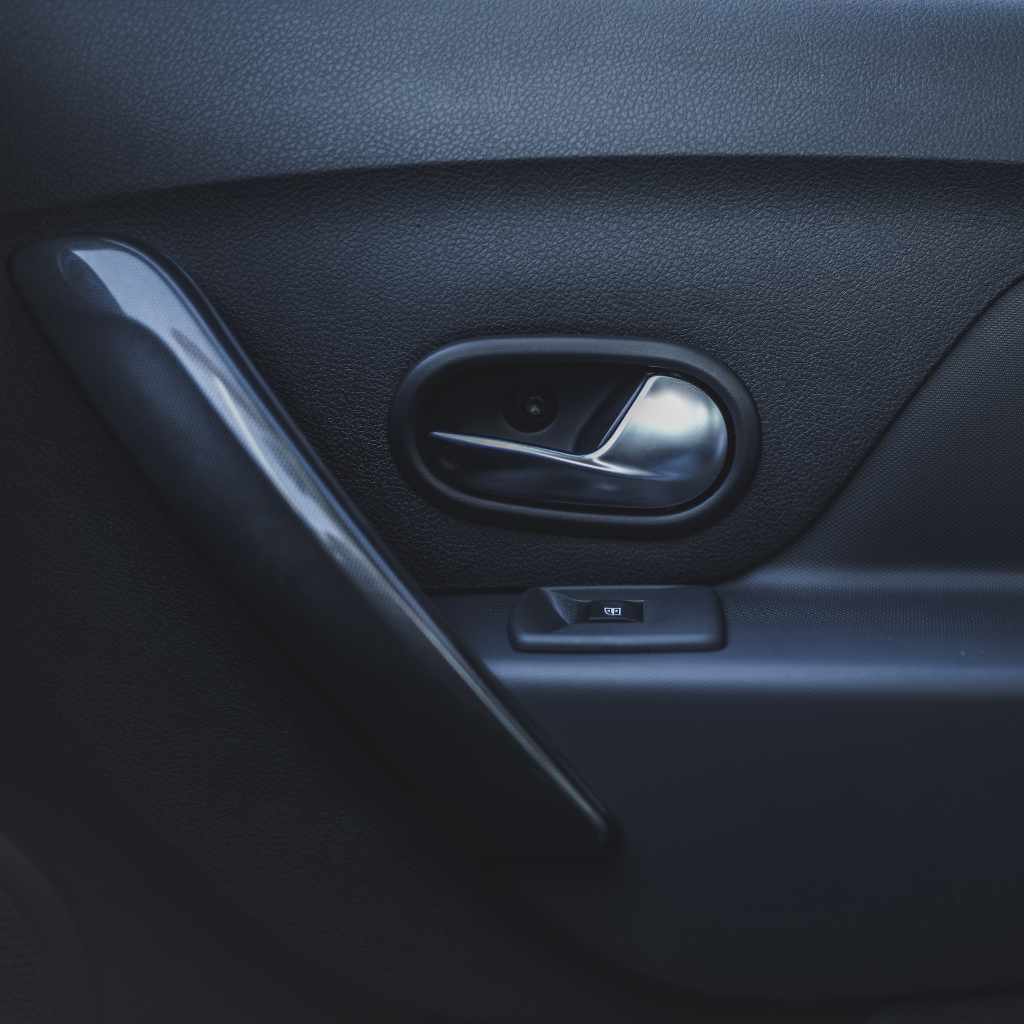
Power windows use an electric motor to raise and lower the windows. The motor is controlled by a switch, usually located on the door panel. This system eliminates the need for any manual effort. With power windows, all it takes is the touch of a button. The switch sends an electrical signal to the motor. The motor then drives a gear mechanism that moves the window. Power windows also offer added safety features such as the auto-up/down functions. These systems made the operation much easier than cranking. They changed the experience of being in a car.
- Electric Motor: The core of a power window system is the electric motor, usually a small DC motor. This motor provides the power to move the window up or down. The motor is designed to provide sufficient torque to overcome the friction and weight of the window. The motor’s power determines how quickly the window moves.
- Control Switches: Power windows are controlled by switches that allow the user to activate the motor. These switches typically have two positions: up and down. The switches can be located on the driver’s door and allow control of all windows. The design of these switches is user-friendly and intuitive.
- Gear Mechanisms: Power window systems also use a gear mechanism, similar to the crank window. However, in this case, the motor drives the gears. The gears convert the rotary motion of the motor into the linear motion needed to raise and lower the window. These gears are designed for strength and reliability.
Benefits of Power Windows
Power windows offered several advantages over crank windows, including greater convenience and ease of use. They eliminated the physical effort of cranking, which was especially beneficial for drivers. Power windows also allowed for easier control of all windows from the driver’s seat. They integrated well with other electric features of the car. Many consumers found these features to be a major selling point. The rise in popularity shows how quickly they were adopted.
- Convenience and Ease of Use: The primary benefit of power windows is convenience. With a simple push of a button, drivers and passengers could open or close their windows. This was especially helpful for people with mobility issues. The simple design made the whole process much easier. It was particularly useful in bad weather conditions.
- Centralized Control: Power windows allow the driver to control all windows from a single location, typically the driver’s door. This feature is particularly useful for parents, allowing them to control the windows for safety. This centralized system also means drivers can quickly react to weather changes.
- Integration with Other Systems: Power windows could easily be integrated with other electrical systems in a car. Features such as key-operated window control were made possible. They also support advanced features such as auto-up and auto-down. They blend perfectly with the modern features of automobiles.
When Did Cars Stop Having Crank Windows? The Timeline
Pinpointing the exact moment when cars stopped using crank windows is a bit complicated. There wasn’t a single year where all manufacturers switched over. The change was gradual. Some automakers embraced power windows quickly, while others were slower. The transition varied depending on the vehicle’s model, price, and manufacturer. As power windows became more affordable and reliable, their adoption increased. These changes reflect how technology evolves in the auto industry.
Mid-Century and Beyond
The 1960s and 1970s saw the beginning of the shift. Power windows were mostly found on luxury vehicles. As technology improved and costs went down, power windows started appearing in more affordable cars. Automakers began to offer them as optional equipment. By the 1980s, power windows were becoming more widespread. The move from crank windows accelerated as power window technology became more accessible. The shift represented a broader trend in the automobile industry toward convenience features.
- Luxury Vehicles: In the 1960s, power windows were standard features in luxury vehicles. They were a status symbol and a way to differentiate high-end cars. Brands such as Cadillac and Lincoln made power windows a key selling point. This trend established power windows as premium features.
- Mid-Range Cars: The 1970s saw power windows appearing as options in mid-range cars. This was due to technological advances and changes in consumer desires. This expansion reflected the increasing demand for convenience features in vehicles. The increased accessibility helped to grow the market share of power windows.
- The 1980s Transformation: The 1980s were a critical decade. Power windows became a standard feature in many cars. As manufacturing costs decreased, automakers made power windows a standard feature. By the late 1980s, many models had power windows as standard equipment. This made crank windows less common.
The Late 20th and Early 21st Centuries
By the 1990s, crank windows were nearly extinct in passenger cars. The vast majority of new cars came equipped with power windows. The few remaining instances of crank windows were typically in very basic, inexpensive models. Today, finding a new car with crank windows is exceedingly rare. This rapid disappearance highlights how technology can quickly change consumer expectations and product offerings. The shift also showed that consumers preferred the convenience of power windows.
- 1990s: The Near Demise: In the 1990s, the decline of crank windows accelerated. Most cars were built with power windows, and crank windows were becoming uncommon. The few remaining crank windows were usually found in very basic, budget-oriented vehicles. The disappearance demonstrated how rapidly technology was being adopted.
- Early 2000s: The Almost Extinction: By the early 2000s, crank windows were exceedingly rare in the new car market. The advantages of power windows were clear to both manufacturers and consumers. The few models that offered crank windows were mostly stripped-down, base models. The ease of use was preferred.
- Modern Era: Nowadays, power windows are a standard feature. Crank windows have become a relic of the past. The technology’s reliability and affordability mean nearly all cars now come standard with power windows. The shift represents how much the automobile has changed over the years.
Factors That Led to the Change
The shift from crank windows to power windows wasn’t just about a single factor; a variety of elements came into play. Technological developments, declining costs, and changing consumer preferences all contributed to the transition. Understanding these factors gives insight into how the automotive industry evolves. These factors highlight how the car industry adapts to meet the changing needs of its consumers.
Technological Advancements
Improvements in electric motor technology were critical to the development and adoption of power windows. As electric motors became smaller, more efficient, and more reliable, they became ideal for use in cars. These advances made the move to power windows much smoother. The overall improvement of electrical systems also supported this shift. The advancements in manufacturing processes made it easier to mass-produce the parts for power windows.
- Electric Motor Improvements: The efficiency and power output of electric motors increased significantly. This led to compact motors that could fit inside car doors and easily operate windows. This technology also resulted in improved reliability and durability. The improvements meant the motors could handle repeated use.
- Reduced Costs: As technology advanced, the cost of manufacturing electric motors decreased. This made power windows more affordable. Automakers could start offering them on a wider range of vehicles. This cost reduction helped to make power windows accessible to more consumers.
- Integration: The integration of power windows with other electrical systems was made easier. This included features like central locking and remote key systems. These technological advancements improved the user experience. They also made the cars more convenient and easier to operate.
Consumer Preferences and Demand
Consumers began to appreciate the convenience and luxury of power windows. Power windows signaled a higher level of technology in a vehicle. The trend toward increased ease of use in vehicles fueled the shift. Power windows became a desired feature, especially among drivers. The demand from consumers drove car makers to include power windows.
- Convenience as a Selling Point: Consumers wanted user-friendly features. Power windows, with their ease of use, became a major selling point. The ability to open or close windows with a push of a button was attractive. Car companies responded by making them a standard feature.
- Perceived Value: Power windows added value to the vehicle. They signaled that the car had modern features and technology. This perception made vehicles with power windows desirable. It elevated their perceived value.
- Market Trends: As more cars came with power windows, the demand grew. Consumers expected the feature. This led to increased production of power windows. This was a trend that continued throughout the 1980s.
Manufacturing Efficiencies and Cost
Improved manufacturing processes played a key role. Production techniques and economies of scale helped lower the cost of power window systems. This made them more affordable for both manufacturers and consumers. The standardization of parts also made power windows easier to incorporate into vehicle designs. More efficient processes meant that power windows could be installed faster and cheaper. This meant they could be more widely used in the car manufacturing process.
- Mass Production: Mass production techniques, like assembly lines, reduced manufacturing costs. This made power windows more accessible. This allowed automakers to incorporate power windows into many models. Mass production decreased production time and cost.
- Standardization: The standardization of components made it easier to build power window systems. This simplified the design and installation process. Standard parts could be used across many different car models. This also resulted in lower production costs.
- Economies of Scale: As demand grew, production volumes increased. This resulted in economies of scale. The cost per unit went down. This meant that the technology became more widespread.
| Feature | Crank Windows | Power Windows |
|---|---|---|
| Operation | Manual cranking | Electric switch |
| Effort | Requires physical effort | Effortless |
| Convenience | Less convenient | Highly convenient |
| Cost | Lower | Higher initially, but became more affordable |
| Integration | Limited | Easily integrated with other electrical systems |
Frequently Asked Questions
Question: What year were power windows commonly available?
Answer: Power windows became commonly available in the 1980s and 1990s, though they were introduced earlier in luxury cars.
Question: Why did crank windows disappear?
Answer: Crank windows disappeared because power windows offered more convenience and were more easily integrated into car designs, while the manufacturing costs of power windows became lower over time.
Question: What were the advantages of crank windows?
Answer: The main advantage of crank windows was their simplicity and reliability. They didn’t rely on electricity.
Question: Are there any cars that still have crank windows?
Answer: Very few modern cars still have crank windows, and these are usually in base or budget models.
Question: When did power windows become standard in most cars?
Answer: Power windows became standard in most cars by the late 1990s and early 2000s.
Final Thoughts
So, When Did Cars Stop Having Crank Windows? The answer isn’t a single year, but a transition over several decades. Power windows gradually