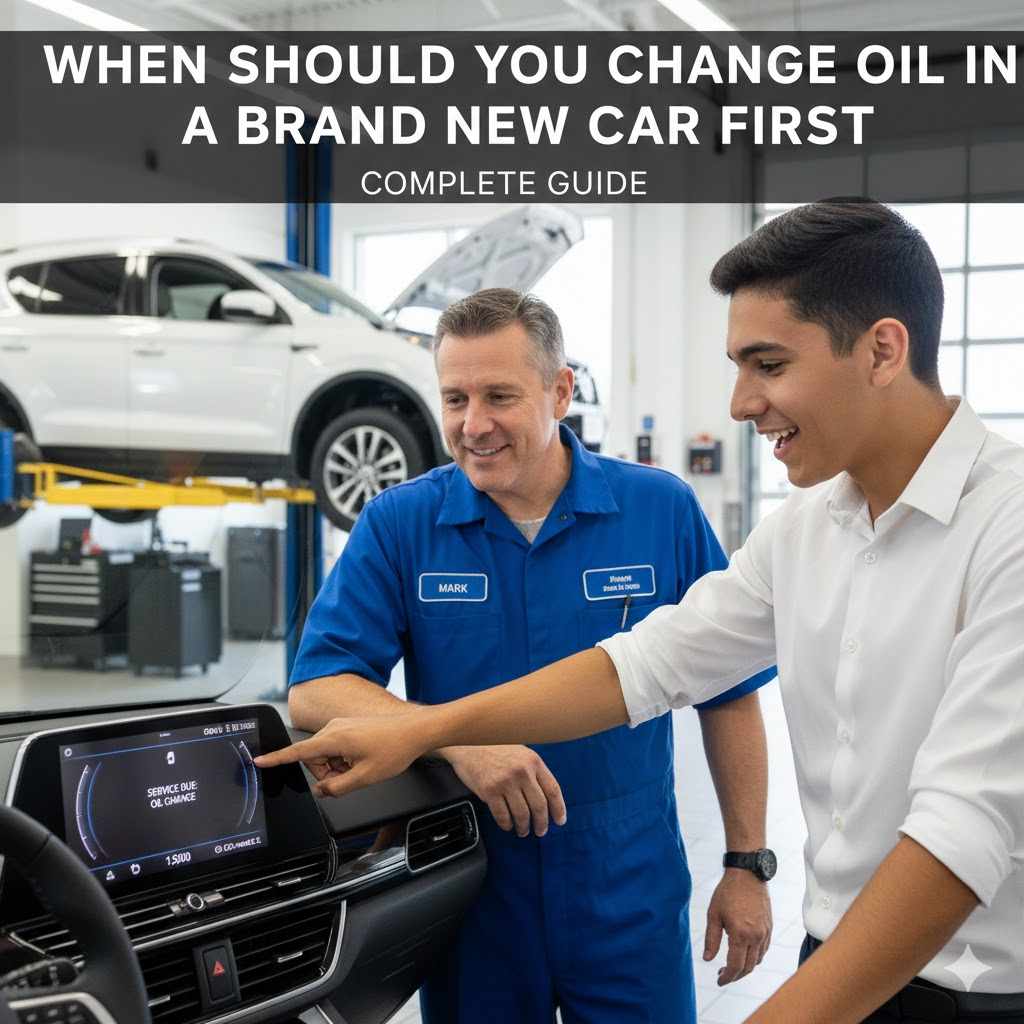
When Should You Change Oil in a Brand New Car First
Getting a new car is exciting! But then you start thinking about car care, and a big question pops up: When Should You Change Oil in a Brand New Car First? It can feel a little tricky to figure out, especially if you’re new to car ownership. Don’t worry, though!
We’re here to make it super simple. Let’s break down exactly what you need to know to keep your new ride running smoothly from the start.
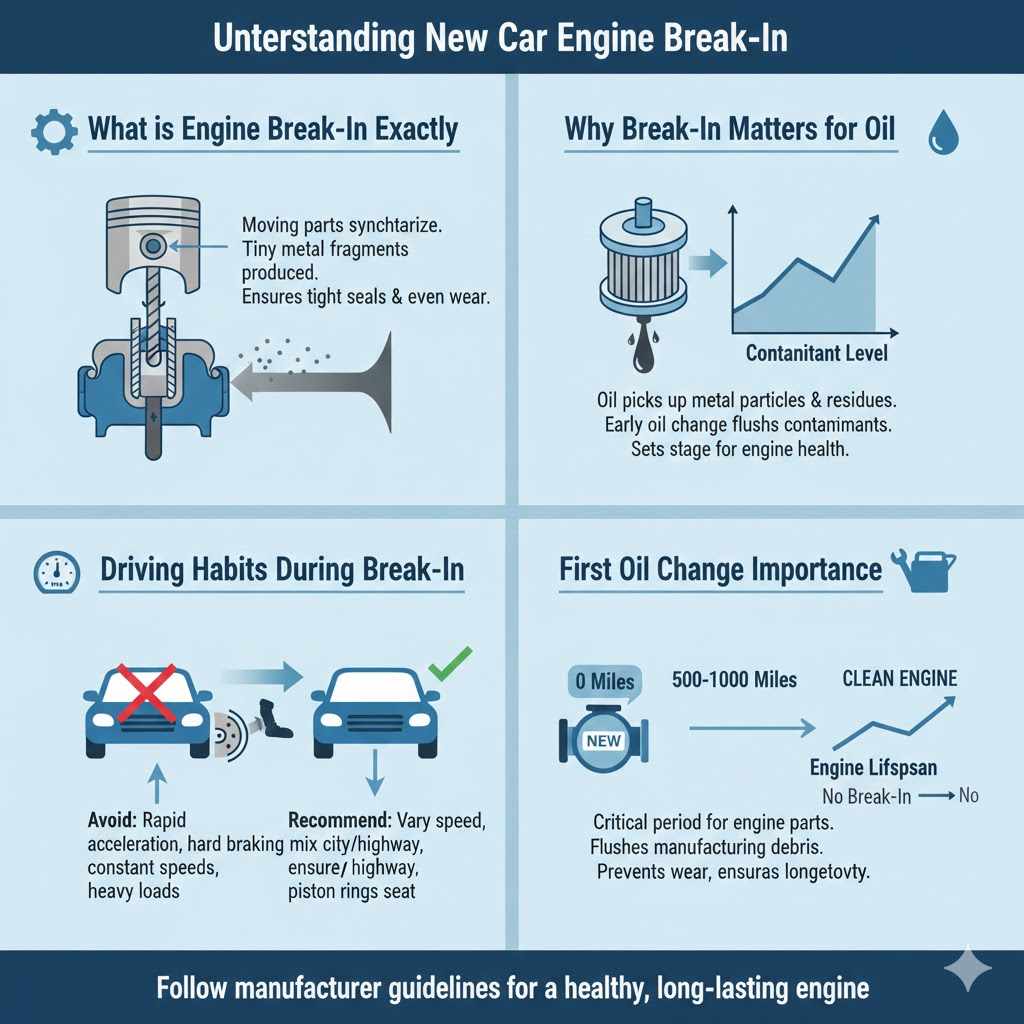
Understanding New Car Engine Break-In
When you get a brand new car, its engine is in a special phase called “break-in.” This is a super important time for the metal parts inside your engine to get used to each other. Think of it like getting a new pair of shoes; they need a little time to mold to your feet. During break-in, tiny metal particles can be shaved off as the engine parts settle.
These little metal bits are normal, but they can make your engine oil a bit dirty faster than you might expect. Paying attention to this early stage helps your engine last much longer and perform better throughout its life. This is why the first oil change is a bit different from later ones.
What is Engine Break-In Exactly
Engine break-in is a period where the moving parts within a new engine synchronize and settle. This includes components like pistons, piston rings, and cylinder walls. As these parts rub against each other for the first time, microscopic metal fragments can be produced. These fragments are tiny and don’t usually cause immediate harm, but they are a direct result of the newness of the engine.
The purpose of this phase is to ensure these parts form a tight seal and wear down evenly. This process helps prevent issues like oil leaks, blow-by (where combustion gasses escape past the piston rings), and excessive wear later on. Most car manufacturers provide specific guidelines for break-in, often suggesting a period of varied driving conditions.
Why Break-In Matters for Oil
The break-in period is directly linked to the first oil change because the engine oil acts as a lubricant and a cleaner. During break-in, the oil picks up those tiny metal particles and other residues from the manufacturing process. If this dirty oil stays in the engine for too long, these particles can circulate and potentially cause wear on other engine components.
Changing the oil early effectively flushes out these contaminants. This first oil change ensures that a clean batch of fresh oil is in place for the engine’s continued operation after the critical break-in period has concluded. It’s a preventative measure that sets the stage for optimal engine health.
Driving Habits During Break-In
How you drive your new car during the initial miles significantly impacts the break-in process. It’s generally recommended to avoid harsh driving conditions. This means refraining from rapid acceleration, hard braking, and prolonged periods at a single speed, such as highway cruising. Instead, vary your speed and engine RPMs.
Mix city driving with some highway driving, but don’t just stay on the highway for hours. Avoid towing or carrying heavy loads during this time. This varied driving helps all the engine parts get used to different operating conditions and ensures that the piston rings seat properly against the cylinder walls, creating a good seal.
The First Oil Change Schedule for New Cars
When you ask, “When Should You Change Oil in a Brand New Car First?”, the answer is often a bit earlier than you might think for regular maintenance. While your car’s owner’s manual is the ultimate guide, most manufacturers suggest a first oil change somewhere between 1,000 to 3,000 miles. This is shorter than the typical 5,000 to 7,500 miles for subsequent changes.
This early change removes the wear particles from the break-in period. Following this initial schedule is a key step in ensuring your new engine stays healthy and runs efficiently for years to come. It’s an investment in your car’s long-term well-being.
Owner’s Manual is Your Best Friend
Your car’s owner’s manual is the most important document you have for maintaining your vehicle. It contains manufacturer-specific recommendations for everything from tire pressure to oil types and change intervals. For a new car, the manual will clearly state the recommended mileage or time frame for the first oil change.
This is not a generic suggestion; it’s based on testing and engineering specific to your car’s make and model. Always consult your owner’s manual first when you have questions about maintenance schedules. Ignoring these guidelines can potentially void your warranty or lead to premature wear.
Typical First Oil Change Mileage
For most new cars, the first oil change is recommended much sooner than later oil changes. A common range is between 1,000 and 3,000 miles. Some manufacturers might specify a time frame, like six months, if you don’t reach the mileage limit.
This early change is critical because it removes the initial metal shavings and contaminants that are naturally produced during the engine’s break-in period. Think of it as giving your new engine a fresh start with clean oil. After this first change, you will then follow the longer maintenance schedule outlined in your owner’s manual for subsequent oil changes.
Time vs. Mileage for the First Change
Your owner’s manual will likely mention both mileage and time intervals. If your car has been sitting on the lot for a while before you bought it, or if you drive very few miles initially, the time interval might become relevant.
Even if you haven’t hit the recommended mileage, if six months or a year (depending on the manual) has passed since you bought the car, it might be time for that first oil change. Oil degrades over time, even if the car isn’t being driven much. Oxidation and moisture can affect the oil’s lubricating properties, so adhering to either the mileage or time recommendation is important.
Why an Early Oil Change is Beneficial
The primary benefit of changing the oil early in a new car is removing microscopic metal particles. These particles are a natural byproduct of the engine’s break-in process. They form as new metal parts rub against each other for the first time, settling into their final positions. If left in the engine, these metal shavings can circulate with the oil and potentially cause abrasion and wear on other internal engine components.
An early oil change acts like a flush, removing these abrasive particles and ensuring that the engine’s delicate parts are protected. This proactive measure contributes significantly to the long-term health and longevity of your engine, setting a good foundation for years of reliable performance.
Removing Break-In Debris
During the initial miles, the engine’s moving parts, like piston rings and cylinder walls, are not perfectly smooth. As they make contact, tiny flakes of metal are scraped off. These metal particles are extremely small, often microscopic, but they are abrasive. If they remain in the engine oil, they can travel throughout the engine and cause wear on other surfaces. For instance, they could scratch the bearings or get lodged in tight spaces.
The first oil change is designed to capture and remove this metal debris before it can cause any significant damage. It’s like cleaning out a new workshop after the initial construction to remove sawdust and debris before starting fine woodworking.
Ensuring Optimal Lubrication
Fresh engine oil is designed to provide optimal lubrication for all moving parts. In a new engine, the oil also plays a role in the break-in process itself by helping to seat components. However, as these components settle, the oil can become contaminated with wear particles, as mentioned. This contamination can reduce the oil’s effectiveness as a lubricant.
It might not be able to form a strong enough film between metal surfaces, leading to increased friction and heat. Changing the oil early ensures that the engine continues to operate with a clean and effective lubricant, reducing the risk of premature wear and overheating, and maintaining consistent performance.
Setting Up for Future Performance
Changing the oil early in your new car isn’t just about cleaning up; it’s about setting the stage for the future performance of your vehicle. A clean, well-lubricated engine from the start is more likely to maintain its power, fuel efficiency, and smooth operation over its lifespan. This initial maintenance step helps ensure that all components are working together as intended.
It reduces the chances of developing engine problems down the road, which can be costly and inconvenient. It’s a small effort now that pays off in reliability and performance for many years of driving.
What Kind of Oil and Filter to Use
When it comes to oil and filters for your new car, sticking to the manufacturer’s recommendations is key. They specify the correct viscosity grade (like 5W-30) and the oil specification (like API SN or Dexos1). Using the wrong type of oil can cause problems, even in a new engine. The same applies to the oil filter.
While many aftermarket filters are good, using the one recommended by your car maker or a high-quality equivalent ensures proper filtration. This is important because the filter needs to trap those tiny wear particles without restricting oil flow, which is crucial during the break-in period and beyond.
Oil Viscosity Explained
Oil viscosity refers to how thick or thin the oil is. It’s represented by numbers like “5W-30.” The “5W” part refers to the oil’s flow characteristics in cold weather (W stands for Winter), meaning it flows more easily when it’s cold, helping to start the engine. The “30” part indicates the oil’s thickness at normal operating engine temperatures.
Your car’s manufacturer specifies the correct viscosity for your engine, considering the climate and operating conditions it’s designed for. Using the correct viscosity ensures that the oil can reach all parts of the engine quickly when cold and provide sufficient protection when hot.
Oil Specifications and Standards
Beyond viscosity, engine oils must meet certain specifications and standards set by organizations like the American Petroleum Institute (API) and the International Lubricant Standardization and Approval Committee (ILSAC). These standards ensure that the oil has the necessary performance properties, such as wear protection, detergency (keeping the engine clean), and oxidation resistance. Your owner’s manual will list the required oil specification for your car.
For example, it might say “API SP” or “ILSAC GF-6.” Using an oil that meets these standards is just as important as using the correct viscosity. Some manufacturers, like General Motors, also have their own proprietary oil specifications, such as Dexos.
Choosing the Right Oil Filter
The oil filter’s job is to remove contaminants from the engine oil. During the break-in period, there are more particles than usual. Therefore, it’s important to use a high-quality oil filter that can effectively trap these particles without hindering oil flow. Your owner’s manual will specify the correct part number or type of oil filter for your vehicle.
While many reputable aftermarket brands offer good filters, it’s wise to stick with brands known for quality or the OEM (Original Equipment Manufacturer) filter recommended by your car dealer. A clogged or poorly functioning filter can lead to the bypass valve opening, allowing unfiltered oil to circulate, which defeats the purpose.
Synthetic vs. Conventional Oil
For many new cars, manufacturers recommend synthetic or synthetic blend oils. Synthetic oils are engineered in a lab and offer superior performance compared to conventional oils. They provide better lubrication at extreme temperatures, resist breakdown better, and often have longer service intervals.
Conventional oil is refined from crude oil and is less expensive but doesn’t offer the same level of protection or longevity. If your owner’s manual recommends synthetic oil, it’s best to use it, especially for that crucial first oil change. The added protection it provides during the break-in phase can be very beneficial.
What Happens If You Don’t Change Oil Early
Skipping that first early oil change can have consequences for your new car’s engine. While modern engines are built to be durable, they aren’t immune to the effects of dirty oil. The tiny metal particles from the break-in period can act like sandpaper inside your engine, causing premature wear on critical components.
This wear can lead to reduced engine performance, lower fuel efficiency, and potentially more serious issues down the line. Over time, this can shorten the overall lifespan of your engine, meaning you might face repairs or replacements sooner than expected, which can be quite costly.
Increased Engine Wear
The most direct consequence of not changing the oil early is increased wear on internal engine components. The microscopic metal particles act as abrasives, grinding away at surfaces like cylinder walls, piston rings, and bearings.
This wear doesn’t happen overnight, but it accumulates over time. Over years of driving, this damage can lead to several problems. You might notice a decrease in engine power, increased oil consumption as seals wear out, and a rougher engine idle. The engine’s internal tolerances might widen, affecting its efficiency and overall health.
Reduced Engine Longevity
An engine that experiences more wear from contaminated oil early on will likely have a shorter lifespan. The cumulative effect of abrasive particles and less effective lubrication can lead to components failing sooner than they would have under optimal conditions.
This means your car might not last as many miles or years as it was designed to. Instead of enjoying your car for a decade or more, you might find yourself needing a replacement much sooner. This premature aging of the engine can be a significant financial burden.
Potential for Costly Repairs
Ignoring the manufacturer’s recommendation for the first oil change can lead to expensive repairs down the road. If the wear caused by contaminated oil becomes severe, it can result in component failure. For example, a bearing might seize, or a piston ring could break. These types of internal engine damage are often very costly to repair, sometimes even exceeding the value of the car.
In worst-case scenarios, the engine might need to be replaced entirely, which is one of the most expensive automotive repairs you can undertake.
Impact on Fuel Efficiency and Performance
Even if catastrophic failure doesn’t occur, the long-term effects of a neglected break-in can be noticeable. Increased friction from wear means the engine has to work harder, leading to reduced fuel efficiency.
You’ll find yourself filling up the gas tank more often. Performance can also suffer; the engine might feel less responsive, acceleration could be slower, and it might not run as smoothly as it should. These are often subtle changes that are easier to overlook but indicate that the engine is not operating at its peak.
When Should You Change Oil in a Brand New Car First? Summary
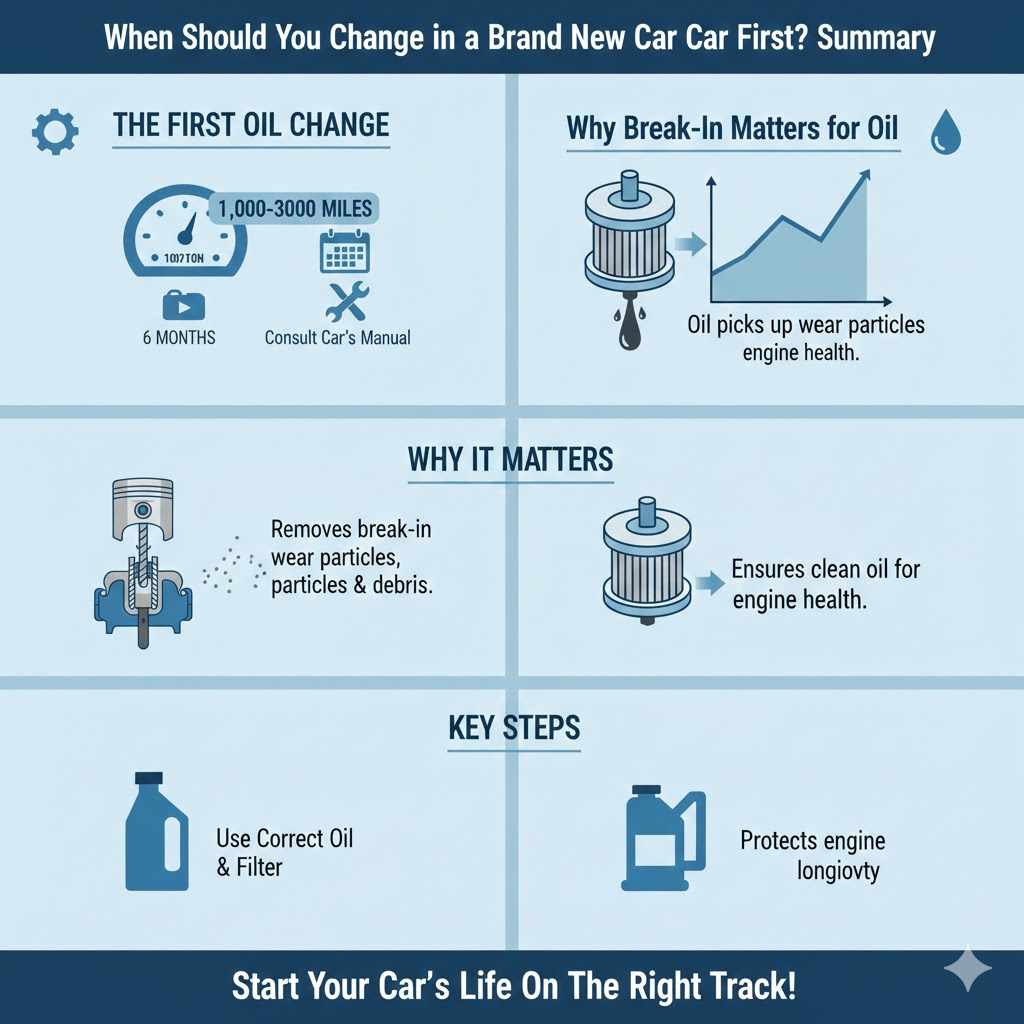
So, to answer the question, When Should You Change Oil in a Brand New Car First?, it’s generally around 1,000 to 3,000 miles or within the first six months, as per your car’s manual. This early oil change is vital for removing wear particles from the engine’s break-in period. Using the correct oil and filter also plays a big role.
Taking this simple step helps protect your new engine, ensuring it runs smoothly and lasts for many years. It’s the best way to start your car’s life on the right track.
Frequently Asked Questions
Question: What is the break-in period for a new car?
Answer: The break-in period is the initial phase of driving a new car, typically the first 1,000 to 3,000 miles, where the engine’s internal parts settle and form a seal. During this time, it’s recommended to vary your driving speed and avoid hard acceleration or braking.
Question: Do I really need to change the oil so soon in a new car?
Answer: Yes, the first oil change is usually recommended earlier than subsequent ones because the engine produces tiny metal particles during the break-in process. Changing the oil early removes these particles and ensures clean lubrication for your engine.
Question: Can I use any oil in my new car?
Answer: No, you must use the specific type of oil recommended by your car’s manufacturer. This includes the correct viscosity grade (e.g., 5W-30) and oil specification (e.g., API SP, Dexos1) as stated in your owner’s manual.
Question: What happens if I miss the first oil change?
Answer: If you miss the first oil change, the tiny metal particles from the break-in can circulate in the engine, causing premature wear and potentially leading to reduced performance, lower fuel efficiency, or costly repairs down the line.
Question: Does the first oil change cost more?
Answer: The cost of the first oil change is typically similar to other oil changes, depending on the type of oil used and the service provider. Some dealerships may offer a complimentary first oil change with the purchase of a new vehicle.
Wrap Up
When Should You Change Oil in a Brand New Car First? The answer is usually between 1,000 to 3,000 miles or six months. This early change removes break-in wear particles and keeps your engine healthy.
Always check your owner’s manual for the exact recommendation. Following this simple step sets your new car up for years of smooth, reliable driving. You’ve got this!