What Does No Cats Mean on a Car? Proven Essential Guide
“No cats” on a car usually means the scan tool has found catalytic converter trouble, a missing converter, or an exhaust or sensor setup that makes the rear O2 readings look wrong. If you ignore it, you can fail an emissions test, burn more fuel, or replace the wrong parts. This guide shows how to tell a missing converter, a failed converter, and a sensor or exhaust fault apart before you buy anything.
What does no cats mean on a car?


“No cats” is shop slang, not an OBD-II label. It usually points to a catalytic converter problem, but it can also mean the converter is missing, has been stolen, or is being blamed because another fault is skewing the data the ECU or PCM reads.
How car slang differs from a scan-tool code
A dashboard check engine light only tells you that the ECU or PCM has found an emissions-related issue. You need a scan tool to read the OBD-II diagnostic trouble code, then compare that code with live data before you call the converter bad. Without that, “no cats” is just shorthand.
What the catalytic converter does
The catalytic converter is an emissions-control device that treats exhaust gas by catalyzing pollutant-destroying redox reactions. In plain terms, it helps reduce hydrocarbons, carbon monoxide, and nitrogen oxides before exhaust leaves the tailpipe. If it is damaged, removed, or inefficient, emissions go up and the vehicle may fail inspection.
Picture a 4-cylinder sedan with a lit check engine light and no drivability complaint. That car may still run normally, but a faulty converter can still push tailpipe output beyond legal limits. A smooth idle does not clear the converter.
Is no cats the same as a catalyst efficiency code?
Usually, yes in practice, but not always in cause. A catalyst-efficiency fault is the common meaning behind “no cats,” and it is often stored when the ECU compares upstream and downstream oxygen sensor signals and decides the converter is not storing oxygen the way it should.
What the ECU or PCM compares
Upstream oxygen sensors sit before the converter and track engine mixture changes quickly. Downstream sensors sit after the converter and should show a steadier signal if the converter is working. When the post-converter reading looks too similar to the pre-converter reading, the ECU may set a catalyst-related code.
Why the fault may not be the converter
A weak converter is only one possibility. Exhaust leaks, lazy oxygen sensors, damaged wiring, fuel-control problems, and even engine misfires can distort the readings enough to create a false catalyst-efficiency warning. That is why generic OBD codes need live-data confirmation, not a parts toss.
What can cause a no cats warning or code?
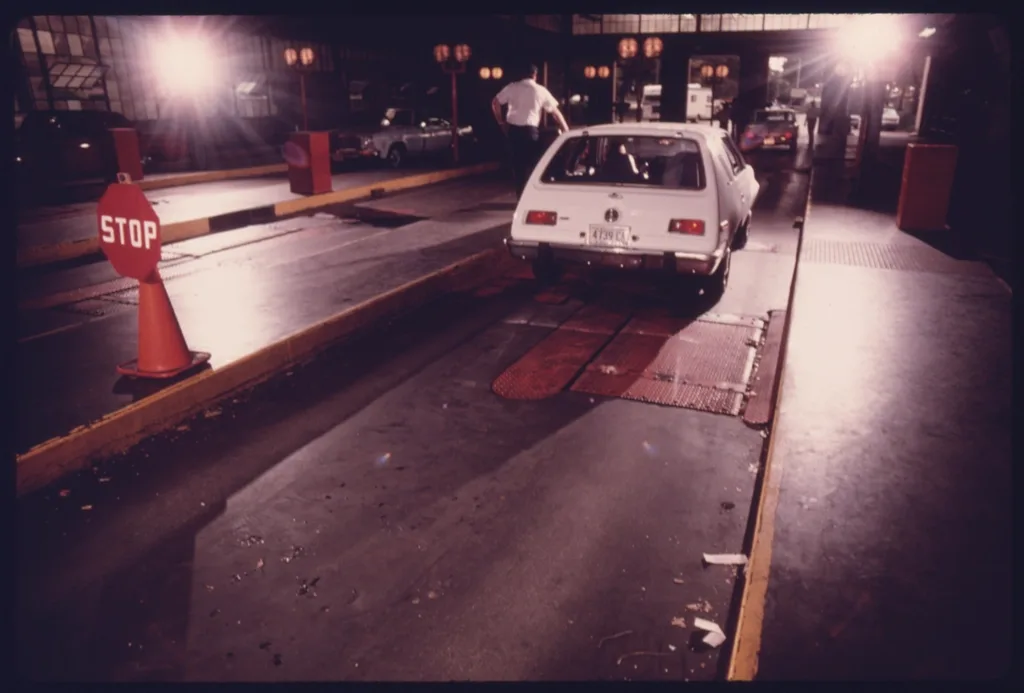
A “no cats” warning can come from a missing or stolen converter, an internally damaged converter, a sensor fault, a wiring problem, or an exhaust leak that fools the ECU or PCM. The code often points at the converter area, but the root cause may be upstream or downstream of it.
Failed or stolen catalytic converter
If the converter is missing, the diagnosis is straightforward after inspection. If it is physically present but broken internally, the honeycomb substrate may have melted, cracked, or collapsed. Either condition can reduce exhaust treatment and trigger emissions codes.
Exhaust leaks that skew sensor readings
An exhaust leak before or near the rear oxygen sensor can pull in fresh air and change the sensor reading. That extra oxygen can make the ECU think the converter is not doing its job. Small leaks at gaskets, flex pipes, or cracked welds can mimic converter failure.
Oxygen sensor or wiring faults
A faulty upstream or downstream oxygen sensor can send bad data even if the converter is healthy. Corrosion, broken insulation, connector damage, and heater-circuit faults can all affect the reading. That is one reason a scan code alone does not prove the converter is bad.
Engine misfires or fuel-control problems
Misfires, rich running, or lean running can overheat or contaminate the converter. In that case, the converter may be taking the damage, not causing it. If the engine has a misfire code along with a catalyst code, it is usually best to address the misfire first so the converter is less likely to be damaged again.
Can you drive a car with a no cats code?
Sometimes the car will still run, but that does not mean you can ignore it. If the only issue is a stored catalyst-efficiency code and the engine runs normally, you may be able to drive short distances while you schedule diagnosis. If there is noise, smoke, or a severe misfire, stop and inspect now.
Red flags that mean stop guessing
If the exhaust sounds loud, smells sharp, rattles over bumps, or the engine is shaking under load, treat it as more than a simple warning light. A collapsed converter can restrict exhaust flow, and a misfire can damage the converter quickly. Both deserve prompt attention.
Safe-to-drive versus needs-immediate-check
A steady check engine light with no drivability change is generally less urgent than a flashing light, which may indicate an active misfire. A flashing MIL is generally not a good time to keep driving and hope the code goes away. That pattern can overheat the converter and create a bigger repair bill.
Use this decision table to triage the problem
This table is a practical first pass, not a final diagnosis. Match the symptom and code pattern, then verify the likely cause with an inspection or live data before replacing parts.
| Symptom + code pattern | Likely cause | First check | Estimated urgency |
|---|---|---|---|
| Check engine light on, P0420 or P0430, drives normally | Catalyst-efficiency fault, sensor drift, or exhaust leak | Inspect for exhaust leaks and compare upstream vs. downstream O2 live data | Prompt diagnosis within days |
| Same code plus loud exhaust leak sound | Leak near manifold, pipe, or converter flange | Look for soot marks, cracked flex pipe, loose clamps, damaged gasket | High; repair before parts replacement |
| P0420/P0430 plus O2 sensor heater or circuit code | Sensor or wiring fault | Check sensor connector, wiring path, fuse, and heater circuit | High; sensor diagnosis first |
| Catalyst code plus misfire code P0300-P030x | Engine misfire damaging or confusing converter readings | Fix misfire, plugs, coils, injectors, vacuum leaks, fuel trim issues | Immediate; avoid further catalyst damage |
| Missing heat shield, converter rattles, sulfur smell, poor power | Damaged or clogged converter | Inspect converter physically and verify exhaust backpressure if needed | Prompt to urgent |
| Visible empty section where converter should be | Removed or stolen converter | Physical inspection from front pipe to mid-pipe area | Immediate, plus legal/emissions risk |
How do you fix a no cats problem?
The safe sequence is diagnosis first, parts second. Start with the code, then inspect exhaust sealing, sensor data, wiring, and engine health. Replace the converter only when the evidence points there, because converter replacement is often expensive and a wrong guess can waste a lot of money.
When to repair leaks or replace sensors first
If live data shows the rear sensor tracking the front sensor too closely, inspect for leaks and sensor faults before assuming the converter has failed. A leaking flex pipe or a lazy downstream sensor can create the same pattern as a bad converter.
When converter replacement is the likely answer
If the converter is physically missing, stolen, melted, or rattling apart, replacement is usually the correct fix. If the engine runs well, no leaks are found, and both oxygen sensors test properly but catalyst efficiency still fails, the converter itself may be worn out.
Why a mechanic or scan-tool diagnosis is the next step
OBD-II codes tell you where to look, not what to buy. A technician can check live sensor switching, fuel trims, exhaust leaks, and code history before recommending a repair path. That approach is safer than guessing at the converter because the code sounds converter-related.
- Read all stored and pending OBD-II codes.
- Check whether the check engine light is steady or flashing.
- Inspect the exhaust for leaks, damage, or missing parts.
- Review upstream and downstream oxygen sensor live data.
- Check for misfire, fuel trim, or sensor circuit faults.
- Replace the failed part only after the fault path is confirmed.
Emissions testing and legal risk
Yes, a true no-cats condition can fail emissions testing. In many states, a removed or ineffective converter also creates legal risk, because the car no longer meets emissions equipment requirements. Even if the car runs, it may not pass inspection or registration checks.
How much does it cost to replace a catalytic converter?
Converter replacement is often expensive, and the price varies widely by vehicle and emissions standard. Some cars use multiple converters, and direct-fit units can cost far more than a simple sensor or gasket repair. That is why diagnosis matters before you authorize parts.
A common first-timer mistake is buying a converter because of one code, then learning the real problem was a cracked exhaust joint or a bad downstream O2 sensor. A cheaper leak repair or sensor replacement can solve the warning without touching the converter.
Frequently asked questions
What does no cats mean on a car?
It usually means the car has a catalytic converter problem, or the scan data makes the converter look ineffective. The phrase does not mean animals; it is slang for emissions-system trouble tied to the converter, oxygen sensors, or exhaust flow.
Does no cats mean the catalytic converter is missing?
Not necessarily. A missing converter is one possible cause, but a bad oxygen sensor, exhaust leak, or internal converter failure can produce the same warning. Physical inspection is the fastest way to confirm whether the converter is actually gone.
Can you drive a car with a no cats code?
Sometimes yes, if the car runs normally and the light is steady, but the issue still needs diagnosis. A flashing light, misfire, loud exhaust noise, or loss of power means you should stop delaying and inspect the car immediately.
Will no cats fail emissions testing?
Very likely, if the converter is missing or the system is not storing exhaust pollutants properly. Even a false catalyst code can still block a pass if the readiness monitors are not set or the check engine light is on at inspection time.
How do you fix a no cats problem on a car?
Start with the code, then check for exhaust leaks, sensor faults, wiring damage, and engine misfires before replacing the converter. If the converter is missing, melted, or confirmed inefficient after testing, replacement may be the correct repair.
How much does it cost to replace a catalytic converter?
It can be expensive, and the cost depends on the vehicle, converter type, and emissions rules. Because converter replacement is often one of the pricier exhaust repairs, it is smart to confirm the fault first so you do not replace a part that was not the root cause.
Products related to this article
Sponsored / affiliate links. As an Amazon Associate I earn from qualifying purchases. I may earn additional commission from eligible campaigns.