Why Cars Drive With Hazard Lights On Together Explained Simply
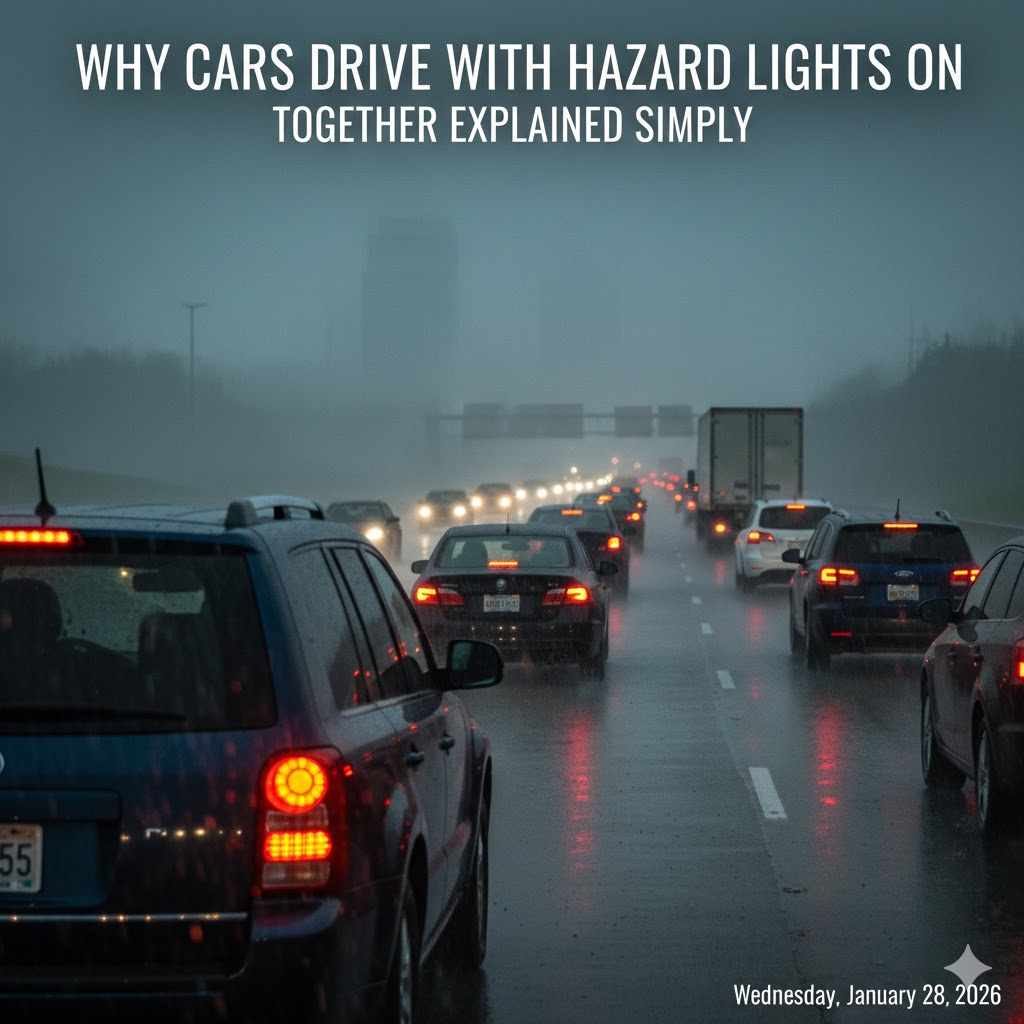
Driving can be tricky, and one thing that often puzzles new drivers is seeing Why Cars Drive With Hazard Lights On Together. It’s a common sight, but figuring out when it’s okay can feel confusing at first. Don’t worry, though! This post is here to clear things up. We’ll explore the main reasons this happens, making it super easy to grasp. We’ll look at the common scenarios and give you a simple, step-by-step approach. Let’s get started!
Reasons For Hazard Light Usage Explained
Hazard lights, also called emergency flashers, are an important safety feature on your car. They flash all the turn signals at the same time, alerting other drivers to a potential danger. Learning about the different reasons for using them and knowing when it’s okay is vital. This knowledge helps keep everyone on the road safe. It is also very helpful to know what the legal requirements are for hazard light use in different regions.
Safety Issues and Their Effect
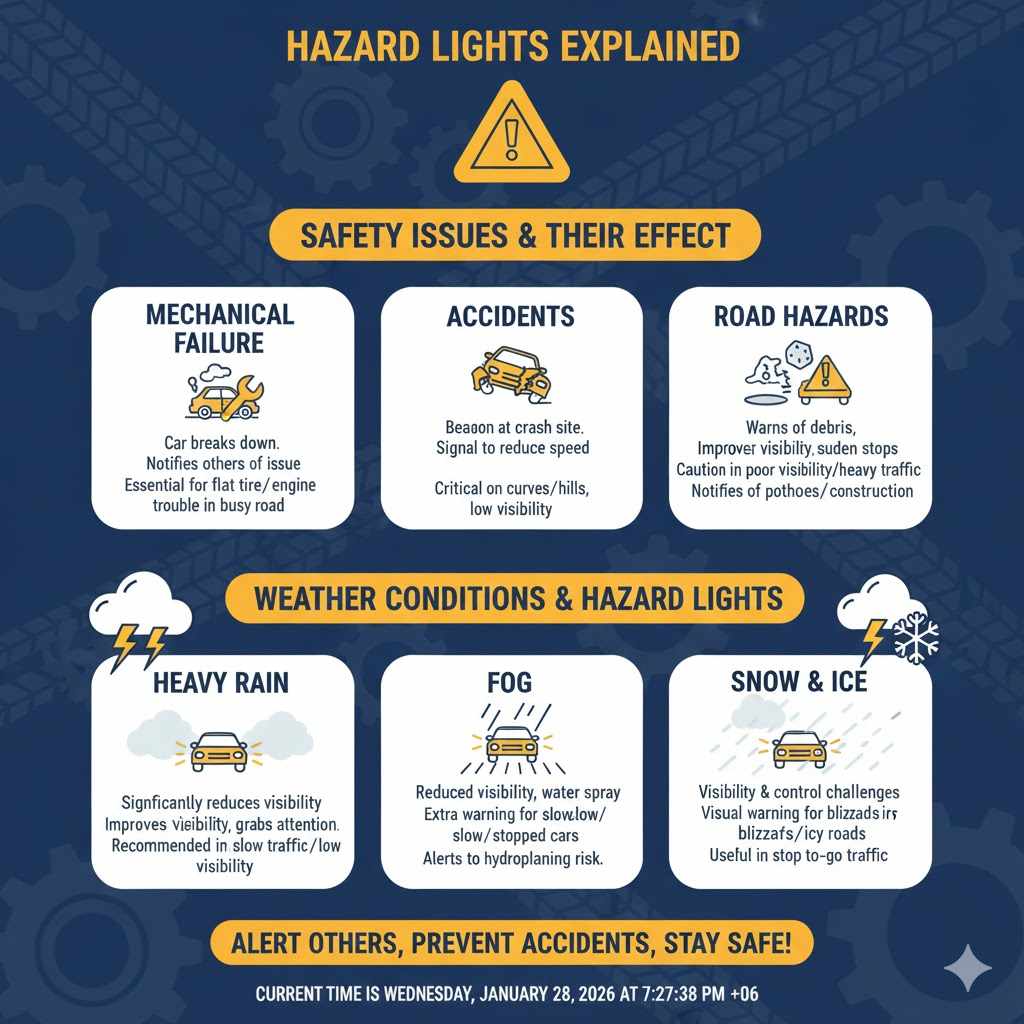
The main reason for hazard light activation is to signal an immediate danger. This might be anything from a mechanical failure to an accident. The lights grab the attention of other drivers quickly. They highlight the presence of a possible issue. This gives everyone extra time to react. The sudden presence of flashing lights warns other drivers to slow down, change lanes, or take extra caution.
Mechanical Failure: If your car breaks down on the road, hazard lights are essential. They notify other drivers that you are experiencing an issue and may need assistance. It is essential to activate them right away if your car stalls or has any mechanical problems that require you to stop in a dangerous place.
For instance, if you experience a flat tire or engine trouble in a busy road, hazard lights give other drivers notice. This can help prevent collisions while you wait for aid. Many drivers are taught from the start to switch on their hazard lights when dealing with a mechanical breakdown.
Accidents: After an accident, hazard lights become a beacon. They highlight the presence of a crash site, signaling to approaching drivers to reduce speed and take extra care. This is especially important on curves and hills. These may limit a driver’s view of the incident ahead.
In an emergency, like a multi-car pileup, hazard lights can greatly reduce the chance of more accidents. They make the location visible in various weather conditions, including rain, snow, or fog, which can reduce visibility. Police and first responders routinely advise drivers to use hazard lights in accident situations.
Road Hazards: Hazard lights can warn drivers of dangers, such as debris on the road or a sudden reduction in speed due to an unexpected event. The lights become a signal of caution, especially in areas with poor visibility or heavy traffic.
Consider a situation where there is a large pothole or construction site ahead. Using hazard lights can notify other drivers of the presence of a threat. The use of hazard lights in these conditions greatly reduces the risk of accidents caused by sudden stops or swerving. This also enhances road safety during times of low visibility.
Weather Conditions and Hazard Lights
The weather is an important factor in driving safety. Hazard lights are important in adverse weather conditions. They help other drivers see your vehicle. They also indicate a possible hazard on the road. Understanding how to use hazard lights in different weather situations is vital for driving safety. This section will explore the role of hazard lights in various weather scenarios.
Fog: Thick fog significantly reduces visibility, making it hard for drivers to see anything. Hazard lights in fog are particularly important. These lights help improve visibility of your car. By flashing, they get drivers’ attention. The frequent flashing makes the car more visible than just headlights.
During fog, the use of hazard lights is usually recommended in slow-moving traffic. It can also be very helpful in areas where visibility is significantly reduced. This helps other drivers see the car. This reduces the risk of rear-end collisions.
Heavy Rain: Heavy rain can also greatly reduce visibility on the road. The rain can obstruct your view, and it can also cause spray from other cars. Hazard lights act as an extra warning signal in these conditions. They help drivers recognize a car that has stopped or is moving slower.
Driving during heavy rain increases the risk of hydroplaning. Using hazard lights helps alert drivers to the chance of dangerous situations. They may need to quickly slow down or change lanes. The combination of reduced visibility and slippery roads makes the use of hazard lights essential for safety.
Snow and Ice: Driving in snow and ice brings unique challenges to visibility and vehicle control. Hazard lights are useful in these situations. They show the presence of your vehicle and warn of potential hazards.
During blizzards or icy conditions, hazard lights give other drivers a visual warning. This allows them to stay alert and avoid sudden maneuvers. The lights are important during slow traffic or stop-and-go conditions caused by snow and ice. This reduces the chance of accidents.
Common Misuses of Hazard Lights
While hazard lights are very helpful, it’s also important to know when not to use them. The misuse of hazard lights can cause more problems than it solves. It can also confuse other drivers and reduce road safety. Here is an exploration of common mistakes when using hazard lights.
Inappropriate Usage Scenarios
Misusing hazard lights often happens in situations where they are not intended. These can lead to misunderstandings among drivers. It is essential to avoid using them in ways that could create confusion or hazards on the road. Knowing the rules can help drivers use hazard lights effectively for road safety.
Moving Traffic: Hazard lights should not be used while the car is moving unless there is an emergency or specific safety concerns. Turning on hazard lights while driving confuses other drivers. They might think something is wrong with your car. This can cause dangerous situations, like other cars swerving to avoid you.
The most common examples include driving through dense traffic or even making a quick stop on the side of the road. It’s better to use hand signals, brake lights, and directional signals to communicate your intentions on the road. These actions allow drivers to see your direction of travel.
Parking Illegally: Avoid using hazard lights when parking illegally. Hazard lights are not a way to excuse unsafe parking. They are for alerting others to immediate hazards or emergencies. Using the lights may make other drivers think it’s okay to park there.
This can be seen in situations where a driver parks in a no-parking zone. It’s always best to follow parking laws. Find a legal parking spot. Always consider other drivers. This ensures smooth traffic flow and minimizes the risk of accidents.
General Annoyance: Avoid using hazard lights for things other than emergencies. Some drivers may use hazard lights to say “thank you” or to show that they are double-parked. This can confuse other drivers. This type of use doesn’t alert drivers to a real safety hazard.
For instance, when a driver makes a quick stop to pick someone up. This behavior leads to misuse of the lights. It may lead to confusion. This may also distract other drivers, causing potential hazards.
Consequences of Misuse
Misusing hazard lights can have negative effects on road safety and compliance with traffic rules. These mistakes create potential risks and can result in legal consequences. It’s important to know the potential results of misusing hazard lights. This will help you drive responsibly.
Confusion for Other Drivers: Misusing hazard lights can confuse other drivers about your intentions or the situation. If you’re using hazard lights when you shouldn’t, other drivers might misinterpret your signals. This can cause misunderstandings or sudden reactions, leading to accidents.
Imagine a scenario where a driver turns on hazard lights for slow traffic but is not in immediate danger. Other drivers may not understand. They might assume there is a hazard. This type of misunderstanding can cause traffic jams and increase the risk of rear-end collisions.
Legal Implications: In many regions, there are rules about using hazard lights. Misusing them might result in traffic tickets or fines. It is essential to understand traffic laws. Know when and how to properly use hazard lights to avoid legal problems.
If a driver uses hazard lights in a situation that breaks the law, like parking in an area where parking is not allowed, it could result in a ticket. Knowing and following traffic rules helps drivers to stay out of trouble and enhances road safety.
Reduced Effectiveness in Emergencies: Frequent misuse of hazard lights might cause drivers to ignore them when real dangers are present. If hazard lights become a regular sight for everyday situations, other drivers may ignore them during real emergencies.
For instance, if a driver regularly uses hazard lights when double-parking, other drivers may pay less attention to the lights when they indicate an actual breakdown. This results in less effective warning of potential road hazards.
Situations Where Hazard Lights Might Be Appropriate
There are certain times when using hazard lights is helpful, even when there’s not an accident or a mechanical failure. Understanding these situations can assist drivers in using hazard lights properly. These cases often occur when extra caution is necessary to ensure safety.
Special Circumstances
The use of hazard lights in certain situations enhances road safety and reduces potential hazards. The main goal is to improve safety. Here are scenarios when it’s okay to use hazard lights.
Very Slow-Moving Traffic: When traffic is moving very slowly due to an accident, heavy congestion, or other causes, hazard lights can be helpful. They notify other drivers that the traffic is moving slower than normal. They can help avoid rear-end collisions, particularly on highways where speed varies quickly.
Consider a situation where traffic has slowed down suddenly because of an accident far ahead. Turning on hazard lights can quickly alert other drivers. This allows them to slow down in a timely fashion and reduce the chance of a collision.
Temporary Obstructions: If your car is obstructing traffic, even temporarily, hazard lights can be used. This may include situations where you are loading or unloading items from your car. This makes sure that other drivers are alerted to your presence.
If you are stopped to load a package, hazard lights are important. They warn other drivers of an unexpected stop. This encourages drivers to be alert and to react appropriately. This will reduce the risk of accidents caused by sudden stops.
Escort Vehicles: Some escort vehicles, such as those that are transporting large loads, use hazard lights to alert other drivers. This gives drivers plenty of time to react. This helps maintain the vehicle’s safe passage through traffic.
Drivers need to be aware of such specialized circumstances and obey the signals of escort vehicles. It helps maintain the safe movement of all vehicles on the road. It helps create a safer environment.
Regional Differences
Laws and suggestions regarding the use of hazard lights can change. They often change based on location. The best advice is to know the specific rules of your region. It is important to know how your local laws apply. This will ensure safe and lawful driving. Here’s a brief look at some common variations.
Varying Laws: Driving laws change by state or country. These include specific rules about using hazard lights. Some jurisdictions may have strict guidelines on when to use them. Others may have suggestions, but not requirements.
For instance, in some countries, hazard lights are suggested when stopping on the shoulder of a highway due to a mechanical issue. Other countries could require hazard lights in slow-moving traffic. To be sure, learn the specific laws of the area you are driving in.
Local Customs: Along with the official laws, local customs may also play a part. Some areas may have standard practices that are not written in law. For example, in certain areas, drivers may often turn on their hazard lights when approaching a speed bump.
It’s good to pay attention to how others drive in your area and understand their common practices. This enhances your ability to drive safely. This may help with understanding of hazard light usage.
Importance of Staying Informed: To stay safe, it is important to always be updated on road safety laws. These are essential for being a responsible driver. Laws and regulations can change. It is necessary to be aware of all updates.
You can keep informed by checking official transport authority websites. Other sources could be the driver’s manuals. Attending refresher courses or driving seminars can also help. This helps keep drivers safe by ensuring that they remain compliant with current rules.
Understanding the Mechanics: How Hazard Lights Work
To fully understand Why Cars Drive With Hazard Lights On Together, it’s also important to understand how these lights function. This part will examine the mechanics behind hazard lights. It will explore the components and explain the process.
How Hazard Lights Function
Hazard lights are a key feature of a car’s electrical system. They’re designed to send out a clear and unmistakable signal to other drivers. Understanding their functionality is essential for knowing the purpose they serve.
Electrical Components: The hazard lights system is made up of a few key components. These include the hazard light switch, flashers, relays, and the turn signal lights. The switch acts as a control, allowing the driver to control the functionality of the system.
The flasher unit controls how frequently the lights blink. The relays help distribute power to the turn signal lights. These lights are found at the front and rear of the car. These parts work together to give you the blinking lights that alert other drivers.
Circuit Operation: When the hazard light switch is turned on, the electrical circuit is completed. This sends power to the flasher unit. The flasher unit then begins to send power to all of the turn signal lights at the same time. This causes the lights to blink.
The relay switches the power on and off to the turn signals. This creates the blinking effect. All the lights flash together. This gives a clear visual alert to other drivers.
Visibility and Effectiveness: The visibility of hazard lights is important for their effectiveness. The use of brighter lights and distinct flashing patterns enhances visibility. These alerts are noticeable in various conditions. This includes low light or bad weather.
Many modern cars have LED lights. These lights are brighter and use less energy. The faster flash rate can increase the attention of other drivers. The way these lights are set up ensures they are easy to see. This enhances safety.
Identifying Hazard Light Malfunctions
It is important to know how to identify problems with hazard lights. This will help maintain your safety. Problems can include any issues in the system. Knowing the possible problems can help you know when and what to check.
Common Malfunctions: The system can fail in various ways. Common problems include a flasher unit failure, blown fuses, or faulty wiring. Problems can also come from damaged switches. These may lead to the system not working.
If the hazard lights do not flash when you press the button, there could be a blown fuse or a problem with the flasher unit. Intermittent blinking could mean a loose wire connection.
Troubleshooting Steps: If the hazard lights are not working, you can do some troubleshooting. Check for blown fuses, by examining the fuse box. Then, check the flasher unit. Ensure that all electrical connections are secure.
If a fuse is blown,
Safety Measures: The lights are there for your safety and the safety of other drivers. If the hazard lights are not working, try to avoid driving. You may consider using alternative ways of alerting other drivers, such as hand signals, if it is safe.
If a problem is found, have it fixed by a qualified technician as soon as possible. This makes sure that your hazard lights are working properly. This helps you maintain safety on the road.
Examples and Scenarios
To help you understand when to use hazard lights, here are some examples and scenarios. These examples and scenarios will provide some clarity.
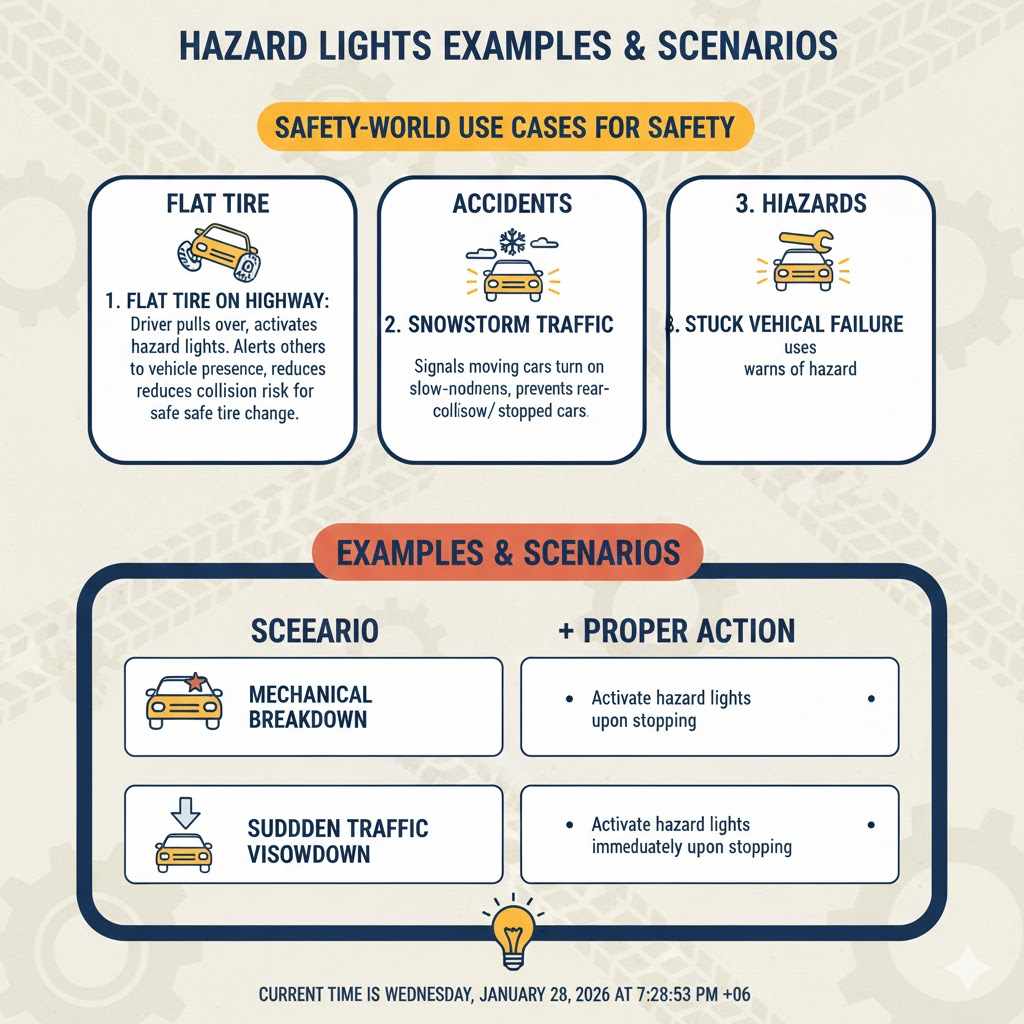
- A car is driving down a busy highway when it gets a flat tire. The driver safely pulls over to the shoulder. They then activate the hazard lights. This alerts other drivers to the presence of the vehicle. It also indicates the need for caution. The use of hazard lights in this situation greatly reduces the risk of collisions. This makes sure that the driver can replace the tire safely.
This case study reflects the importance of hazard lights in indicating emergencies.
- During a snowstorm, traffic slows dramatically. The vehicles start moving at a very slow pace. Many drivers turn on their hazard lights to show the sudden slowdown. The hazard lights help reduce the chance of rear-end collisions. They give other drivers plenty of time to respond.
This scene demonstrates hazard lights’ effectiveness in improving safety when road conditions become challenging.
- A vehicle is stuck on the side of the road due to a mechanical failure. The hazard lights make the car more visible in conditions with low visibility. This helps warn other drivers of a potential hazard. It reduces the chance of accidents.
This practical example highlights the crucial role of hazard lights in preventing accidents in dangerous situations.
| Scenario | Proper Action |
|---|---|
| Mechanical Breakdown | Activate hazard lights immediately upon stopping. |
| Sudden Traffic Slowdown | Turn on hazard lights to alert following drivers. |
| Weather-Related Visibility Issues | Use hazard lights to make the vehicle more visible. |
Frequently Asked Questions
Question: When should I use my hazard lights?
Answer: Use hazard lights in emergencies, accidents, breakdowns, or when road conditions make it difficult for other drivers to see you.
Question: Can I use hazard lights when I am double-parked?
Answer: No, hazard lights should not be used to excuse illegal parking; use them only for safety reasons.
Question: Are hazard lights required by law?
Answer: Yes, in many jurisdictions, using hazard lights is required in specific situations like breakdowns or accidents.
Question: What do I do if my hazard lights aren’t working?
Answer: Check the fuses, wiring, and flasher unit; get professional help if you can’t resolve the issue.
Question: Should I use hazard lights when it’s foggy?
Answer: Yes, hazard lights can increase your car’s visibility during foggy conditions.
Final Thoughts
So, we’ve explored the world of Why Cars Drive With Hazard Lights On Together, covering the main reasons why, and more importantly, when to use them. Remember, hazard lights are a tool for safety, not for convenience. They are best used in emergencies, when your car is a danger, or to warn others of hazards.
Being able to use them at the right time is a key part of responsible driving. Knowing the rules and how they work ensures you can help keep yourself and other drivers safe. Practice, and before you know it, you’ll feel confident on the road, knowing exactly when to hit that hazard light button. Drive safely!