Why Do People Wear Masks in Their Car: Essential Answer
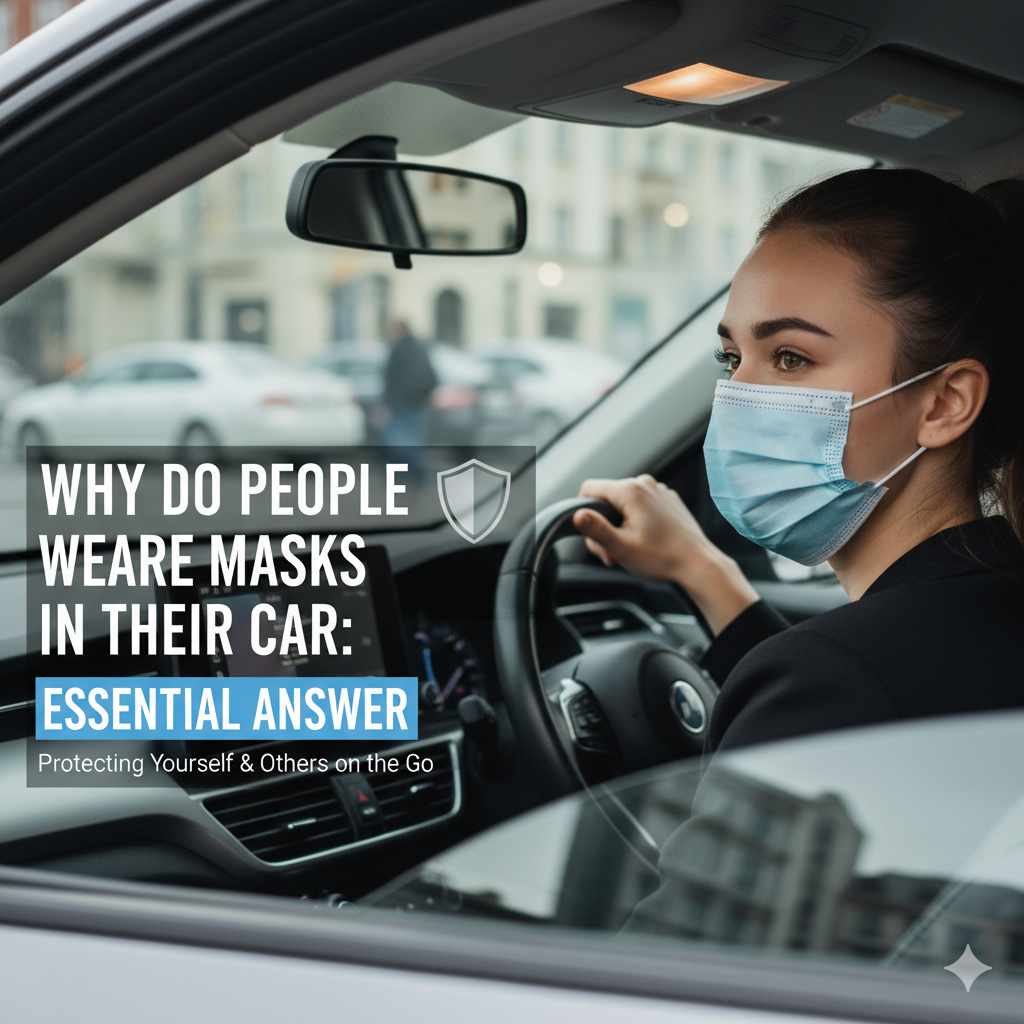
People wear masks in their cars for various reasons including personal health choices, reducing allergy symptoms like pollen or dust, protecting against airborne pollutants, or maintaining privacy. Understanding these reasons can help clear up confusion and provide reassurance for drivers.
Have you ever seen someone wearing a mask inside their car and wondered why? It can seem a bit unusual at first glance, especially when they’re alone. You might think, “Are they sick?” or “Is there something I’m missing?” It’s a common sight these days, and the reasons behind it are quite diverse. Many drivers choose to wear masks for their own comfort and well-being, and it’s not always about contagious illnesses. This practice can be a simple way to manage personal health concerns or even to feel more comfortable in their own space.
In this guide, we’ll break down the most common reasons why people opt to wear masks while driving. We’ll look at everything from health and environmental factors to personal preferences. My goal is to make this clear and easy to understand, so you feel confident knowing the full picture. Let’s dive in and uncover the simple answers behind this everyday observation.
Understanding the Common Reasons for Wearing Masks in Cars
The decision to wear a mask in your car is often a personal one, driven by a mix of practical considerations and individual health needs. It’s not a one-size-fits-all situation, and what makes sense for one person might not for another. As your guide to all things automotive and practical, I want to help you understand the various motivations behind this behavior. We’ll explore some of the most frequent reasons, breaking them down into easy-to-digest points.
Protecting Personal Health and Well-being
This is perhaps the most widely recognized reason. For many, wearing a mask is a proactive step for personal health, especially in the wake of global health concerns. However, the protection extends beyond just preventing the spread of viruses.
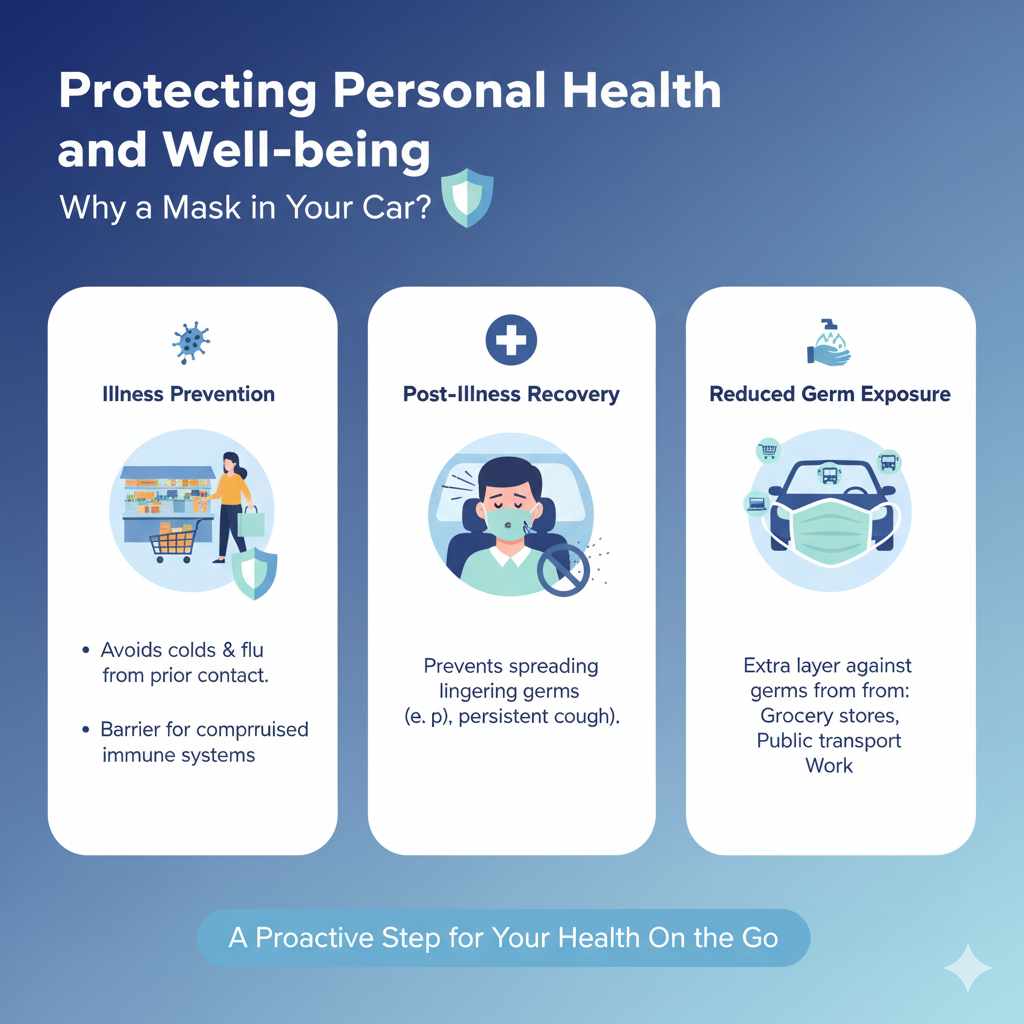
- Illness Prevention: Even when alone, some people wear masks to avoid catching colds or flu from others they might have encountered before entering their car, or if they have a compromised immune system. It’s a personal barrier against germs.
- Post-Illness Recovery: Some individuals might still be recovering from an illness, like a persistent cough, and wear a mask to prevent spreading any lingering germs, even if they feel mostly better.
- Reduced Germ Exposure: Think about all the places you touch and people you interact with before getting into your car – grocery stores, public transport, work. A mask acts as an extra layer of protection against any germs picked up from these environments.
Managing Allergies and Environmental Irritants
For allergy sufferers, a car can feel like a sanctuary. However, if the air quality inside the car isn’t ideal, or if they are particularly sensitive, a mask can make a big difference. Think about pollen, dust, and other airborne particles that can aggravate allergies.
- Pollen and Seasonal Allergies: During high pollen seasons, even with the windows closed, microscopic pollen can enter the car. Wearing a mask, especially an N95 or a similar respirator, can significantly filter out allergens, providing relief for those suffering from hay fever.
- Dust and Particulate Matter: Driving in dusty areas, construction zones, or even just on unpaved roads can stir up a cloud of dust. Masks help prevent inhaling these particles, making the drive more comfortable.
- Air Pollution: In cities with heavy traffic, air pollution, including fine particulate matter (PM2.5), can enter vehicles. A good quality mask can filter out a significant portion of these harmful pollutants, protecting the driver’s respiratory system. Research from organizations like the U.S. Environmental Protection Agency (EPA) provides detailed information on the dangers of particulate matter for public health.
A Personal Comfort and Privacy Choice
Sometimes, the reasons are less about outward health threats and more about an individual’s sense of comfort, privacy, and personal space. This is a nuanced area, but it’s a valid consideration for many.
- Feeling of Security: For some, wearing a mask provides a sense of personal security and control over their immediate environment. It can be a psychological comfort.
- Maintaining Privacy: In certain situations, or for certain individuals, masks can offer a degree of anonymity. This might be to avoid being easily recognized, especially if they are in a vulnerable position or simply prefer a more private experience.
- Habit Formation: After prolonged periods of mask-wearing due to public health mandates, some individuals may have simply developed a habit. It can become an automatic action, like putting on a seatbelt, even when the immediate need feels less urgent.
Specific Situations and Scenarios
Beyond general reasons, there are specific circumstances where wearing a mask in a car becomes particularly relevant or practical.
- After Intense Physical Activity: If someone has just finished a run or a workout, they might be breathing heavily and potentially be closer to exhaling germs. Wearing a mask can be a consideration in such cases.
- Car Work or Maintenance: If you’re working on your car, especially with cleaning chemicals or dealing with dust, wearing a mask can protect your respiratory system from fumes and particles.
- Transporting Others with Health Concerns: A driver might wear a mask to protect themselves if they are transporting someone who is ill, elderly, or has a weakened immune system.
Tools and Considerations for Mask Wearers
When it comes to choosing and using masks in your car, a few factors can enhance comfort and effectiveness. It’s about finding what works best for your specific needs.
Types of Masks and Their Effectiveness
Not all masks are created equal. Understanding the differences can help you make an informed choice.
| Mask Type | Typical Use Case | Filtration Level | Pros | Cons |
|---|---|---|---|---|
| Cloth Masks | General comfort, light filtration | Low to moderate | Reusable, comfortable, wide variety of designs | Least effective against small particles, not medical grade |
| Surgical Masks (Disposable) | Barrier protection against droplets | Moderate | Good at blocking larger droplets, widely available | Not designed for tight seal, less effective against airborne particles |
| N95 Respirators | High-level protection against airborne particles | High (filters at least 95% of airborne particles) | Excellent protection against small particles including viruses, pollutants, and allergens. Requires a good seal. NIOSH provides guidance on N95 respirator selection. | Can be less comfortable for long periods, may cause breathing resistance for some, proper fit is crucial. |
Comfort and Practicality in the Car
Wearing a mask for extended periods, like during a long drive, requires some thought about comfort and practicality.
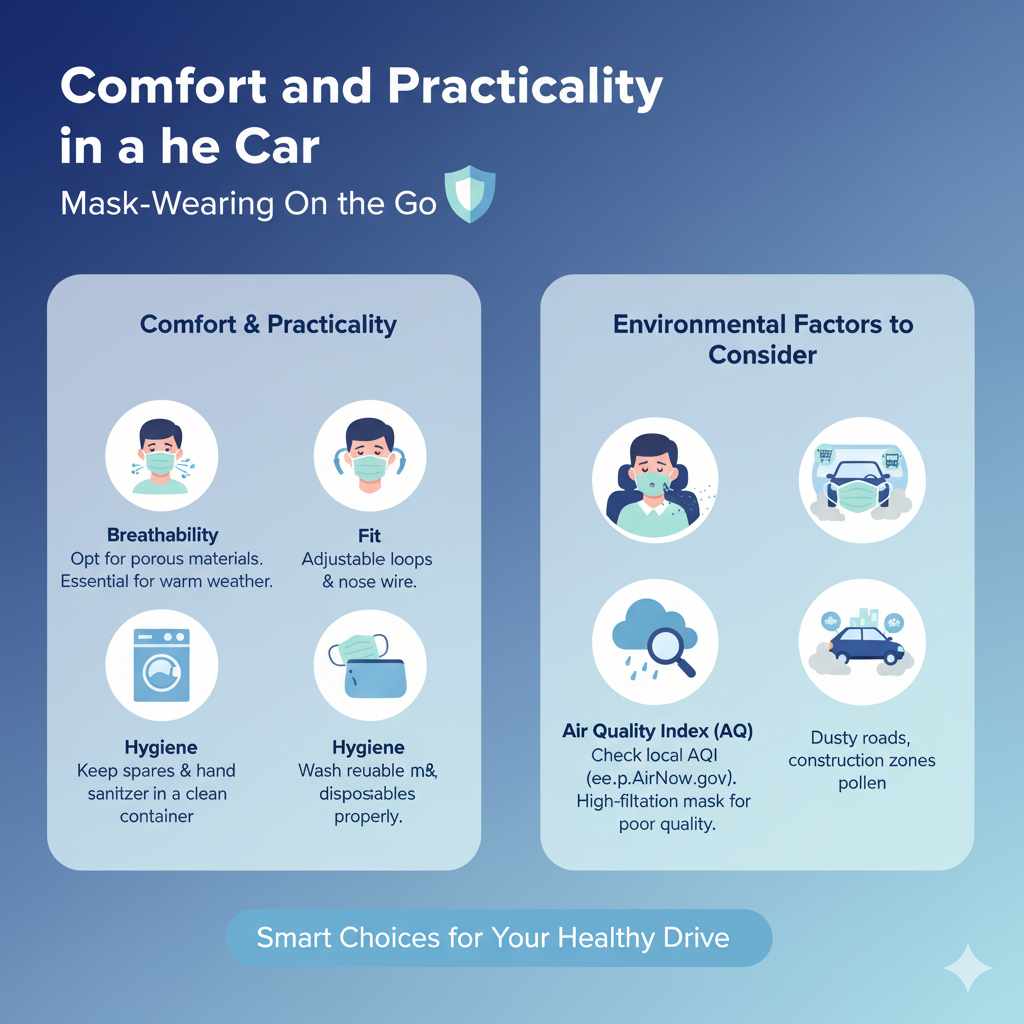
- Breathability: Opt for masks made from breathable materials, especially if you have respiratory conditions or are driving in warm weather.
- Fit: A well-fitting mask is crucial for effectiveness, but also for comfort. Look for masks with adjustable ear loops or nose wires.
- Hygiene: If using reusable masks, ensure you have a system for storing used masks and washing them regularly. Disposable masks should be disposed of properly after use.
- Storage: Keep spare masks and hand sanitizer in your car for convenience. A small pouch or container can help keep them clean.
Environmental Factors to Consider
Your driving environment plays a big role in mask choices.
- Air Quality Index (AQI): Check the local AQI before driving. On days with poor air quality, particularly in urban areas or during wildfire seasons, wearing a high-filtration mask is highly recommended. Resources like AirNow.gov can provide real-time AQI data.
- Driving Conditions: Are you driving through a dusty construction zone? A rural road with farm dust? These elements can make mask-wearing a practical choice for respiratory comfort.
Frequently Asked Questions (FAQ)
Here are some of the most common questions people have about wearing masks in their cars.
Q1: Is it illegal to wear a mask in my car if I’m alone?
A1: In most places, it is not illegal to wear a mask in your car when you are alone. Laws regarding mask-wearing are typically related to public spaces or when interacting with others. Always check your local regulations if you are unsure, but generally, personal health choices within your private vehicle are permitted.
Q2: If I’m not sick, why would I wear a mask in my car?
A2: There are many reasons besides being sick! People wear masks to filter out allergens like pollen and dust, protect against air pollution, reduce the risk of catching illnesses from others they’ve encountered, or simply for personal comfort and a sense of privacy.
Q3: Can wearing a mask in the car reduce my allergy symptoms?
A3: Yes, absolutely. Masks, especially those designed to filter out small particles like N95 respirators, can significantly reduce the amount of pollen, dust, and other airborne allergens you inhale while driving. This can provide much-needed relief for seasonal allergy sufferers.
Q4: Does my car’s air filter help with air quality inside the cabin?
A4: Yes, your car’s cabin air filter plays a role in cleaning the air that enters your vehicle. It helps trap dust, pollen, and other airborne debris. However, its effectiveness can vary, and it doesn’t offer the same level of protection as a well-fitted face mask, especially for very fine particles or intense pollution.
Q5: I feel self-conscious wearing a mask alone. What can I do?
A5: It’s understandable to feel that way, especially as not everyone fully grasps the diverse reasons people wear masks. Remember that your health and comfort are paramount. Focus on the benefits you receive – whether it’s reduced allergies, less exposure to pollution, or feeling safer. Many people have found that focusing on their personal well-being helps them overcome this feeling.
Q6: How often should I change or clean my mask if I use it in the car?
A6: For disposable masks (surgical or N95), it’s best to use them for a limited time and then dispose of them, especially if they become soiled or difficult to breathe through. Reusable cloth masks should ideally be washed after each day of use, or more often if they become dirty or damp. Always follow the manufacturer’s instructions for cleaning and use.
Long-Term Health and Driving Safety
The Link Between Air Quality and Health
It’s important to understand how the air we breathe, both inside and outside our cars, impacts our long-term health. The decision to wear a mask can be a small but significant step in protecting your respiratory system.
Poor air quality, whether from pollution, dust, or even indoor allergens that circulate within a vehicle, can contribute to a range of health issues. This includes exacerbating asthma and other respiratory conditions, increasing the risk of cardiovascular problems, and potentially affecting cognitive function over time. The U.S. Department of Health and Human Services highlights the ongoing research into the effects of air pollution on public health, underscoring why proactive measures are valuable.
By using a mask, especially on high-pollution days or in areas known for poor air quality, you are actively reducing your exposure to harmful particulate matter and other irritants. This simple act can be a form of self-care that supports your overall health and well-being.
Masks and Driving Comfort
Beyond health, masks can simply make the driving experience more comfortable. For individuals sensitive to certain smells or who simply feel more at ease with a barrier, wearing a mask can reduce stress and anxiety associated with driving.
- Reducing Odor Discomfort: Some people are sensitive to strong car odors, exhaust fumes, or even the smell of certain cleaning products used in their vehicle. A mask can help filter these out.
- Adapting to Changing Environments: When transitioning from a clean indoor environment to a potentially more polluted outdoor environment for a drive, a mask can ease this transition for sensitive individuals.
When to Re-evaluate Your Mask Choice
Your needs might change based on the season, your health status, or where you live. It’s a good idea to periodically evaluate if your current mask choice is still the best fit for you.
- Seasonal Changes: If you suffer from seasonal allergies, you might find yourself wearing a mask more often during specific times of the year.
- Health Fluctuations: If you have a flare-up of a respiratory condition or a weakened immune system, you might opt for a higher level of protection.
- Changes in Environment: Moving to a new city or frequently driving through areas with different air quality or pollen counts might necessitate a change in your mask strategy.
Conclusion
So, as you can see, the reasons people wear masks in their cars are as varied as the drivers themselves. What might seem like an unusual behavior at first glance is often a thoughtful choice rooted in personal health, comfort, and protection against environmental factors like pollen, dust, and pollution.
Whether it’s to ward off allergens, breathe cleaner air, prevent illness, or simply feel more at ease, wearing a mask is a personal decision that contributes to individual well-being. Understanding these motivations can help demystify the practice and foster a greater sense of normalcy and acceptance. Remember, prioritizing your health and comfort is always a smart drive.