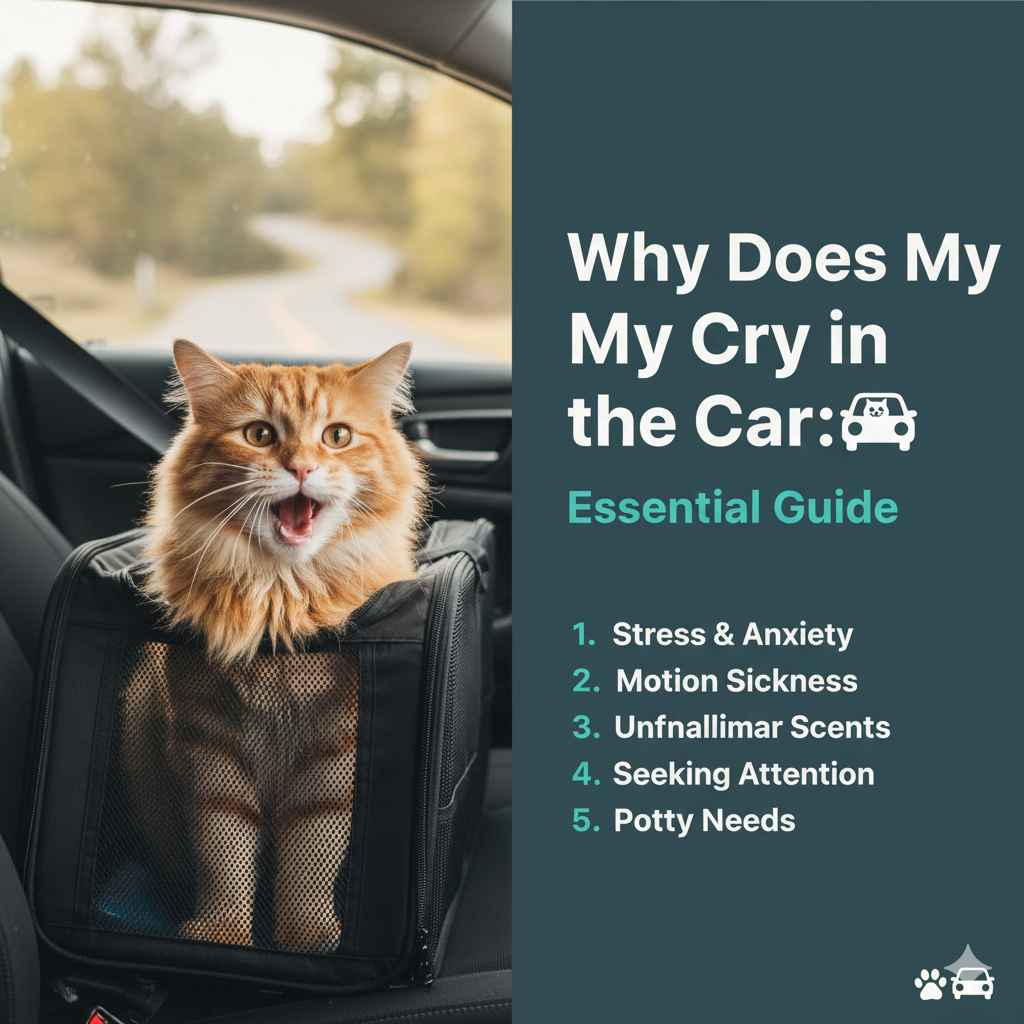
Why Does My Cat Cry in the Car: Essential Guide
Your cat cries in the car because they feel stressed, anxious, or sick. This guide helps you understand these reasons and offers practical, simple solutions to make car rides calmer for both of you. We’ll cover understanding their signals, preparing them, and making trips smoother.
It’s frustrating when your furry friend cries the whole trip. You’re trying to get to the vet, or maybe just visit family, but so is your cat’s unhappy meowing. It can make you feel stressed, too. But don’t worry! Understanding why your cat cries in the car is the first step to a calmer journey. We’ll break down these common feline responses and give you easy, doable strategies to help your cat feel more at ease. Get ready to turn those stressful car rides into peaceful adventures!
Understanding Why Cats Dislike Car Rides
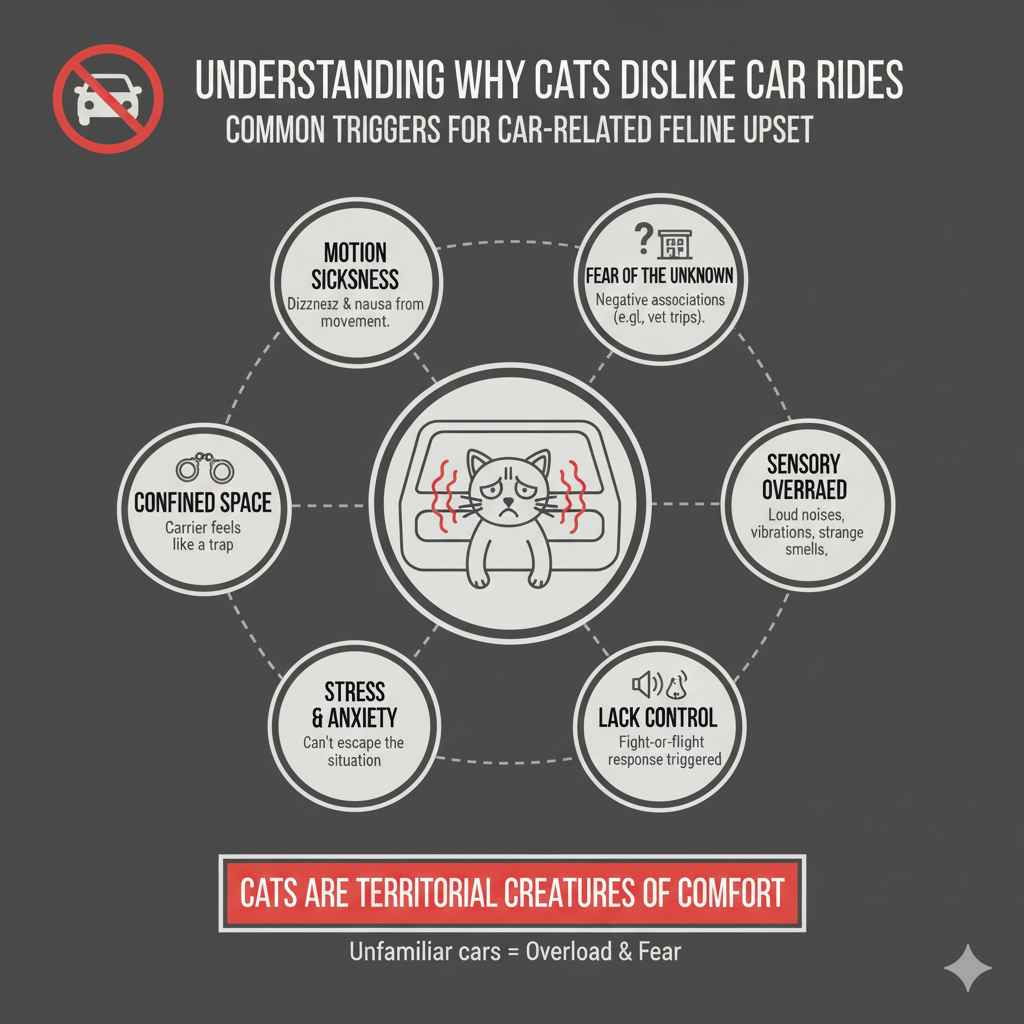
Cars are unnatural environments for cats. Unlike dogs, who are often social pack animals that enjoy experiencing new things with their humans, cats are territorial and creatures of comfort. The enclosed space, strange smells, rumbling noises, and vibrations of a moving vehicle can trigger intense fear and anxiety. It’s like being in a strange, loud box with no escape. This can lead to a range of behaviors, from distressed vocalizations to hiding and even aggression.
The Science Behind Cat Anxiety in Vehicles
When your cat is in the car, their senses are overloaded. The rapid shifts in scenery, the constant engine hum, and the feeling of movement are all new and potentially threatening stimuli. Their brains interpret these unfamiliar sensations as danger. This triggers their flight-or-fight response. For many cats, crying is their way of expressing this intense stress and trying to signal that they want this alarming situation to stop.
Think about it from their perspective: they are creatures who thrive on predictability and control. A car ride is the opposite of that. It’s a sudden disruption to their routine and their safe territory. This primal fear response is what we often see as “crying” or “meowing.”
Common Triggers for Car-Related Feline Upset
- Motion Sickness: Just like humans, cats can get motion sickness. The conflict between what their eyes see (a stationary interior) and what their inner ear feels (movement) can cause nausea, dizziness, and distress, leading to vocalization.
- Fear of the Unknown: Most cats associate car rides with the vet’s office or another unfamiliar, potentially stressful place. This negative association can create immediate anxiety the moment they see the carrier or approach the car.
- Confined Space: Being trapped in a carrier, even a comfortable one, can be frightening for a cat who is already stressed. They may feel vulnerable and unable to escape a perceived threat.
- Sensory Overload: The loud noises, vibrations, and unfamiliar smells of a car can be overwhelming for a cat’s sensitive senses.
- Lack of Control: Unlike their home environment, cats have no control over their surroundings in a car. This lack of autonomy can be a major source of stress.
Signs Your Cat is Stressed in the Car
Recognizing the signs of stress is crucial. Your cat might not just cry; they can show their discomfort in various ways. Being aware of these can help you intervene early and make adjustments. Pay close attention to their body language and vocalizations.
Vocalizations
The most obvious sign is crying. This can range from soft whimpers to loud, persistent yowls. This is their primary way of communicating distress and a plea to be let out of this uncomfortable situation. They are telling you, “I am not okay!”
Body Language Signals
- Dilated Pupils: Wide, dark pupils indicate fear or excitement, and in this context, it’s almost always fear.
- Flattened Ears: Ears pinned back against their head show they are feeling threatened or anxious.
- Tense Body: A stiff posture, often with a hunched back or tucked tail, signals their fear and readiness to flee if possible.
- Excessive Grooming or Drooling: Some cats may excessively lick themselves, or drool when they are extremely stressed or nauseous.
- Hissing or Growling: These are clear signs of aggression born out of fear. They are warning you and others to stay away.
- Trembling: Shaking or trembling is a physical manifestation of their fear.
- Urination or Defecation: In severe cases of fear or illness, a cat may urinate or defecate in their carrier.
Making Car Rides More Comfortable for Your Cat
The good news is you can train your cat to tolerate, and perhaps even tolerate, car rides better. It takes patience and a systematic approach. The key is to create positive associations with the car and carrier.
Step 1: Desensitizing Your Cat to the Carrier
The carrier is often the first point of stress. Start by making it a positive, familiar object in their home environment. Leave it out with the door open, placing treats, toys, or a favorite blanket inside. Let your cat explore it on their own terms. This process can take days or even weeks.
Actionable Tip: Feed your cat meals near or inside their carrier. Gradually move the food bowl closer to and eventually inside the carrier. This helps them associate the carrier with good things like food.
Step 2: Introducing the Car Environment
Once your cat is comfortable in their carrier indoors, it’s time to introduce the car. Start small. Place the carrier with your cat inside on the floor of the car while the engine is off. Give them a treat and praise. Keep the session short, just a few minutes. Repeat this a few times over several days.
Important Note: Ensure the car is parked in a safe, quiet location, away from traffic, so there are fewer external stressors.
Step 3: Short Car Trips
When your cat seems relaxed with the stationary car, start the engine for a few minutes while they are in the carrier. Again, offer treats and calming praise. Once they are okay with the engine running, take very short trips around the block. The goal is to make these initial trips uneventful and positive.
Progression: Gradually increase the duration of these short trips. Aim for a few minutes initially, then five, then ten, and so on. Always watch for signs of prolonged stress and pull back if needed.
Techniques to Reduce Car Anxiety
Beyond gradual introduction, several techniques can further soothe your cat during car journeys.
Carrier Comfort and Safety
Invest in a comfortable, secure carrier. It should be large enough for your cat to stand up, turn around, and lie down comfortably, but not so large that they are tossed around. Ensure it’s well-ventilated and has a secure latch. Lining the bottom with a soft blanket or towel that smells like home can provide extra comfort.
Tip: Use a carrier that can be secured with a seatbelt or placed on the floor of the car where it’s less likely to slide. This adds an extra layer of safety and can reduce motion sickness.
Calming Aids and Pheromone Sprays
Products like Feliway are designed to mimic a cat’s natural calming facial pheromones. Spraying the carrier or car interior (following product instructions) about 15-30 minutes before travel can help create a more relaxed atmosphere. These are available from most pet supply stores and online retailers.
For more persistent anxiety, your veterinarian might suggest over-the-counter calming supplements or prescription anti-anxiety medication. Always consult your vet before administering any medication or supplement.
Using Scents and Familiar Smells
Bring a favorite blanket or a piece of clothing that smells like you or home. The familiar scent can be very grounding for a stressed cat. You can also place a familiar toy in the carrier. Avoid using strong-smelling air fresheners in your car, as these can be overwhelming and increase anxiety.
External Resource: The Humane Society offers excellent general advice on cat behavior and well-being, which can be helpful when understanding feline stress signals.
Minimizing Sensory Input
Try to keep the car environment as calm as possible during rides. This means avoiding loud music, sudden braking or acceleration, and excessive talking. A quiet, dark carrier or covering it partially with a light blanket can also help reduce visual stimulation. However, ensure there’s still adequate ventilation.
Consider: Driving smoothly and predictably. Avoid sudden movements that can exacerbate motion sickness and fear.
What to Do On Arrival
Once you reach your destination, even if it’s just the vet’s, the transition can also be stressful. Let your cat emerge from the carrier at their own pace. If you’re at the vet, ensure their carrier is placed in a quiet corner of the waiting room and cover it to provide a sense of security. Don’t force them out. Patience is key. If you’re arriving home after a trip, place the carrier on the floor and let them come out when they feel ready to re-establish their territory.
When to Seek Professional Help
While most cats can learn to tolerate car rides with patience and positive reinforcement, some may have severe anxiety or underlying medical conditions. If your cat’s stress is extreme, if your efforts do not seem to be reducing their anxiety, or if they are showing signs of severe illness (like constant vomiting or lethargy), it’s time to consult your veterinarian. Your vet can rule out any medical issues, discuss prescription medications for severe anxiety, or refer you to a veterinary behaviorist for specialized guidance.
Veterinary Consultation: Your vet can recommend specific strategies based on your cat’s individual health and temperament. They might suggest anti-nausea medication for motion sickness, or pheromone diffusers for home use to support general calm.
Tips for Travel with Cats: A Quick Reference
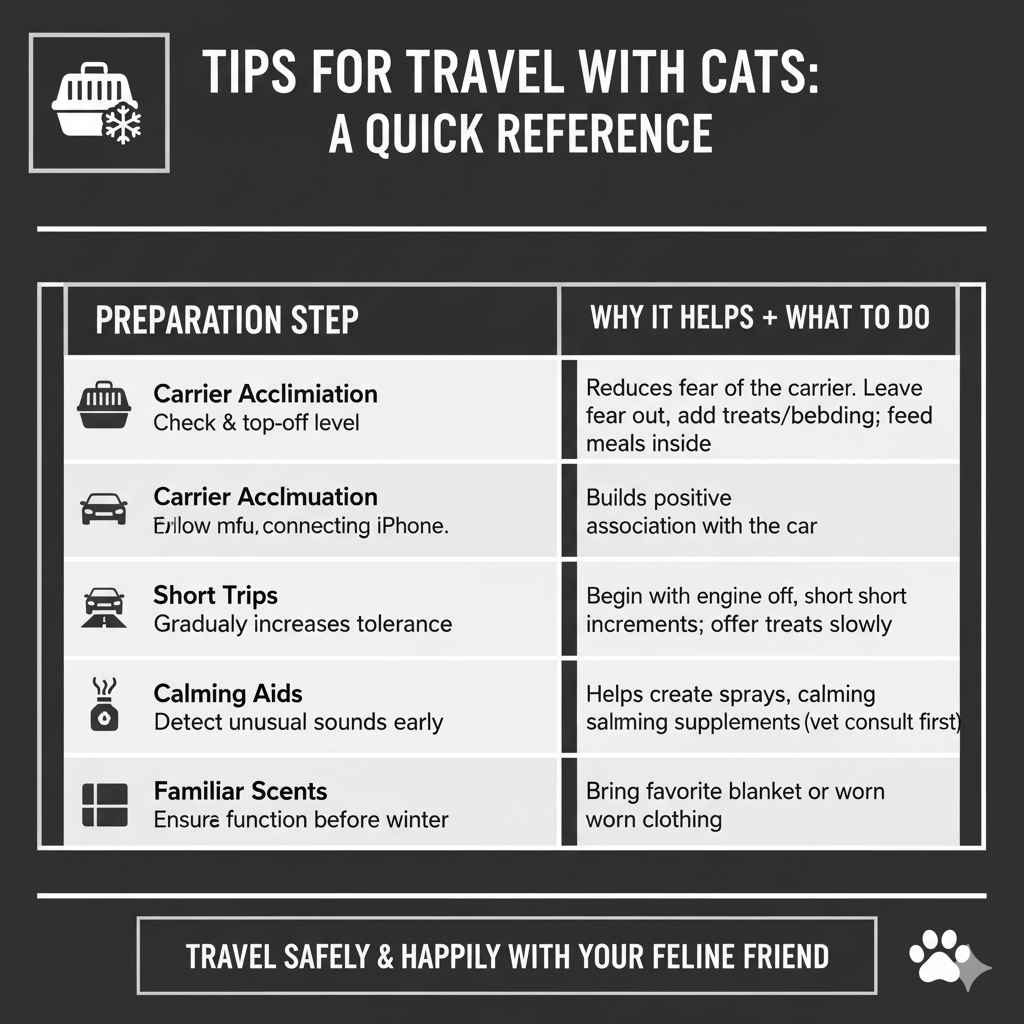
Here’s a handy table to summarize key preparation steps:
| Preparation Step | Why It Helps | What to Do |
|---|---|---|
| Carrier Acclimation | Reduces fear of the carrier | Leave carrier out, add treats/bedding; feed meals inside |
| Car Introduction | Builds positive association with the car | Start with engine off, short increments; offer treats |
| Short Trips | Gradually increases tolerance | Begin with laps around the block, increase duration slowly |
| Calming Aids | Helps create a relaxed environment | Use pheromone sprays, calming supplements (vet consult first) |
| Familiar Scents | Provides comfort and security | Bring favorite blanket or worn clothing |
| Smooth Driving | Minimizes motion sickness and fear | Drive gently, avoid sudden stops/starts |
Frequently Asked Questions (FAQ)
Q1: Why does my cat cry incessantly the moment we start the car?
A: This likely means your cat associates the car with fear, anxiety, or discomfort, possibly due to negative past experiences like vet visits. Their crying is a signal of distress and a plea to stop the journey.
Q2: Can I give my cat car sickness medication?
A: Yes, but only under the guidance of your veterinarian. They can prescribe appropriate anti-nausea medication or recommend safe over-the-counter options specifically formulated for cats. Never give human medication without professional advice.
Q3: How long should I spend desensitizing my cat to the carrier and car?
A: This varies greatly by cat. Some cats may adapt in a week, while others can take several weeks or even months. Patience is key. Focus on making each step positive and don’t rush the process. If your cat shows significant distress, go back a step.
Q4: My cat drools a lot when in the car. Is this normal?
A: Excessive drooling in cats during car rides is often a sign of stress and/or motion sickness. It’s similar to how some humans experience increased salivation when feeling nauseous or anxious. Addressing the underlying cause of their discomfort is important.
Q5: Is it okay to let my cat roam free in the car, instead of using a carrier?
A: No, it is never safe for your cat to roam freely in a moving vehicle. They can be a dangerous distraction to the driver, and in the event of an accident, they could be seriously injured. A securely fastened carrier properly secured in the car is the safest option.
Q6: Will these techniques help if my cat’s crying is due to a medical issue?
A: These techniques are designed to address behavioral and environmental causes of crying. If you suspect a medical issue like motion sickness, internal discomfort, or a deeper anxiety disorder, you must consult your veterinarian first. They can diagnose and treat any underlying health problems.
Further Reading: For more insights on feline behavior and well-being, resources like the American Veterinary Medical Association (AVMA) offer reliable information.
Conclusion
It’s tough hearing your cat cry in the car, but by understanding the reasons behind their distress—from motion sickness and sensory overload to simple fear—you are already taking a big step towards creating more peaceful journeys. Remember to be patient and consistent with desensitization and positive reinforcement. Making their carrier a safe haven, gradually introducing them to the car, and using calming aids can significantly reduce their anxiety. With time and a gentle approach, you can transform those stressful car rides into manageable, even comfortable, experiences for your beloved felines. Happy travels to you and your cat!