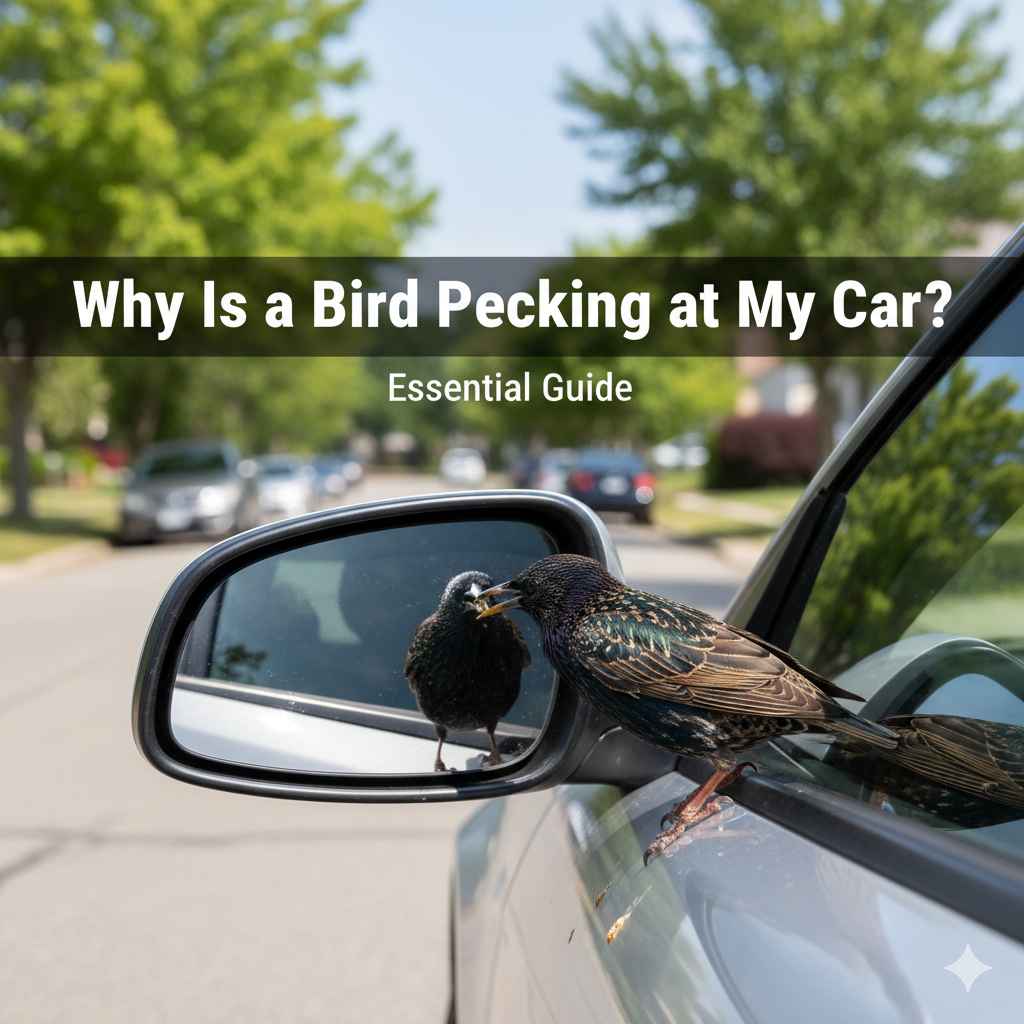
Why Is a Bird Pecking at My Car? Essential Guide
Don’t worry if a bird is pecking at your car! This behavior is usually a sign of territoriality, confusion, or seeking reflective surfaces. Understanding the “why” helps you gently deter them without harming the birds or your vehicle. This guide explains common reasons and simple solutions.
Seeing a bird repeatedly tap its beak against your car can be puzzling, even a little annoying. You might wonder if your car has offended the local bird population. Rest assured, it’s a much more common occurrence than you think, and it’s rarely personal! Birds are fascinating creatures with unique motivations, and their interest in your vehicle can stem from a few simple misunderstandings on their part. We’re here to break down exactly why this might be happening and, more importantly, how you can easily encourage them to find a different hobby. Let’s explore the birdy brain and find some simple, bird-friendly solutions to keep your car looking its best.
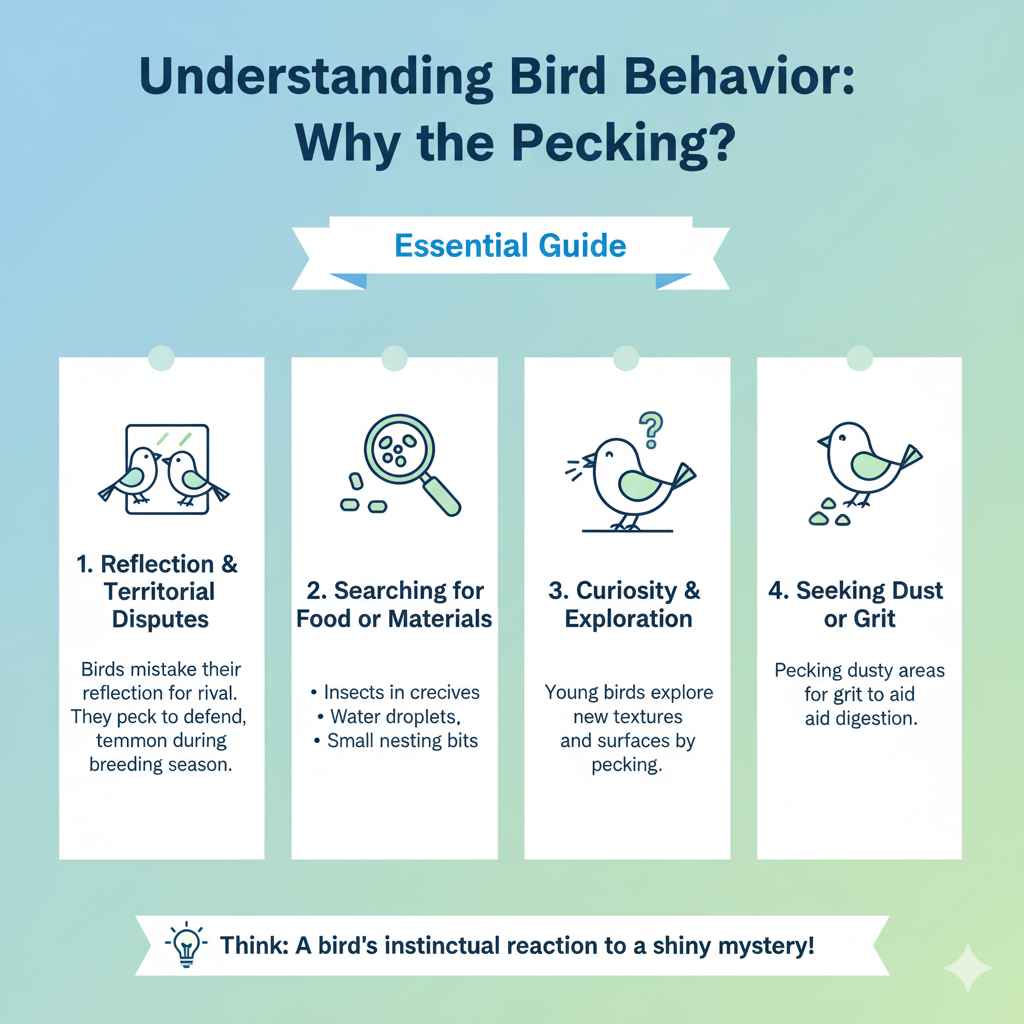
Understanding Bird Behavior: Why the Pecking?
Birds peck at things for various reasons, and when it comes to your car, it’s usually a case of mistaken identity or attraction. Understanding these motivations is the first step to solving the problem.
1. Reflection and Territorial Disputes
This is perhaps the most common culprit. Birds, especially males during breeding season, can be highly territorial. They see the shiny, reflective surface of your car and mistake their own reflection for another bird – a rival intruding on their space. To assert dominance or defend their territory, they will peck at the perceived intruder. It’s their way of saying, “Hey, get out of my area!” This behavior is most pronounced in the spring and early summer when birds are actively setting up nests and defending their mates.
Think of it like looking in a mirror and seeing someone who looks just like you. If you’re feeling protective of your space, you might react strongly! Birds are no different in this aspect of instinctual behavior.
2. Searching for Food or Materials
Sometimes, a bird might be pecking at your car because it’s attracted to something on its surface. This could be:
- Insects: Small bugs or spiders might be hiding in crevices, around mirrors, or along door seams. The bird sees these as potential snacks and pecks to get them out.
- Water droplets: After rain or morning dew, water can collect on your car. Birds may peck at these droplets, either to drink or simply out of curiosity.
- Nesting materials: While less common for car pecking, some birds are always on the lookout for bits and pieces to build their nests. Tiny bits of paint, wax residue, or even road grime might look like an interesting material to them.
3. Curiosity and Exploration
Young birds, in particular, are naturally curious. They explore their environment by touching, tasting, and pecking at new objects. Your car, with its varied textures and surfaces, might simply be a fascinating new thing to investigate. They are learning about the world around them, and your car happens to be in their learning zone.
4. Seeking Dust or Grit
Some birds consume small amounts of grit or sand to aid digestion, especially when eating seeds. They might peck at dusty or grimy areas of your car, mistaking these patches for a source of grit. While this is less common than reflections, it’s a possibility, especially if your car has been sitting unwashed for a while.
The Impact: Is Bird Pecking Damaging My Car?
For the most part, a bird pecking at your car for a short period is unlikely to cause significant damage. However, prolonged or repeated pecking can lead to minor issues:
- Minor Scratches: The bird’s beak can be surprisingly sharp. Repeated pecking, especially on softer paint finishes or wax layers, can cause very fine scratches. These are usually only visible upon close inspection.
- Dirt and Droppings: While pecking, birds might also leave behind droppings. Bird droppings are acidic and can etch into your car’s paint if left uncleaned for too long, especially in direct sunlight.
- Alarming Noises: The repetitive tapping can be an irritating sound, especially if you’re trying to work or relax nearby.
It’s important to remember that bird beaks are made of keratin, the same material as our fingernails. While they can be pecked repeatedly, they aren’t generally strong enough to seriously chip or dent metal on their own. The main concern is the potential for minor surface damage that could worsen if not addressed.
Solutions: How to Gently Deter Birds from Your Car
You don’t need to resort to harsh methods. The goal is to make your car less appealing or confusing to birds, without causing them harm. Here are some effective, gentle strategies:
1. Make the Reflection Less Appealing
Since reflections are a major trigger, making your car less mirror-like or breaking up the reflection can help.
- Car Covers: The most effective solution is to cover your car when it’s parked for extended periods, especially during breeding season. A fabric car cover completely hides the reflective surfaces. For quick stops, a temporary dust cover can also work. You can find a wide variety of car covers online from reputable retailers like AutoZone.
- Window Films or Decals: Applying static cling window film to the side windows can break up the reflection. Some people also use temporary decals or even draw designs on their windows with washable window markers.
- Park in Shade: If possible, park your car under a tree or in a shaded area. This reduces the glare and reflection. However, be mindful that birds might be more attracted to trees for nesting or perching, so this isn’t always a perfect solution.
2. Deter Visual Triggers
Beyond reflections, other visual elements can attract or deter birds.
- Scare Tape or Reflective Objects: Hanging shiny, reflective scare tape, old CDs, or aluminum foil strips near your car can create movement and flashing lights that birds tend to avoid. While these can be unsightly, they are an option for temporary protection.
- Predator Decoys: Placing owl or hawk decoys near where your car is parked can sometimes deter smaller birds. Move the decoy every few days, as birds can get used to stationary objects.
3. Clean Your Car Regularly
A clean car is less likely to attract birds looking for food or grit.
- Wash Your Car: Regular washing removes potential food sources like insects and dirt. Pay attention to cleaning your windows and mirrors thoroughly.
- Address Droppings Promptly: If you find bird droppings, clean them off as soon as possible with a damp cloth and a bit of car wash soap. This prevents etching.
4. Make Your Car Uncomfortable to Perch On
Birds might peck if they are trying to perch on your car.
- Bird Spikes (Use with Caution and Ethically): On ledges or specific areas where birds perch consistently, humane bird spike strips can be used. However, these are generally not suitable for car surfaces themselves as they could cause damage or harm the birds if designed poorly. They are more for home structures. For cars, consider making surfaces less appealing.
- Bird-Repellent Sprays: There are commercial bird repellent sprays available. These often contain natural scents that birds dislike. Follow product instructions carefully and ensure they are safe for automotive finishes.
5. Manage the Habitual Peckers
If a specific bird is a persistent offender, you might need to be proactive.
- Temporary Fencing or Barriers: If your car is parked in the same spot daily and a bird is targeting it, consider creating a temporary, lightweight barrier around the car for a few days. This could be as simple as garden netting or stakes with string, making the area less inviting.
- Gentle Noise Deterrents: Sometimes, adding a wind chime or a small, battery-operated noise maker near the car can startle birds and encourage them to move on.
Preventive Measures: Long-Term Strategies
Beyond immediate solutions, consider these long-term approaches to minimize bird-related car issues.
1. Strategic Parking
Where you park your car can make a big difference.
- Avoid Nesting Areas: Try not to park directly under trees where birds are actively nesting or building new nests, especially during spring and summer.
- Garage Parking: The ultimate solution is to park your car in a garage or carport whenever possible. This naturally protects it from weather and wildlife, including birds.
2. Understand Seasonal Patterns
Bird behavior changes throughout the year. Territorial pecking is most intense during the breeding season (typically spring and early summer). If you notice the problem increases dramatically during these months, you know it’s likely territorial. Outside of this season, pecking is more likely due to curiosity or food-seeking.
3. Environmental Factors
Sometimes, local environmental changes can affect bird behavior. For instance, if there’s a shortage of natural food sources in your area, birds might be more desperate to investigate your car for overlooked insects or crumbs.
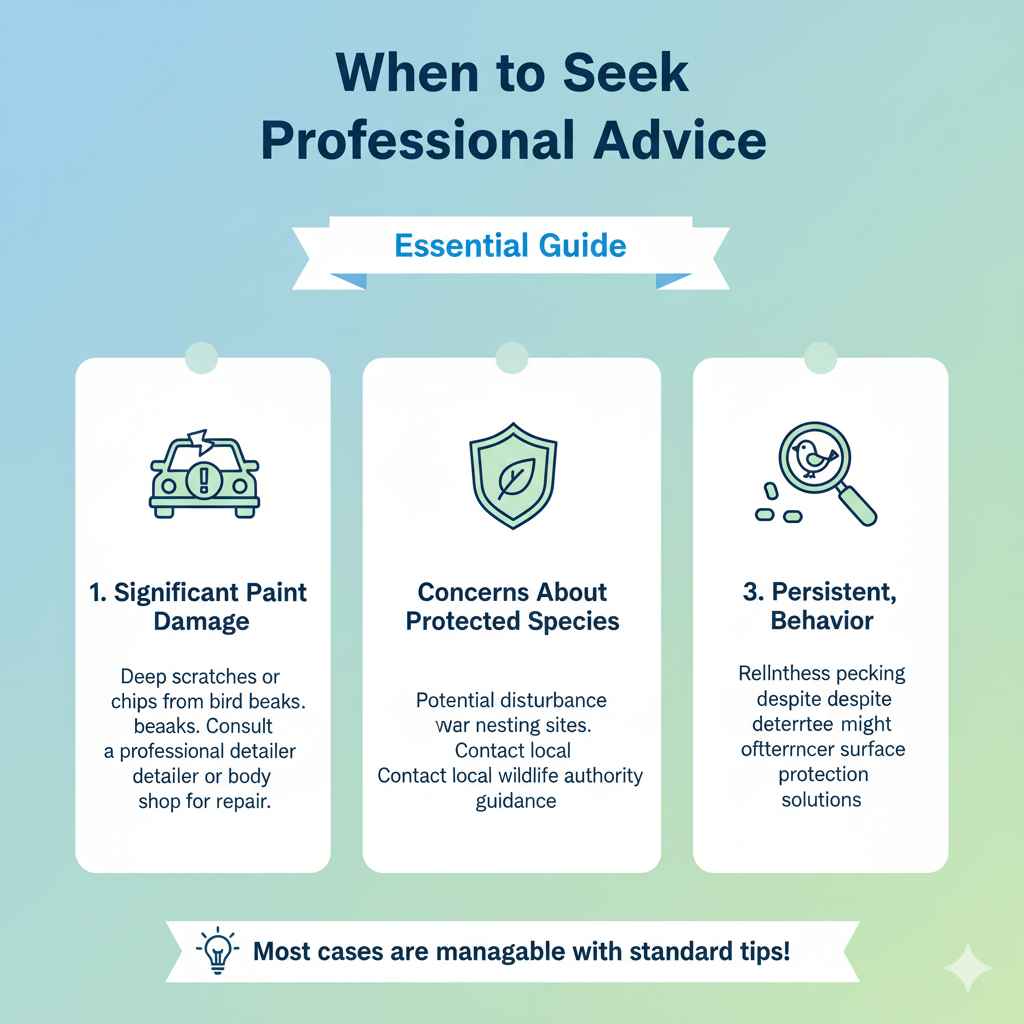
When to Seek Professional Advice
In most cases, bird pecking is a minor nuisance that you can manage with the tips above. However, there are a few scenarios where you might want to consult a professional:
- Significant Paint Damage: If you notice deep scratches or chips that you suspect are from bird beaks, a professional detailer or body shop can assess and repair the damage.
- Concerns About Protected Species: If you believe the birds causing the issue are part of a protected species, or if your actions might inadvertently disturb a nesting site, it’s wise to consult your local wildlife authority or a professional wildlife rescuer for guidance on humane deterrence. The U.S. Fish and Wildlife Service provides resources on wildlife management.
- Persistent, Unexplained Behavior: If the pecking is relentless and none of the standard methods are working, and you’re concerned about ongoing damage, a car detailing expert might offer solutions for surface protection and enhancement.
For the average car owner, the solutions provided in this guide should be more than sufficient to handle birds showing an unusual interest in your vehicle.
Frequently Asked Questions (FAQs)
Putting It All Together: A Bird-Friendly Approach
It’s understandable to be concerned when you see a bird repeatedly pecking at your car. However, as we’ve explored, this behavior isn’t a sign of a problem with your vehicle but rather a natural display of bird instinct. Whether it’s a territorial bird defending its perceived space, a curious youngster exploring its world, or a hungry bird searching for a meal, there are simple, humane ways to discourage this activity.
By understanding the core reasons – reflections, food sources, and instinct – you can apply practical solutions. Covering your car, using visual deterrents like shiny tape, keeping it clean, or parking in a different spot are all effective strategies. Remember, gentleness is key. Our goal is to coexist peacefully with our feathered neighbors, and a few mindful adjustments can ensure your car remains an uninteresting object to them.
So, the next time you see a bird tapping away at your car door or window, take a deep breath, identify the likely cause, and choose the solution that best fits your situation. With these tips, you can protect your car and keep those birds happily flitting elsewhere. Happy driving, and may your car remain peck-free!